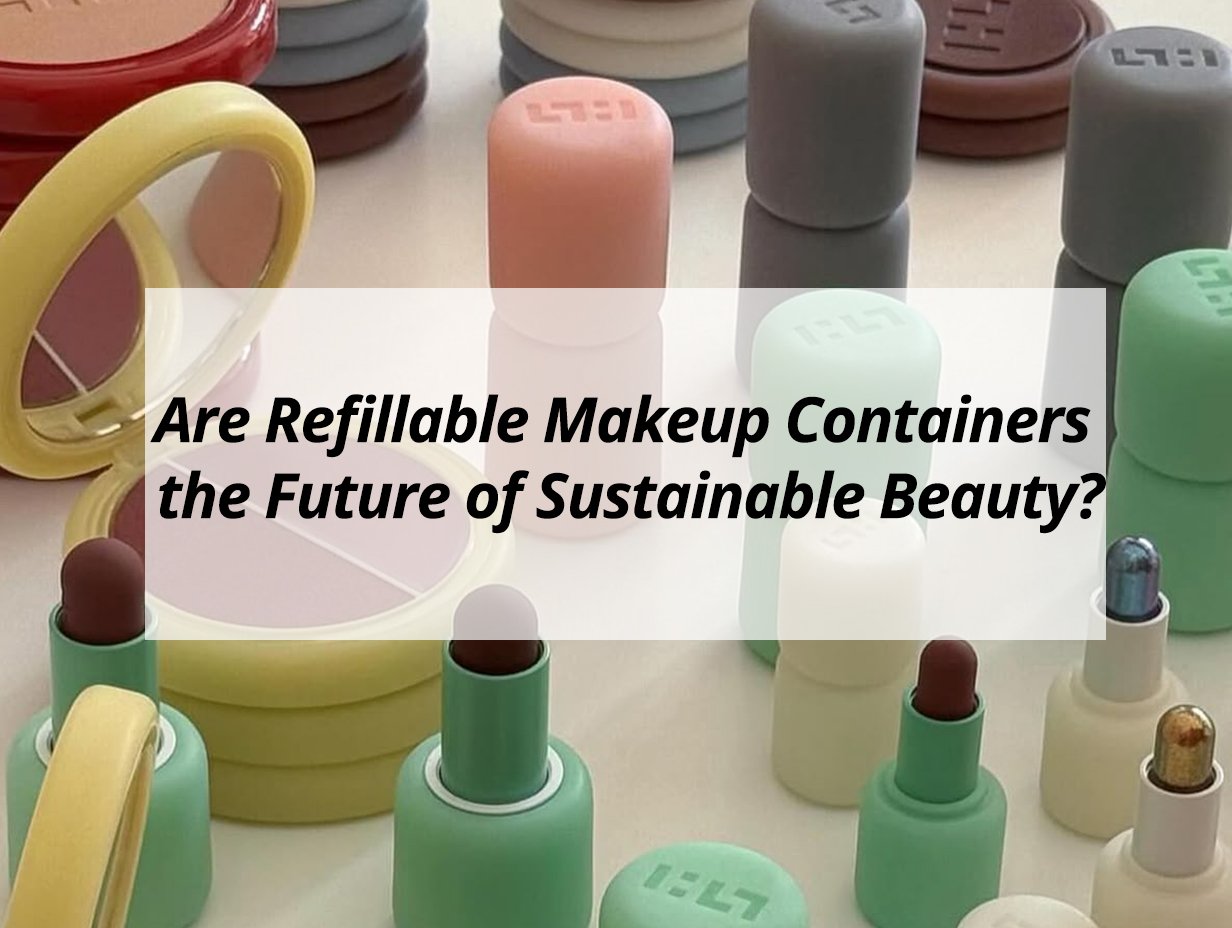
As the beauty industry faces increasing scrutiny over pollution, refillable containers may offer a promising solution.
Refillable makeup containers are a sustainable alternative, reducing waste by allowing consumers to reuse packaging. Their recyclability and cost-effectiveness make them an ideal choice for eco-conscious brands and consumers committed to environmental preservation and sustainability in the beauty industry.
The shift toward sustainable practices in the beauty sector is not just a trend; it's a necessary evolution. Let's explore how refillable containers are poised to reshape the makeup world.
What Is the Most Sustainable Packaging for Cosmetics?
The cosmetic industry’s packaging has long been criticized for its environmental impact.
Sustainable packaging in cosmetics1 prioritizes materials that are durable, recyclable, and biodegradable. Glass, aluminum, and post-consumer recycled plastics are leading choices. These materials minimize environmental footprints while enhancing brand reputation by associating products with eco-friendly practices.
To truly understand sustainable packaging, it's crucial to examine the materials and their benefits:
Material Comparison
| Material | Benefits | Challenges |
|---|---|---|
| Glass | Reusable, recyclable, doesn’t degrade contents | Heavier, fragile, higher transport cost |
| Aluminum | Lightweight, recyclable, durable | Energy-intensive to produce |
| Recycled Plastics | Reduces landfill waste, versatile | Potential quality issues, limited biodegradability |
Design Considerations
Beyond materials, design plays a critical role. Packaging should be minimalistic to reduce waste but functional to protect the product. QR codes could be integrated for recycling tips and educational content about sustainability practices, ensuring consumers are informed and engaged.
What Is the Most Environmentally Friendly Makeup Brand?
Brands adopting eco-friendly practices gain customer loyalty and market differentiation.
The most environmentally friendly makeup brands are those emphasizing sustainable packaging, ethical sourcing, and carbon neutrality. They set industry benchmarks by committing to zero-waste goals and transparency, winning over environmentally conscious consumers.
Earning the title of an eco-friendly brand involves several strategic commitments:
Key Practices
Brands must adopt and showcase their sustainable initiatives, including:
-
Ethical Sourcing2: Ensuring that ingredients are obtained responsibly, avoiding exploitation.
-
Carbon Offsetting3: Investing in projects that compensate for emissions, striving for carbon neutrality.
-
Zero-Waste Goals4: Implementing programs to recycle or eliminate packaging waste entirely.
Leading Brands
Brands like Lush and Tata Harper are trailblazers, offering transparency in their sourcing and production processes. They emphasize cruelty-free testing and eco-friendly packaging, resonating deeply with today's conscious consumers.
What Is the Future of Sustainable Cosmetic Packaging?
Consumer demands for ethical and sustainable choices drive future packaging trends.
The future of sustainable cosmetic packaging involves innovation in compostable materials, smart packaging, and closed-loop systems. By aligning technology with environmental goals, brands can revolutionize their impact, providing solutions that meet ethical standards and consumer needs simultaneously.
Exploring what lies ahead involves looking at emerging technologies and practices:
Technological Innovations
-
Compostable Materials5: Development of plant-based and biodegradable plastics to replace traditional options.
-
Smart Packaging6: QR codes and interactive features providing detailed sustainability information.
-
Closed-Loop Systems: Encouraging brands to recollect and recycle their packaging.
Industry Collaborations
Partnerships between brands, governments, and NGOs will be crucial in setting standards and creating broader impacts. Collaborative efforts focus on reducing carbon footprints and enhancing transparency in supply chain processes, helping to build consumer trust.
What Is the Most Sustainable Cosmetic Packaging?
Simplicity and functionality define sustainable packaging.
The most sustainable cosmetic packaging combines functionality with minimal environmental impact. Use of recyclable and reusable materials, clear communication of recycling instructions, and innovative refill options ensure packaging is both user-friendly and eco-friendly.
Successful sustainable packaging features two critical attributes:
Material Efficiency
Selecting materials that offer durability without compromising recyclability is key. Minimalistic design helps reduce waste and resources, maintaining product integrity and consumer appeal.
Consumer Engagement
Educating consumers about sustainable practices reinforces brand message. Packaging should clearly indicate recycling options and the environmental benefits, motivating eco-conscious purchasing behaviors.
What Is the Future of Sustainable Cosmetic Packaging to 2026?
Forecasted trends reveal a transformative shift in cosmetic packaging.
By 2026, sustainable cosmetic packaging is expected to embrace innovation, focusing on full recyclability, renewable energy in production, and augmented reality experiences. These shifts address environmental demands while delivering enhanced consumer interaction and engagement in meaningful ways.
Future packaging will likely evolve across critical areas:
Areas of Evolution
-
Renewable Production: Greater reliance on solar and wind energy to power packaging manufacturing.
-
Consumer-Centric Design: Personalization using augmented reality to enrich the consumer experience.
-
Circular Economy Practices: Establishing systems to recollect and repurpose packaging materials.
Engagement and interactivity underscore future designs, ensuring packaging not only protects but also informs and entertains.
My insights: Embracing Refillable Containers for Sustainable Beauty
Why are refillable containers gaining traction as a sustainable solution in the beauty industry?
Refillable containers are revolutionizing the cosmetics sector by cutting single-use waste and reducing plastic dependency. This eco-friendly shift aligns with consumer demand, regulatory pressures, and advances in technology, offering both environmental benefits and cost-effectiveness.
The Impact and Benefits of Refillable Containers
Environmental Impact and Innovation
- Waste Reduction: By minimizing single-use packaging, refillables cut waste by up to 70%, lowering carbon emissions.
- Circular Economy: These solutions embrace reusability, where durable containers host only product refills.
- Innovative Materials: Use of glass, aluminum, and biodegradable options enriches sustainability and aesthetics.
Industry Adoption and Consumer Engagement
- Market Expansion: Brands are expanding refillable options, with luxury names investing in eco-friendly systems.
- Consumer Loyalty: Growing interest in sustainable choices fuels brand loyalty and aligns with corporate responsibility.
- Technology Integration: QR codes and subscription models enhance consumer convenience and accessibility.
| Key Advantages | Industry Trends | Consumer Engagement |
|---|---|---|
| Waste reduction | Refillable options grow | Eco-friendly choices |
| Circular economy focus | Luxury brand investment | Enhanced loyalty |
| Innovative materials | Tech integration | Convenience and access |
Refillable packaging represents a strategic response to environmental challenges, anticipated to accelerate as a core element of sustainable beauty.
Conclusion
Refillable makeup containers and sustainable practices are set to redefine the beauty industry, offering eco-friendly solutions that align with consumer values.
-
Explore how sustainable packaging can enhance brand reputation and reduce environmental impact. ↩
-
Understand the importance of responsible ingredient sourcing in building eco-friendly brands. ↩
-
Discover how brands can achieve carbon neutrality and contribute to environmental sustainability. ↩
-
Find out how brands are implementing zero-waste initiatives to reduce packaging waste. ↩
-
Explore innovative plant-based materials that can replace traditional packaging options. ↩
-
Learn how technology enhances consumer engagement and sustainability in packaging. ↩