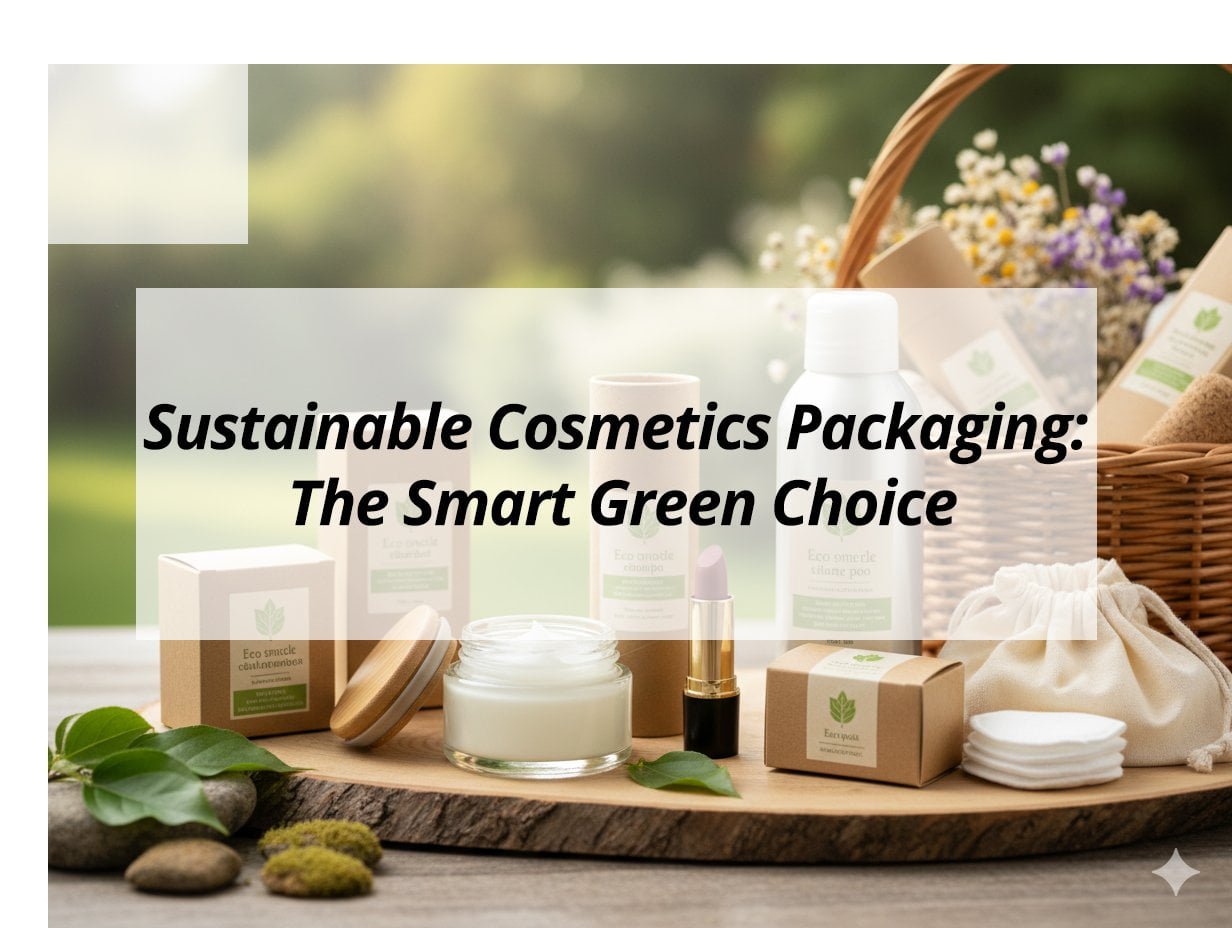
Many cosmetic brands struggle with packaging waste. They need solutions that protect products and the planet. Sustainable cosmetic packaging offers a smart way forward for businesses.
Sustainable cosmetic packaging is the best choice for environmentally conscious brands. It reduces waste, conserves resources, and appeals to a growing number of eco-aware consumers. This approach helps companies minimize their environmental footprint. It also improves brand image and customer loyalty in the long run.
This article explores the core principles of sustainable cosmetic packaging. We will look at materials, strategies, and the real impact of green choices.
What is the Most Sustainable Cosmetic Packaging?
Finding the most sustainable cosmetic packaging1 is complex. Many factors decide if packaging is truly green. It is not just about one material. It involves a whole system.
The most sustainable cosmetic packaging often uses a combination of strategies. These include refillable containers, materials with high recycled content (PCR), and easily recyclable or compostable options. The key is to reduce overall material use, encourage reuse, and ensure proper end-of-life disposal. This minimizes environmental harm.
I see many businesses looking for truly sustainable options. They want packaging that is both effective and eco-friendly. It is important to look at the entire life cycle. This means from how it is made to how it is disposed of.
What are Key Elements of Sustainable Packaging?
Sustainable packaging focuses on several core principles.
- Minimizing Material Use: Less packaging means fewer resources are used. This includes lightweight designs and right-sized containers.
- Maximizing Recycled Content: Using Post-Consumer Recycled (PCR)2 materials reduces the need for new, virgin resources. It also helps manage waste.
- Designing for Recyclability/Compostability: Packaging should be easy for consumers to recycle or compost. This requires clear labeling and compatible materials.
- Promoting Reusability: Designing containers that can be refilled and reused many times is highly sustainable. This drastically cuts down on single-use waste.
- Using Renewable Resources: Choosing materials that come from plants or other naturally replenishing sources.
What are Top Sustainable Packaging Materials?
Different materials offer varying levels of sustainability.
| Material Type | Sustainability Advantages | Considerations |
|---|---|---|
| Glass | Infinitely recyclable, inert, good for refills. | Heavy (higher shipping emissions), fragile, energy-intensive to produce initially. |
| Aluminum | Highly recyclable, lightweight, durable, good barrier protection. | Energy-intensive initial production, needs proper recycling infrastructure. |
| PCR Plastics (e.g., PET, PP) | Reduces virgin plastic demand, utilizes existing waste. | Quality can vary, not infinitely recyclable, depends on collection systems. |
| Bamboo/Wood | Renewable, biodegradable, natural look. | Can be costly, may need inner linings, variable durability. |
| Paper/Cardboard | Recyclable, renewable, lightweight. | Not water-resistant, often requires plastic coatings for cosmetics. |
| Bioplastics (e.g., PLA) | Renewable resource, can be compostable (industrial). | Requires specific composting facilities, can contaminate plastic recycling streams if mixed. |
How Does a Circular Economy Model Help?
The most sustainable approach is a circular economy.
- Closed Loop System: Packaging materials are collected, recycled, or reused. Then they are put back into the supply chain. This avoids waste.
- Value Retention: Materials keep their value for longer. They are not just thrown away after one use.
- Reduced Extraction: Less new raw material extraction is needed. This protects natural ecosystems.
Ultimately, the most sustainable cosmetic packaging integrates thoughtful material choice with a system that prioritizes reduction, reuse, and effective recycling.
What are the 7 R's of Sustainable Packaging?
The "R's" of sustainability provide a framework for action. They guide brands in making better packaging choices. While commonly known as the 3 R's (Reduce, Reuse, Recycle), expanding this list gives a fuller picture.
The 7 R's of sustainable packaging offer a comprehensive approach to environmental responsibility. They include Rethink, Refuse, Reduce, Reuse, Repair, Recycle, and Rot (Compost). Following these principles helps brands create packaging that has a minimal environmental impact throughout its entire life cycle.
Many businesses want to be more sustainable. They often ask for clear steps. I find that explaining these "R's" helps them plan their packaging strategy. It gives a clear path to follow.
What Do the 7 R's Mean for Packaging?
Each "R" offers a different strategy for sustainability.
- Rethink: This is the first and most important step. It means questioning current packaging designs. Can we do it completely differently? Can we design out waste from the start?
- Refuse: Avoid unnecessary packaging. Say no to single-use plastics or excessive wrapping. This applies to both businesses and consumers.
- Reduce: Use less material. Make packaging lighter, smaller, or thinner. This saves resources and cuts emissions.
- Reuse: Design packaging to be refilled and used many times. This is key for things like refillable jars or bottles.
- Repair: This applies more to products than packaging. But for durable, reusable packaging, can parts be replaced if they break?
- Recycle: Use materials that can be processed into new products. Ensure packaging is easy to recycle and clearly labeled.
- Rot (Compost): For materials that cannot be reused or recycled, ensure they can safely return to the earth. This means industrial composting for certain bioplastics or natural materials.
How Can Brands Apply the 7 R's?
Applying these principles requires a thoughtful strategy.
- Design Phase: Focus on Rethink, Refuse, and Reduce at the very beginning. This is where the biggest impact can be made.
- Material Selection: Choose materials that support Reuse, Recycle, or Rot. Look for durable materials for reusable systems.
- Consumer Engagement: Educate customers on how to Reuse, Recycle, or Rot their packaging. Make it easy for them to do the right thing.
Why are All 7 R's Important?
Focusing on all 7 R's creates a more robust sustainability strategy.
- Holistic Approach: It covers the entire life cycle of packaging, from concept to disposal.
- Maximizes Impact: It tackles waste from multiple angles, leading to greater environmental benefits.
- Future-Proofing: It prepares brands for stricter environmental regulations and growing consumer demand for sustainable products.
Implementing the 7 R's helps brands make truly smart and green choices for their cosmetic packaging.
What are the 5 R's for the Creation of Sustainable Packaging?
When creating new packaging, a focused set of "R's" helps guide the design process. These principles are especially useful during the early stages of product development.
The 5 R's for sustainable packaging creation are Rethink, Reduce, Reuse, Recycle, and Renew. These principles emphasize design choices that minimize environmental impact from the outset. They guide brands towards packaging solutions that are efficient, circular, and responsibly sourced.
Many designers and product developers look for clear guidelines. They want to make sustainable choices from the start. These 5 R's give them a practical framework to build better packaging. It helps avoid problems later on.
What Do the 5 R's Mean in Packaging Design?
These 5 R's are specifically for new packaging development.
- Rethink: This is about fundamental innovation. Can we change the product or delivery system to eliminate packaging entirely? Or make it radically different? For example, solid shampoo bars instead of liquid shampoo bottles.
- Reduce: Design packaging to use the least amount of material possible. This means lighter components, efficient shapes, and minimal layers.
- Reuse: Design packaging to be durable and easily refillable by consumers. This requires robust materials and a simple refill mechanism.
- Recycle: Choose materials that are widely recyclable. Ensure the packaging design does not hinder recycling (e.g., easy to separate components). Provide clear recycling instructions.
- Renew: Prioritize materials that come from renewable sources. This includes plant-based bioplastics, sustainably sourced paper, or bamboo. These materials can regenerate naturally.
How Do These 5 R's Guide Design Choices?
Applying these principles informs every design decision.
- Concept Phase: Rethink is critical here. Challenge assumptions about traditional packaging.
- Material Selection: Focus on materials that enable Reuse, Recycle, and Renew. Durability for reuse and compatibility with recycling systems are key.
- Structural Design: Apply Reduce by optimizing shape and minimizing material thickness without compromising product protection.
- Manufacturing Process: Consider how the design impacts energy use and waste generation during production.
What are the Benefits of Using the 5 R's Early?
Integrating these R's from the start provides significant advantages.
- Proactive Sustainability: It builds sustainability into the core of the product. This avoids costly redesigns later.
- Innovation Driver: It encourages creative solutions that differentiate the brand.
- Cost Efficiency: Reducing material use and designing for circularity can lead to long-term cost savings.
- Market Leadership: Brands seen as sustainable innovators gain a competitive edge.
By focusing on these 5 R's, brands can create truly sustainable cosmetic packaging. This meets both consumer demand and environmental responsibility.
Does Lush use Sustainable Packaging?
Lush is often highlighted for its commitment to sustainability. Their approach to packaging is a key part of their brand identity. They actively seek innovative solutions to reduce environmental impact.
Lush is known for its strong emphasis on sustainable packaging, often using minimal or no packaging. They promote naked products, offer refill programs, and use highly recycled or recyclable materials. This strategy helps them reduce waste significantly and aligns with their core environmental values, appealing to eco-conscious consumers.
Many brands look to leaders like Lush for inspiration. They want to understand how a company can integrate sustainability so deeply. Lush's efforts show that it is possible to combine good products with strong environmental practices.
What are Lush's Key Packaging Strategies?
Lush employs several distinct strategies to minimize packaging waste.
- Naked Products: A large portion of their products are sold without any packaging at all. This includes solid shampoo bars, bath bombs, and certain soaps. This completely eliminates packaging waste for these items.
- Refill Programs: Lush offers various refill options, particularly for liquid products like shower gels and body lotions. Customers can bring back their empty containers for a refill, reducing the need for new packaging.
- Recycled Materials (Black Pots): For products that require packaging, Lush uses its iconic black pots. These pots are made from 100% Post-Consumer Recycled (PCR) plastic. They also have a take-back scheme where customers can return five empty pots for a free product.
- Knot-Wraps: As an alternative to traditional gift wrapping, Lush offers reusable fabric Knot-Wraps. These are made from recycled plastic bottles or organic cotton, promoting reuse.
- Minimal Packaging: When packaging is used, it is often kept to a bare minimum, focusing on functionality rather than excess.
How Do These Strategies Impact Sustainability?
Lush's packaging choices have a significant positive environmental impact.
- Drastic Waste Reduction: Naked products eliminate packaging waste entirely. Refill and take-back schemes keep materials in circulation.
- Reduced Virgin Material Use: Using 100% PCR plastic for their pots avoids the need for new plastic production.
- Circular Economy Model: Their strategies promote a circular economy where materials are continually reused or recycled, rather than discarded.
- Consumer Engagement: Lush actively involves its customers in their sustainability efforts, encouraging responsible consumption and disposal.
What Challenges Does Lush Face?
Even with strong commitment, challenges exist for Lush.
- Product Preservation: Some products inherently need packaging for freshness or stability. This limits the scope of naked products.
- Logistics of Refills/Take-Backs: Managing refill stations and collecting empty pots requires robust in-store operations and customer participation.
- Educating Consumers: Constantly educating customers about their packaging options and return schemes is necessary.
Despite challenges, Lush demonstrates a leading example of how a brand can prioritize sustainable packaging across its product range.
My Insights: Sustainable Cosmetics Packaging – The Smart Green Choice
Worried about your brand's environmental impact? Discover how sustainable cosmetics packaging can reduce waste and boost your eco-friendly image.
Sustainable cosmetics packaging minimizes environmental impact by using recyclable, biodegradable, or reusable materials. It attracts eco-conscious consumers, enhances brand image, and aligns with regulations, promoting responsible consumer behavior while supporting circular economy principles.
Exploring the Smart Green Choice in Cosmetics Packaging
Key Benefits:
Sustainable packaging significantly reduces the beauty industry's environmental footprint by minimizing plastic waste and using energy-efficient production methods. This attracts eco-conscious consumers, with over 60% prioritizing green options, and helps brands comply with anti-plastic regulations.
Common Materials:
Using post-consumer recycled (PCR) plastics, biodegradable materials3 like PLA and Bio-PE, and renewable sources such as bamboo, glass, and aluminum, brands can lower landfill waste. These materials decompose naturally or offer infinite recyclability, conserving resources like water and energy.
Leading Brands:
Brands like Lush, Herbivore, and Aesop lead in sustainable packaging, using innovative materials and designs. Lush focuses on minimal packaging for solid products, Aesop uses high-PCR plastics, and Herbivore offers recyclable glass with return programs.
Emerging Trends:
Refillable systems and mono-material designs simplify recycling, appealing to the 74% of consumers interested in refills. Innovations like molded pulp from sugarcane bagasse and energy-efficient, solar-powered factories further enhance sustainability.
Sustainable Materials Overview:
| Material | Benefit | Example Products |
|---|---|---|
| PCR Plastics | Reduces virgin use, recyclable | Bottles, caps |
| PLA/Bio-PE | Biodegradable, non-toxic breakdown | Jars, tubes |
| Bamboo, Glass, Aluminum | Renewable or endlessly recyclable | Caps, jars, bottles |
Sustainable packaging represents a strategic shift for cosmetics brands, offering environmental and economic advantages while meeting consumer demand for eco-friendly practices.
Conclusion
Sustainable cosmetic packaging is a vital choice for modern brands. It reduces waste, saves resources, and enhances brand image. By embracing the 7 R's and innovative solutions, brands can create a greener future.
-
Explore this resource to understand the principles and practices behind eco-friendly cosmetic packaging. ↩
-
Explore the significance of PCR materials in reducing waste and promoting recycling. ↩
-
Find out about biodegradable materials and their role in creating sustainable cosmetics packaging solutions. ↩