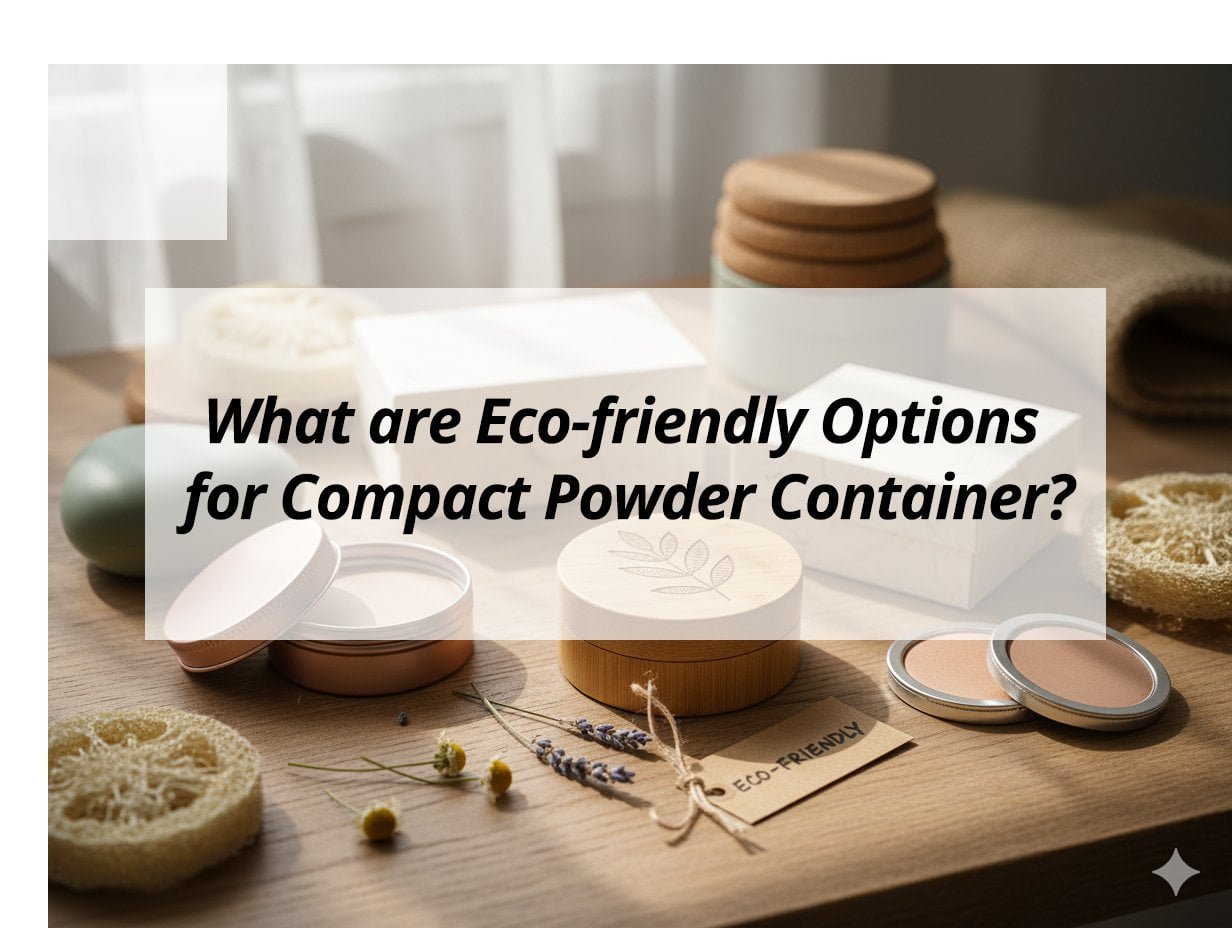
Compact powders are essential in makeup routines, but their packaging often goes unnoticed. As the beauty industry shifts towards sustainability, eco-friendly options for compact powder containers emerge, appealing to environmentally-conscious consumers.
Choosing eco-friendly containers for cosmetics, like compact powders, minimizes environmental harm. These containers utilize sustainable materials, are biodegradable, recyclable, and often crafted from post-consumer waste, supporting a greener future and reducing landfill impact. This approach aligns with increasing consumer demand for environmentally responsible products.
Transitioning to sustainable packaging is both a responsibility and an opportunity for brands to engage eco-conscious consumers.
What can I use instead of compact powder?
When considering alternatives to traditional compact powders, it is essential to think about sustainability and versatility without sacrificing quality. What options do eco-conscious consumers have?
Alternatives to compact powders include loose powders, which often come in sustainable packaging, or creamy formulas stored in eco-friendly containers for cosmetics, reducing single-use plastic waste and offering versatile application options.
These alternatives reveals various options that cater to sustainability without compromising beauty routines. Loose powders, for example, are favored for their ability to come in refillable jars made from recycled materials. These jars not only support sustainability but also maintain product quality by protecting against contamination.
Eco-Friendly Alternatives to Compact Powders
- Loose Powders1: Typically found in glass jars or aluminum containers, emphasizing recyclability.
- Cream Formulas2: Packaged in sustainable materials like bamboo or metal, enhancing usability and eco-friendliness.
- Paper Compacts3: Made using pressed paper, offering a biodegradable and lightweight option for travel.
The versatility of these alternatives allows consumers to make responsible choices without compromising on performance. Whether it's the elegance and protection offered by glass or the innovative use of recycled paper, these materials contribute to a sustainable lifestyle. Additionally, they prop up the business narrative of brands committed to minimizing environmental harm, aligning with market demands for greener beauty solutions.
What type of packaging is most environmentally friendly?
Brands aiming to reduce their environmental impact must select packaging that is not only functional but also sustainable. What are the key types of packaging that support these goals?
The most environmentally friendly packaging includes biodegradable and recyclable materials, such as glass, metal, or paper. These materials reduce waste and support eco-friendly manufacturing processes.
Analyzing the eco-friendliness of different materials provides a comprehensive look at their unique advantages. Glass, for instance, is not only 100% recyclable but can also be endlessly repurposed without losing quality or integrity. This is pivotal in reducing waste and energy consumption. Metal packaging, particularly aluminum, shines in its infinite recyclability and strength, making it an ideal choice for eco-conscious brands.
Overview of Eco-Friendly Packaging Materials
| Material | Benefits |
|---|---|
| Glass | Fully recyclable, offers product protection, aesthetic appeal |
| Metal | Infinitely recyclable, durable, lightweight |
| Paper | Biodegradable, commonly made from recycled content |
Selecting these materials for packaging supports a circular economy and reduces dependency on new resources. More importantly, it resonates with consumers who value sustainability, effectively setting brands apart in a competitive marketplace. The shift to eco-friendly packaging necessitates creativity and innovation, driving companies to rethink traditional methods for enhanced environmental stewardship.
What are the ideas for eco-friendly packaging?
With sustainability at the forefront, innovative packaging ideas significantly impact how brands deliver products to consumers. What are some creative solutions being adopted?
Ideas for eco-friendly packaging include using post-consumer recycled materials, refillable containers, and biodegradable packaging, effectively reducing landfill waste and promoting a sustainable cycle in cosmetic packaging.
Exploring these ideas reveals practical strategies for brands seeking to enhance their sustainability credentials. Post-consumer recycled materials4 exemplify a commitment to closing the loop by repurposing used resources to create new packaging. This significantly cuts down the need for virgin materials, leading to substantial environmental benefits. Refillable systems, often seen in compact powder packaging, are gaining traction, allowing consumers to simply replenish their products without accumulating additional waste.
Innovative Eco-Friendly Packaging Ideas
- Refill Systems: Encourage reuse, simplify logistics, and reduce packaging waste.
- Biodegradable Materials: Designed to break down naturally, returning to the ecosystem without harm.
- Minimalist Designs: Focus on essential functionality and aesthetics, reducing material use.
By employing these strategies, brands not only support sustainability but also potentially reduce packaging costs and increase product appeal. Minimalist designs often lead to decreased production expenses, which can result in cost savings passed on to consumers. These approaches exemplify the dual focus of aesthetic appeal and environmental responsibility driving the future of cosmetic packaging.
How to know if packaging is eco-friendly?
Determining the eco-friendliness of packaging can be tricky, but identifying critical features simplifies the process. How can consumers and brands alike verify packaging sustainability?
Eco-friendly packaging often carries certifications, such as FSC for paper products, and features like recyclability, biodegradability, and reduced plastic content, guiding consumers towards sustainable practices.
Examining these certifications and features provides deeper insights. Certifications from bodies like the Forest Stewardship Council (FSC) guarantee that sourced materials meet stringent environmental and social standards. Biodegradability labels indicate that materials can naturally decompose, reducing landfill burden. Recyclability is another core feature to look for, ensuring the material's lifecycle extends beyond initial use.
Features of Eco-Friendly Packaging
- Certifications: Indicate responsible sourcing, such as FSC and Green Seal, bolstering consumer trust.
- Material Composition: Focuses on environmentally safe components like recycled or biodegradable materials.
- Life Cycle Assessment: Offers a holistic view of the environmental impacts from production through disposal.
Understanding these indicators empowers consumers to make informed purchasing decisions, aligning with their values. For brands, displaying these features openly on packaging forms a transparent connection with their audience, fostering loyalty and advocacy. In a market increasingly attentive to ecological impacts, such transparency becomes a pivotal competitive advantage.
My insights: Eco-friendly Options for Compact Powder Containers
Seeking sustainable solutions for your cosmetic packaging? Explore eco-friendly compact powder container options to reduce environmental impact and impress eco-conscious consumers.
Eco-friendly compact powder containers include bamboo, recycled plastics, refillable designs, and metal tins. Options like glass and FSC-certified paper provide durability and recyclability, while plant-based plastics and minimalist designs further enhance sustainability.
Exploring Sustainable Compact Powder Container Options
Material Choices:
- Bamboo and Natural Materials: Bamboo offers biodegradability and a natural look. Ideal for brands focusing on organic aesthetics.
- Recycled Plastics and PCR: Using post-consumer recycled materials reduces plastic production and enhances circular economy efforts.
- Metal Tins: Highly recyclable and durable, suitable for premium and reusable packaging.
Design Innovations:
- Refillable Systems: Encourage consumers to reuse the outer case, significantly cutting down material usage over time.
- Mono-material Construction: Improves recyclability by using a single material, simplifying waste sorting.
Sustainability Considerations:
- Glass Containers: Provide an infinitely recyclable option with premium appeal, perfect for luxury brands.
- Plant-based Plastics: Biodegradable options like PLA reduce fossil fuel dependency, aligning with zero-waste narratives.
Comparison Table
| Option | Benefits | Ideal For |
|---|---|---|
| Bamboo | Renewable, biodegradable | Natural/organic brands |
| Recycled Plastics | Reduce new production, circular economy | Brands transitioning to sustainable practices |
| Metal Tins | Durable, recyclable | Premium, reusable packaging |
| Refillable Systems | Minimize waste, enhance consumer loyalty | Brands supporting sustainability |
| Glass Containers | Premium, recyclable | Luxury market, eco-conscious consumers |
| Plant-based Plastics | Biodegradable, renewable | Strong eco-conscious positioning |
Select eco-friendly materials and designs to align with brand values and consumer expectations, supporting environmental sustainability and enhancing brand reputation.
Conclusion
Eco-friendly packaging in cosmetics not only benefits the environment but also appeals to the conscious consumer. By choosing sustainable solutions, we ensure a positive impact on both beauty and the planet.
-
Discover how Loose Powders can enhance your beauty routine while being eco-friendly. ↩
-
Learn about the benefits of Cream Formulas and their eco-friendly packaging options. ↩
-
Explore the innovative use of Paper Compacts for a lightweight and biodegradable option. ↩
-
Explore how Post-consumer recycled materials contribute to sustainability. ↩