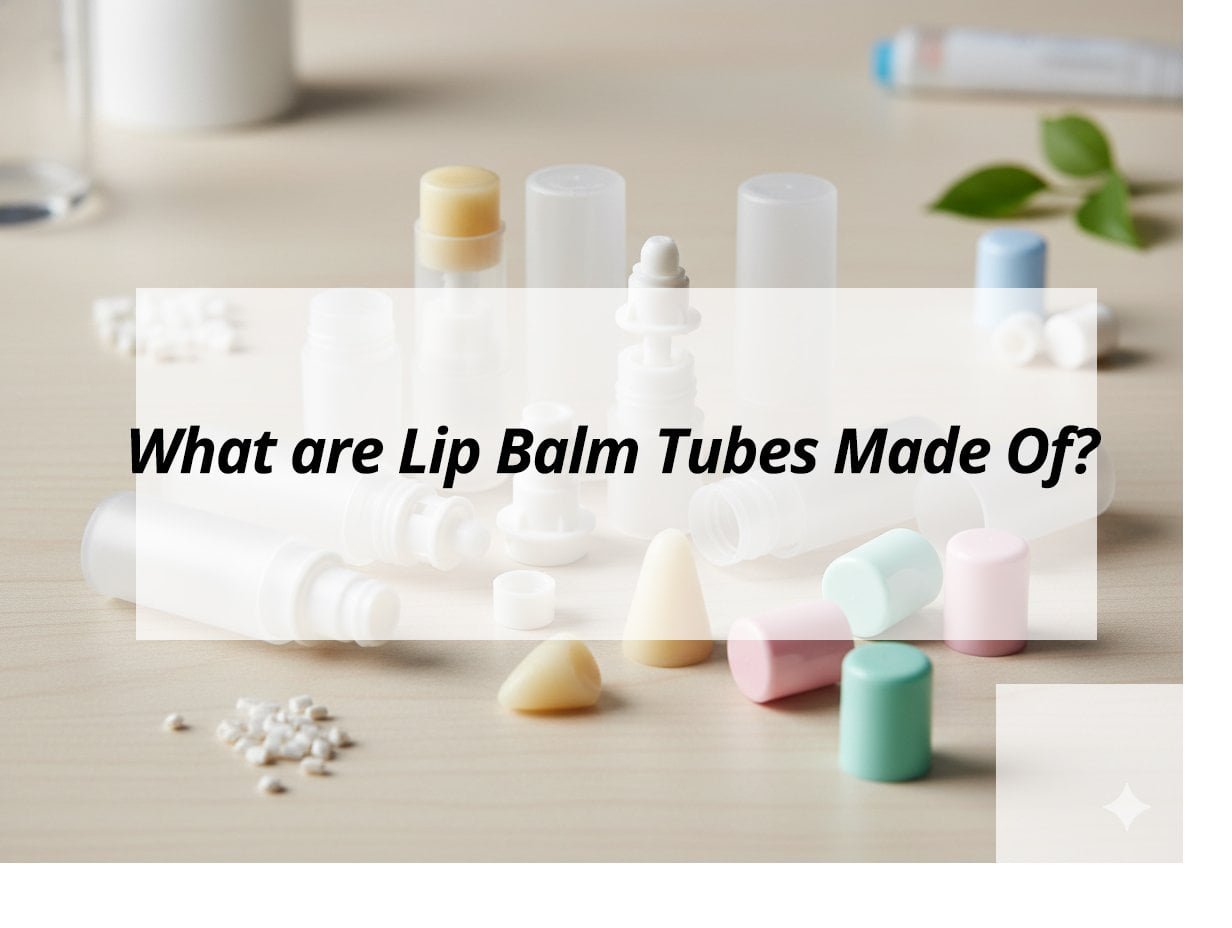
Most lip balm tubes are made from various types of plastic. However, other materials are also used. This article will explore the different materials.
Lip balm tubes are primarily manufactured from plastics such as polypropylene (PP) and polyethylene (PE). Eco-friendly alternatives like bamboo, cardboard, or plant-based materials are also common. The choice of material depends on factors like cost, durability, and environmental considerations.
The material chosen for lip balm tubes influences the product's feel and lifespan. Understanding these materials is key to comprehending cosmetic packaging.
Can I reuse lip balm tubes?
The possibility of reusing lip balm tubes is a common question. This inquiry often comes from a desire to reduce waste. It is an important aspect of sustainable practices.
Yes, reusing lip balm tubes is often possible, particularly if they are made from robust materials like certain plastics or metals. Thorough cleaning is essential to maintain hygiene. Proper cleaning prevents contamination from previous products.
Reusing packaging requires careful attention. Many individuals seek efficient and sustainable solutions for product containers. Reusing tubes aligns with these goals.
Why Reusing Matters
Reusing tubes benefits the environment. It reduces the need for new plastic production. This conserves energy and natural resources. It also decreases the amount of waste in landfills.
- Waste Reduction: Fewer tubes contribute to landfill waste.
- Resource Conservation: Less raw material is needed for new manufacturing.
- Environmental Benefit: It helps lower the overall carbon footprint.
How to Clean Lip Balm Tubes for Reuse
Effective cleaning is a critical step for reuse. Inadequate cleaning can lead to product cross-contamination. This can cause various issues with new lip balm.
| Step | Description |
|---|---|
| Emptying | Remove all remaining lip balm. Use a small tool like a spatula or cotton swab. |
| Washing | Wash the tube with warm, soapy water. Use a small brush to clean all internal parts. |
| Rinsing | Rinse the tube completely under running water. Ensure no soap residue remains. |
| Sanitizing | For enhanced cleanliness, use rubbing alcohol. Swirl it inside and allow to air dry. |
| Drying | Allow the tubes to air dry fully. Any moisture can affect new lip balm. |
While some tubes are suitable for reuse, others may be less durable. Thinner plastic tubes might be fragile. Sturdier tubes are generally more appropriate for repeated use.
What is the least toxic lip balm?
Many consumers inquire about the least toxic lip balm options. This concern is vital for both personal health and environmental impact. The safety of cosmetic products is a significant consideration.
The least toxic lip balm typically contains natural, food-grade ingredients such as beeswax, shea butter, cocoa butter, and various plant oils. These components are generally considered safe and gentle for the skin. They usually exclude synthetic chemicals and artificial fragrances.
Ingredient lists are a major focus for buyers of cosmetic products. They ensure the final product meets safety standards for consumers. This drives the demand for packaging suitable for natural formulations.
Key Ingredients to Look For
To identify a less toxic lip balm, examine the ingredient list. Simpler formulations are often preferred.
- Natural Butters: Shea butter, cocoa butter, and mango butter are excellent choices.
- Plant Oils: Jojoba oil, coconut oil, almond oil, and olive oil are beneficial.
- Waxes: Beeswax or candelilla wax provide a protective barrier. Candelilla wax is a vegan alternative.
- Essential Oils: Used for natural scent, but in minimal quantities due to potential sensitivities.
Packaging for Non-Toxic Lip Balms
Packaging also plays a role in the perception of natural products. Natural products often pair with natural packaging. This is where eco friendly lip balm tubes wholesale become relevant.
| Packaging Type | Benefits for Non-Toxic Lip Balms |
|---|---|
| Cardboard lip balm tubes | Biodegradable and compostable. Ideal for natural brands. |
| Bamboo Lip balm Tubes | Sustainable and renewable. Provides a premium, natural aesthetic. |
| Plant based lip balm tube | Made from materials like corn starch. Reduces plastic use. |
| Glass Jars | Recyclable and non-reactive. Can convey a high-end image. |
Demand for plastic-free lip balm tubes has increased significantly. Brands seek packaging solutions that align with their natural product claims. Eco friendly lip balm containers offer such solutions. This ensures consistency between product and packaging.
What ingredients to stay away from in lip balm?
Understanding which ingredients to avoid in lip balm is as crucial as knowing what to seek. Certain components can cause irritation or other adverse effects. Consumers should be informed about these ingredients.
It is advisable to avoid synthetic fragrances, artificial colors, parabens, and phthalates in lip balm. These ingredients can lead to allergic reactions, skin irritation, or other potential health concerns. Always review the product label carefully.
Cosmetic packaging choices often reflect the ingredient philosophy of brands. Companies prioritize quality and safety in their product formulations.
Common Problematic Ingredients
Here are some ingredients commonly avoided in lip balm products.
- Fragrance/Parfum: Often a blend of undisclosed chemicals. It can trigger allergies and irritation.
- Artificial Colors (e.g., CI 15850): Synthetic dyes that offer no functional benefit and can cause sensitivity.
- Parabens (e.g., Methylparaben, Propylparaben): Preservatives that have raised some health concerns in studies.
- Phthalates: Used to enhance plastic flexibility and present in some fragrances. They are associated with certain health issues.
- Petroleum Jelly/Mineral Oil (Petrolatum): A petroleum byproduct. While effective as a barrier, plant-based alternatives are often preferred.
- Phenol, Menthol, Salicylic Acid: These ingredients can be drying or irritating if used excessively, especially on sensitive lips.
Why Avoid These?
Avoiding these ingredients is a measure to protect skin health.
| Ingredient Type | Potential Issues |
|---|---|
| Synthetic Additives | Allergies, irritation, dryness, potential systemic concerns. |
| Harsh Chemicals | Can deplete natural skin oils, worsening chapped lips. |
| Irritants | May cause redness, itching, burning, or discomfort. |
When brands commit to clean ingredient lists, they often select packaging that supports this image. Options like a plant based lip balm tube are popular. This demonstrates a comprehensive commitment to natural and safe products.
What are lip gloss tubes made of?
The composition of lip gloss tubes differs from lip balm tubes. Their design must accommodate liquid formulations. This necessitates specific materials and structures.
Lip gloss tubes are primarily made from plastics such as PETG, AS, or ABS. These materials are selected for their clarity, durability, and chemical resistance to lip gloss ingredients. They typically incorporate an applicator, often made from soft silicone or flocked material.
Various types of cosmetic packaging are manufactured, with lip gloss tubes being a significant category. Reliable and aesthetically pleasing packaging is essential for cosmetic brands.
Common Materials for Lip Gloss Tubes
Material selection for lip gloss tubes is crucial. It impacts the product's appearance and functionality.
- PETG (Polyethylene Terephthalate Glycol): Highly clear, strong, and chemically resistant. Often used for premium lip gloss products.
- AS (Acrylonitrile Styrene): Clear but less impact-resistant than PETG. Suitable for general-purpose applications.
- ABS (Acrylonitrile Butadiene Styrene): Opaque and durable. Typically used for caps or outer casings, not the main tube due to lack of clarity.
- PP (Polypropylene): Used for caps and internal components. It is known for durability and cost-effectiveness.
Components of a Lip Gloss Tube
A lip gloss tube comprises several interdependent parts.
| Component | Material Typically Used | Function |
|---|---|---|
| Tube Body | PETG, AS | Contains the lip gloss. Requires high clarity. |
| Cap | ABS, PP, sometimes metal | Seals the tube and often secures the applicator. |
| Wiper/Reducer | LDPE (Low-Density Polyethylene) | Removes excess product from the applicator. |
| Applicator Wand | PP, ABS | The shaft connecting the applicator tip to the cap. |
| Applicator Tip | Flocked material, silicone | Applies the lip gloss to the lips. |
Customization options are available for lip gloss tubes. This can include specialized applicators or unique cap designs. Material choices are optimized for specific lip gloss formulas.
My Insights: What are Lip Balm Tubes Made Of?
Curious about what's inside your lip balm tube? Learn about the diverse materials used, from traditional plastics to eco-friendly options.
Lip balm tubes are commonly made from polypropylene, HDPE, and recycled plastics. Eco-friendly alternatives include biodegradable materials like PLA, cardboard, and bamboo. Premium choices feature aluminum or glass for a luxurious feel.
Exploring Lip Balm Tube Materials
Conventional Plastic Options
Most lip balm tubes use polypropylene due to its rigidity and chemical resistance, making it ideal for storing cosmetic formulations. HDPE is also popular, offering durability and flexibility.
Eco-Friendly and Innovative Materials
Sustainable options like cardboard, plant-based plastics, and bamboo are gaining traction for their minimal environmental impact. These materials provide compostable and recyclable alternatives to traditional plastics.
| Material | Description | Benefits |
|---|---|---|
| Polypropylene (PP) | Rigid and lightweight | Chemical resistance, widely used |
| HDPE | Durable and flexible | Compatible with various formulations |
| Cardboard | Biodegradable and compostable | Reduces plastic waste |
| Aluminum/Glass | Premium feel | Offers a luxury aesthetic |
| Plant-Based Plastics | Made from agricultural byproducts | Reduces reliance on petroleum-based plastics |
Embracing these diverse materials allows brands to cater to eco-conscious consumers while maintaining functionality and style.
Conclusion
Lip balm tubes are mostly plastic, but eco-friendly options are increasing. Tubes can be reused with proper cleaning. Opt for lip balms with natural ingredients, avoiding synthetic chemicals. Lip gloss tubes utilize different plastics for clarity and function.