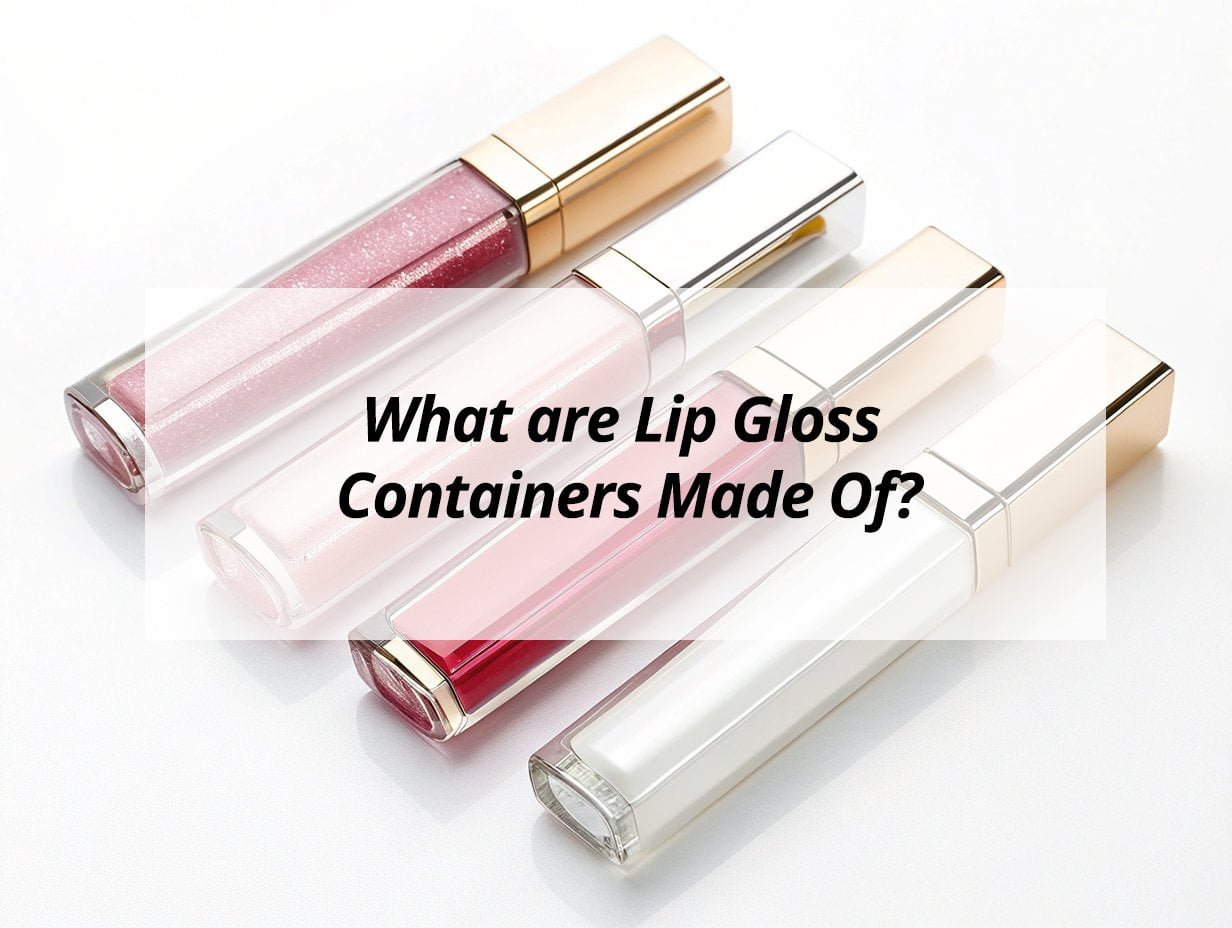
Lip gloss containers may seem simple, but their composition is crucial. Understanding these materials helps ensure product quality and sustainability.
Lip gloss containers are primarily made of various plastics, including PET (Polyethylene Terephthalate) and PP (Polypropylene). These materials provide the necessary durability and lightweight features while keeping production costs manageable. The choice of materials significantly impacts the recyclability and environmental footprint of the packaging, affecting how brands align with sustainable goals.
Selecting the right container material is essential. It influences not only the product's preservation but also aligns with sustainability goals. Explore further to understand the intricacies of lip gloss containers.
Are Lip Gloss Tubes Recyclable?
Lip gloss tubes contribute significantly to cosmetic waste. Understanding recycling options is vital for eco-conscious brands.
Most lip gloss tubes1, designed from PET or PP plastic, are recyclable. However, effective recycling depends on local facilities equipped to handle specific materials. PET is widely accepted due to its straightforward recycling process, while mixed materials may require specialized handling, complicating broad recycling efforts.
Exploring recycling options for lip gloss containers can reduce environmental impact. Not all plastics are the same, so knowing the types helps in making eco-friendly choices.
Exploring Recycling Processes
Recycling processes involve a detailed understanding of material types and the facilities available to manage them. By choosing recyclable materials2, brands contribute positively to sustainability efforts.
Key Considerations for Recycling
- Material Type: PET and PP are commonly used due to recyclability.
- Local Facilities: Check local recycling capabilities for specific materials.
- Sustainability Practices: Brands should promote recycling awareness.
| Material Type | Recyclable? | Local Availability | Sustainability Impact |
|---|---|---|---|
| PET | Yes | Widely available | High |
| PP | Yes | Moderate | Moderate |
| Mixed | Limited | Specialized | Low |
Choosing recyclable materials for lip gloss tubes helps brands meet eco-friendly goals and consumer expectations for sustainability.
What Animal Products Are in Lip Gloss?
Caring for animals means being aware of what goes into everyday cosmetics. Some lip glosses may contain unexpected ingredients.
While many lip glosses may contain animal-based ingredients3 like lanolin and beeswax, alternatives exist for those opting for vegan products. Lanolin provides moisturizing properties but is sourced from sheep wool, and beeswax, offering stability, comes from bees. Vegan options like plant oils and waxes are available and can substitute effectively without compromising performance.
Understanding the use of animal products in cosmetics helps in making ethical choices. Transparency by brands is essential for consumer trust4 in product formulation.
Navigating Ethical Choices
Ethical ingredient sourcing and formulation play critical roles in branding and consumer trust. Brands aiming for ethical standards must explore alternatives and clearly communicate their practices.
Common Ingredients and Alternatives:
- Lanolin: Known for its moisturizing capabilities, sourced from sheep, but can be replaced with plant oils.
- Beeswax: Provides structure, sourced from bees, but alternatives like carnauba wax serve vegan needs.
Educating consumers about ingredient origins and alternative choices enhances brand integrity and meets the increasing demand for cruelty-free options in the market.
What is Cosmetic Packaging Made Of?
Cosmetic packaging plays a crucial role in product presentation and preservation. It involves a variety of materials.
Cosmetic packaging materials vary widely, including plastics, glass, and metals, each serving distinct purposes. Plastics are versatile and cost-effective; glass offers a luxury feel and excellent protection, while metals provide durability and an upscale look. These choices impact product longevity, appeal, and the brand's market position.
Supporting durable and appealing designs means understanding the primary materials used in cosmetic packaging5. Consumers are drawn to unique packaging that also meets functional needs.
Decoding Material Benefits
Understanding the characteristics of packaging materials helps in crafting solutions that merge aesthetics with functionality, contributing to brand growth.
Material Analysis:
- Plastics: Lightweight and versatile, suitable for intricate designs.
- Glass: Provides an upscale look and strong protection against contaminants.
- Metal: Offers durability and a premium feel.
| Material | Advantages | Disadvantages |
|---|---|---|
| Plastic | Lightweight, cost-effective | Environmental impact |
| Glass | Premium look, strong | Heavier and fragile |
| Metal | Durable, luxurious | Costly, may corrode |
Exploring these material choices helps brands align packaging with product value and sustainability goals, crucial for wholesale buyers like Mary.
What to Do with an Empty Lip Gloss Container?
Empty lip gloss containers can pose a dilemma. Instead of discarding them, there are creative ways to repurpose.
Repurpose empty lip gloss tubes through DIY projects, recycling, or using them as travel containers. Creative reuse allows extending their lifecycle, contributing to environmental efforts and offering new usage ideas to consumers.
Encouraging consumers to find new uses for empty containers can prolong their lifecycle and inspire creative sustainability practices.
Innovative Repurposing Strategies
Finding new uses for empty containers not only aids sustainability but sparks creativity. Brands can enhance customer engagement by sharing repurposing ideas.
Creative Uses:
- Travel Kits: Perfect for storing small quantities, easy to clean, convenient for traveling.
- Craft Projects: Embrace creativity by transforming tubes into art, fostering community interaction.
- Jewelry Storage: Use sturdy tubes for organizing small items, practical and eco-friendly.
Engagement through sustainable practices strengthens brand-customer relationships and supports environmental goals, appealing to a market increasingly aware of ecological impacts.
My insights: Uncovering the Materials Behind Lip Gloss Containers
Wondering what materials make up your favorite lip gloss containers? Knowing the composition can help in choosing durable, sustainable, and stylish options for your cosmetics line.
Lip gloss containers typically use plastic, especially PET and acrylic, known for durability and clarity. Options include glass for a premium feel, metal accents, and sustainable materials6 like biodegradable or reusable designs, catering to eco-conscious consumers.
Exploring the Composition of Lip Gloss Containers: Materials and Uses
Understanding the materials in lip gloss containers can guide both brand selection and consumer choices:
Plastic:
PET and acrylic are common for their durability and clarity. Clear plastic enhances product visibility, making it ideal for showcasing tinted glosses.
Glass:
Used for its premium feel, glass offers a luxurious aesthetic, though it's heavier and more fragile.
Polypropylene:
Favored for flexibility and lightweight properties, making it suitable for squeezable containers.
Metal and Hybrid Materials:
Metal accents, usually in caps, add visual appeal and durability. Hybrid materials blend characteristics for enhanced functionality and unique designs.
| Material Type | Characteristics | Typical Use |
|---|---|---|
| Plastic (PET, Acrylic) | Durable, clear, lightweight | Standard containers for wide visibility |
| Glass | Premium feel, heavy, fragile | Luxury and high-end product lines |
| Polypropylene | Flexible, lightweight | Squeezable tubes |
| Metal Accents | Aesthetic, durable | Caps and decorative elements |
| Hybrid Materials | Combines benefits of multiple materials | Custom designs with unique textures |
Opt for compostable or reusable containers to appeal to eco-conscious consumers, ensuring your choices align with sustainability trends and safety standards.
Conclusion
Comprehending the material composition of lip gloss containers and exploring repurposing strategies enhances sustainability and packaging efficiency in the cosmetics industry.
-
Discover the recycling options for lip gloss tubes and how they impact the environment. ↩
-
Learn about the most effective recyclable materials to use in cosmetic products for sustainability. ↩
-
Get informed about animal-based ingredients in cosmetics and explore vegan alternatives. ↩
-
Understand the importance of transparency in ingredient sourcing to build consumer trust. ↩
-
Learn about the various materials used in cosmetic packaging and their benefits. ↩
-
Learn about sustainable materials that can be used in cosmetic packaging for eco-friendly products. ↩