Lip gloss products are widely used. Their packaging is a key part of their appeal. Understanding the materials used for lip gloss tubes is important for brands and consumers.
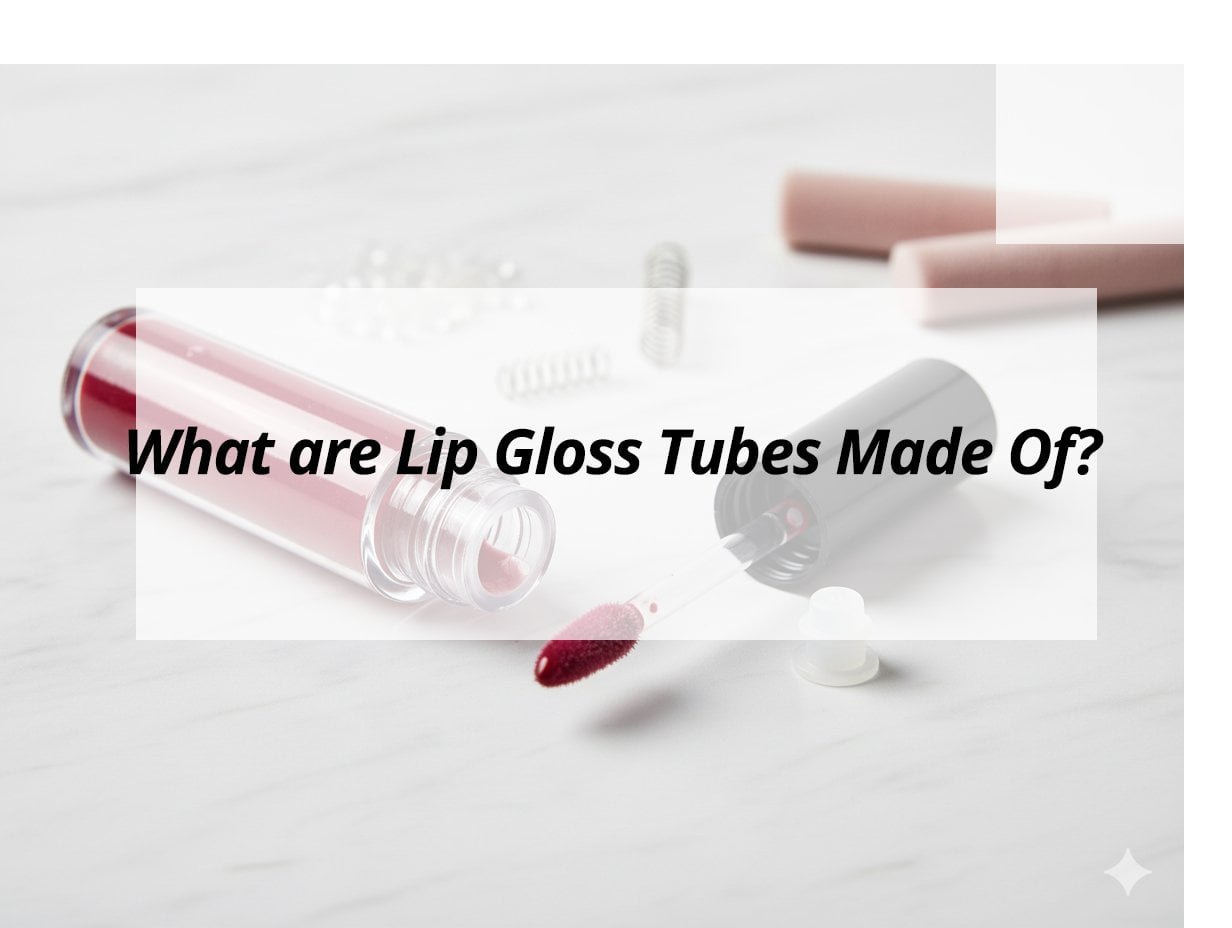
Lip gloss tubes are primarily manufactured from various plastics such as PETG, PP, and AS. Glass is also an option for a premium presentation. These materials are selected for their optical clarity, durability, and chemical compatibility with diverse lip gloss formulations. They must effectively protect the product and ensure consumer safety.
The selection of appropriate materials for lip gloss tubes is a critical decision. It influences both the product's visual presentation and its protective capabilities.
Are lip gloss tubes recyclable?
Recyclability is a growing concern in the packaging industry. Many individuals inquire about the environmental fate of their used cosmetic containers. Are lip gloss tubes recyclable? This question reflects increasing ecological awareness.
Many lip gloss tubes consist of recyclable plastics like PETG and PP. However, recycling challenges exist. These include the presence of mixed plastic types, the small physical size of the tubes, and residual product content. Consumers should consult local recycling guidelines and product labeling for accurate disposal instructions.
The design process for lip gloss tubes increasingly considers their end-of-life options. The demand for Eco friendly Lip Gloss tubes1 is rising. Balancing functionality with environmental responsibility is an ongoing effort.
Common Materials and Recycling Classifications
Different plastic types have varying recycling prospects.
- PETG (Polyethylene Terephthalate Glycol): This material is often chosen for its transparency. It is typically a recyclable plastic in many regions.
- PP (Polypropylene): Known for its robustness, PP is frequently used for closures and applicators. It is also generally considered recyclable.
- AS (Acrylonitrile Styrene): This plastic provides a high-gloss, glass-like appearance. Its recyclability is less widespread compared to PETG or PP.
Factors Hindering Lip Gloss Tube Recycling
Several issues can complicate the recycling process for lip gloss tubes.
- Material Composites: A single tube often integrates different plastic types for the body, cap, and applicator. Separating these materials for recycling is complex.
- Small Dimensions: Automated recycling machinery can struggle to sort small items efficiently, leading to their diversion to landfills.
- Product Residue: Any remaining lip gloss within the tube can contaminate batches of recyclable plastics. Cleaning tubes before disposal can improve their chances of being recycled.
Enhancing Packaging Recyclability
As a Lip Gloss tubes Vendor, manufacturers are addressing these challenges.
- Mono-material designs: Constructing tubes from a single type of plastic simplifies the recycling stream.
- Recycled Content Integration: Incorporating PCR (Post-Consumer Recycled) materials into new tubes reduces reliance on virgin plastics.
- Clear Labeling: Standardized recycling symbols and instructions on packaging assist consumers in proper sorting.
Brands often seek Custom Lip Gloss tubes with logo. They want these options to align with sustainability goals. Research into more environmentally conscious packaging solutions is ongoing.
What is whale sperm called in lip gloss?
This query often arises from historical context rather than current practice. What is whale sperm called in lip gloss? It refers to an ingredient once used in cosmetic formulations.
Historically, spermaceti, a waxy substance sourced from sperm whales, was incorporated into some cosmetic products. It provided desired texture and emollient properties. However, due to international whaling prohibitions and animal protection efforts, spermaceti is no longer utilized. Modern lip glosses employ ethical, sustainable alternatives such as plant-derived waxes, synthetic esters, or lanolin for similar functional benefits.
Clarifying outdated information about cosmetic ingredients is important. The contemporary cosmetic industry prioritizes ethically sourced and animal-free components.
Spermaceti: A Historical Perspective
Spermaceti played a role in older cosmetic formulas.
- Origin: It was obtained from the cranial cavity of sperm whales.
- Functionality: It contributed to a smooth, luxurious texture and enhanced product sheen.
- Cessation of Use: Global conservation efforts and legal restrictions on whaling led to its discontinuation in cosmetics.
The industry has successfully transitioned to alternative ingredients that deliver comparable performance without ecological impact.
Contemporary Alternatives for Texture and Luster
Today's lip gloss formulations rely on a range of ingredients for their sensory and visual properties.
- Plant-Based Waxes: Candelilla wax, carnauba wax, and sunflower wax are commonly used. They provide structural integrity and a glossy finish.
- Lanolin: Derived from sheep's wool, lanolin is an effective emollient. It helps retain moisture in lip products.
- Synthetic Esters: These engineered compounds impart slip and shine. Examples include various fatty acid esters.
These alternatives are widely available, safe, and allow for diverse product formulations.
Ethical Ingredient Sourcing
Consumer demand for ethical products drives ingredient selection.
- Cruelty-Free Status: Brands commit to not testing products or ingredients on animals.
- Vegan Formulations: Products are developed entirely free from animal-derived ingredients.
- Supply Chain Transparency: Companies increasingly provide information about the origin of their components.
Manufacturers of Wholesale Lip Gloss tubes note the increasing preference for packaging compatible with vegan and cruelty-free product lines.
What are cosmetic tubes made of?
Lip gloss tubes represent a specific category within broader cosmetic tubes. What are cosmetic tubes made of? The material composition varies significantly across product types.
Cosmetic tubes are primarily composed of various plastics, including polyethylene (PE), polypropylene (PP), and sophisticated multilayer laminates. Metals such as aluminum are also employed for certain specialized products. Material selection is based on the cosmetic product's formulation, its required barrier properties, and the desired tactile or aesthetic attributes.
The choice of tube material is dependent on the specific protective needs of the cosmetic product. A tube for a thick cream differs in composition from one designed for a thin serum.
Primary Materials for Cosmetic Tubes
Key materials commonly used in cosmetic tube manufacturing include:
- Polyethylene (PE): A very common and flexible plastic. It is available as HDPE (high-density polyethylene) for stiffer tubes and LDPE (low-density polyethylene) for softer, more squeezable tubes.
- Polypropylene (PP): This plastic is more rigid than PE. It offers good chemical resistance. PP is also widely used for caps and closures.
- Multilayer Laminates: These tubes feature multiple layers of different materials, often including plastic, aluminum, and various barrier films. This construction provides superior protection for sensitive formulas.
- Aluminum: This metal is chosen for products requiring high barrier protection against light, oxygen, and moisture. It is particularly used for certain high-end cosmetics and pharmaceutical ointments.
Material Selection for Product Specificity
The nature of the cosmetic product guides the choice of tube material.
- Barrier Properties: Ingredients sensitive to air or light necessitate tubes with robust barrier layers, such as multilayer laminates.
- Dispensing Functionality: Products like lotions require squeezable tubes (e.g., LDPE) for easy dispensing.
- Chemical Compatibility: The tube material must not interact negatively with the cosmetic formulation. Such interactions could alter the product or degrade the packaging.
- Visual and Tactile Appeal: Clear tubes (e.g., PETG) allow product visibility, while opaque tubes protect light-sensitive contents. The feel of the tube also contributes to the user experience.
Diverse Types of Cosmetic Tubes
The range of cosmetic tubes includes various functional designs.
- Squeeze Tubes: These are standard for creams, gels, and foundations.
- Airless Pump Tubes: These utilize a pump mechanism to dispense product without air exposure. They are ideal for oxygen-sensitive formulations and minimize product waste.
- Rollerball Applicator Tubes: Often seen with eye serums or fragrances, these tubes feature a rolling ball for precise product application.
As Lip Gloss Bottle manufacturers, the industry offers a broad spectrum of tube options. This ensures that diverse product needs are met with appropriate packaging solutions.
What animal products are in lip gloss?
This question is significant for consumers seeking ethical and vegan cosmetic options. What animal products are in lip gloss? The inclusion of animal-derived ingredients varies by product and brand.
Certain lip gloss formulations may contain animal products such as beeswax, carmine, or lanolin. Beeswax provides structural integrity and texture. Carmine is used for red colorants. Lanolin serves as an emollient. However, a growing number of brands now offer vegan alternatives. These utilize plant-based waxes, synthetic or mineral pigments, and plant-derived emollients to avoid animal-sourced ingredients.
The demand for vegan and cruelty-free cosmetics is a major trend. Consequently, many brands are reformulating products to exclude animal-derived components.
Common Animal-Derived Ingredients
Some animal products that might be found in lip gloss include:
- Beeswax (Cera Alba): Originating from beehives, this natural wax contributes to the lip gloss's consistency, thickness, and smooth application.
- Carmine (CI 75470): This red pigment is extracted from cochineal insects. It provides vibrant red and pink hues to cosmetic products.
- Lanolin: A waxy substance obtained from sheep's wool. It acts as a powerful emollient, helping to moisturize and prevent moisture loss from the lips.
- Glycerin: While frequently plant-derived, glycerin can occasionally be sourced from animal fats. Vegan-certified glycerin is widely available.
Vegan-Friendly Substitutions
For consumers who prefer to avoid animal products, numerous alternatives exist.
- Plant-Based Waxes: Candelilla wax, carnauba wax, and sunflower wax can effectively substitute beeswax, offering similar textural and stabilizing properties.
- Mineral and Synthetic Pigments: Iron oxides and mica are natural mineral pigments. Synthetic colorants can also create a full spectrum of shades without animal sources.
- Botanical Oils and Butters: Ingredients like shea butter, cocoa butter, and jojoba oil provide excellent moisturizing capabilities, serving as alternatives to lanolin.
- Synthetic Humectants: Compounds such as propylene glycol or hyaluronic acid can function as humectants, replacing animal-derived glycerin.
Consumers looking for vegan lip gloss should carefully review ingredient labels. Many brands clearly market their products as "vegan" or "cruelty-free."
My Insights: Materials Used in Lip Gloss Tubes
Curious about what your lip gloss tube is made of? Understanding the materials helps ensure product safety, durability, and sustainability, enhancing your cosmetic experience.
Lip gloss tubes are primarily made from plastics like PET, LDPE, and PP for durability and flexibility. Some high-end tubes use glass or metal for luxury appeal, while eco-friendly options incorporate bioplastics or recycled materials.
Analyzing the Components of Lip Gloss Tubes
Common Materials:
- Plastics: PET, PETG, PP, and LDPE are favored for being lightweight and resistant to lip gloss ingredients. They offer clear, colored, or opaque options for branding and protection.
- Luxury and Eco Options: Higher-end tubes might use glass for a premium feel, while metals like aluminum provide durability and light protection.
Sustainable Innovations:
- Bioplastics and PCR: Eco-conscious brands may utilize sugarcane-based plastics or post-consumer recycled materials.
- Innovation: Some products incorporate kraft paper or silicone for a modern, sustainable approach.
Applicators and Caps:
| Component | Material |
|---|---|
| Applicators | Made from plastic, synthetic fibers, or metal for cooling effects |
| Caps | Often crafted from plastic or metal, ensuring non-reactivity and safety |
Understanding these materials helps consumers make informed choices, balancing usability, safety standards, and environmental impact when selecting their next lip gloss.
Conclusion
Lip gloss tubes are primarily plastic, with recyclability varying by material. Modern formulas use ethical alternatives to animal products. Cosmetic tubes adapt material choices for diverse product needs.
-
Explore this link to discover sustainable packaging options that align with environmental goals. ↩