Lotion bottles are a common household item, but have you ever pondered their composition? With rising environmental concerns, knowing what's in these containers becomes vital for sustainable choices.
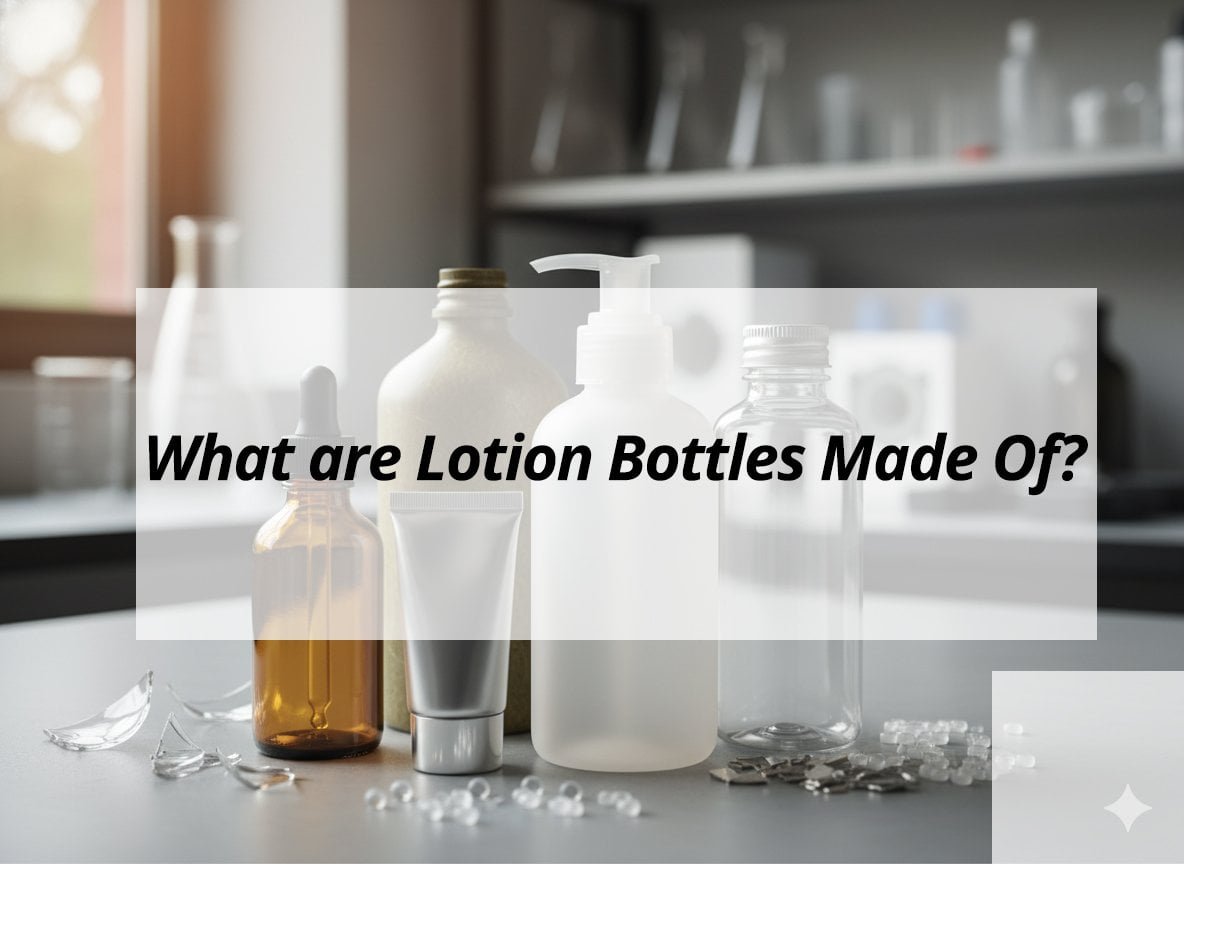
Lotion bottles are usually made of plastics like high-density polyethylene (HDPE) and polyethylene terephthalate (PET). These materials are selected for their robustness and recyclability, crucial for supporting eco-friendly practices and informed choices.
Understanding the materials used in lotion bottles is key to making environmentally conscious decisions. Let's delve into the specifics to comprehend their environmental impacts.
What type of plastic are lotion bottles made of?
Have you ever considered the exact types of plastics in the lotion bottles you use daily? It's more complex than it appears.
Lotion bottles are primarily constructed from HDPE and PET plastics, known for their strength and possibility for recycling. This composition ensures durability while facilitating environmentally responsible disposal.
Breaking Down the Plastics
Here's a closer look at the plastics commonly found in lotion bottles:
| Plastic Type | Characteristics & Advantages |
|---|---|
| HDPE (High-Density Polyethylene) | Characteristics: Toughness, chemical resistance. Advantages: Impact resistance, easily recyclable. |
| PET (Polyethylene Terephthalate) | Characteristics: Clear, lightweight. Advantages: Recyclable, reduces carbon footprint. |
| Polypropylene (PP) | Characteristics: Excellent heat resistance. Advantages: Fatigue strength, ensures longer lifespan without breakage. |
By understanding these materials, consumers can select products aligned with their environmental values and participate actively in sustainability.
Are body lotion bottles recyclable?
Recycling beauty product packaging often leads to confusion. So, are lotion bottles recyclable?
The majority of lotion bottles, especially those crafted from HDPE and PET, can indeed be recycled through conventional recycling systems. Ensuring they are thoroughly cleaned and sorted significantly enhances their recyclability.
Recycling Lotion Bottles
Recycling is an integral part of reducing environmental impact. Here's how you can contribute:
- Rinse Thoroughly: Ensure all lotion residue is removed to improve the recyclability of the material.
- Local Guidelines: Confirm with local recycling programs as they may have specific requirements or limitations.
- Component Separation: Detach any parts made from different materials, like caps, to streamline processing.
Active participation in recycling processes not only supports environmental sustainability but encourages companies to innovate better solutions.
Does lotion have animal products?
For those conscious of product ingredients, knowing what goes into lotions is essential.
Some lotions are formulated with animal-derived substances such as lanolin or beeswax, valued for their moisturizing effects. Examining product labels for vegan certifications helps find lotions free from animal products.
Understanding Ingredients in Lotions
Here's a breakdown of common animal-derived ingredients in lotions:
- Lanolin: Extracted from sheep’s wool, known for its ability to lock in moisture.
- Usage: Primarily used for its emollient properties.
- Beeswax: A frequent additive for its thickening properties and protective barriers it forms on the skin.
- Usage: Adds texture and moisture retention in formulations.
- Collagen: Sometimes derived from animal sources, it helps enhance skin's elasticity.
- Usage: Used in products targeting aging or skin firming.
For those pursuing cruelty-free or vegan lifestyles, selecting products with transparent ingredient lists is necessary for aligning with ethical standards.
How unhealthy are plastic bottles?
Concerns have circulated about the safety of plastics in packaging. How do these relate to health impacts?
Lotion bottles are typically safe, but concerns about chemical leaching exist. Ensuring that packaging aligns with health standards can mitigate potential risks.
Unpacking Plastic Health Concerns
Plastic-related health concerns requires clarity on certain issues:
| Concern Area | Issues & Benefits |
|---|---|
| Chemical Leach1 | Issues: Substances like BPA and phthalates. Effects: Potential hormonal disruptions. |
| Regulatory Compliance | Advantages: Ensures products meet safety protocols, reducing risk through standardization. |
| Material Alternatives | Benefits: Use of BPA-free or eco-friendly materials. Benefits: Reduces health risks, supports sustainability. |
By making informed choices regarding packaging materials, consumers can both safeguard their health and endorse environmentally conscious practices.
My insights: Exploring the Materials Used in Lotion Bottles
Curious about what makes lotion bottles sustainable or luxurious? Uncover the materials that shape our everyday skincare packaging.
Lotion bottles are primarily made from plastics like PET, HDPE, and PP, with glass used for premium options. Emerging materials include biodegradable and recycled plastics, enhancing sustainability and catering to diverse product needs.
Understanding the Composition of Lotion Bottles
Common Plastic Materials:
-
PET (Polyethylene Terephthalate):
- Features: Lightweight, clear, recyclable.
- Usage: Ideal for everyday lotions.
-
HDPE (High-Density Polyethylene):
- Attributes: Durable, chemically resistant, and opaque.
- Application: Suited for thicker creams.
-
PP (Polypropylene) and LDPE (Low-Density Polyethylene):
- Qualities: Flexibility, used in pumps and squeeze bottles.
Glass and Alternative Materials:
-
Glass:
- Benefits: Premium appeal, UV protection.
- Drawbacks: Heavier, fragile.
-
Emerging Eco-options:
- PCR (Post-Consumer Recycled Plastics): Reduces waste.
- Biodegradable Options2: Derived from corn, sugarcane.
- Metal Bottles: Provide light-blocking, less common.
Material Selection Considerations3:
- Product Needs: Material choice influenced by formulation sensitivity and packaging functionality.
Quick Reference Table:
| Material Type | Features and Benefits |
|---|---|
| PET | Lightweight, clear, recyclable |
| HDPE | Durable, chemically resistant, recyclable |
| PP/LDPE | Flexible, used in pumps and squeeze bottles |
| Glass | Premium, offers UV protection |
| Eco-options | Biodegradable and recycled materials |
Lotion bottles are crafted from a variety of materials to balance durability, aesthetics, and environmental impact, matching the diverse needs of skincare products.
Conclusion
Understanding lotion bottle materials empowers better choices for sustainability and health. Supporting eco-friendly packaging and being ingredient-aware helps in creating a greener future.