Are you a cosmetic brand owner or buyer worried about environmental impact? Choosing sustainable containers is essential. It affects your brand's image and the planet's health.
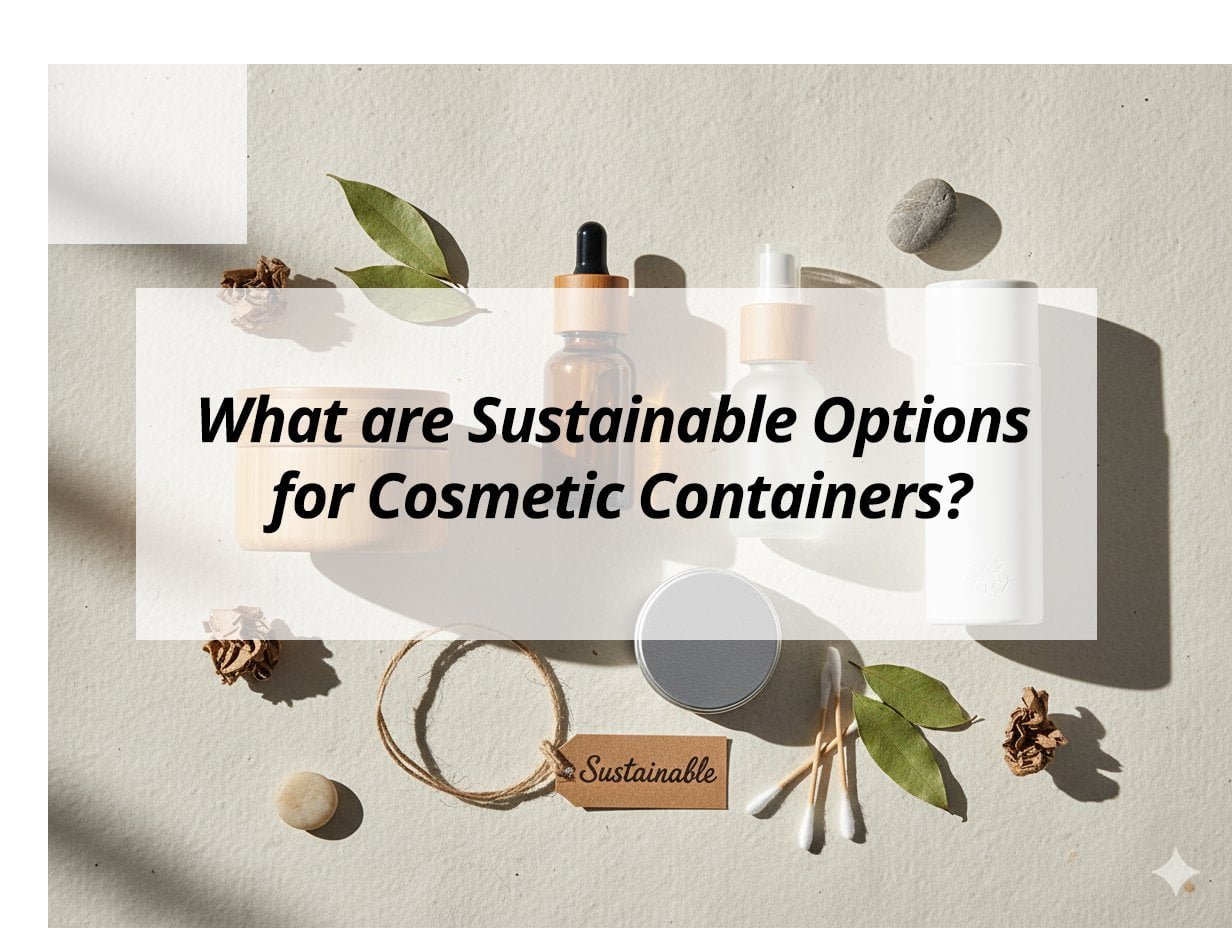
Sustainable options for cosmetic containers include post-consumer recycled (PCR) plastics, glass, aluminum, and refillable systems. These materials reduce virgin resource use and waste. Biodegradable and compostable alternatives are also emerging. The best choice depends on your product and supply chain.
Understanding these options helps you make responsible choices. It supports a greener future for cosmetic packaging.
What is the Most Eco-Friendly Packaging for Cosmetics?
Defining the "most eco-friendly" packaging for cosmetics is complex. There is no single perfect solution. The best choice depends on various factors. These include material sourcing, manufacturing energy, transportation, and end-of-life management.
However, certain materials and strategies consistently rank high in sustainability. These options focus on minimizing environmental impact throughout the entire product lifecycle. They reduce waste, conserve resources, and lower carbon footprints.
What Makes Packaging Eco-Friendly?
Several key principles determine if packaging is eco-friendly.
- Reduced Material Use: Less material means less resource extraction and less waste. This includes lightweighting and using concentrated formulas.
- Recycled Content: Using post-consumer recycled (PCR) or post-industrial recycled (PIR) materials reduces demand for new resources. It also diverts waste from landfills.
- Recyclability: The packaging can be collected and processed into new materials. This closes the loop and conserves resources.
- Reusability: Packaging designed for multiple uses or refills significantly cuts down on single-use waste.
- Biodegradability/Compostability: Materials that break down naturally into benign substances. This reduces landfill burden, but proper infrastructure is key.
- Renewable Resources: Materials sourced from plants or other rapidly renewable sources. This reduces reliance on fossil fuels.
For instance, a glass jar might seem heavy. But its high recyclability makes it eco-friendly if recycled. A lightweight plastic tube made from PCR plastic can also be highly sustainable.
Top Eco-Friendly Material Choices
- Post-Consumer Recycled (PCR) Plastics: These are plastics made from recycled consumer waste. They reduce the need for virgin plastic. Common types include PCR PET, PCR HDPE, and PCR PP.
- Glass: Highly recyclable and inert. It offers a premium feel. Its main drawback is weight and fragility, impacting transport emissions.
- Aluminum: Infinitely recyclable and lightweight. It provides an excellent barrier. It is often used for tubes and tins.
- Bamboo and Wood: Renewable resources. They are often used for caps, outer cases, or secondary packaging. They are biodegradable if untreated.
- Paper and Cardboard (FSC Certified): Sourced from sustainably managed forests. They are recyclable and biodegradable. Primarily for secondary packaging, but innovations allow primary use.
I recall a project where we helped a brand switch their lotion bottles from virgin plastic to 100% PCR HDPE. This change alone cut their carbon emissions for packaging by a significant amount. The quality and feel of the bottle remained excellent.
The Role of Refillable Systems
Refillable packaging is a standout eco-friendly option.
- Significant Waste Reduction: It keeps primary packaging in use longer. Consumers buy smaller, less resource-intensive refills.
- Examples: Refillable compacts, lipstick cases, and large format skincare jars.
| Eco-Friendly Material | Key Advantages | Considerations | Typical Use Cases |
|---|---|---|---|
| PCR Plastics | Reduces virgin plastic, lightweight | Recycling infrastructure needed | Tubes, bottles, jars |
| Glass | Highly recyclable, inert, premium feel | Heavy, fragile, higher transport impact | Serums, creams, perfumes |
| Aluminum | Infinitely recyclable, lightweight, barrier | Energy-intensive primary production | Tubes, tins, spray cans |
| Bamboo/Wood | Renewable, biodegradable | Durability, treatment for moisture | Caps, outer shells, compacts |
| Paper/Cardboard | Recyclable, biodegradable, renewable | Barrier needs for primary packaging | Boxes, secondary packaging, new primary |
Ultimately, the most eco-friendly choice balances material properties, supply chain logistics, and consumer behavior.
What are the Sustainable Options for Packaging?
The drive for sustainable packaging in cosmetics is growing. Many options exist beyond traditional materials. These focus on reducing environmental harm. They promote circular economy principles. This means designing waste out of the system.
Sustainable options encompass a broad range of strategies and materials. They aim to minimize resource depletion, pollution, and waste generation. These options are becoming more accessible and crucial for brands.
What are Material-Based Sustainable Options?
- Bio-based Plastics: Plastics made from renewable biomass sources. Examples include PLA (Polylactic Acid) from corn starch or sugarcane. They reduce reliance on fossil fuels.
- Ocean-Bound Plastic (OBP): Plastics collected from coastal areas. These are at risk of entering the ocean. Using OBP helps clean up the environment and creates new products.
- Mon-Materials: Packaging made from a single type of plastic (e.g., 100% PE). This simplifies recycling compared to multi-layer packaging.
- Glass and Aluminum (Recycled Content): Even better than virgin glass or aluminum is using those with high recycled content. This saves significant energy in production.
For example, a shampoo bottle made from a single type of PE is easier to recycle. A multi-layered bottle might be impossible to recycle because the layers cannot be separated.
What are Design-Based Sustainable Options?
- Lightweighting: Reducing the weight of packaging without compromising performance. This cuts down on material use and transportation emissions.
- Compact Design: Creating smaller, more efficient packaging. This also reduces material and shipping volume.
- Refillable and Reusable Systems: As discussed, these dramatically reduce the need for new packaging.
- Waterless Formulas: Formulating products without water allows for concentrated forms. These need smaller packaging. Sometimes they use solid formats like shampoo bars. This also eliminates plastic bottles entirely.
I worked with a brand creating a solid facial cleanser. This allowed them to use a small, recyclable cardboard box instead of a plastic bottle. This innovative design greatly enhanced their sustainability profile.
What are System-Based Sustainable Options?
- Circular Economy Models: Designing packaging to be reused, repaired, or recycled repeatedly. This keeps materials in use for as long as possible.
- Closed-Loop Recycling: Ensuring materials collected are reprocessed into new packaging for the same product category.
- Extended Producer Responsibility (EPR): Programs where brands take responsibility for the entire lifecycle of their packaging. This includes collection and recycling.
| Sustainable Option Category | Key Examples | Environmental Impact Reduced |
|---|---|---|
| Materials | PCR Plastics, Bio-based Plastics, OBP | Virgin resource depletion, waste |
| Design | Lightweighting, Refillable, Waterless | Material use, transport emissions |
| Systems | Circular Economy, Closed-Loop Recycling | Waste generation, resource loss |
Adopting these options requires careful planning. It involves collaboration across the supply chain.
What are the 7 R's of Sustainable Packaging?
The "7 R's of sustainable packaging" provide a comprehensive framework. They guide companies toward more environmentally responsible packaging choices. This framework expands on the traditional "Reduce, Reuse, Recycle." It adds more strategic considerations.
These 7 R's help brands think holistically about packaging design, material selection, and end-of-life solutions. They are a valuable tool for developing a robust sustainability strategy.
What are the Original 3 R's?
- Reduce: Minimize the amount of packaging material used. This is often the most impactful R. It involves lightweighting, optimizing design, and eliminating unnecessary layers. Less material means less resource extraction and less waste.
- Reuse: Design packaging to be used multiple times for its original purpose. This includes refillable systems or containers consumers keep. This significantly extends the life of packaging.
- Recycle: Ensure packaging can be collected and processed into new materials. This prevents waste from going to landfill. It also reduces the need for virgin resources.
I remember a client who initially focused only on recycling. We then explored reducing their bottle thickness by 10%. This small change saved tons of plastic annually. It showed them the power of "Reduce."
What are the Additional 4 R's?
- Remove: Eliminate packaging components that are not essential. This could mean removing plastic inserts or excessive layers. It simplifies packaging and reduces waste.
- Renew: Use materials made from renewable resources1. This includes plant-based plastics, bamboo, or sustainably sourced paper. This reduces reliance on fossil fuels.
- Revenue: Focus on creating packaging that generates value through recovery and recycling. This means designing for high-quality recyclability. It can also mean using materials that have a market value after use.
- Read (or Report): Be transparent about packaging materials, their origin, and their end-of-life options. Educate consumers on how to dispose of packaging properly. This empowers consumers to make sustainable choices.
| 7 R's Principle | Core Action | Example in Cosmetic Packaging |
|---|---|---|
| Reduce | Minimize material usage | Lightweighting bottles, removing excess caps |
| Reuse | Design for multiple uses | Refillable cream jars, durable lipstick cases |
| Recycle | Enable reprocessing into new materials | Using mono-material plastic tubes |
| Remove | Eliminate non-essential components | Packaging without plastic windows |
| Renew | Utilize renewable resources | Bamboo caps, bio-based plastic bottles |
| Revenue | Design for recoverable value | Highly sorted, valuable PCR plastics |
| Read/Report | Educate consumers, provide transparency | Clear recycling instructions on packaging |
These 7 R's offer a comprehensive roadmap. They guide brands in developing truly sustainable packaging strategies2.
What is an Eco-Friendly Alternative to Plastic Wrap?
Plastic wrap, or shrink wrap, is common for secondary or tertiary cosmetic packaging. It creates unitizing and protection. However, it is often single-use and difficult to recycle. Finding eco-friendly alternatives3 is a growing concern.
Many sustainable options can replace traditional plastic wrap. These alternatives focus on reducing plastic waste. They often use renewable, recyclable, or reusable materials. The best alternative depends on the specific application and protective needs.
What are Material Alternatives?
- Paper-based Wraps: Recyclable paper or cardboard sleeves and bands can replace plastic wrap. They provide basic bundling. They are also printable for branding.
- Molded Pulp: Made from recycled paper or other fibers. It can create custom trays or inserts. These hold products securely without plastic film.
- Compostable Films: Films made from plant-based bioplastics (e.g., PLA or cellulose). They offer similar properties to plastic wrap. They are designed to break down in composting facilities.
- Beeswax Wraps: A reusable, natural alternative for some small, individual items. Not common for large-scale industrial use.
For larger shipments, I have seen brands use paper banding instead of plastic shrink wrap to bundle product boxes on a pallet. This simple switch significantly reduces plastic waste.
What are Reusable Alternatives?
- Reusable Totes/Containers: For internal logistics or closed-loop supply chains. Products are shipped in durable, reusable containers4. These are then returned for refilling or reuse.
- Fabric Wraps/Bags: For gift sets or premium products. Reusable fabric wraps or bags can replace plastic film. They add a luxurious, sustainable touch.
A beauty subscription box might use a reusable fabric pouch instead of plastic wrap for individual items. This elevates the unboxing experience. It also aligns with sustainability goals.
What are Design and System Alternatives?
- Optimized Box Design: Designing master cartons to hold products snugly. This eliminates the need for additional internal wrapping.
- Strap/Banding Systems: Using recyclable plastic or paper straps for bundling. These are more easily sorted and recycled than stretch film.
- Pallet Wraps from PCR Content: If plastic stretch wrap is unavoidable, using wrap made from post-consumer recycled content is a better choice.
- Shrink Wrap Alternatives: Some specialized films are available that are recyclable through specific streams or are made from renewable resources.
| Alternative to Plastic Wrap | Description | Key Benefit | Application for Cosmetics |
|---|---|---|---|
| Paperboard Sleeves | Recyclable paper that bundles products | Plastic reduction, branding | Multi-packs, individual product protection |
| Molded Pulp Inserts | Custom-fit inserts from recycled fibers | Secure holding, sustainable | Fragile items, gift sets |
| Compostable Films | Plant-based films that decompose | Biodegradable, similar function | Individual product wrapping (if industrial compost available) |
| Reusable Totes | Durable containers for closed-loop systems | Eliminates single-use waste | B2B transport, internal logistics |
| Optimized Cartons | Custom box designs that secure products | Eliminates internal wrapping | Primary/secondary packaging bundling |
The choice of alternative depends on the level of protection needed. It also depends on logistical requirements.
My insights: Eco-Friendly Cosmetic Containers for a Greener Future
Want to reduce your environmental impact with your cosmetic packaging? Explore sustainable options that align with eco-friendly practices.
Sustainable cosmetic containers include refillable options, biodegradable materials like bamboo, and recyclable solutions such as glass and recycled plastics. These materials reduce environmental impact while maintaining product integrity and appeal.
Innovations in Sustainable Cosmetic Packaging
Key Materials:
- Glass: Fully recyclable and reusable, glass provides an elegant, sustainable option, although it is heavier for transport.
- PCR Plastic: Utilizes recycled content, significantly reducing the reliance on virgin plastics.
- Bamboo: Offers a biodegradable and renewable choice, providing a natural look for jars and caps.
Innovative Alternatives:
- Biopolymers: Derived from plants like sugarcane, these materials are biodegradable, perfect for tubes and jars.
- Aluminum/Metal: Infinitely recyclable and energy-efficient, suitable for durable packaging needs.
- Paperboard/Cardboard: Used for outer packaging, these materials are both recyclable and compostable.
Design Strategies:
| Strategy | Benefit |
|---|---|
| Refillable Systems | Extend container life and reduce waste. |
| Mixing Materials | Combining glass with cork lids enhances sustainability and design appeal. |
These innovations reflect a shift towards more sustainable practices in the cosmetic industry, helping brands meet increasing consumer demand for eco-friendly packaging.
Conclusion
Sustainable cosmetic container options include PCR plastics, glass, aluminum, and refillable systems. These align with the 7 R's framework, which emphasizes reducing and reusing. Eco-friendly alternatives to plastic wrap range from paper-based solutions to reusable totes.
-
Explore how using renewable resources can help reduce reliance on fossil fuels in packaging. ↩
-
Explore various strategies for developing sustainable packaging that minimizes environmental impact. ↩
-
Discover various sustainable options that can effectively replace plastic wrap and reduce waste. ↩
-
Discover how reusable containers can minimize waste and enhance sustainability in logistics. ↩