
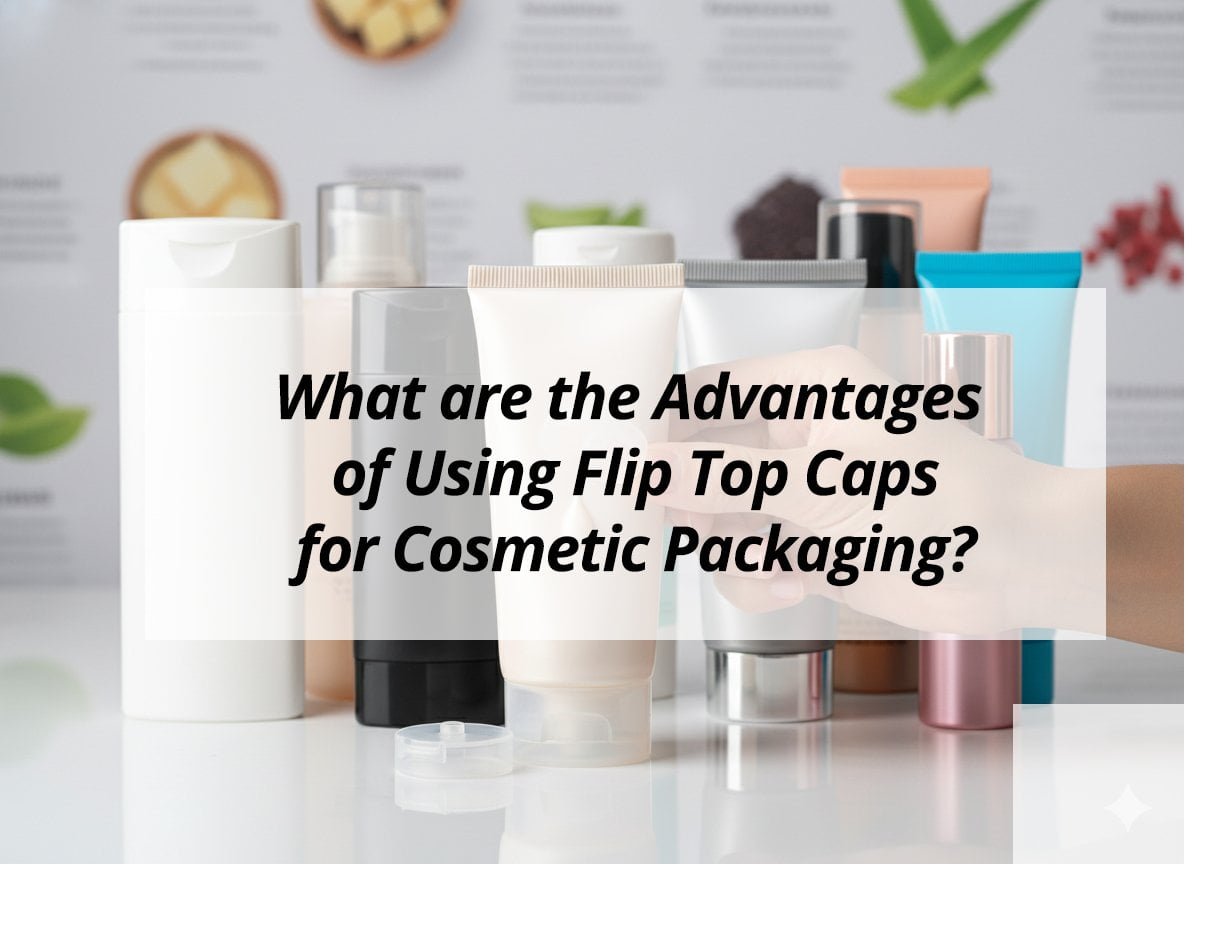
Finding the right packaging for cosmetics is crucial. Flip top caps offer practicality and appeal, making products user-friendly.
Flip top caps provide ease of use, one-handed operation, and a secure seal that prevents leakage and contamination. These features enhance user convenience and protect product integrity, making them an ideal choice for cosmetic packaging. Their practical design benefits both consumers and brands by ensuring product safety and customer satisfaction.
Understanding the benefits of flip top caps can help in making informed packaging choices that enhance customer satisfaction and brand image.
What are flip top caps?
Flip top caps1 are essential for modern cosmetic packaging, blending functionality with elegance.
Flip top caps are designed to provide a user-friendly, one-handed operation2, ensuring quick and easy access to the contents while maintaining a tight seal to prevent leakage. This makes them ideal for various cosmetic products, enhancing user experience.
Their simple yet effective design has made them a popular choice, but there is more to explore about these versatile caps.
Exploring Flip Top Cap Design
Discover what makes flip top caps a preferred choice in the industry:
Key Features
-
Ease of Use: Allows for quick access without removing the cap entirely, which is especially beneficial for on-the-go usage.
-
Secure Seal: The flip mechanism ensures a tight closure, reducing the risk of spills and contamination.
-
Versatility: Suitable for a wide range of products, from shampoos to lotions, offering a consistent aesthetic.
Benefits for Brands
-
Increased Customer Satisfaction: Providing ease of use encourages repeat purchases.
-
Brand Differentiation: Unique design elements in flip top caps can make products stand out on the shelf.
-
Sustainability Potential: Many flip top caps are designed to be recyclable, aligning with eco-friendly initiatives.
Advantages
-
One-handed Operation: Enhances user convenience and speed, making products accessible without fuss.
-
Leak Prevention: Maintains product integrity, ensuring that formulas remain effective and secure.
-
Design Versatility: Enhances packaging appeal, offering flexibility for various product lines and brand aesthetics.
By understanding these features, you can better appreciate how they can benefit your cosmetic packaging needs.
What is the difference between screw cap and flip top cap?
Choosing the right cap involves evaluating functionality and user experience.
Screw caps require twisting to open and close, offering a traditional seal, while flip top caps provide quicker access with a hinged top. The main difference lies in user convenience and application speed, with flip top caps often preferred for their ease and efficiency.
Each type of cap serves different needs. Let's explore their unique characteristics and how they contribute to packaging effectiveness.
Comparing Cap Types
Understanding the distinctions helps in choosing the appropriate packaging solution:
Screw Caps
-
Traditional Seal: Provides a secure closure through twisting, which can be more robust for certain product types.
-
Comprehensive Closure: Often used for products requiring airtight seals, such as volatile creams or serums.
Flip Top Caps
-
Quick Access: The flip mechanism offers immediate access, making it ideal for frequently used products like body washes and shampoos.
-
User Convenience: Facilitates one-handed operation2, enhancing user experience with everyday items.
Application and Benefits
-
Product Suitability: Flip tops excel for daily use products, while screw caps work well for preservation and security.
-
Cost Considerations: Depending on material and design complexity, flip tops may offer cost benefits through ease of production and customer preference.
| Cap Type | User Experience | Applications |
|---|---|---|
| Screw Cap | Requires full removal for access | Best for products needing a tight seal |
| Flip Top | Quick access through a hinged lid | Ideal for on-the-go products |
Both types of caps play vital roles in cosmetic packaging, serving unique purposes based on consumer needs.
What is the point of tethered bottle caps?
Tethered bottle caps are gaining attention in the packaging world for environmental reasons.
Tethered bottle caps are designed to remain attached to the bottle, reducing litter and ensuring the cap is recycled with the bottle. This innovative approach enhances environmental responsibility and complies with eco-focused regulations.
As sustainability becomes more crucial, it's important to understand how tethered caps fit into the broader ecological goals.
Tethered Bottle Caps
Unpacking the significance of tethered caps reveals their impact on sustainability:
Environmental Benefits
-
Reduction in Litter: Ensures caps stay with their containers, minimizing loose waste and pollution.
-
Recycling Compliance: Encourages comprehensive recycling by keeping caps attached during disposal, supporting a circular economy.
Regulatory Alignment
- Supporting Regulations: Aligns with environmental legislation, such as the EU directive on single-use plastics, that requires tethered caps to minimize plastic pollution.
Consumer and Brand Perception
-
Enhancing Brand Image: Reflects a commitment to sustainability, positively influencing consumer preference and brand loyalty.
-
Cost Implications: Implementation of tethered caps may initially increase costs but offers long-term savings in regulatory compliance and increased consumer trust.
| Benefit | Explanation |
|---|---|
| Litter Reduction | Caps remain attached to bottles, curbing loose waste |
| Regulatory Support | Meets specific eco-friendly guidelines |
| Consumer Appeal | Enhances brand sustainability image |
Tethered caps embody a step toward a more sustainable future in cosmetic packaging, benefiting both the planet and brand reputation.
What is a flip top lid?
Flip top lids might seem straightforward, but there's more to their design and utility.
A flip top lid is a hinged closure that allows easy access to a product while providing a secure seal. Its design offers convenience, reducing the effort required to open and reseal, making it perfect for everyday use in cosmetic packaging.
This simple yet effective design element plays a critical role in packaging, contributing to product usability and aesthetic appeal.
Flip Top Lid Design
Understanding the efficacy of flip top lid3s involves considering design and functional aspects:
User-Friendly Design
-
Easy Operation: The hinged mechanism allows simple, effortless access, enhancing user interaction without the need for complex instructions.
-
Secure Closure: Ensures contents remain protected from external contaminants, preserving product quality and user safety.
Application Versatility
-
Versatile Usage: Suitable for various products like shampoos, lotions, and creams, offering consistent usability and consumer satisfaction.
-
Aesthetic Appeal: Enhances the visual appeal of packaging, aligning with brand aesthetics and marketing strategies.
Benefits to Customers
-
Enhanced Experience: Provides ease of use, particularly when precision and speed matter, making everyday routines seamless.
-
Customer Convenience: Ideal for products used frequently, ensuring a positive user experience with each application, leading to customer loyalty.
-
User Convenience: Simplifies access and resealing, making handling intuitive and reducing effort.
-
Protection: Maintains product integrity and freshness, ensuring safety and satisfaction.
-
Visual Appeal: Adds to the packaging aesthetic, making products more attractive and aligned with brand identity.
Flip top lids blend functionality with design, proving indispensable in a variety of cosmetic packaging scenarios.
My insights: Advantages of Flip Top Caps for Cosmetic Packaging
Struggling with messy and inconvenient cosmetic packaging? Flip top caps offer ease and hygiene for a seamless user experience.
Flip top caps provide one-handed convenience, secure sealing, and controlled dispensing for cosmetics. They enhance user experience by preventing leaks and spills, minimizing contamination, and supporting product preservation through limited air exposure.
Exploring Advantages of Flip Top Caps
User Convenience and Practicality:
Flip top caps allow quick, one-handed access, making them ideal for on-the-go usage. Their ease of use streamlines daily routines, enhancing satisfaction with controlled product dispensing and reduced risk of spills.
Product Protection and Sustainability:
These caps securely seal products, preventing leaks and limiting exposure to contaminants. Made from durable materials4 such as polypropylene, they resist degradation and support eco-friendly branding through potential integration with sustainable materials.
Customization and Branding:
Flip top caps offer extensive customization options5, including color and design variations, that help differentiate brands. Techniques like embossing enhance visual and tactile appeal, reinforcing brand identity.
Versatile Applications:
Suitable for various products such as lotions and shampoos, flip top caps ensure durability and reliable performance across formats. Their versatility makes them essential for maintaining product integrity and customer satisfaction.
Comparison Table
| Feature | Benefit |
|---|---|
| User Convenience | One-handed access |
| Product Protection | Leak prevention, minimal contamination |
| Customization | Enhanced branding and differentiation |
| Versatility | Suitable for various cosmetic types |
Flip top caps are a practical choice, providing convenience, protection, and customization, all while supporting sustainable practices in cosmetic packaging.
Conclusion
Flip top caps provide exceptional user convenience, leak prevention, and an eco-friendly design, making them an ideal choice for cosmetic packaging solutions.
-
Explore the unique features and benefits of flip top caps that enhance user experience and product integrity. ↩
-
Discover how one-handed operation enhances convenience and user experience in daily routines. ↩ ↩
-
Learn about the functionality and benefits of flip top lids in cosmetic packaging. ↩
-
Learn about the materials that ensure product protection and sustainability in packaging. ↩
-
Explore how customization can enhance brand identity and attract consumers. ↩