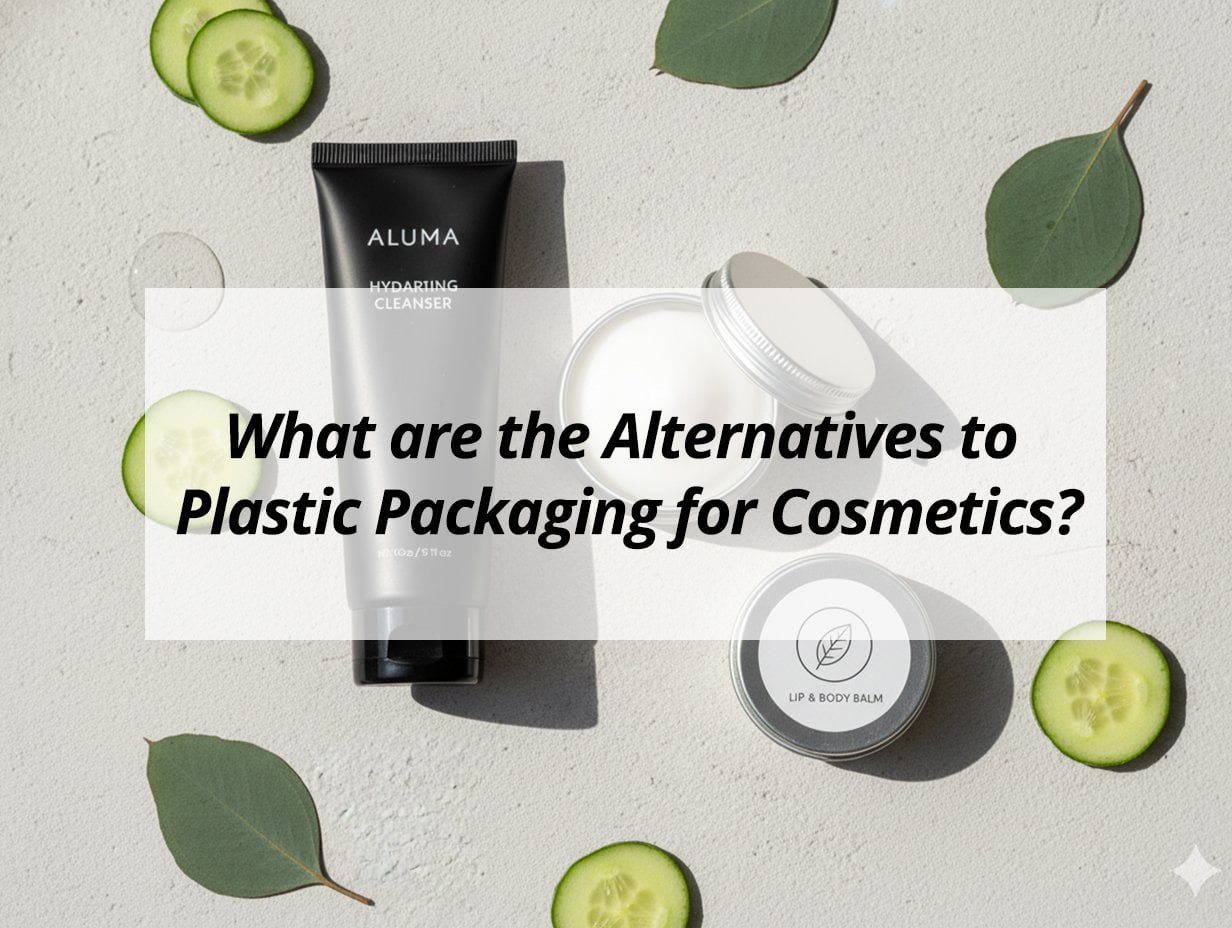
Plastic packaging is a growing concern, putting our planet at risk. As consumers become more eco-conscious, brands must seek sustainable alternatives to thrive.
Switching to sustainable packaging reduces environmental impact and elevates your brand as an eco-friendly leader. Opt for biodegradable and recyclable materials, which meet the growing demand for green solutions in cosmetics, showcasing your commitment to sustainability while attracting eco-conscious consumers.
This article explores innovative, sustainable packaging options, helping you make informed, responsible choices for your brand and customers.
What can be used instead of plastic packaging?
The environmental impact of plastic is a pressing issue. Customers are calling for change, demanding brands adopt sustainable practices1.
Glass, metal, and paper-based materials offer durable, aesthetically pleasing alternatives to plastic packaging. These materials provide eco-friendly options2 that ensure the safety and integrity of cosmetic products while reducing environmental harm.
Choosing the right materials requires understanding their unique properties. Here’s a closer look:
Glass
Glass is a premium option for cosmetic packaging due to its aesthetic appeal and recyclability.
- Pros: Non-reactive with products, fully recyclable, visually appealing.
- Cons: Heavy, fragile, higher shipping costs.
Metal
Metal offers durability and a sophisticated look.
- Pros: Recyclable, durable, high-end appearance.
- Cons: Can react with certain contents, costlier.
Paper-Based Solutions
Paper-based products are lightweight and have customizable options.
- Pros: Recyclable, eco-friendly, easy to brand.
- Cons: Requires coatings for moisture resistance, less durable.
Aligning material choice with brand values and product needs ensures sustainability and market appeal.
What is the best alternative to plastic containers?
Finding the perfect substitute for plastic containers requires assessing functionality, aesthetics, and sustainability. Consumers are transitioning towards eco-friendly solutions.
Biodegradable materials such as PLA (polylactic acid) and sugarcane-based packaging3 serve as excellent alternatives, offering environmental benefits without compromising functionality or aesthetics.
Understanding these alternative materials requires analyzing key traits:
Biodegradable Materials Comparison
| Material | Pros | Cons |
|---|---|---|
| PLA (Polylactic Acid) | Compostable, sustainable source | Needs specific conditions, less heat-resistant |
| Sugarcane-Based | Biodegradable, renewable | Availability and cost may fluctuate |
Plant-Based Options
Cornstarch packaging is also gaining traction:
- Pros: Non-toxic, renewable, easily breaks down.
- Cons: Less durable in heat and moisture.
These materials represent the forefront of sustainable packaging, ensuring environmental responsibility and customer satisfaction.
What is the best alternative to plastic wrap?
Plastic wrap contributes significantly to waste. Finding static-free, eco-friendly alternatives is imperative.
Options like beeswax wraps, silicone sheets, and paper-based wraps provide eco-friendly solutions, enhancing sustainability while ensuring product safety. These alternatives meet consumer demand for responsible packaging.
Exploring these alternatives offers sustainable options to replace traditional plastic wrap:
Wrap Alternatives
| Material | Pros | Cons |
|---|---|---|
| Beeswax Wraps | Reusable, biodegradable, seals naturally | Requires maintenance, limited suitability |
| Silicone Sheets | Durable, versatile, heat-resistant | Recycling complexity, heavier |
| Paper-Based | Eco-friendly, recyclable, customizable | Lacks moisture resistance |
Each alternative presents unique benefits, allowing brands to select eco-friendly options2 tailored to their specific requirements.
What is the most eco-friendly packaging?
Eco-friendly packaging meets green consumer expectations while reducing environmental harm.
Materials like recycled glass, bamboo, and organic cotton wraps4 embody sustainable packaging, reflecting a brand's commitment to environmental stewardship and catering to eco-conscious consumers.
To choose the most eco-friendly packaging, consider the following options:
Recycled Glass
Recycled glass maintains high standards for stability and aesthetics.
- Pros: Fully recyclable, attractive, stable with product formulations.
- Cons: Heavy, can be more expensive due to production processes.
Bamboo Packaging
Bamboo is a rapidly renewable and biodegradable material.
- Pros: Fast-growing, durable, biodegradable.
- Cons: Limited designs available, potential for cost variance.
Organic Cotton Wraps
Cotton wraps provide a gentle and renewable option.
- Pros: Eco-friendly, renewable, biodegradable.
- Cons: Less durable, requires careful handling.
Incorporating these eco-friendly materials into your packaging strategy supports environmental goals while aligning with consumer expectations.
My insights: Exploring Sustainable Alternatives to Plastic Packaging for Cosmetics
Plastic packaging impacts the environment. Explore innovative alternatives for cosmetics that enhance sustainability and eco-appeal.
Cosmetic packaging alternatives include glass for luxury, metal for durability, bamboo for sustainability, and paperboard for eco-friendly outer packaging. Plant-based bioplastics and refillable containers reduce environmental impact, offering versatile, sustainable solutions.
Embracing Non-Plastic Solutions for Eco-Friendly Cosmetic Packaging
Choosing non-plastic packaging for cosmetics involves understanding material properties and environmental impact:
Non-Plastic Rigid Materials:
- Glass: Ideal for serums and fragrances, offering recyclability but challenging in weight and breakability.
- Metal: Suitable for tins and compacts, highly recyclable, and durable but may need coatings for certain formulas.
Fiber-Based and Bio-Based Materials:
- Paperboard and Molded Pulp: Effective for secondary packaging, recyclable, and suitable for solid products.
- Bamboo and Wood: Renewable, strong eco-aesthetic options used in caps and compacts, often as outer elements.
Innovative Sustainable Solutions:
- Refillable Systems: Enhance sustainability by reducing waste, ideal for creams and serums.
- Waterless Formats: Converting products into bars or powders minimizes packaging needs, optimizing eco-friendliness.
| Material | Uses | Benefits |
|---|---|---|
| Glass | Serums, fragrances | Recyclable, premium look |
| Metal | Tins, compacts | Durable, recyclable |
| Paperboard | Secondary packaging | Eco-friendly, compostable |
| Bamboo/Wood | Caps, outer shells | Renewable, strong aesthetic |
| Refill Systems | Creams, serums | Reduces waste, sustainable |
By choosing sustainable packaging, brands can significantly enhance their environmental impact and appeal to eco-conscious consumers.
Conclusion
Exploring alternative packaging involves balancing sustainability with customer satisfaction and product feasibility. Embrace innovative solutions to enhance brand appeal and protect the environment.
-
Explore this link to understand how brands can adopt sustainable practices to meet consumer demands. ↩
-
Discover various eco-friendly options that can help reduce environmental harm while maintaining product integrity. ↩ ↩
-
Explore the advantages of sugarcane-based packaging as a renewable alternative to plastic. ↩
-
Learn about organic cotton wraps as a gentle, eco-friendly packaging option. ↩