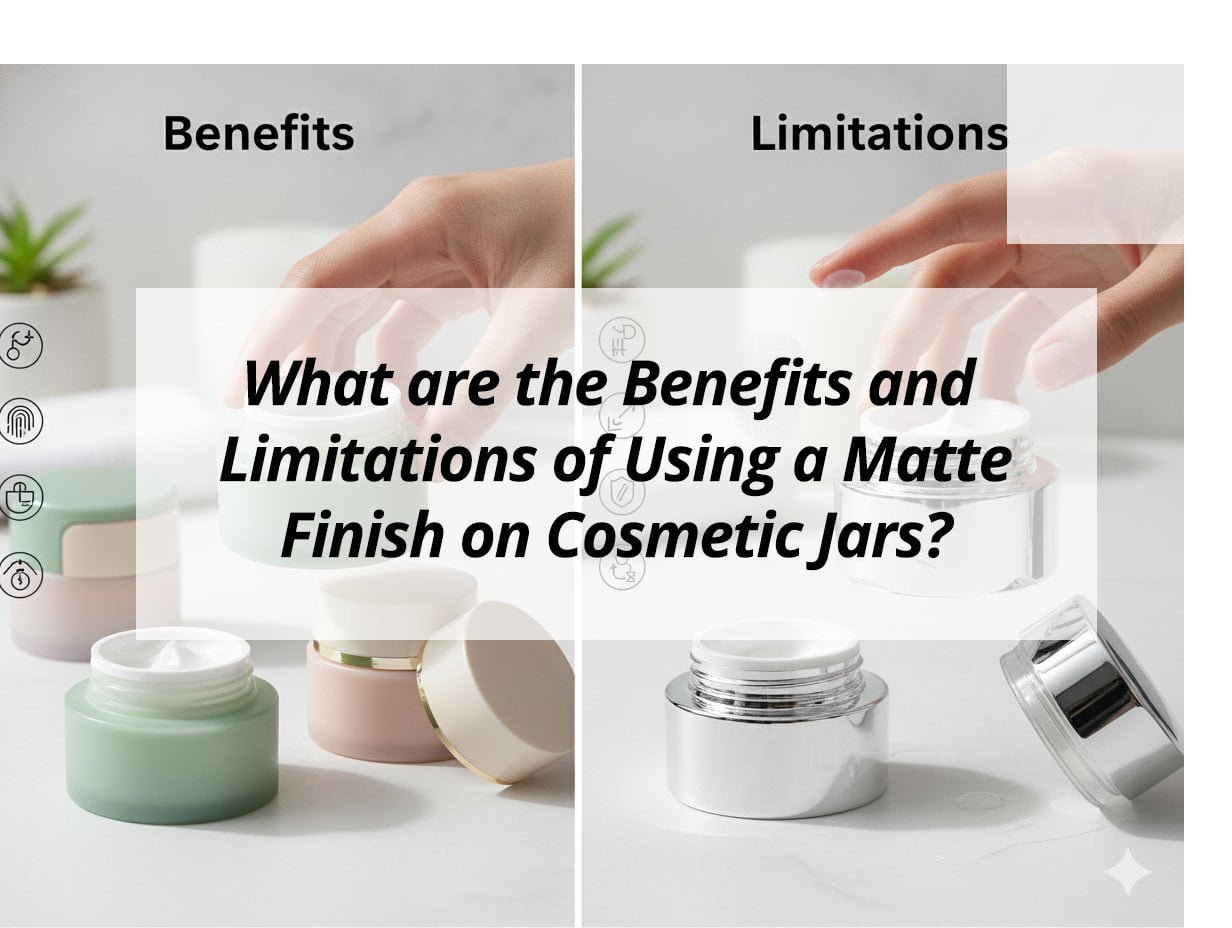
In the cosmetics industry, the packaging you choose can dramatically influence consumer perceptions and brand success. The finish on cosmetic jars plays a crucial role in differentiating your products from competitors.
Using a matte finish on cosmetic jars offers aesthetic elegance and a sophisticated look, but it also comes with certain limitations like susceptibility to fingerprints and potential cost implications. Understanding both aspects helps in making well-rounded packaging decisions.
Comprehending the delicate balance between the pros and cons of a matte finish ensures that the packaging aligns harmoniously with your brand identity and customer expectations.
What are the cons of a matte finish?
While visually appealing, matte finishes can present some challenges that need consideration.
The cons of a matte finish include its tendency to show fingerprints and smudges1 easily, higher production costs compared to glossy finishes, and occasionally reduced durability under extensive handling, impacting its long-term appearance.
Examining the Drawbacks
Visibility of Imperfections
Matte finishes can easily expose marks from handling.
- Fingerprints and Smudges: These are more noticeable on matte surfaces, potentially detracting from the aesthetic appeal. Well cared for display and careful handling practices can mitigate these issues.
Cost Considerations
Choosing a matte finish could be more expensive due to the specific processes involved.
- Higher Expense: In comparison to glossy finishes, matte might require additional treatments or specialized applications, which can drive up costs.
Durability Concerns
Some matte coatings may not withstand wear as effectively as glossier alternatives.
- Wear and Tear: Regular handling or transport can lead to reduced lifespan of the matte layer, necessitating more frequent replacements or touch-ups.
What are the advantages of matte finish?
Matte finishes are celebrated for their ability to provide products with a contemporary and upscale visual identity.
The advantages of a matte finish include a luxurious, modern appearance, reduced glare, and enhanced tactile experience, meeting high-end market expectations and contributing to a premium brand perception. Their distinct texture can also improve handling, positively impacting user experience.
Spotlight on Benefits
Aesthetic Appeal
Matte finishes project an aura of sophistication that can elevate any cosmetic product’s perceived value.
-
Sophisticated Look: The subtlety of matte finishes lends a classic, elegant look to products, making them appealing to discerning consumers.
-
Reduced Glare: Without reflective qualities, matte surfaces are ideal for marketing and social media photography, showcasing the product without unwanted shine.
Sensory Experience
A key selling point is the tactile nature of matte finishes.
- Tactile Enrichment: Beyond visuals, consumers appreciate the soft, non-slip grip that matte surfaces provide, enhancing usability and interaction with the product.
Matte surfaces can cast your brand as both innovative and reliable, particularly in markets saturated with glossy options.
Is matte finish better than glossy?
Deciding between matte and glossy comes down to specific product goals and audience preferences.
A matte finish can provide a modern aesthetic and a soft touch, while glossy offers vibrancy and traditional shine. The choice depends on your brand's identity and target audience, leveraging visual cues to align with consumer preferences.
Comparing Finishes
Matte Characteristics
- Subdued Elegance: Matte finishes are often chosen for their understated, calm aesthetic, perfectly aligning with brands aiming for elegance and simplicity.
Glossy Characteristics
- Vividness: A glossy finish is known for its eye-catching brilliance, making it ideal for brands that want to highlight vibrancy and color intensity.
Audience Preferences
Understanding the nuances of your consumer base can guide this decision.
- Target Demographics: Matte may appeal to consumers valuing elegance and subtlety, while glossy attracts those seeking bold, striking visuals.
Aligning finish choice with consumer expectations can enhance brand engagement and loyalty.
What is the difference between matte and glossy packaging?
Differences between matte and glossy finishes can significantly impact perception and functionality.
Matte packaging offers a smooth, non-reflective surface2, promoting elegance, while glossy packaging provides a shiny, attention-grabbing finish that emphasizes brightness and color vibrancy3. Each finish offers unique advantages that cater to different market segments.
Key Differentiators
Surface Texture
Examining textural differences can clarify how each finish influences brand perception:
| Finish Type | Description |
|---|---|
| Matte | Calm, velvety feel; offers a premium touch enhancing consumer experience. |
| Glossy | Slick, shiny finish; engaging and dynamic, appeals lively to consumers. |
Visual Impact
Understand how each finish affects visual engagement:
| Finish Type | Description |
|---|---|
| Matte | Creates sophisticated product presence without distracting reflections. |
| Glossy | Amplifies brightness and depth, ensuring products stand out. |
Selecting the appropriate finish aligns your product with consumer aesthetics while reflecting broader brand values.
My insights: The Benefits and Limitations of Using a Matte Finish on Cosmetic Jars
Struggling to choose the right jar finish for your cosmetics brand? Understanding the benefits and limitations of matte finishes can guide your decision.
Matte finishes on cosmetic jars offer a luxurious, non-reflective look4 that resists fingerprints and enhances brand differentiation. However, they may obscure vibrant colors and involve higher production costs and specialized printing requirements5.
Exploring the Impact of Matte Finish on Cosmetic Jars
Benefits:
- Aesthetic Appeal: Matte finishes provide an elegant, luxurious feel, aligning with contemporary and minimalist branding trends.
- Functionality: They resist fingerprints better than glossy finishes and reduce glare, ensuring labels remain readable and jars appear clean.
Limitations:
- Visual Impact: Matte finishes may diminish color vibrancy, potentially limiting bold design expression compared to glossy surfaces.
- Durability and Cost: While offering scratch resistance, these finishes can incur higher production costs and might wear over time with frequent use.
Comparison Table:
| Aspect | Benefit | Limitation |
|---|---|---|
| Appearance | Luxurious, non-reflective look | Less vibrant colors |
| Cleanliness | Resists fingerprints | May require special labeling techniques |
| Cost and Durability | Enhanced scratch resistance | Higher costs, potential wear over time |
Matte finishes are excellent for brands seeking modern sophistication, but it's essential to weigh these benefits against potential limitations like color subtlety and production expenses when considering package design.
Conclusion
The choice between matte and glossy finishes ultimately depends on your brand's aesthetic goals and consumer desires. Each offers distinctive benefits that can elevate the overall appeal and market positioning of your product.
-
Explore effective cleaning methods to maintain the pristine look of matte finishes, ensuring your products always look their best. ↩
-
Discover how non-reflective surfaces can enhance product presentation and consumer perception. ↩
-
Learn about the impact of matte finishes on color representation and design choices. ↩
-
Explore how a luxurious appearance can enhance brand image and attract discerning consumers. ↩
-
Understanding printing needs can help you prepare for production challenges when using matte finishes. ↩