Are you seeking better options beyond traditional airless cosmetic packaging? Many product developers encounter challenges with airless systems. These can include filling difficulties or operational issues. It is important to explore effective packaging solutions.
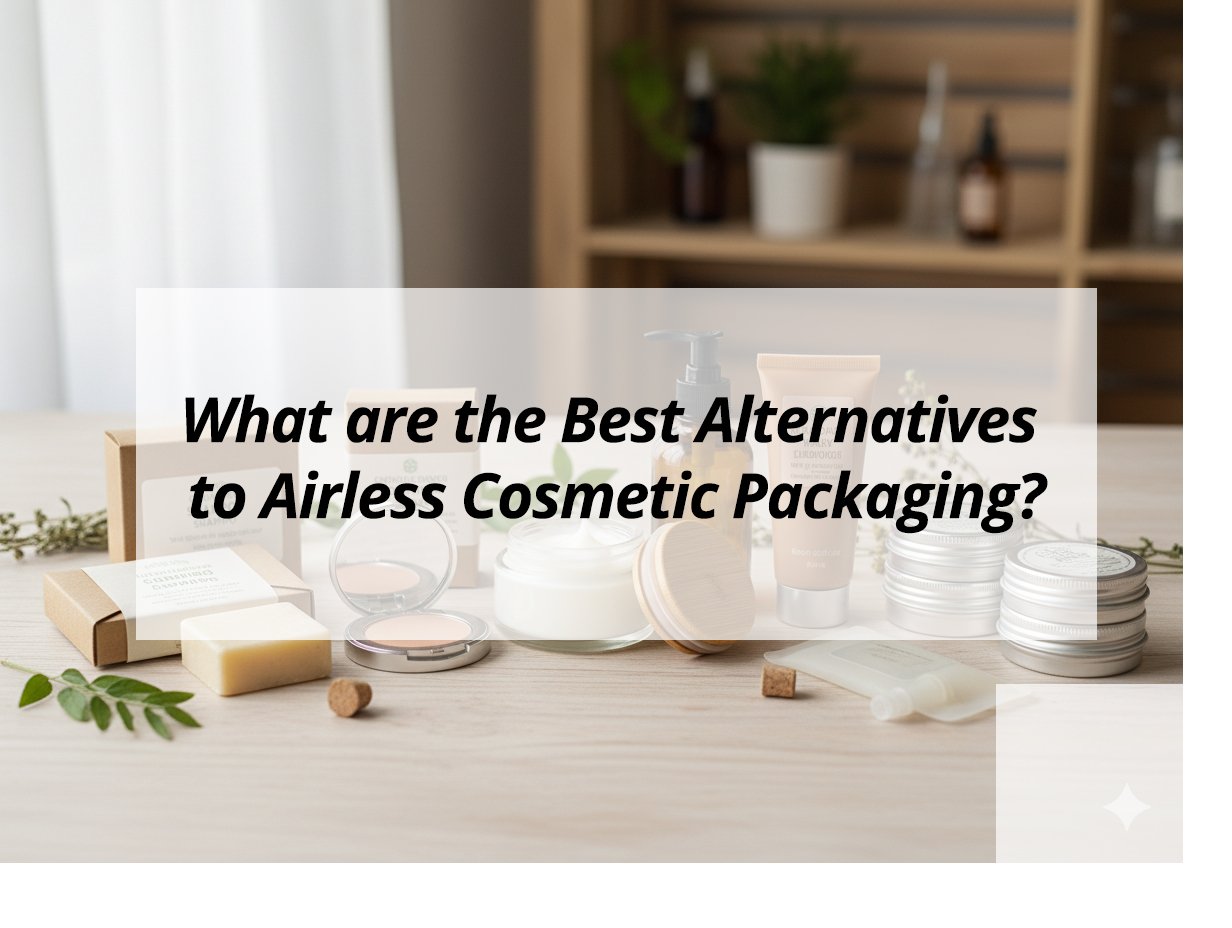
To find the best alternatives to airless cosmetic packaging, consider options like glass, aluminum, or PCR plastic bottles and jars. These materials often provide excellent product protection, offer diverse aesthetic appeals, and can be more sustainable. They help brands achieve desired functionality and visual branding without the complexities sometimes associated with airless systems.
The cosmetic packaging industry continuously evolves. Brands seek innovative solutions. They prioritize quality and functionality. Understanding available alternatives is crucial for informed decisions.
What is the most sustainable cosmetic packaging?
Are you considering the environmental impact of your packaging choices? Many brands prioritize sustainable cosmetic packaging. This area is a key focus for responsible product development.
The most sustainable cosmetic packaging minimizes material usage. It should also be easily recyclable or reusable. Materials like glass and aluminum offer high recyclability. PCR plastics (Post-Consumer Recycled plastics) also contribute to sustainability. They reduce reliance on virgin plastic. The optimal choice depends on the specific product and brand objectives.
Evaluating sustainable packaging involves several factors. These include material composition, manufacturing processes, and end-of-life options.
Material Choices for Sustainable Packaging
| Material Type | Advantages | Disadvantages | Ideal Applications |
|---|---|---|---|
| Glass | Highly recyclable, premium aesthetic | Heavy, fragile, increased shipping costs | Creams, serums, high-end formulations |
| Aluminum | Lightweight, recyclable, durable | Prone to denting, limited design forms | Lotions, sprays, travel-size products |
| PCR Plastics | Reduces waste, lighter than glass | Variable recycling infrastructure | Tubes, bottles, jars |
| Bamboo | Renewable resource, distinct appearance | Can absorb moisture, higher cost | Compacts, specialized cases |
A holistic view of the life cycle is important. For instance, glass is heavy. This impacts transportation fuel consumption. However, its high recyclability is a significant benefit. High-quality and unique cosmetic packaging can also be sustainable. This approach helps brands differentiate themselves.
Are airless pumps better?
Is airless pump technology always the superior packaging solution? While airless packaging offers distinct benefits, it is not universally optimal. Other packaging types can provide comparable or enhanced performance in certain applications.
Airless pumps are designed to prevent air exposure. This protects sensitive formulations. They are beneficial for specific products. However, they also present challenges. Manufacturing complexity and filling requirements can increase costs. Airless skincare packaging can be an expensive option. Exploring alternatives that offer similar protective qualities at a more competitive price point is often advantageous.
A comparative analysis of airless systems helps identify suitable alternatives.
Airless Pump Pros and Cons
- Pros:
- Product Protection: Shields contents from air and contaminants. This extends product shelf life.
- Reduced Waste: Dispenses nearly all product. This is effective for viscous formulations.
- Ingredient Preservation: Ideal for natural or sensitive ingredients.
- Cons:
- Cost: Generally higher production costs. This affects product pricing.
- Complexity: Requires specialized filling equipment.
- Design Limitations: Offers fewer design variations compared to other systems.
- Repairability: Difficult to repair if malfunctioning.
- Material Composition: Often multi-material, which complicates recycling.
For many formulations, a well-designed pump bottle with a dip tube can be highly effective. If a product's formula is not highly oxygen-sensitive, these options are often more economical. They also allow for greater design flexibility. Vacuum bottles and lotion bottles exemplify alternatives that offer adequate protection. They do so without the increased expense of airless bottles for cosmetics. Many brands transition from complex airless systems to simpler, yet effective, alternatives. This can result in cost savings while maintaining product quality.
What can be used instead of plastic packaging?
Are you exploring non-plastic packaging solutions? The demand for alternatives to plastic packaging is a significant trend. Many brands and consumers are seeking these options.
Numerous materials can serve as plastic replacements. Glass is a widely adopted alternative. Aluminum is another robust choice. Bamboo is also gaining popularity. Each material presents unique advantages and disadvantages. The most appropriate alternative depends on the product's characteristics and the brand's identity. For example, a viscous cream might be well-suited for a glass jar. A lighter lotion could be packaged in an aluminum bottle. Brands often seek non-plastic options that also convey high quality.
Let us examine key alternatives to plastic. We can assess their suitability for various cosmetic products.
Plastic Packaging Alternatives
| Alternative Material | Common Product Applications | Benefits | Considerations |
|---|---|---|---|
| Glass Jars/Bottles | Creams, serums, foundations | Premium tactile feel, high recyclability, inert | Heavier, fragile, higher environmental shipping impact |
| Aluminum Tubes/Bottles | Lotions, balms, sprays | Lightweight, durable, highly recyclable | Prone to denting, opaque, potential reactivity with acids |
| Bamboo Containers | Compacts, lipstick tubes | Renewable resource, natural aesthetic | Can be expensive, requires specific sealing techniques |
| Paper/Cardboard | Palettes, solid products | Lightweight, renewable, often compostable | Not suitable for liquids, susceptible to moisture damage |
| Tin/Steel | Balms, solid perfumes | Durable, recyclable, protective | Can corrode if uncoated, heavier than aluminum |
When selecting an alternative, consider the product's formulation. A solid deodorant might use a paper tube. However, a liquid foundation would require a different solution. The selection process involves matching product needs with material properties. Unique cosmetic packaging often incorporates these newer materials. This demonstrates a brand's commitment to sustainability. It helps attract environmentally conscious consumers. Various cosmetic packaging resources are available for guidance.
What to replace plastic water bottles with?
Are you considering alternatives to single-use plastic water bottles? While seemingly distinct from cosmetic packaging, the underlying principles of sustainability are shared. Many brands apply sustainable packaging strategies across product categories.
The primary motivation for replacing plastic water bottles is sustainability. Consumers seek reusable and easily recyclable choices. Glass bottles are a popular option. Stainless steel bottles also provide a durable solution. These materials emphasize reusability and waste reduction. This approach can inform choices for airless skincare packaging and other cosmetic formats.
Let us examine common alternatives to plastic water bottles. These examples can inspire sustainable cosmetic packaging decisions.
Alternatives to Plastic Water Bottles
- Reusable Glass Bottles:
- Benefits: Pure taste, infinitely recyclable, elegant appearance.
- Drawbacks: Fragile, heavier for portability, higher initial cost.
- Inspiration for Cosmetics: Utilizing glass for serums or luxury creams to convey a high-end image.
- Stainless Steel Bottles:
- Benefits: Highly durable, maintains liquid temperature, long-term reusability.
- Drawbacks: Opaque, can be heavier, higher upfront cost.
- Inspiration for Cosmetics: Aluminum bottles for lotions or sprays, offering similar durability and protection.
- Silicone Collapsible Bottles:
- Benefits: Lightweight, flexible, travel-friendly, reusable.
- Drawbacks: Can absorb odors, less rigid than other materials.
- Inspiration for Cosmetics: Flexible tubes for lotions or cleansers, prioritizing ease of use and portability.
The global movement away from single-use plastics drives packaging innovation. This expands the range of cosmetic packaging resources. Brands are increasingly seeking unique cosmetic packaging. They want options that align with these broader values. Whether for a water bottle or airless packaging, the goal remains consistent: identify superior, more sustainable solutions. This strategy helps brands resonate with contemporary consumers and demonstrate environmental responsibility.
My Insights: What are the Best Alternatives to Airless Cosmetic Packaging?
Concerned about the environmental impact of airless packaging? Discover sustainable and practical alternatives for your cosmetics.
Alternatives to airless cosmetic packaging include glass jars, recyclable PET bottles, aluminum containers, and refillable systems. These options offer eco-friendly solutions while maintaining product integrity and consumer appeal, adapting to various cosmetic formulations with style and efficiency.
Exploring Eco-friendly Packaging Choices
Material Options
- Glass Jars and Bottles: These are ideal for premium aesthetics and sustainability. They are recyclable and non-reactive, making them perfect for serums and creams.
- Aluminum Containers: Lightweight and recyclable, aluminum is excellent for lotions and sensitive formulas, with the option for internal linings.
- PCR Plastics: Using recycled PET or PP reduces virgin resin usage, supporting environmental goals without compromising on durability.
Refillable Systems
Refillable jars and bottles, which use replaceable pods, reduce materials and foster customer loyalty through subscriptions. At-home refills in durable containers shift environmental impact from primary packaging to minimal refill packs.
| Need / Constraint | Better than Airless Because… | Strong Alternatives |
|---|---|---|
| Luxury Look | Heavy, premium materials like glass and metal | Glass bottles, aluminum containers |
| Sustainability | Recyclable and refill options | Glass, aluminum, PCR plastics |
| Thick Formulas | Handles viscosity better than airless systems | Wide-mouth jars, aluminum tubes |
By selecting these alternatives, brands can align with sustainability trends while delivering effective and attractive packaging solutions for diverse cosmetic products.
Conclusion
Selecting appropriate cosmetic packaging is crucial. Look beyond airless packaging for sustainable and effective solutions. Many viable alternatives exist to meet specific product requirements. Make informed choices for your brand.