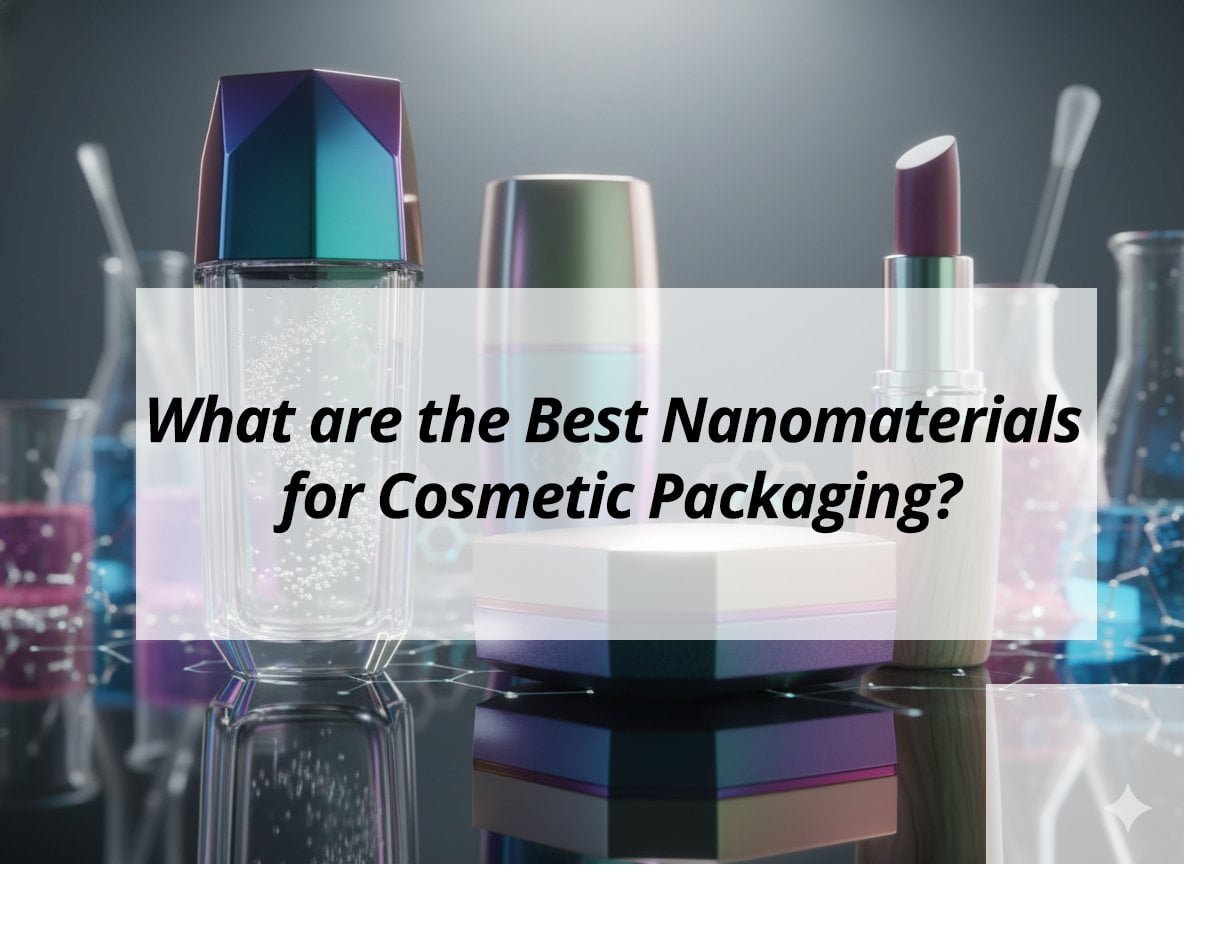
Nanomaterials are revolutionizing cosmetic packaging with their advanced properties. These materials provide better protection and enhance the effectiveness of the products contained within.
Silica nanoparticles and titanium dioxide boost cosmetic packaging by enhancing barrier properties and stability. These nanomaterials ensure longer-lasting products and increased user satisfaction, making them essential for brands focused on quality and innovation in the competitive beauty market.
The integration of nanomaterials into cosmetic packaging allows for innovative solutions to address challenges like product preservation, sustainability, and user satisfaction.
What are the nanomaterials used in cosmetics?
Nanotechnology is transforming cosmetics by improving product efficacy, stability, and delivery methods. It's a powerful tool for creating innovative beauty solutions.
In cosmetics, common nanomaterials include titanium dioxide1, zinc oxide, and silica nanoparticles2. These materials improve texture, application, and UV protection, offering enhanced skin benefits.
Nanomaterials are chosen for their ability to elevate both the aesthetics and functionality of cosmetic products. Here’s a deeper look:
Key Nanomaterials
Titanium Dioxide and Zinc Oxide
-
Uses: Primarily found in sunscreens. These nanoparticles protect against UV rays, reducing skin damage and premature aging.
-
Benefits: Smaller particles eliminate the white cast, enhancing user experience.
Silica Nanoparticles
-
Uses: Often found in powders and creams to improve texture and product stability3.
-
Benefits: Promote smooth application and aid in oil absorption, providing a matte finish.
Advantages in Cosmetics
| Property | Advantage |
|---|---|
| UV Protection | Reduces skin damage and aging signs |
| Application | Smooth, even distribution on the skin |
| Stability | Enhances product shelf-life |
Nanomaterials enable formulators to craft products that are both effective and pleasant to use, achieving a balance between innovative technology and consumer satisfaction.
Does Clinique use nanoparticles?
Clinique, a leader in cosmetics, embraces advanced formulations. The use of nanoparticles raises considerations about safety and product effectiveness.
Yes, Clinique utilizes nanoparticles in some products. These include formulations with titanium dioxide, designed to offer superior UV protection and product performance. Safety remains a top priority with rigorous testing.
Incorporating nanoparticles offers benefits in cosmetic formulations. Brands like Clinique align with industry trends toward innovative, high-performance products, ensuring standards and trust.
Clinique and Nanotechnology
Product Lines
-
Sun Protection: Products featuring titanium dioxide nanoparticles ensure effective sun exposure defenses with minimal residue.
-
Enhanced Formulations: Nanotechnology addresses skin concerns effectively, offering targeted delivery and improved efficacy.
Safety Measures
-
Testing Standards: Products meet stringent evaluations to guarantee health and regulatory compliance for consumer safety.
-
Consumer Assurance: Transparent labeling and open communication enable informed consumer choices.
Company Strategies
| Focus Area | Approach |
|---|---|
| Innovation | Adoption of cutting-edge technologies |
| Safety and Compliance | Adherence to global safety standards |
| Consumer Awareness | Education and transparency |
Prioritizing innovation and safety allows Clinique to maintain industry leadership, enhancing confidence and product efficiency.
What are gold and silver nanoparticles in cosmetics?
Gold and silver nanoparticles bring a touch of luxury to skincare with their transformative benefits. Their use marks a blend of tradition and innovation.
Gold and silver nanoparticles are used in cosmetics for their antioxidant and antimicrobial properties. They enhance skin rejuvenation and provide anti-inflammatory benefits, enriching skincare routines.
Gold and silver nanoparticles elevate beauty solutions, offering luxurious and functional benefits that traditional ingredients may lack.
Understanding Their Benefits
Gold Nanoparticles
-
Properties: Enhance skin elasticity, promote cellular regeneration, and provide a youthful glow.
-
Applications: Found in anti-aging creams and serums for their rejuvenating effects.
Silver Nanoparticles
-
Properties: Strong antimicrobial activity reduces acne and inflammation, promoting clear skin.
-
Applications: Featured in products for blemish-prone skin to ensure health and clarity.
Distinct Advantages
| Nanoparticle | Benefit |
|---|---|
| Gold | Rejuvenation, elasticity improvement |
| Silver | Antimicrobial, reducing inflammation |
These materials promise multifunctional skin benefits, addressing consumer desires for effective luxury products.
What are the 4 types of nanomaterials with examples?
Nanomaterials extend beyond cosmetics, impacting diverse industries with versatile properties and applications.
The four types of nanomaterials include carbon-based, metal-based, dendrimers, and composites. Examples are carbon nanotubes, silver nanoparticles, PAMAM dendrimers, and clay-polymer nanocomposites, each serving unique applications across sectors.
Exploring these categories reveals how diversely nanomaterials address industry-specific needs, driving both innovation and functionality.
Exploring the Types
Carbon-based Nanomaterials
- Example: Carbon nanotubes
- Use: Enhance strength, conductivity, and flexibility in electronics and structural materials.
Metal-based Nanomaterials
- Example: Silver nanoparticles
- Use: Featured in antimicrobial coatings, medical devices, and cosmetics for enhanced safety.
Dendrimers
- Example: PAMAM dendrimers
- Use: Precision drug delivery systems achieving targeted treatment in medicine.
Composites
- Example: Clay-polymer nanocomposites
- Use: Improve mechanical properties, light-weight efficiency, and durability in automotive parts.
Comparisons
| Type | Example | Major Application |
|---|---|---|
| Carbon-based | Carbon nanotubes | Electronics and structural materials |
| Metal-based | Silver nanoparticles | Antimicrobial coatings, medical devices |
| Dendrimers | PAMAM dendrimers | Drug delivery systems |
| Composites | Clay-polymer nanocomposites | Enhanced material properties |
This variety in nanomaterials broadens the scope of possibilities to design advanced, future-ready products that meet evolving consumer expectations.
My insights: Exploring Top Nanomaterials for Innovative Cosmetic Packaging
Concerned about cosmetic packaging sustainability and performance? Discover how nanomaterials offer advanced solutions.
Silver, titanium dioxide, and zinc oxide nanoparticles enhance cosmetic packaging through antimicrobial protection, UV filtering, and improved mechanical properties. These nanomaterials offer durability, eco-friendliness, and better product stability.
Understanding Nanomaterials in Cosmetic Packaging
Key Nanomaterials:
- Silver Nanoparticles: Provide antimicrobial properties4, extending shelf life without harmful chemicals.
- Titanium Dioxide (TiO2) & Zinc Oxide (ZnO): Offer effective UV protection and stability, especially useful in sunscreens.
- Silica (SiO2): Enhances product texture and reduces manufacturing costs by improving packaging efficiency.
Benefits of Nanomaterials:
- Barrier & Durability: Enhance packaging durability and barrier properties, crucial for protecting contents.
- Eco-friendly Solutions: Nanocomposites with bioplastics offer biodegradable options, aligning with sustainability goals.
Emerging Trends and Innovations:
- Bioplastic Integration: Focus on combining nanoparticles with biopolymers for fully biodegradable packaging.
- Cost Efficiency: Nanomaterials not only improve performance but also help reduce production costs.
| Aspect | Nanomaterial Benefits |
|---|---|
| Antimicrobial | Silver nanoparticles extend shelf life |
| UV Protection | TiO2 & ZnO provide stability and sun protection |
| Texture Improvement | Silica enhances product feel and reduces costs |
| Sustainability | Bioplastics with nanofillers ensure eco-friendly packaging |
By leveraging these nanomaterials, the cosmetic industry can achieve more sustainable, efficient, and protective packaging solutions.
Conclusion
Choosing the right nanomaterials for cosmetic packaging elevates product functionality and consumer experience. Leveraging these technologies enhances preservation, safety, and aesthetics, aligning with modern industry trends.
-
Explore how titanium dioxide enhances UV protection and improves product performance in cosmetics. ↩
-
Discover how silica nanoparticles improve texture and stability in cosmetic formulations. ↩
-
Discover how nanomaterials improve the shelf-life and effectiveness of cosmetic products. ↩
-
Find out how antimicrobial properties enhance product safety and longevity in cosmetics. ↩