The demand for eco-friendly packaging is growing fast. Brands need solutions that protect products and the planet. LDPE is a material often discussed in this context.
LDPE (Low-Density Polyethylene) is a widely used plastic in skincare packaging. While not biodegradable, its high recyclability makes it a part of many sustainable strategies. Brands use LDPE in tubes, bottles, and films. This is often combined with initiatives like refill programs. This helps reduce its environmental footprint, making it a viable option for eco-conscious skincare.
Let us look at how LDPE fits into sustainable packaging. This helps us understand its role in a greener future.
Is LDPE Material Eco-Friendly?
Is LDPE material eco-friendly? This is a complex question. On its own, LDPE is not biodegradable. This means it does not break down naturally in the environment. However, its high recyclability makes it part of a Sustainable skincare packaging strategy.
LDPE material has properties that support eco-friendly goals, especially through recycling. It is a lightweight and flexible plastic. This makes it easy to mold into many shapes like tubes and bottles for skincare. Its low density also means less material is used compared to some other plastics. When collected and recycled, LDPE can be turned into new products. This reduces the need for new raw materials. Many brands use recycled LDPE (rLDPE) to further lower their environmental impact. This circular approach helps close the loop on plastic waste. For example, some refill pouches for skincare products are made from LDPE. This allows consumers to reuse their main containers. This significantly cuts down on overall plastic use.
Key Aspects of LDPE's Eco-Friendliness
- Recyclability: LDPE is widely accepted in recycling programs. This helps divert waste from landfills.
- Lightweight: Its low density reduces transportation costs and carbon emissions during shipping.
- Durability: It protects products well, preventing spoilage and extending shelf life. This reduces product waste.
Here is a quick look at LDPE's environmental profile:
| Aspect | LDPE Performance | Implication for Sustainability |
|---|---|---|
| Biodegradability | Low | Requires proper disposal or recycling to prevent long-term waste. |
| Recyclability | High | Supports circular economy models, reduces virgin material demand. |
| Energy for Production | Moderate | Can be offset by using recycled content (rLDPE). |
| Resource Use | Moderate | Efficient use in thin films and flexible packaging minimizes material. |
This shows why LDPE is a common choice for brands looking to balance performance and environmental goals.
What is LDPE Most Commonly Used for?
LDPE is a very common plastic. It is used for many things because it is flexible and strong. In the skincare world, you see it everywhere.
LDPE is most commonly used for flexible packaging. This includes plastic bags, squeeze bottles, and tubing. For skincare, its flexibility makes it perfect for tubes that dispense creams, lotions, and gels. Think of your hand cream tube or face wash bottle. Chances are, they are made from LDPE. It is also used for caps and liners in other types of packaging. Its resistance to chemicals means it does not react with the skincare product inside. This keeps the product safe and effective. Some brands use LDPE for the inner layers of multi-material pouches, especially for Sustainable skincare packaging refills. These pouches need to be durable but also flexible. This broad use highlights its versatility and cost-effectiveness for many applications.
Common Applications of LDPE in Packaging
- Squeeze Tubes: Ideal for lotions, cleansers, and creams due to flexibility.
- Bottles: Used for various liquid products like toners or body washes.
- Flexible Lids and Caps: Provides a good seal for different container types.
- Plastic Film/Bags: Used for primary and secondary packaging.
Here is a table of common LDPE uses:
| Application | Why LDPE is Used | Example in Skincare |
|---|---|---|
| Squeeze Tubes | Flexibility, chemical resistance, ease of dispensing. | Facial cleansers, hand creams, sunscreens. |
| Bottles | Durability, ease of molding, cost-effectiveness. | Body lotions, hair conditioners, liquid soaps. |
| Lids and Closures | Good sealing properties, easy to manufacture. | Flip-top caps for various bottles and jars. |
| Protective Films | Moisture barrier, strength, transparency. | Protective wraps for boxed products, sachets. |
This wide range of uses shows LDPE's importance in packaging, especially in the skincare industry.
What are the 7 R's of Sustainable Packaging?
The 7 R's of sustainable packaging are a framework. They guide companies toward more eco-friendly choices. They go beyond just recycling to cover the entire product lifecycle.
The 7 R's of sustainable packaging are: Rethink, Refuse, Reduce, Reuse, Recycle, Renew, and Repair. They offer a comprehensive approach to minimizing environmental impact. Rethink means innovating packaging design from the start to be more sustainable. Refuse encourages rejecting unnecessary packaging altogether. Reduce focuses on using less material. This means making packaging lighter or smaller. Reuse promotes designs that can be used multiple times, like refillable containers. Recycle is about using materials that can be processed into new products, like LDPE. Renew refers to using renewable resources, such as plant-based materials. Repair involves designing packaging that can be fixed, though this is less common for single-use items. This framework helps brands make holistic decisions. It guides them toward truly Biodegradable cosmetic packaging solutions.
Breaking Down the 7 R's
- Rethink: Challenge current packaging norms. Look for entirely new, greener solutions.
- Refuse: Avoid packaging that is unnecessary or harmful to the environment.
- Reduce: Minimize the amount of material used. Optimize size and weight.
- Reuse: Design packaging for multiple uses. Support refill systems.
- Recycle: Use materials that can be easily collected and reprocessed.
- Renew: Opt for materials from renewable sources. Think plant-based plastics.
- Repair: Design packaging components that can be mended (less common in cosmetics).
Here is a table explaining each "R":
| R Word | Meaning | Example in Skincare Packaging |
|---|---|---|
| Rethink | Re-evaluate packaging needs and materials. | Designing a compact, multi-purpose product package. |
| Refuse | Say no to excessive or harmful packaging. | Choosing not to use outer cartons for small items. |
| Reduce | Use less material in packaging. | Lightweighting bottles, using thinner films. |
| Reuse | Design for multiple uses. | Refillable jars or bottles for creams and serums. |
| Recycle | Choose materials that can be recycled. | Using PET, HDPE, or LDPE that are widely recyclable. |
| Renew | Use materials from renewable sources. | Packaging made from sugarcane bioplastic. |
| Repair | Make packaging fixable (less applicable). | (Rare in cosmetics) Focus shifts to durability and refillability. |
Following these principles helps create truly sustainable packaging strategies.
Does L'Oréal Use Sustainable Packaging?
Yes, L'Oréal has made significant commitments to sustainable packaging. They are one of many large companies trying to reduce their environmental footprint. This involves various strategies.
L'Oréal uses sustainable packaging by focusing on several key areas. They aim to reduce the weight and size of their packaging. This aligns with the "Reduce" principle of the 7 R's. They also increase the use of recycled materials, especially PCR (Post-Consumer Recycled) plastic. For example, they incorporate recycled PET and HDPE into their bottles and jars. They are also investing in new materials like bio-based plastics. Another big part of their strategy is developing refillable packaging systems. This encourages consumers to reuse containers. They also work to make their packaging more recyclable. This includes using single-material packaging where possible. This is a comprehensive approach to Sustainable skincare packaging. It shows how large brands integrate various eco-friendly practices.
L'Oréal's Sustainable Packaging Initiatives
- Reduced Material Use: Focus on lightweighting and optimizing package size.
- Increased Recycled Content: High usage of PCR plastics in new packaging.
- Refillable Options: Development of systems for consumers to refill existing containers.
- Bio-based Plastics: Exploring and integrating plastics made from renewable sources.
- Enhanced Recyclability: Designing packaging that is easier for consumers to recycle.
Consider L'Oréal's commitments:
| Initiative | Description | Impact |
|---|---|---|
| Optimized Design | Reducing packaging weight and size across product lines. | Lowers material consumption and carbon footprint. |
| Circular Economy Focus | Increasing the use of recycled plastics (PCR). | Reduces demand for virgin plastics, promotes recycling. |
| Refill & Reuse | Launching more products with refillable options. | Decreases packaging waste over time. |
| Innovation in Materials | Investing in bio-based and Biodegradable cosmetic packaging solutions. | Explores future-proof, lower-impact materials. |
These efforts show a clear direction towards more sustainable packaging practices within the beauty industry.
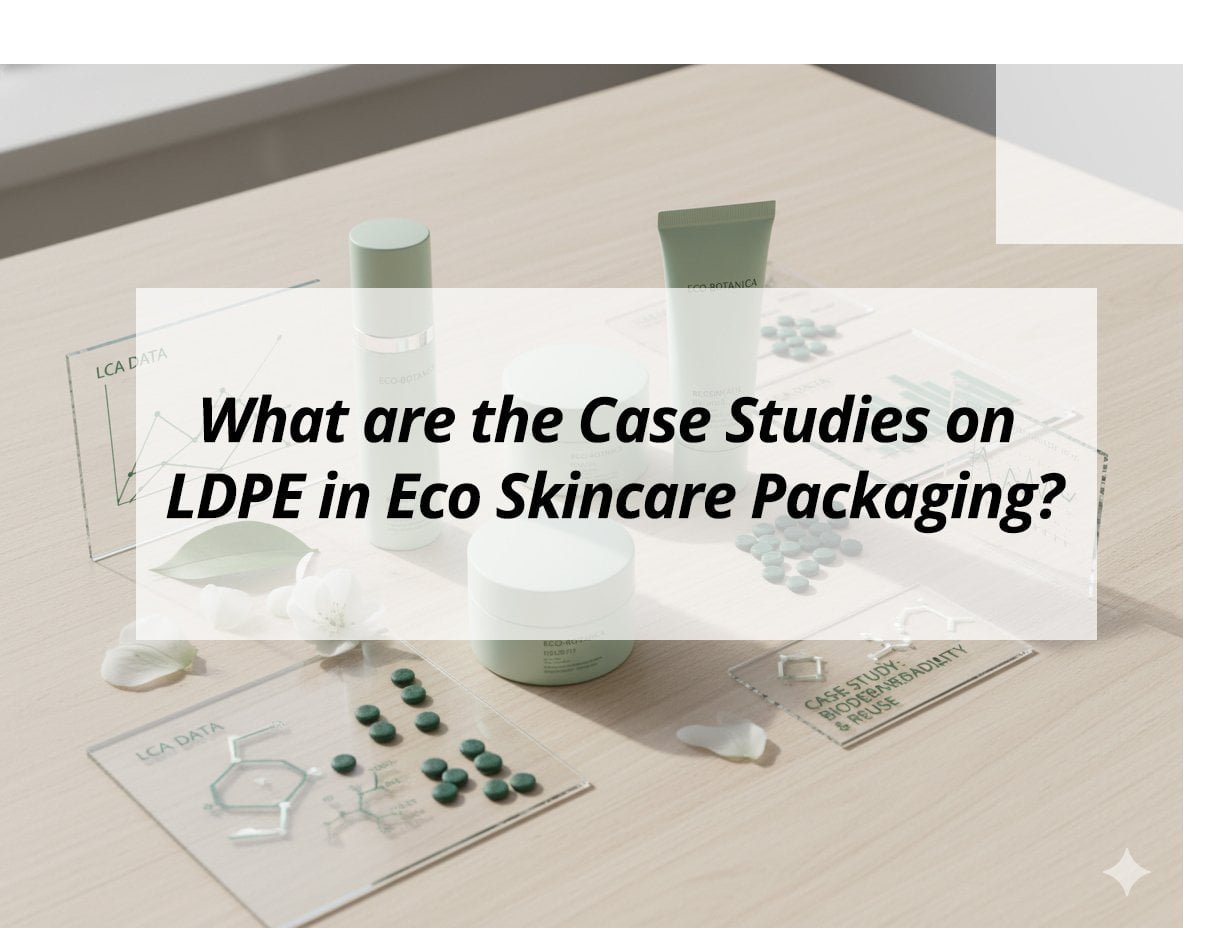
My Insights: What are the Case Studies on LDPE in Eco Skincare Packaging?
Curious about how LDPE is revolutionizing eco-friendly skincare packaging? Discover impactful case studies that highlight innovation and sustainability.
LDPE is making waves in eco skincare packaging through its flexibility, recyclability, and role in reducing carbon footprints. Brands like Ego Pharmaceuticals and Lanolips have adopted LDPE to create sustainable, recyclable, and efficient packaging solutions that align with circular economy goals.
Exploring the Impact of LDPE in Skincare Packaging
Case Studies Highlighting LDPE’s Advantages
-
Ego Pharmaceuticals: Transitioned to recyclable LDPE tubes, preventing 18 tonnes of waste annually while maintaining product integrity.
-
Ramaplast & FKuR: Utilized bio-based LDPE from sugarcane to produce sustainable cosmetic tubes, aligning with eco-goals without sacrificing quality.
| Brand/Company | Strategy | Eco-Benefit |
|---|---|---|
| Ego Pharmaceuticals | Recyclable LDPE tubes | Reduced landfill waste |
| Ramaplast & FKuR | Bio-based LDPE from sugarcane | Reduced carbon footprint |
| Arcade Beauty | Mono-material PE designs | Enhanced recyclability |
| Lanolips | Sugarcane-based bioplastic | Compatible with recyclability streams |
These case studies illustrate LDPE's potential as a sustainable packaging material, showcasing reduced waste, lower carbon emissions, and compatibility with recycling systems. LDPE's adaptability enables brands to meet consumer demand for eco-friendly solutions while maintaining quality and efficiency.
Conclusion
LDPE plays a role in eco-skincare packaging through its recyclability. The 7 R's guide holistic sustainable practices, which major brands like L'Oréal are adopting through reduced materials, recycled content, and refillable solutions.