In the competitive world of skincare, packaging plays a crucial role in attracting customers and preserving product quality.
Skincare containers, including jars and airless bottles, play a crucial role in maintaining product integrity and enhancing user experience. Choosing the right container ensures product preservation and meets consumer expectations by aligning functionality with brand appeal, making it essential for both product effectiveness and market competitiveness.
Choosing the appropriate packaging requires an understanding of the variety available. Let’s explore different types to find the perfect fit for your brand.
What are the different types of cosmetic containers?
The world of cosmetic packaging blends aesthetics with functionality, catering to diverse consumer needs.
Cosmetic containers1 include dropper bottles, tubes, jars, and airless bottles, serving specific purposes aligned with different product formulations. Selecting the right container enhances product usability and brand appeal.
Cosmetic Containers
Understanding cosmetic containers is crucial for aligning packaging with product goals:
| Container Type | Feature | Benefit |
|---|---|---|
| Dropper Bottles | Precision | Enhances targeted applications |
| Tubes | Convenience | Cost-effective and easy |
| Jars | Luxury Appeal | Allows creative branding |
| Airless Bottles | Preservation | Maintains product integrity |
Selecting the best container type requires balancing functionality with brand identity, ensuring consumer satisfaction and product protection.
What are the 4 types of packaging?
Effective packaging is essential for maintaining product quality from production to the consumer’s hand.
The four main types of packaging include primary, secondary, tertiary, and quaternary layers. Each one plays a critical role in protection, presentation, and distribution, ensuring products reach consumers safely and appealingly.
Packaging Types
Breaking down packaging types elucidates their unique roles and benefits:
| Packaging Type | Role | Benefit |
|---|---|---|
| Primary Packaging | Direct Contact | Impact on consumer impression |
| Secondary Packaging | Branding & Information | Adds safety |
| Tertiary Packaging | Transport & Bulk Handling | Cost-effective transportation |
| Quaternary Packaging | Supply Chain Optimization | Advanced tracking solutions |
Understanding these layers supports refining packaging strategies, ensuring each level meets logistical and marketing goals.
What are the different categories of skincare?
Skincare is diverse, catering to a multitude of consumer needs and preferences.
Skincare categories include cleansing, treating, hydrating, and protecting. Each targets specific skin concerns, utilizing unique formulations and packaging to enhance effectiveness and appeal.
Skincare Categories
These categories guide product development and marketing strategies, aligning with consumer expectations:
Cleansing
- Foundation Step
- Removes Impurities
- Essential for Next Steps
Treating
- Targeted Solutions
- Precision Applicators
Hydrating
- Provides Moisture
- Appealing Design
Protecting
- Environmental Defense
- Travel-Friendly Options
Creating products within these categories demands attention to packaging that aligns with consumer preferences, enhancing both functionality and appeal.
What are the different types of medical containers?
Medical packaging must meet stringent requirements, ensuring safety and efficacy.
Medical containers encompass vials, ampoules, blister packs, and bottles, each designed to ensure safety, precision, and convenience in medical settings. Understanding these options aids in aligning product protection with healthcare standards.
Medical Containers
Exploring medical containers illustrates their critical roles in healthcare:
| Container Type | Feature and Benefit |
|---|---|
| Vials | Sterility & versatile |
| Ampoules | Single use & efficiency |
| Blister Packs | Portion control & marketing |
| Bottles | Liquid storage & innovative designs |
Ensuring the selection of appropriate medical containers is vital, maintaining healthcare standards and enhancing user experience.
My insights: Navigating the World of Skincare Containers
Choosing the right skincare container can enhance product usability and preservation. Discover which types suit different formulas for optimal skincare results.
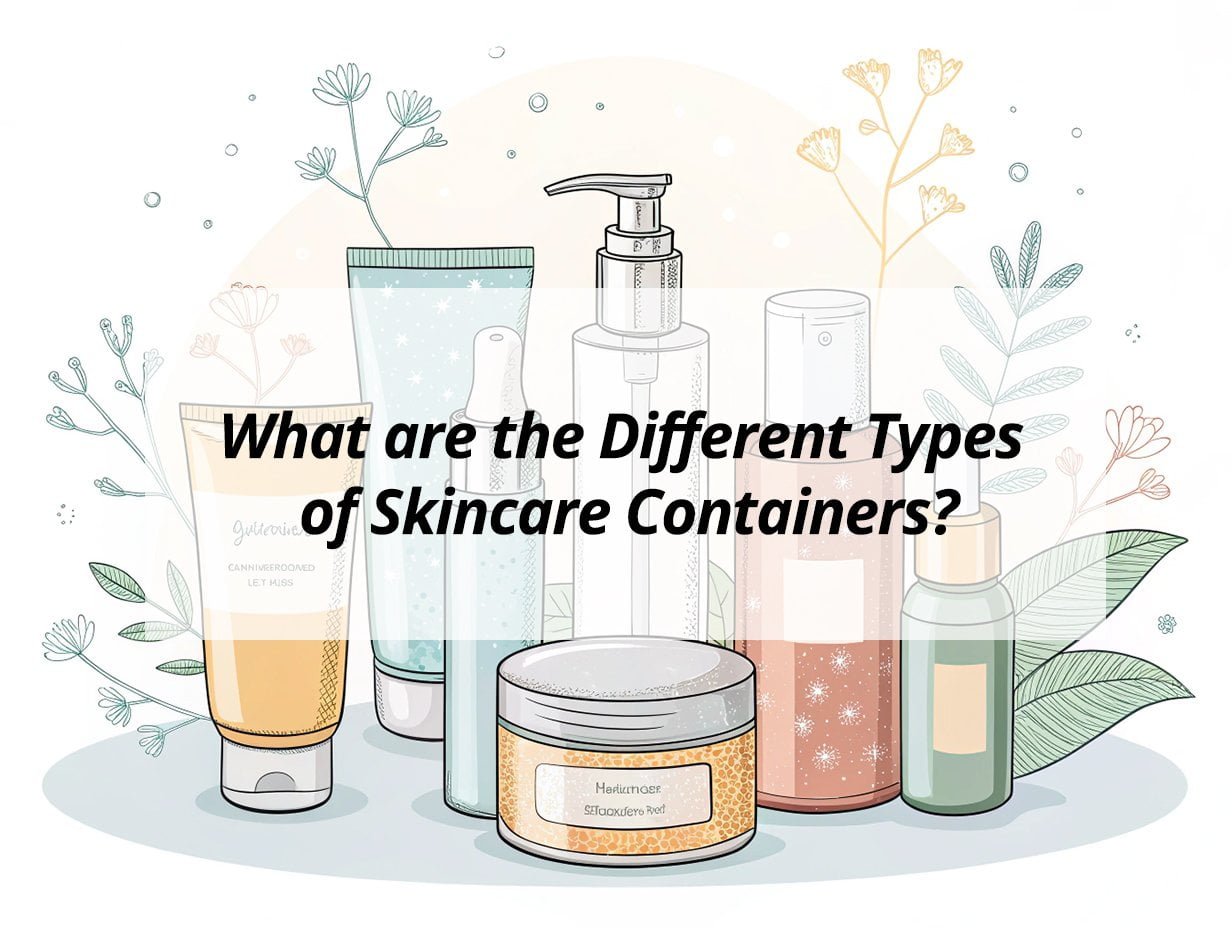
Skincare containers vary from jars, bottles, and tubes to pumps, droppers, and sprays. Each type is tailored to suit textures and formulas, ensuring effective application and product preservation.
Understanding the Variety of Skincare Containers
Understanding skincare containers helps in selecting the right packaging for both preservation and user experience:
Jars:
Ideal for dense products like creams and balms, jars ensure easy scooping. Airless options limit oxidation, maintaining product integrity.
Bottles:
Suitable for liquids like serums and toners, bottles come in various materials and closures. These offer versatility for different viscosities.
Tubes:
Perfect for creams and gels, tubes provide lightweight, portable options that prevent contamination through controlled dispensing.
Pumps and Airless Pumps:
Standard pumps offer convenient dosing for lotions, while airless designs protect sensitive formulas from air exposure, preserving active ingredients.
Droppers and Sprays:
Droppers provide precise dosing for serums, while spray bottles deliver even mists, suitable for toners.
Compacts and Sticks:
Compacts house pressed powders and balms, offering portability. Stick containers allow direct application for targeted treatments without hand contact.
| Container Type | Best For | Benefits |
|---|---|---|
| Jars | Thick creams, balms | Easy access, airless options available |
| Bottles | Liquids, semi-liquids | Versatile closures, various materials |
| Tubes | Creams, gels | Lightweight, contamination prevention |
| Pumps/Airless Pumps | Lotions, sensitive formulas | Convenient dosing, protection from air |
| Droppers/Sprays | Serums, toners | Precision, even distribution |
| Compacts/Sticks | Powders, targeted treatments | Portability, direct application |
Selecting the appropriate skincare container enhances product potency and user satisfaction, aligning with both consumer needs and product characteristics.
Conclusion
Choosing the right skincare containers involves understanding various types and their unique benefits. Aligning packaging with product goals and consumer preferences ensures both functionality and appeal, satisfying market demands and enhancing brand competitiveness.
-
Explore this link to understand the various types of cosmetic containers and their specific uses. ↩