Sustainable packaging is a must for cosmetics brands today. How do these innovations help reduce environmental impact while maintaining product appeal and functionality?
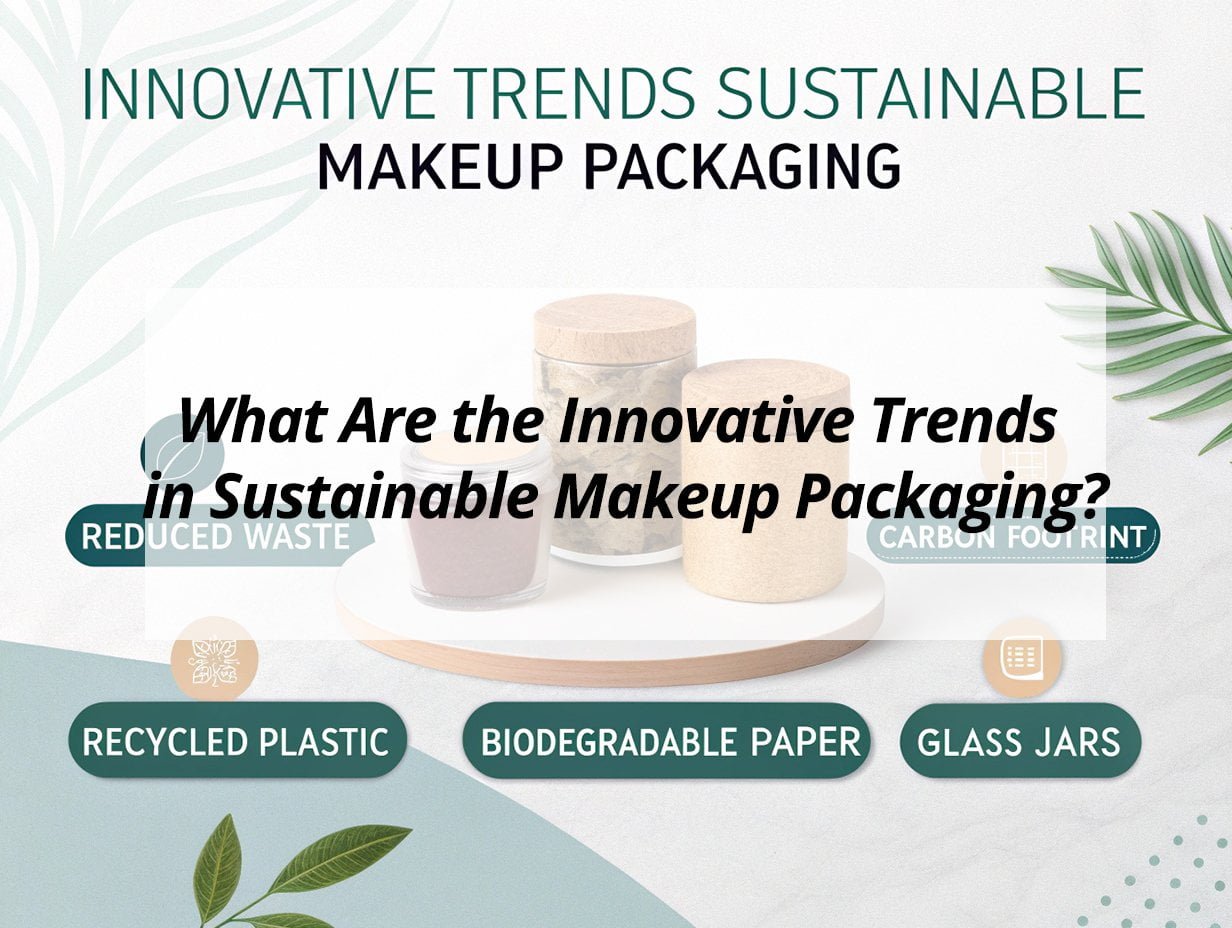
Innovative trends in sustainable makeup packaging focus on using recycled materials, bioplastics, and refillable options. These approaches address environmental concerns by reducing waste and promoting eco-friendly practices. Brands are balancing sustainability with functionality to ensure packaging protects the product while minimizing ecological footprints.
As the beauty industry evolves, examining the latest sustainable packaging innovations is crucial for understanding their impact on the market.
What Are the Latest Innovations in Sustainable Packaging for Cosmetics and How Do They Address Environmental Concerns?
Sustainability is not just a trend; it's a necessity for the cosmetics industry. So, what are the latest innovations driving this change?
In cosmetics, sustainability innovations include recycled materials, biodegradable solutions, and biotechnology. These methods focus on reducing landfill waste and promoting a circular economy, ensuring the packaging is as environmentally beneficial as the products inside.
The beauty industry has made significant strides with recycled cosmetic packaging. Brands are adopting post-consumer recycled materials to create visually appealing and functional containers. This effort cuts down on new material consumption and reduces carbon footprints.
Biotechnology Breakthroughs
Biotechnology enables the creation of bioplastics, which are derived from renewable resources like cornstarch and sugarcane. These materials are biodegradable and help reduce landfill waste. Globally, efforts like sustainable skincare packaging1 in Australia highlight the trend towards eco-friendly solutions2 that both support sustainability and offer appealing product presentations.
Embracing Refillability
Refillable packaging is changing the cosmetic landscape. Consumers can reuse containers, significantly cutting down on waste. This model is a sustainable cycle that encourages long-term environmental benefits and reduces single-use packaging.
What Are the Sustainable Packaging Options for Cosmetics?
Choosing the right sustainable packaging3 can greatly influence a brand's environmental footprint. What are the top options today?
Sustainable packaging for cosmetics includes bioplastics, recycled materials, and reusable designs. These choices prioritize eco-friendliness while ensuring cost-effectiveness and high-quality standards for beauty brands.
Several sustainable packaging options are reshaping the cosmetics industry. Recycled cosmetic packaging uses waste materials efficiently, conserving resources. Bioplastics offer environmentally friendly production and disposal processes, standing as a strong alternative to traditional plastics.
Customized Eco Solutions
Eco cosmetic packaging is becoming increasingly personalized. Brands offer tailored solutions that align with unique aesthetics and sustainability goals. This approach allows companies to differentiate themselves by showcasing their commitment to environmental responsibility.
Sustainability in Action
Sustainable skincare packaging in Australia sets a strong example with rigorous regulations and creative solutions. This market demonstrates the potential success of combining sustainable materials with innovative designs, paving the way for broader global adoption.
What Is Sustainable Packaging Innovation?
Innovative solutions are needed to meet current environmental challenges. But what defines sustainable packaging innovation?
Sustainable packaging innovation entails developing materials and designs that lessen environmental impact. It uses new technologies, like biotechnology, to create efficient, cost-effective packaging with minimal ecological effects.
Sustainable packaging innovation is about transforming how materials and products are designed. This includes exploring new materials, such as algae-based bioplastics, known for their biodegradability and lower resource consumption.
The Power of Biotechnology
Biotechnology is pivotal in creating viable, sustainable materials. These alternatives not only lessen dependence on fossil fuels but also promote environmental wellness. Bioplastics are a clear example of how science can support eco-friendly practices while providing practical packaging solutions.
Aligning with Consumer Values
Packaging that resonates with consumer values boosts brand loyalty and environmental impact. As consumers become more eco-conscious, the demand for sustainable practices increases, encouraging brands to innovate in response.
Which of the Following Is an Emerging Trend in Sustainable Packaging?
Emerging trends can guide strategic decisions for brands aiming to be sustainable. So, what trends are taking hold?
Trends in sustainable packaging include refillability, the rise of bioplastics, and using recycled materials. These trends align with reducing ecological footprints and promoting environmental stewardship in cosmetics.
One key emerging trend in sustainable packaging is prioritizing lifecycle sustainability—from creation to disposal. Emphasizing recyclable materials and refillable containers supports a circular economy. This shift aligns with minimalistic packaging designs, aiming to reduce material use without sacrificing product integrity or aesthetic value.
Consumer Influence
Today's consumers demand transparency and accountability, pushing brands toward sustainable practices. The increasing use of bioplastics and recyclable materials reflects a commitment to environmentally conscious living.
Global Impact
These trends seek to minimize the adverse impacts of traditional packaging. The best sustainable packaging options for beauty products are those that integrate seamlessly into existing ecosystems and promote harmony between consumer goods and nature.
My insights: Trends in Sustainable Makeup Packaging
Emerging trends in sustainable packaging are reshaping the beauty industry. How do these developments impact environmental goals and consumer expectations?
Sustainable packaging trends include refillable, biodegradable, and minimalist options. By utilizing recycled and renewable materials, brands are reducing waste and embracing a circular economy. These advancements foster a sustainable future, aligning with eco-conscious consumers' values and regulatory demands.
Refillable and reusable packaging is gaining traction. Brands are offering options like refillable compacts and skincare jars, allowing consumers to purchase refills and reduce single-use plastic waste. This not only cuts down on waste but also builds brand loyalty.
Biodegradable and Compostable Innovations
Materials like bamboo and cornstarch-based bioplastics are emerging as eco-friendly solutions. These materials decompose naturally, minimizing landfill contributions. Brands adopting these materials showcase a commitment to sustainability.
Minimalist Packaging
Minimal designs focus on using fewer resources, reducing excess packaging. Some brands incorporate smart features, such as QR codes, to provide product information without print, thus cutting down on paper waste.
Innovative Materials:
| Material | Benefit |
|---|---|
| Bamboo | Renewable and decomposes naturally |
| Cornstarch | Biodegradable and compostable |
| Recycled Plastics | Reduces environmental footprint |
| Mycelium | Natural, breaks down easily |
These insights reflect a broader commitment to sustainable practices in the cosmetics industry, driven by consumer demand and regulatory influences. As brands adopt innovative packaging, they enhance their image, reduce environmental impact, and appeal to eco-conscious consumers.
Conclusion
Innovative, sustainable packaging options not only address environmental concerns but also enhance brand value and consumer engagement. These developments promise a greener future for the beauty industry.