
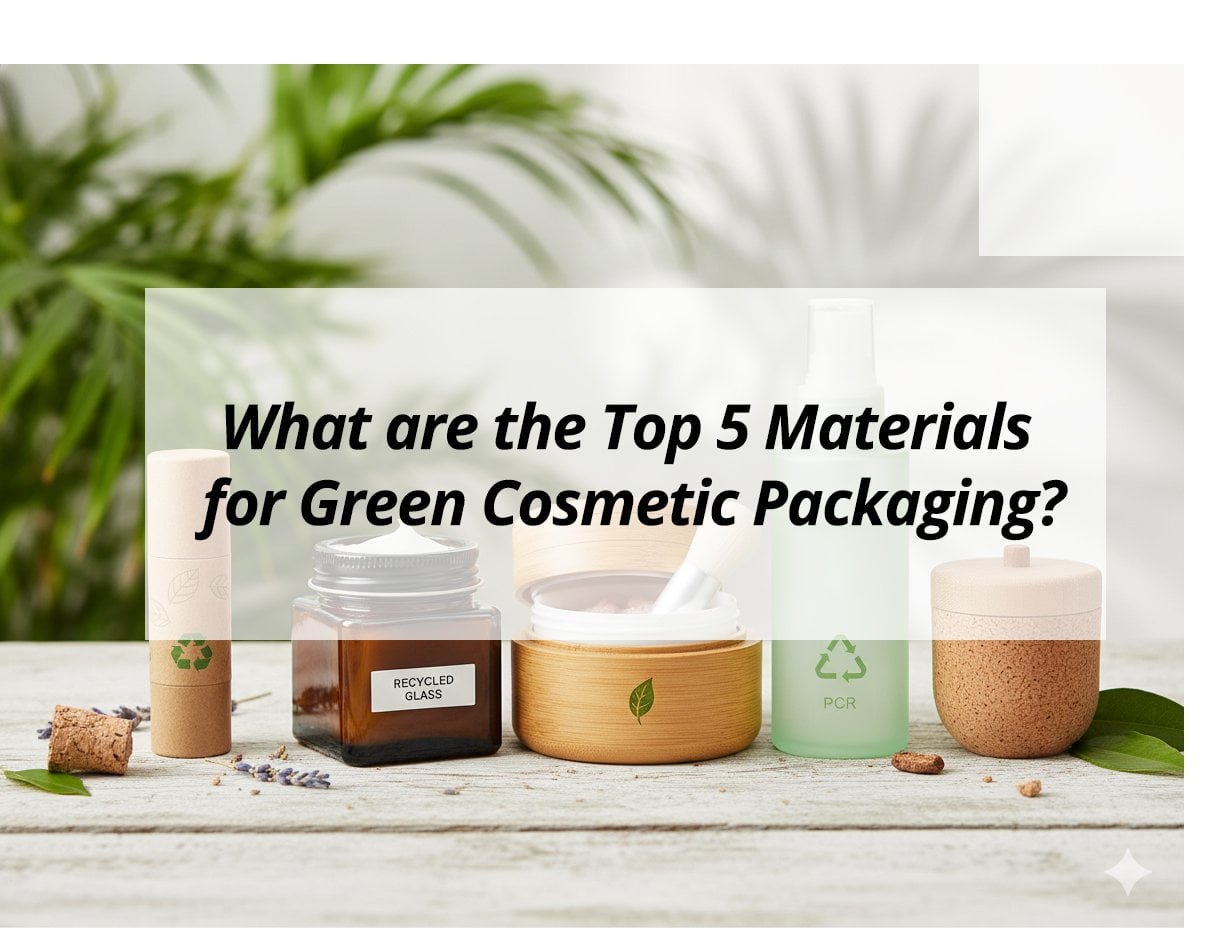
Struggling to choose eco-friendly cosmetic packaging materials for your brand? You're not alone; many find it challenging. Let’s explore the top materials for sustainable packaging.
Choosing the right green cosmetic packaging involves considering materials that are biodegradable, recyclable, or reusable. These options help minimize environmental impact while maintaining product quality. Opting for eco-friendly materials supports sustainability goals.
Understanding the materials and their benefits not only aligns with current environmental trends but also meets consumer expectations for eco-conscious products. Stay tuned as we delve into the essence of sustainable choices.
What are the 5 R's for the creation of sustainable packaging?
Curious about the principles guiding sustainable packaging? The 5 R's offer a clear roadmap.
The 5 R's involve Reduce, Reuse, Recycle, Renew, and Refill. These principles help create packaging that minimizes waste and environmental impact, promoting sustainability in the beauty industry.
These guiding principles encourage brands to rethink their packaging strategies, fostering a culture of environmental responsibility.
Understanding the 5 R's
Reduce
The principle of reducing focuses on minimizing material use. Brands can achieve this by optimizing designs to use less material without compromising functionality or aesthetics. This approach not only cuts costs but also reduces the environmental footprint of packaging production. By choosing lighter and thinner materials, and streamlining designs, brands can contribute significantly to waste reduction.
Reuse
Reusing packaging involves designing products that can be used multiple times before disposal. This includes creating durable containers that consumers can refill or repurpose. Encouraging consumers to reuse packages can extend their lifecycle, reduce waste, and integrate practical functionality into eco-friendly designs. The reuse strategy can be a powerful tool in influencing consumer habits towards more sustainable practices.
Recycle
Recycling focuses on ensuring that materials can be processed into new products post-consumption. Brands should prioritize using recyclable materials like glass, certain plastics, and metals. This approach promotes a circular economy where resources are continuously reused, reducing the need for new raw materials and environmental impact. Incorporating clear recycling instructions on packaging ensures consumer participation in this cycle.
Renew
Renewing materials involves using resources that are naturally replenished, such as bamboo or recycled content, in packaging. This strategy helps brands reduce reliance on finite resources and integrate sustainability into their sourcing practices. As consumer demand for green products rises, using renewable materials can also enhance brand loyalty and reputation.
Refill
Designing packaging for easy refilling can help significantly reduce waste. This involves creating containers that consumers can refill with product or repurpose for other uses. Refillable packaging calls for innovative designs that maintain product integrity while encouraging repeated use. This fosters a mindset of conservation and resource management, crucial for achieving long-term sustainability goals.
Table: Benefits of the 5 R's
| Principle | Benefits |
|---|---|
| Reduce | Lowers material consumption |
| Reuse | Extends packaging lifespan |
| Recycle | Provides new life to materials |
| Renew | Preserves natural resources |
| Refill | Minimizes waste significantly |
Embracing these principles enables brands to revolutionize packaging strategies, aligning them with eco-friendly standards and consumer expectations.
Which material is commonly used for eco-friendly packaging?
Ever wondered what material is most popular for eco-friendly packaging? Let’s uncover the answer.
Cardboard and paper are commonly used for eco-friendly packaging due to their recyclability and renewability. They offer a versatile option for brands aiming to meet sustainable goals.
These materials are versatile and sustainable, making them a favorite choice among environmentally conscious brands.
Exploring Cardboard and Paper
Cardboard & Paper
Cardboard and paper have emerged as leading materials in the eco-packaging sector due to their biodegradable nature and recyclability. Derived from renewable sources, they are suitable for creating diverse packaging solutions without environmental depreciation. Their ability to be recycled and reused multiple times minimizes the ecological footprint of packaging production. This versatility allows them to be molded into customized designs, meeting varied brand expectations.
Versatility
The adaptability of cardboard and paper makes them applicable for different cosmetic packaging designs. Brands can easily craft these materials into boxes, tubes, or wraps that protect products while exhibiting creative branding through printing and design customizations. This versatility not only assists in fulfilling aesthetic requirements but also reinforces a commitment to sustainability across various product lines.
Cost-Effective1
Sourcing recycled or responsibly harvested materials usually results in lower costs. Implementing paper and cardboard packaging is economically viable, enabling brands to manage expenses effectively. Cost-efficiency facilitates a gradual transition to eco-conscious practices without imposing financial strain, ensuring a balance between economic and ecological objectives.
Consumer Appeal2
Eco-friendly packaging resonates with consumers who are increasingly prioritizing sustainability in purchasing decisions. Using green materials reflects a brand's dedication to environmental intrinsic values, strengthening consumer relationships and brand fidelity. By leveraging this demand, brands not only capture market share but also contribute positively to environmental goals.
Table: Features of Cardboard & Paper
| Feature | Impact |
|---|---|
| Biodegradable | Break down naturally |
| Recyclable | Easily processed post-use |
| Customizable | Fits many design needs |
| Cost-effective | Reduces production expenses |
The adoption of cardboard and paper not only satisfies sustainability criteria but also brings functional advantages to brands pursuing environmentally sound business strategies.
What is the packaging material for cosmetics?
Wondering what materials are traditionally used for cosmetics? Discover your answer here.
Cosmetic packaging is typically made from glass, plastic, and metal due to their durability and versatility. These materials are reliable and provide a broad range of design options.
Understanding traditional materials helps identify opportunities for integrating sustainable practices into existing packaging approaches.
Traditional Packaging Materials
Glass
Glass is revered for its chemical inertness, ensuring the purest form of product containment. Its recyclability is unparalleled, allowing endless reprocessing without degrading material quality. Glass bottles and jars preserve product integrity and extend shelf life due to their robust nature. Employing glass not only enhances aesthetic appeal but also commits to sustainable practices given its recyclable properties.
Plastic
Plastics dominate the packaging industry for their lightweight flexibility. While traditional plastics pose environmental challenges, innovations in recyclable plastics have paved the way for eco-friendly alternatives. High-quality recyclable plastics maintain packaging integrity while meeting sustainability goals. These materials offer diverse design possibilities without compromising on environmental responsibilities.
Metal
Metals like aluminum are favored for their durability and recyclability. Providing resilient protective packaging, metals guard cosmetic products against external factors while promoting long-term environmental benefits. With infinite recyclability, metals align effectively with sustainability initiatives. Their robustness complements cosmetic packaging needs, maintaining product safety while heralding ecological intentions.
Table: Traditional Cosmetic Material Attributes
| Material | Attributes |
|---|---|
| Glass | Non-reactive, endlessly recyclable |
| Plastic | Lightweight, recyclable options |
| Metal | Durable, recyclable |
Exploring traditional materials reveals opportunities for sustainable improvement and integration within established packaging routines.
What are the 7 R's of sustainable packaging?
Thinking about how to maximize sustainability in packaging? The 7 R's offer comprehensive guidelines.
The 7 R's include Reduce, Reuse, Recycle, Renew, Refuse, Replace, and Rot. Implementing these strategies fosters a holistic approach to packaging sustainability.
Building upon the foundational 5 R's, the additional guidelines expand the scope of environmental responsibility in packaging.
Expanding Sustainability with the 7 R's
Refuse
Refusing non-essential materials challenges the status quo, encouraging brands to minimize unnecessary consumption. This aspect of refusal empowers businesses to prioritize sustainable sourcing decisions and focus on critical production necessities. By eliminating excess, brands contribute significantly to reducing environmental impacts and fostering resource conservation.
Replace
Replacement involves seeking alternative materials that offer sustainable benefits. Whether it's substituting conventional plastics with biodegradable variants or opting for recyclable metals, replacing outdated materials can innovate packaging designs. This approach encourages the development of greener solutions, vital for progressing toward ecologically balanced practices.
Rot
Rot emphasizes the importance of biodegradable materials that naturally decompose after use. Integrating materials like compostable polymers within packaging ensures seamless integration into natural cycles. This approach supports circular ecosystems, reducing landfill waste and enriching soil quality. By focusing on rot-friendly materials, brands cultivate genuine sustainability that aligns with comprehensive environmental ideals.
Table: Extended Benefits of the 7 R's
| Principle | Extended Benefits |
|---|---|
| Refuse | Reduces environmental footprint |
| Replace | Encourages innovation |
| Rot | Supports circular ecosystems |
By incorporating the extended principles of the 7 R's, brands pave the way for more sophisticated environmental strategies that exceed foundational sustainability efforts.
My insights: The Top 5 Materials for Green Cosmetic Packaging
Seeking eco-friendly options for cosmetic packaging? Explore the top sustainable materials that balance practicality with environmental responsibility.
The top materials for green cosmetic packaging include post-consumer recycled plastics, PLA bioplastics, bamboo, aluminum, and glass. These materials offer sustainability through recyclability, biodegradability, and renewable sourcing, catering to eco-conscious consumers and brands.
Exploring Sustainable Packaging Materials in Cosmetics
1. PCR Plastics:
- Sustainability: Made from recycled plastics, reduces virgin material use.
- Benefits: Supports a circular economy, lowers carbon footprints, and is versatile for bottles and tubes.
2. PLA Bioplastics:
- Source: Derived from cornstarch or sugarcane.
- Benefits: Compostable and non-toxic, ideal for jars and films, minimizing pollution.
3. Bamboo:
- Features: Rapid growth, lightweight, antibacterial.
- Benefits: Fully biodegradable, renewable, adds premium aesthetics to caps and compacts.
4. Aluminum:
- Properties: Infinitely recyclable, lightweight, corrosion-resistant.
- Benefits: Reduces transport emissions, maintains quality through recycling cycles.
5. Glass:
- Qualities: Endless recyclability, durable.
- Benefits: Pairs with sustainable lids, supports premium branding even with heavier weight.
Quick Reference Table:
| Material | Sustainability Benefits |
|---|---|
| PCR Plastics | Recycled content, circular economy |
| PLA Bioplastics | Compostable, non-toxic |
| Bamboo | Renewable, biodegradable, antibacterial |
| Aluminum | Recyclable, low emissions |
| Glass | Reusable, pairs with bamboo lids |
By integrating these materials, brands can effectively reduce their environmental impact while appealing to eco-conscious consumers.
Conclusion
By choosing top materials for green cosmetic packaging and applying the R's principles, brands can elevate their sustainability efforts successfully.