
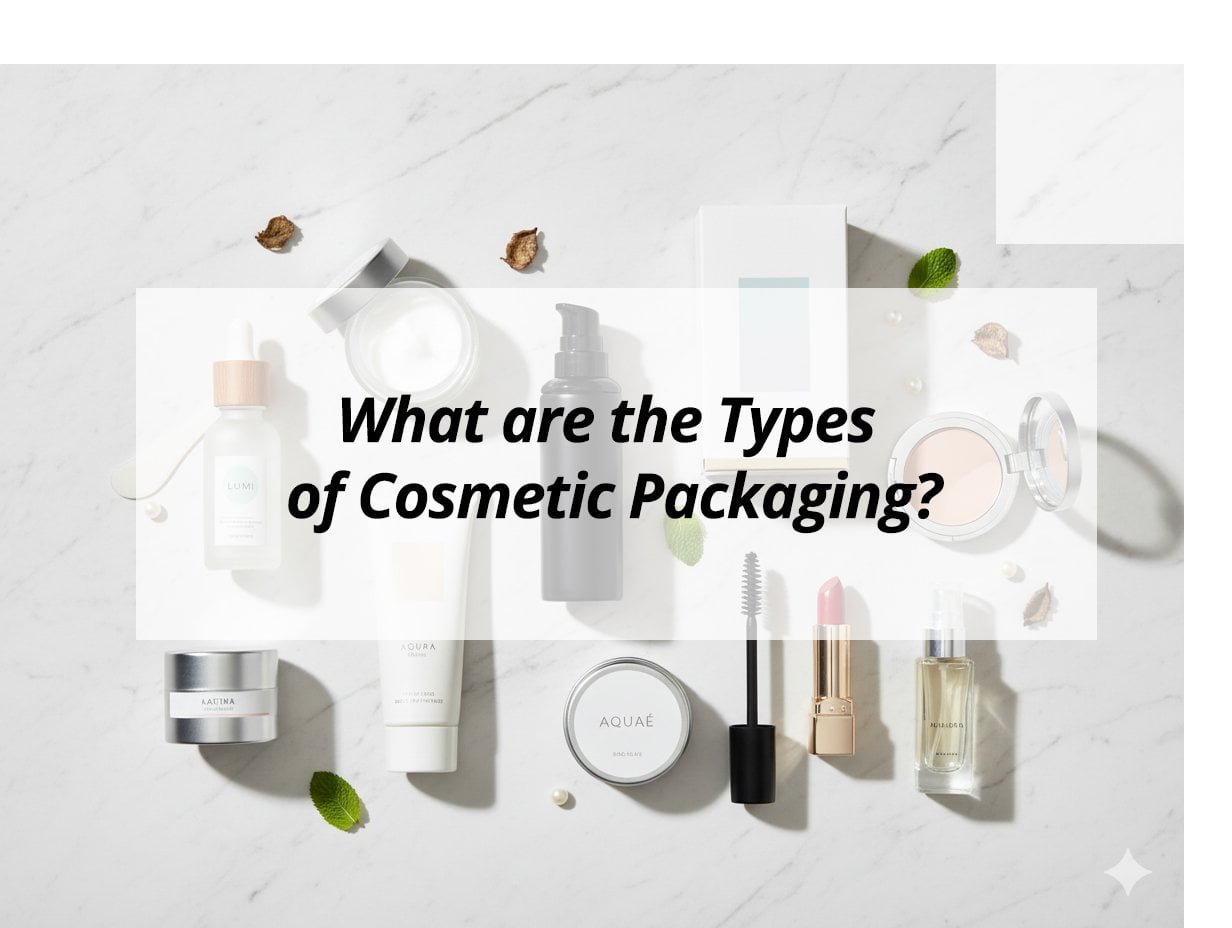
Are you a brand owner or buyer wondering about cosmetic packaging? Choosing the right type is critical. It impacts product safety, shelf appeal, and your brand's image.
Cosmetic packaging comes in many forms. These include primary, secondary, tertiary, and quaternary types. Materials range from plastics and glass to metals and paper. The most eco-friendly options often involve recycled content or biodegradability. The FDA regulates cosmetic labeling, but generally not the safety of packaging materials themselves.
Selecting the best packaging involves understanding these types and regulations. It helps you make informed choices for your products.
What are the Four Main Types of Packaging?
Understanding the main types of packaging is important in the cosmetic industry. These categories help define a product's journey from manufacturing to the consumer. Each type serves a specific purpose, providing protection, information, and marketing appeal.
The four main types are primary, secondary, tertiary, and quaternary packaging1. They work together. Each layer adds protection and handles logistics. I have seen how a clear understanding of these types helps streamline the packaging process. It ensures products arrive safely and look good.
What is Primary Packaging?
Primary packaging is the first layer that holds the cosmetic product. It is often called the retail packaging. This packaging is in direct contact with the product. Therefore, its material must be safe and not react with the cosmetic formula.
- Function: Primary packaging protects the product from contamination. It preserves its integrity and prevents leakage. It also provides information like ingredients and usage.
- Examples: Common examples include bottles, jars, tubes, compacts, and spray cans. For instance, a lipstick tube is primary packaging2. A cream jar is also primary packaging.
- Material Choice: Materials like glass, various plastics (PE, PP, PET), and aluminum are common. The choice depends on the product's nature. It also depends on desired aesthetics and cost.
Consider a lotion bottle. It holds the lotion directly. It protects the lotion from air and microbes. It also allows consumers to dispense the product. The material of this bottle is chosen carefully. It prevents any chemical reactions. This ensures the lotion remains stable and safe for use.
What is Secondary Packaging?
Secondary packaging wraps around the primary packaging. It does not touch the product directly. This type groups multiple primary packages. It provides additional protection and branding space.
- Function: Secondary packaging offers extra protection during transport. It also allows for branding and marketing information. It makes products easier to display in stores.
- Examples: Paperboard cartons, display boxes, and shrink-wrap around multiple items are typical. For instance, a box holding a perfume bottle is secondary packaging3.
- Marketing Role: This packaging often features elaborate designs. It attracts consumers and communicates brand identity. It also displays essential product details.
I once worked on a project for an eyeshadow palette. The eyeshadow pans were in a primary compact. This compact then went into a beautifully designed paperboard box. That box was the secondary packaging. It protected the compact. It also showcased the brand's luxury image.
What is Tertiary Packaging?
Tertiary packaging is for bulk handling and shipping. It protects products during long-distance transportation. This packaging groups multiple secondary packages. It makes them easy to move with forklifts and other equipment.
- Function: Its main goal is to ensure safe transit of large quantities. It minimizes damage and simplifies logistics.
- Examples: Corrugated cardboard boxes (master cartons) and wooden pallets are common. A large cardboard box holding many individual cosmetic boxes is tertiary packaging.
- Efficiency: This packaging is designed for strength and stacking. It optimizes space in warehouses and shipping containers.
| Packaging Type | Contact with Product | Main Purpose | Typical Materials |
|---|---|---|---|
| Primary | Yes | Protection, containment, dispense | Plastic, Glass, Metal |
| Secondary | No | Branding, additional protection | Paperboard, Cardboard |
| Tertiary | No | Bulk shipping, logistics | Corrugated Cardboard, Wood |
What is Quaternary Packaging?
Quaternary packaging is the outermost layer. It holds multiple tertiary packages together for shipment. It facilitates the movement of goods in a supply chain.
- Function: This type ensures stability and security for very large shipments. It optimizes loading and unloading processes.
- Examples: Stretch wrap, heavy-duty strapping, and large crates covering entire pallets are quaternary. A plastic film wrapping a pallet full of master cartons is quaternary packaging.
- Logistics: It is crucial for efficient warehouse management and freight shipping. It keeps palletized goods stable during transit.
Understanding these four types helps manage the entire packaging process. It ensures product safety and efficient delivery from the factory to the consumer.
What are the Packaging Materials for Cosmetics?
Cosmetic packaging uses a wide range of materials. Each material has unique properties. These properties affect product protection, appearance, cost, and environmental impact. Choosing the right material is a critical decision.
The goal is to find materials that protect the cosmetic. They also need to look good. They must be cost-effective and safe. Common materials include plastics, glass, metals, and paper-based options.
What are the Common Plastic Materials?
Plastics are very popular for cosmetic packaging. They are versatile, lightweight, and often cost-effective. Different types of plastics offer varying properties.
- Polyethylene (PE): This includes LDPE (Low-Density Polyethylene) for flexible tubes and HDPE (High-Density Polyethylene) for stiffer bottles. It is widely used due to its flexibility and chemical resistance.
- Polypropylene (PP): PP is more rigid than PE. It has good heat resistance. It is often used for caps, jars, and compacts.
- Polyethylene Terephthalate (PET): PET is known for its clarity and barrier properties. It is common for transparent bottles for lotions and toners.
- Acrylic (PMMA): Acrylic offers a premium, glass-like appearance. It is used for high-end jars and bottles. It is durable but can be more expensive.
For example, a lip gloss tube is often made from PET or a softer plastic like PE. This allows the user to squeeze the product out. The clarity of PET shows the product color well.
What About Glass Packaging?
Glass provides a premium feel and excellent barrier properties. It is non-reactive, which is good for sensitive cosmetic formulas.
- Advantages: Glass is inert. It does not leach chemicals into the product. It offers a luxurious look and feel. It is also recyclable.
- Disadvantages: Glass is heavy. It is fragile. This increases shipping costs and the risk of breakage.
- Uses: It is common for serums, perfumes, and high-end creams.
I have seen many brands choose glass for their luxury skincare lines. The weight and clarity of a glass jar enhance the perceived value of the product. This makes it a popular choice despite its fragility.
What Role Do Metals Play?
Metals like aluminum are used for various cosmetic packaging. They offer strong barrier properties and a sleek appearance.
- Aluminum: Used for tubes (e.g., hand creams), aerosol cans (e.g., hairsprays), and small tins. It is lightweight, durable, and recyclable. It offers an excellent barrier against light and air.
- Tinplate: Used for compacts and tins. It provides good protection and allows for intricate designs.
What About Paper and Cardboard?
Paper-based materials are primarily for secondary packaging. However, innovations are leading to more primary uses.
- Paperboard: Widely used for folding cartons, boxes, and sleeves. It is printable and cost-effective.
- Molded Fiber: This material is becoming more common for internal trays and custom inserts. It is sustainable.
| Material Type | Pros | Cons | Typical Cosmetic Packaging |
|---|---|---|---|
| Plastics | Lightweight, versatile, cost-effective | Environmental concerns, barrier limits | Tubes, bottles, jars, compacts |
| Glass | Premium feel, inert, recyclable | Heavy, fragile, higher cost | Serums, perfumes, creams |
| Metals | Strong barrier, durable, recyclable | Heavier than plastic, cost | Tubes, aerosol cans, tins |
| Paper-based | Sustainable, printable, lightweight | Barrier limitations, sensitive to moisture | Boxes, cartons, eco-friendly primary |
Each material choice affects the product's entire lifecycle. This includes manufacturing, shipping, consumer use, and disposal.
What is the Most Eco-Friendly Cosmetic Packaging?
Concerns about environmental impact trouble many cosmetic brands. Choosing truly eco-friendly packaging can be confusing. It involves many factors beyond just material.
The most eco-friendly cosmetic packaging often includes post-consumer recycled (PCR) plastics, highly recyclable glass and aluminum, and refillable systems. These options significantly reduce virgin material use and waste throughout the product lifecycle.
However, certain trends and materials are generally considered more sustainable. These focus on reducing environmental impact throughout the product's life.
What are Sustainable Material Choices?
Choosing materials with lower environmental footprints is a key step.
- Post-Consumer Recycled (PCR) Plastics: Using plastics made from recycled consumer waste reduces demand for virgin plastics. This lowers energy consumption and waste. Examples include PCR PET, PCR HDPE, and PCR PP.
- Glass and Aluminum: Both are highly recyclable. They can be recycled repeatedly without significant loss of quality. Their recycling infrastructure is well-established in many regions.
- Paper and Cardboard: These are often sourced from sustainably managed forests (FSC certified). They are recyclable and biodegradable.
- Bamboo: A fast-growing, renewable resource. It is used for outer packaging or components.
A brand recently decided to switch their popular body cream to a PCR HDPE jar. This significantly reduced their carbon footprint. The visual quality of the packaging remained high.
What About Refillable and Reusable Packaging?
Refillable and reusable packaging systems are very eco-friendly. They reduce the need for entirely new packaging with each purchase.
- Mechanism: Consumers buy a product in a durable, reusable container. They then purchase refills in minimal packaging.
- Benefits: This drastically cuts down on material consumption and waste. It also fosters customer loyalty.
- Examples: Refillable compacts for powders, lipstick cases, and larger skincare containers are becoming more common.
Consider a luxurious face cream sold in a heavy glass jar. Offering a smaller, recyclable plastic insert as a refill reduces the environmental impact greatly. The consumer keeps the premium outer jar.
What are Biodegradable and Compostable Options?
These materials break down naturally at the end of their life.
- Biodegradable Plastics4: These plastics decompose through natural processes. They often require specific conditions to fully break down.
- Compostable Materials: These materials break down into natural elements in a compost environment. They leave no toxic residue. Examples include some plant-based bioplastics (PLA).
- Considerations: It is important to ensure proper disposal infrastructure exists. Without it, these materials may not offer full environmental benefits.
| Eco-Friendly Strategy | Description | Benefits | Challenges |
|---|---|---|---|
| PCR Materials | Using recycled content in new packaging | Reduces virgin material demand, waste | Availability, quality consistency |
| Refillable/Reusable | Designing packaging for repeated use | Drastically reduces material consumption | Consumer adoption, sanitation |
| Biodegradable/Compostable | Materials that break down naturally | Reduces landfill waste | Specific disposal infrastructure needed |
| Lightweighting | Reducing the amount of material per package | Lowers shipping emissions, material use | Maintaining structural integrity |
The most eco-friendly solution is a combination of these approaches. It focuses on reducing, reusing, and recycling.
Does FDA Regulate Cosmetic Packaging?
Are you concerned about FDA rules for your cosmetic packaging? Many manufacturers worry about compliance. Understanding the FDA's specific role is crucial.
The FDA primarily regulates cosmetic labeling and ingredient safety, not pre-approving packaging materials. Manufacturers bear the responsibility for ensuring their packaging is safe and does not adulterate the cosmetic product.
The responsibility for ensuring the safety of cosmetic packaging rests with the manufacturers. They must ensure their packaging materials are safe for their intended use.
What Does the FDA Regulate Regarding Cosmetics?
The FDA's main focus is on ensuring cosmetics are safe when used as directed.
- Labeling: The FDA requires specific information on cosmetic labels. This includes the ingredient list, net quantity of contents, and warnings. The packaging must correctly display this information.
- Adulteration: A cosmetic is considered "adulterated" if it contains any harmful substance. This includes substances that might migrate from the packaging into the product. Manufacturers must ensure packaging does not adulterate the product.
- Misbranding: A cosmetic is "misbranded" if its labeling is false or misleading. This also applies if required information is missing. The packaging must not mislead consumers.
The FDA does not require cosmetic companies to register their facilities or products. They also do not require product testing. However, they can take action if a product is found to be unsafe or mislabeled after it is on the market.
What About Packaging Material Safety?
The FDA expects manufacturers to ensure their packaging materials do not cause the cosmetic product to become unsafe.
- Material Compatibility: Packaging materials must not react with the cosmetic formula. They must not leach harmful substances into the product. This could change the product's safety or effectiveness.
- Good Manufacturing Practices (GMP): Manufacturers should follow GMP guidelines. This includes controlling the quality of packaging materials.
- Consumer Safety: The ultimate goal is to protect the consumer. Packaging should not pose a risk.
There was a case where a certain plastic was found to leach a substance into a facial cream. This made the cream unsafe. The FDA stepped in. They required the manufacturer to recall the product. This highlights the manufacturer's responsibility for packaging safety.
Does the FDA Approve Packaging Suppliers?
No, the FDA does not approve packaging suppliers or specific packaging materials for cosmetics.
- Manufacturer's Responsibility: Cosmetic manufacturers are responsible for selecting safe packaging. They must test their products and packaging for compatibility.
- Third-Party Testing: Many manufacturers use third-party labs. These labs test packaging materials for safety and compatibility.
- Voluntary Compliance: The industry largely operates on voluntary compliance with safety standards.
| FDA Focus Area | Role in Cosmetic Packaging | Implication for Manufacturers |
|---|---|---|
| Labeling | Mandates correct and truthful information on primary/secondary packaging | Must ensure packaging design accommodates required label elements |
| Adulteration | Prohibits harmful substances, including those from packaging | Responsible for material compatibility and non-leaching properties |
| Misbranding | Prevents false or misleading claims/information on packaging | Must ensure all packaging claims are truthful and complete |
| Material Approval | Does not pre-approve specific packaging materials | Must conduct due diligence and testing to ensure material safety |
While the FDA does not approve packaging upfront, manufacturers must ensure their choices comply with safety regulations. This protects both consumers and the brand's reputation.
My insights: Exploring the Types of Cosmetic Packaging
Confused by the variety of cosmetic packaging options? Discover the diverse types available to elevate your product presentation.
Cosmetic packaging includes tubes, bottles, jars, compacts, and more. These containers vary by function and design to protect, dispense, and enhance the appeal of cosmetics, ranging from classic jars to modern airless containers.
A Comprehensive Guide to Cosmetic Packaging Types
1. Packaging Layers:
- Primary Packaging: Direct contact with products, including jars, bottles, and tubes.
- Secondary Packaging: Boxes or sleeves for branding and protection.
- Tertiary Packaging: Cartons for shipping and protection.
2. Common Container Types:
| Type | Uses | Materials |
|---|---|---|
| Jars and Pots | Thick creams, balms, masks | Glass, plastic |
| Bottles | Liquids like shampoos, serums | Glass, plastic |
| Tubes | Creams, gels, makeups | Plastic, aluminum |
3. Specialized Formats:
- Airless Pump Bottles: Ideal for sensitive formulas.
- Droppers and Vials: Precise dosing for serums and oils.
- Compacts and Sticks: For powders and solid products.
Cosmetic packaging serves both practical and aesthetic purposes, offering options tailored to product needs and brand identity.
Conclusion
Cosmetic packaging covers four types, using diverse materials like plastics and glass. Eco-friendly options are recycled or reusable. Manufacturers handle safety; FDA oversees labeling.
-
Find out how quaternary packaging enhances stability and efficiency in shipping processes. ↩
-
Explore this link to understand how primary packaging protects cosmetic products and its importance in the industry. ↩
-
Learn about secondary packaging's function in branding and protection during transport. ↩
-
Learn about biodegradable plastics and their role in reducing landfill waste. ↩