
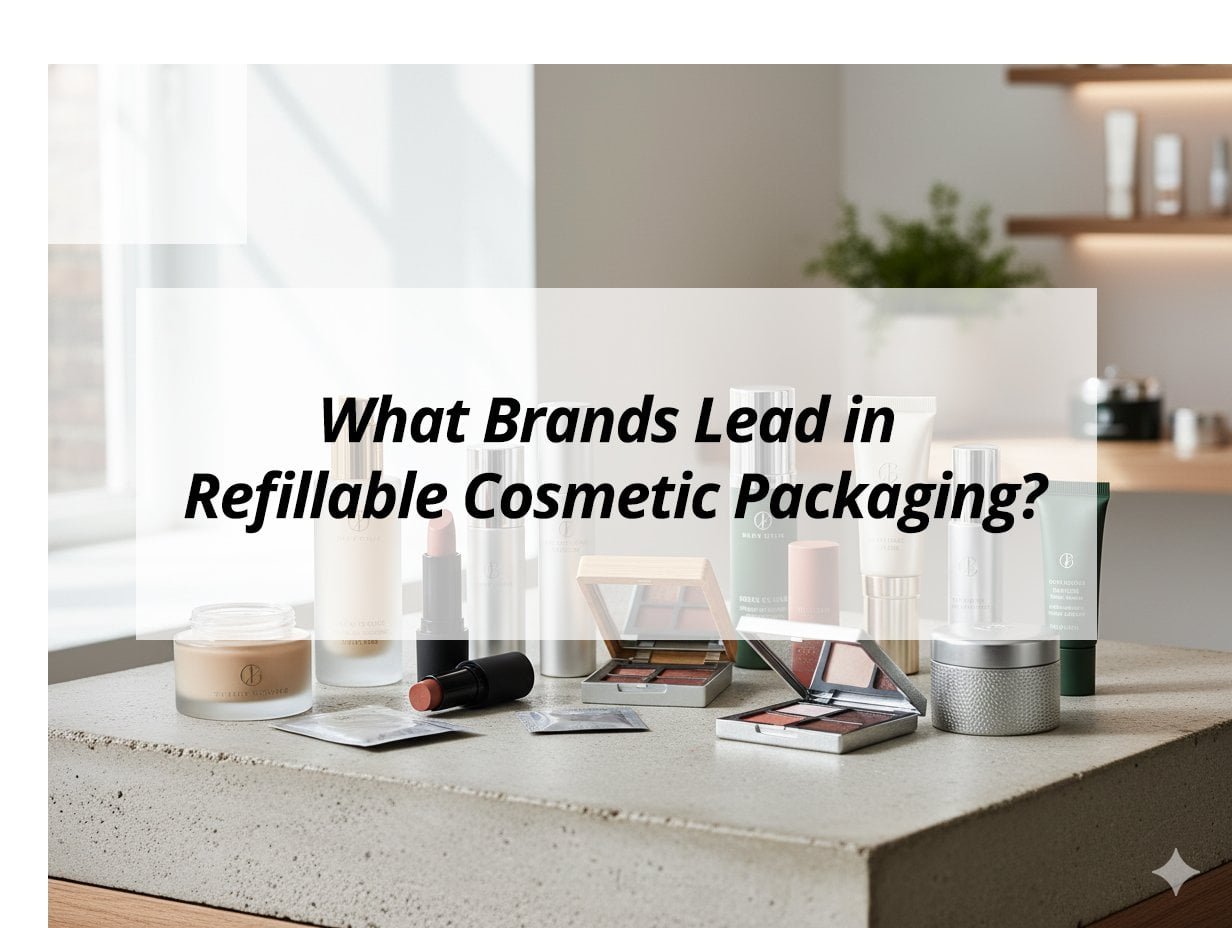
In a world increasingly focused on sustainability, refillable cosmetic packaging is gaining momentum. The pressure for more eco-conscious options is reshaping the beauty industry.
Brands leading in refillable cosmetic packaging focus on eco-friendly design, innovation, and waste reduction, providing consumers with sustainable and convenient alternatives. These brands address environmental concerns while offering high-quality, customizable beauty solutions that align with responsible consumer practices.
Today, consumers are demanding more than just quality from their cosmetics; they want transparency and sustainability. Brands responding to these needs are not just industry leaders but also champions of environmental responsibility.
What Cosmetic Brands Have Lead?
Consumers are more concerned about safety and transparency in their products. Many have turned to brands that uphold these values through rigorous production standards.
Leading cosmetic brands eliminating lead include those with rigorous quality control1 and a focus on clean, safe formulations. These brands offer products that are free from hazardous substances, ensuring user safety.
This topic by exploring the proactive measures these brands adopt to maintain purity. By implementing stringent sourcing and manufacturing processes, they ensure products are devoid of heavy metals. These brands often invest heavily in research and technology to find alternative, safer ingredients. Taking a proactive stance on safety regulations helps build consumer trust and brand loyalty.
Importance of Clean Formulations
- Quality Control: Ensures safe production and minimizes risks.
- Transparency: Provides detailed ingredient lists, enhancing trust.
- Innovation: Drives continual research for safer alternatives.
Brands committed to such standards not only protect their consumers but also position themselves as industry leaders in safe beauty practices.
What is the Least Toxic Makeup Brand?
Concerns over toxicity in makeup are growing as awareness of potential health impacts increases.
The least toxic makeup brands focus on non-toxic ingredients, avoiding harmful chemicals and heavy metals. They emphasize safety throughout their production processes, prioritizing consumer health.
Understanding which brands prioritize clean beauty by examining their ingredient lists and safety certifications2. Brands earn trust by offering products formulated with naturally derived ingredients, avoiding synthetic chemicals. They often carry certifications from reputable organizations that validate their claims of non-toxicity.
Key Features of Non-Toxic Brands
| Feature | Description |
|---|---|
| Natural Ingredients | Minimizes health risks and side effects. |
| Certifications | Serve as proof of safety and ethical commitment. |
| Consumer Education | Provides transparency on product safety through informative marketing. |
By highlighting natural formulations3 and commitment to consumer safety, these brands effectively build lasting relationships with their customers.
How to Know if Makeup Has Lead?
Consumers are wary of lead in cosmetics due to significant health concerns, emphasizing the need for careful product evaluation.
To determine if makeup has lead, check for full ingredient disclosure and third-party testing certificates. Brands that are transparent about testing practices are usually more trustworthy.
Methods for detecting lead in cosmetics by exploring the role of regulatory bodies and testing practices. Learning to scrutinize ingredient labels is crucial. Consumers should be aware of regulatory limits and demand proof of safety claims. Many responsible brands now offer detailed reports and testing results, fostering informed decision-making.
Steps to Ensure Lead-Free Products
- Ingredient Check: Look for full disclosure on packaging and online.
- Third-Party Testing: Seek independent verification of safety where available.
- Certifications: Validate safety claims with trusted seals and endorsements.
Understanding these practices empowers consumers to choose products that prioritize health and safety.
What Cosmetics Contain Heavy Metals?
Heavy metals in cosmetics raise significant health concerns, making it crucial to identify which products pose risks.
Cosmetics containing heavy metals are often identified by their ingredient lists, which may include trace metallic components. Monitoring these lists and opting for certified products is vital.
Understanding heavy metals in cosmetics by researching which types and sources are prone to contamination. Metals might inadvertently enter products through raw materials, highlighting the importance of rigorous supplier quality checks. Brands committed to safety often publicly share their testing protocols and results.
Recognizing Sources and Risks of Heavy Metals
- Raw Materials: May be naturally contaminated and require thorough testing.
- Supplier Integrity: Ensures safe sourcing of ingredients through stringent vetting.
- Testing Protocols: Regular checks and transparent reporting reduce risks.
By understanding these risks, consumers can select products that prioritize safety and minimize exposure to harmful substances.
My insights: The Brands Lead in Refillable Cosmetic Packaging
Striving for a sustainable beauty routine? Discover which brands are leading the charge in refillable cosmetic packaging4.
Kjaer Weis, Fenty Beauty, and Lush lead in refillable packaging, offering sustainable solutions for makeup, skincare, and haircare. These brands prioritize reusability, reducing waste, and supporting eco-friendly beauty practices.
Exploring Leaders in Refillable Cosmetic Packaging
Makeup Pioneers:
- Kjaer Weis: Renowned for luxury refillable designs, offering durable metal compacts for various products.
- Fenty Beauty: Mainstream refills for moisturizers, fragrances, and lipsticks using cartridge-style pods.
- La Bouche Rouge: Focuses on plastic-free, refillable metal, and leather cases for lipsticks and palettes.
Skincare Innovators:
- Humanrace: Uses refillable pods with durable outer shells made from recycled plastics.
- Tata Harper: Offers refill pods for moisturizers in reusable glass jars.
- Rebrand Skincare: Utilizes glass bottles with aluminum refills and promotes in-store refill stations.
Hair and Body Leaders:
- Ouai: Provides large refill pouches for shampoos and body washes with reusable pump bottles.
- The Body Shop: Runs in-store refill stations using aluminum bottles for popular products.
Fragrance and Luxury:
- Mugler: Offers refillable perfume bottles and in-store refills for fragrances.
- Hermès and Sisley: Provide select refillable lipsticks handling the outer case as reusable.
Comparison Table:
| Category | Brand | Refillable Innovation |
|---|---|---|
| Makeup | Kjaer Weis | Luxury metal compacts |
| Skincare | Humanrace | Recycled pods with outer shells |
| Hair & Body | The Body Shop | In-store aluminum refill stations |
| Fragrance | Mugler | Refillable perfume bottles |
By choosing these leading brands, consumers can contribute to a circular economy and embrace sustainable beauty choices.
Conclusion
Leading cosmetic brands focus on sustainability and safety, offering refillable and non-toxic options that benefit both consumers and the environment. Choosing these brands supports a healthier planet and lifestyle.
-
Understanding rigorous quality control helps consumers choose safer products and trust brands that prioritize safety. ↩
-
Safety certifications validate brand claims, ensuring consumers choose products that meet health and safety standards. ↩
-
Natural formulations minimize health risks, guiding consumers towards safer and more ethical beauty products. ↩
-
Exploring refillable packaging options promotes sustainability and helps consumers reduce waste in their beauty routines. ↩