
In our modern world, sustainability is not just a trend; it’s a necessity. The beauty industry, with its vast array of products, often faces challenges regarding recyclable packaging.
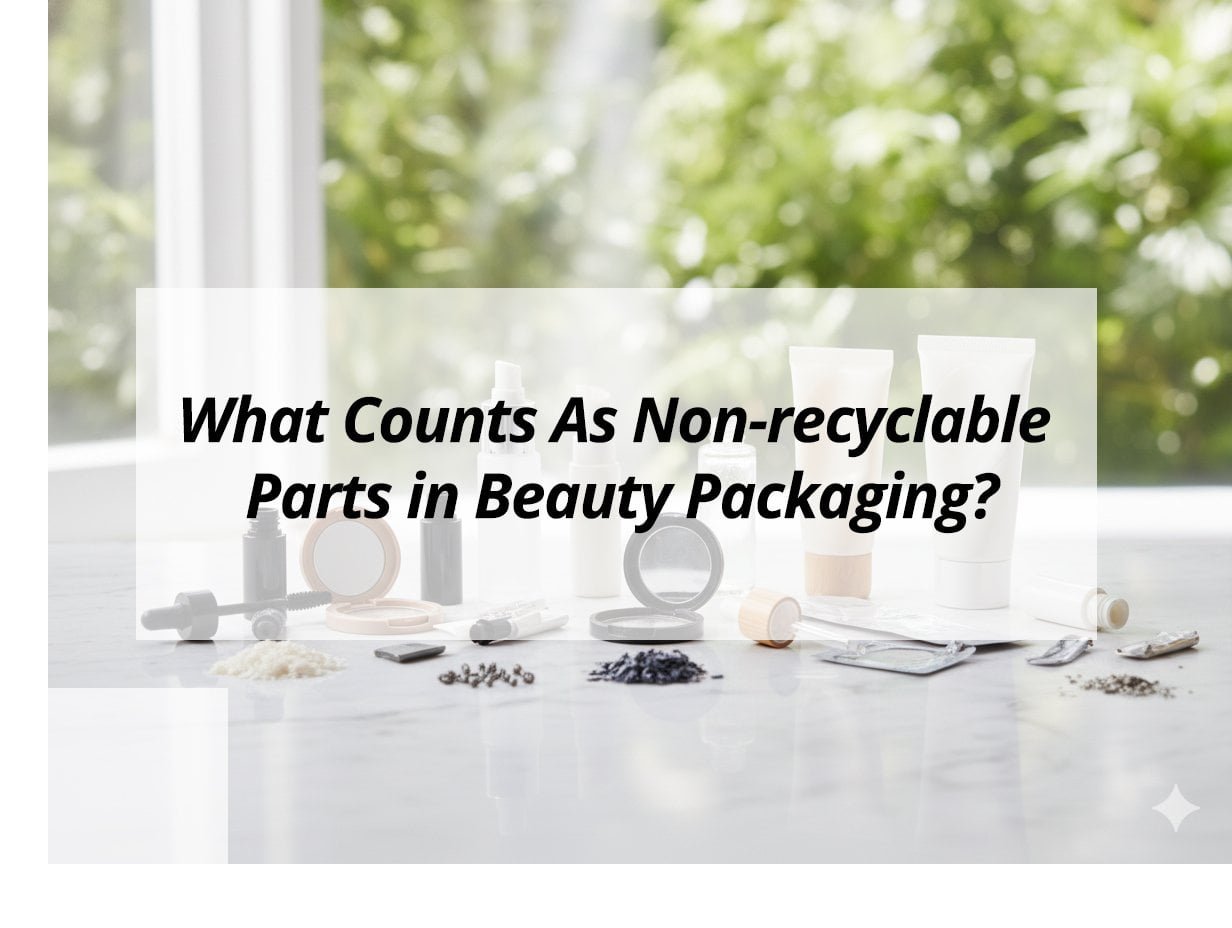
Non-recyclable parts in beauty packaging include pumps, laminated pouches, and certain plastic types due to their complex material mixes. Understanding these components helps consumers choose more sustainable cosmetic packaging, promoting environmentally-friendly decisions and reducing waste effectively by opting for recyclable alternatives.
Exploring these components allows us to make more eco-conscious decisions, promoting a shift towards plastic-free cosmetic packaging.
What beauty products cannot be recycled?
The quest for sustainability in the beauty industry often encounters obstacles, particularly in recycling efforts.
Beauty products like certain cosmetic jars1, mixed-material packaging2, and composite containers3 are often non-recyclable. This is due to the blend of materials that cannot be separated effectively. Opting for alternatives can contribute to more sustainable cosmetic packaging, minimizing environmental impact.
Why these materials pose recycling challenges and explore available eco-friendly options.
Complex Challenges
Many beauty products face recycling issues due to their material makeup:
- Jars with Metal Lids: These often combine glass or plastic with metal, complicating recycling processes.
- Plastic Tubes: Certain plastic types cannot be processed efficiently, ending up in landfills.
- Composite Containers: Layers fused together make them difficult to separate for recycling.
Brands can turn to materials like glass or fully recyclable plastics to innovate in sustainable packaging. Consumers demand this shift and actively seek brands offering eco-friendlier solutions. By addressing these challenges, companies not only enhance their environmental efforts but also align with consumer preferences for sustainable cosmetic packaging.
What are examples of non recyclable packaging?
Cosmetic packaging presents specific challenges when it comes to recyclability.
Non-recyclable packaging includes items like laminated pouches, pumps with metal springs, and multi-layer packaging. The complexity of these materials makes them unsuitable for standard recycling processes, pushing brands toward sustainable cosmetic packaging solutions.
Understanding these types of packaging helps consumers and brands make informed decisions for a greener future.
Unpacking the Complexity
Assessing non-recyclable packaging involves recognizing the complexity of material composition:
- Laminated Pouches: These involve multiple layers not easily separable by existing recycling technologies.
- Pumps with Metal Springs: Mixing plastics with metals in pumps poses challenges, as separating them is costly.
- Multi-layer Packaging: Different materials layered together—like plastic and foil—are difficult to recycle.
Brands can innovate by designing single-material products or exploring new technologies that process these materials. This innovation caters to growing environmental awareness among consumers. Transitioning to sustainable options is essential as it addresses both ecological concerns and market demand for plastic-free cosmetic packaging.
What are three examples of items that can not be recycled?
Many everyday beauty items contribute to unrecycled waste due to their construction.
Items like compact mirrors, nail polish bottles, and makeup wipes are typically non-recyclable. This is due to composite materials, chemical residues, or mixed components that make the recycling process ineffective. Consumer awareness is essential for choosing alternative options.
Knowledge of these items assists in making environmentally conscious choices.
Common Culprits
Here’s a closer look at specific items that elude recycling:
- Compact Mirrors: Made with a combination of glass and plastic, they are difficult to separate.
- Nail Polish Bottles: These contain residual chemicals that disrupt recycling processes.
- Makeup Wipes: Composed of mixed fibers, these are often not processable by waste facilities.
Adopting sustainable alternatives, such as reusable makeup pads or packaging made from single-material sources, can help. As awareness grows, consumers are better positioned to select products that support environmental goals. This shift not only caters to eco-friendly consumers but also fosters a movement towards less waste and greater sustainability in the beauty industry.
What plastic codes are non recyclable?
Navigating the world of plastics uncovers challenges in recycling certain types.
Plastics labeled with codes 3 (PVC), 6 (PS), and 7 (Other) are generally non-recyclable. These materials are difficult to process, creating challenges for recycling facilities. Opting for more sustainable cosmetic packaging alternatives is key to environmental responsibility.
Understanding plastic codes ensures better consumer choices and industry practices.
Navigating Plastic Complexity
Here's how to approach the recycling landscape with regard to plastic codes:
| Plastic Code | Description | Recyclability |
|---|---|---|
| 3 (PVC) | Used in cling wrap, bottles | Non-recyclable |
| 6 (PS) | Found in foam containers | Non-recyclable |
| 7 (Other) | Various compositions | Non-recyclable |
Choosing products with recyclable codes like 1 (PET) or 2 (HDPE) is recommended. These materials are more widely accepted by recycling facilities, making the transition smoother for companies and consumers alike. As brands move towards recyclable options, they not only support sustainability goals but also meet the growing consumer demand for eco-conscious products.
My insights: The Counts As Non-recyclable Parts in Beauty Packaging
Concerned about beauty packaging waste? Learn which components are often non-recyclable and why they pose challenges to sustainability.
Non-recyclable parts in beauty packaging include pumps with metal springs, multi-material sachets, laminated packaging, dark-colored plastics, and contaminated items. These components create challenges due to mixed materials, contamination, and lack of recycling infrastructure.
Identifying Non-recyclable Components in Beauty Packaging
Common Non-Recyclable Components:
Pumps with metal springs and mixed plastics are hard to separate curbside. Small items like caps, spouts, and lids often bypass sorting machinery. Lipstick tubes, mascara wands, and eyeshadow palettes with mixed materials aren’t easily recyclable.
Material and Design Issues:
Colored and black plastics resist reprocessing due to persistent pigments. Multi-layered items like foil-plastic tubes and laminated packaging pose contamination risks. Glass nail polish bottles, foam inserts, and glitter-coated materials are often excluded from recycling streams.
Comparison Table:
| Component Type | Challenges |
|---|---|
| Pumps/Mixed Plastics | Hard to separate materials |
| Small Caps/Lids | Bypass sorting machinery |
| Colored Plastics | Resistant to reprocessing |
| Multi-layer Packaging4 | Contamination and separation difficulties |
| Glass with Attachments | Exclusion due to mixed components |
Understanding these challenges helps consumers and brands make informed choices about packaging sustainability, encouraging the development of recyclable alternatives.
Conclusion
Understanding non-recyclable cosmetic packaging is crucial for promoting sustainability and making informed choices. By identifying non-recyclable components, consumers and brands can work towards more effective solutions, benefiting both the environment and market demands.
-
Explore the complexities of recycling cosmetic jars and how they impact sustainability. ↩
-
Learn about the issues with mixed-material packaging and its effects on recycling efforts. ↩
-
Understand the challenges posed by composite containers in the recycling process. ↩
-
Understand the complexities of multi-layer packaging in recycling processes. ↩