Navigating the sea of options for cosmetic packaging suppliers can be daunting. Finding the right one can transform your business's success.
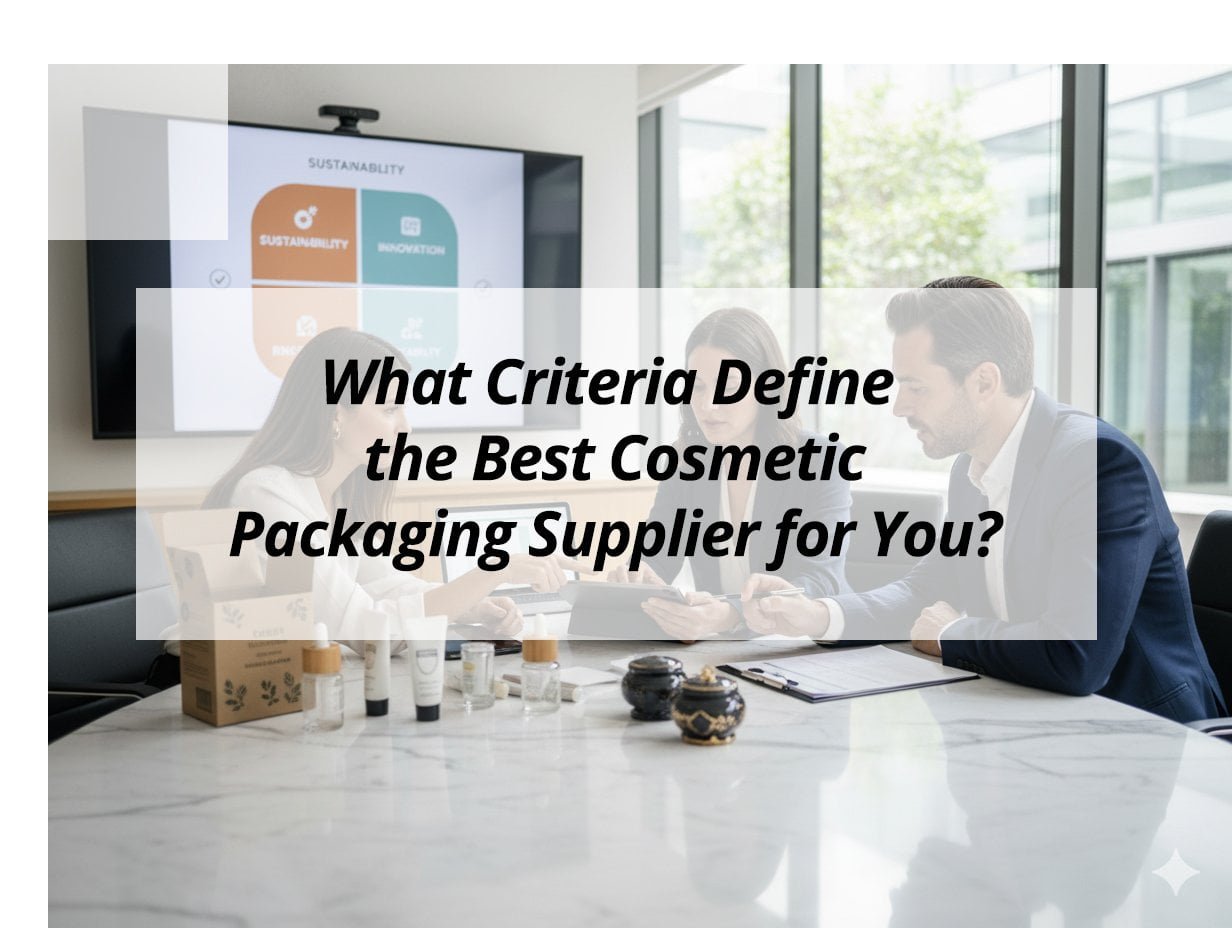
Selecting the best cosmetic packaging supplier requires assessing quality, customization options, pricing, and reliability. A top supplier not only reinforces your brand identity but also ensures practical needs like consistent quality and on-time delivery, crucial for maintaining customer satisfaction and operational efficiency.
Selecting the right supplier is crucial, offering not just packaging, but a partnership that impacts brand success.
What are the criteria for selection of packaging material?
Selecting the right packaging material is essential for product quality and brand success.
The criteria for selecting packaging material include durability, sustainability, cost-effectiveness, compatibility with the product, and aesthetic appeal. Custom cosmetic packaging1 allows brands to stand out with unique designs while maintaining product integrity.
To delve deeper into these criteria, consider the balance between aesthetic and practical needs. It's not just about looking good; packaging must protect and preserve.
Balancing Aesthetic and Practical Needs
Choosing packaging material involves multiple factors:
- Durability: Materials should withstand handling and protect the product.
- Sustainability: Eco-friendly options appeal to environmentally conscious consumers.
- Cost: Affordable materials keep overall product costs down.
- Compatibility: The material must match the product's nature, for example, not negatively reacting with cosmetics.
- Aesthetics: Attractive packaging enhances brand image and customer appeal.
Each factor plays a vital role. For custom cosmetic packaging, brands might choose materials like glass for high-end products or eco-friendly plastics to emphasize sustainability. This decision directly impacts customer perception and brand loyalty. Understanding and prioritizing these factors can guide effective decisions that align with brand values and market trends.
Where do cosmetic companies get their packaging?
Understanding where to source packaging can give a competitive edge.
Cosmetic companies often source packaging from specialized manufacturers globally, focusing on regions like China and Vietnam for cost efficiency and customization. These suppliers offer a wide range of cosmetic packaging solutions.
Discovering the ideal supplier means exploring different regions, materials, and customization capabilities. This information ensures informed decision-making.
Exploring Global Sourcing
Global sourcing offers diverse benefits and challenges:
- Cost Efficiency: Countries like China offer competitive pricing due to lower manufacturing costs.
- Customization: Many manufacturers offer custom cosmetic packaging to differentiate brands.
- Quality Assurance2: Establishing relationships ensures product quality aligns with brand standards.
- Logistics and Lead Times3: Consideration of shipping times and reliability is critical.
| Region | Benefits | Challenges |
|---|---|---|
| China | Cost-effective, customizable | Quality control, logistics |
| Vietnam | Affordable, reliable | Shipping times, communication |
Choosing suppliers from these regions provides an opportunity to cut costs while accessing superior customization capabilities. Balancing quality, communication, and logistics is key to successful partnerships.
What are the 6 requirements of packaging?
Packaging serves multiple purposes extending beyond just holding a product.
The six main requirements of packaging include protection, preservation, convenience, communication, safety, and functionality. Custom cosmetic packaging can fulfill these requirements, enhancing the product experience.
Understanding these requirements helps shape packaging strategies that align with both consumer expectations and brand values.
A Multidimensional Approach
Packaging requirements are multifaceted:
- Protection: Shielding products during transport and handling is essential.
- Preservation: Materials should maintain product quality over time.
- Convenience: Easy-to-use packaging appeals to consumers.
- Communication: Packaging should clearly convey brand and product information.
- Safety: It should ensure consumer safety and comply with regulations.
- Functionality: Packaging must be practical and user-friendly.
These requirements guide the design and material selection process for effective cosmetic packaging. For instance, airtight containers preserve product freshness, while branded designs boost marketing efforts. Addressing these needs creates an engaging customer experience that supports brand identity and loyalty.
What factors should be considered when choosing the type of packing for a product?
Choosing the right type of packing impacts brand perception and product performance.
Factors to consider include product nature, target audience, cost, environmental impact, and brand alignment. Custom cosmetic packaging helps tailor these elements to meet specific brand and consumer needs.
The decision process involves aligning packaging choices with brand strategy and consumer expectations.
Aligning Packaging Choices
Here are key considerations when deciding on packaging:
- Product Nature: Packing must suit the product, such as waterproof materials for liquid cosmetics.
- Target Audience: Understanding consumer preferences guides design and material choices.
- Cost: Balancing quality with affordability is crucial for long-term profitability.
- Environmental Impact: Sustainable options appeal to eco-conscious customers.
- Brand Alignment: Packaging should reflect brand personality and values.
These considerations ensure the packaging meets both functional and marketing needs. For example, luxury brands may opt for glass containers to convey premium quality. Emphasizing these factors crafts a cohesive brand story and support sales initiatives.
My insights: The Criteria Define the Best Cosmetic Packaging Supplier for You
Struggling to choose a cosmetic packaging supplier? Discover key criteria to help you find the perfect partner for your brand's needs.
The best cosmetic packaging supplier offers high-quality, durable materials, sustainable options, customization capabilities, competitive pricing, and reliable delivery. Additionally, strong customer support, compliance with industry standards, and a proven reputation are vital for ensuring success.
Key Criteria for Selecting a Cosmetic Packaging Supplier
Quality and Materials:
Choose suppliers offering high-quality, durable packaging materials like glass, PET, and aluminum. Ensure they comply with industry standards like ISO 9001 or GMP to guarantee consistency and safety. For sensitive formulations, consider options like airless pumps or UV-protective packaging.
Sustainability Focus:
Select suppliers providing eco-friendly materials, biodegradable options, and refillable designs. Look for certifications like FSC or ISO 14001, and consider PCR plastics or bamboo for sustainable alternatives.
Customization and Scalability:
Opt for suppliers that offer custom molds, color matching, and flexible MOQs. Ensure they can handle projects from small runs to large scale, with options for branding customizations like embossing or matte finishes.
Reliability and Support:
Prioritize suppliers with short lead times, strong communication, and a reliable supply chain. Their experience in your market, global shipping capabilities, and after-sales support build long-lasting partnerships.
Comparison Table:
| Criteria | Importance |
|---|---|
| Quality/Materials | Durability, product integrity, standards compliance |
| Sustainability | Meets consumer demand, eco-friendly options |
| Customization | Brand-specific needs, flexible production options |
| Reliability | Timely delivery, strong communication |
By focusing on these criteria, you can find a supplier that aligns with your brand's vision and operational needs.
Conclusion
Selecting the right cosmetic packaging supplier involves understanding material, sourcing, and strategic requirements. By focusing on these criteria, brands can enhance their market presence and consumer connection.