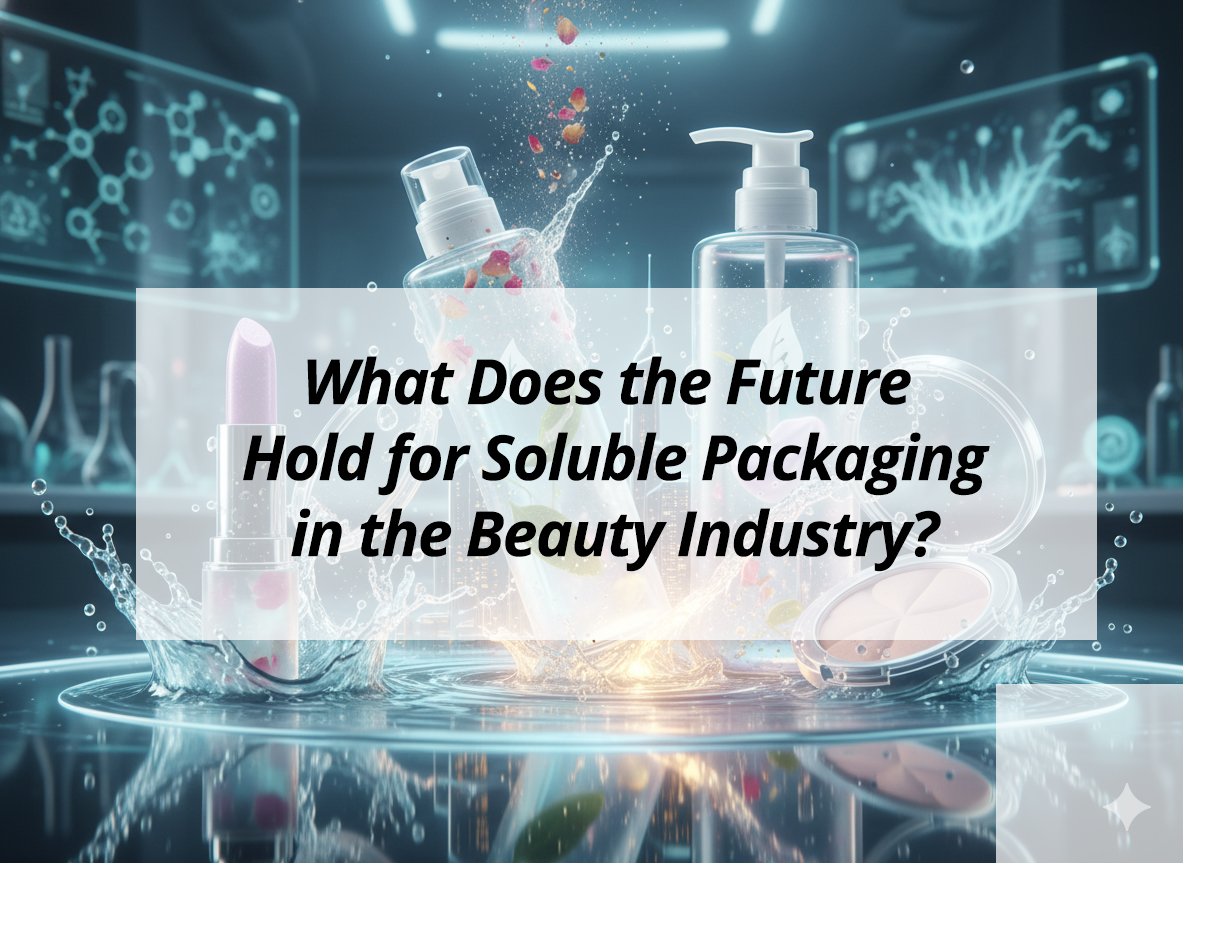
Plastic waste is a major problem for beauty brands. It harms the environment and brand reputation. Soluble packaging offers a smart solution to this challenge. It protects products and then disappears after use.
Soluble packaging will transform the beauty industry. It addresses the issue of waste effectively. This innovation provides new opportunities for brands and consumers. It benefits the environment. It also fulfills evolving consumer demands. This type of packaging is set to become widely adopted.
The packaging industry is experiencing significant changes. The shift towards soluble materials is profound. This helps businesses that focus on innovative solutions. New approaches are always being explored to support clients. Soluble packaging is a key component of future trends. It presents clear advantages for all involved.
What Are the Future Trends in the Packaging Industry?
Brands are under increasing pressure. Consumers want environmentally friendly options. This demand drives new ideas and developments. The future of packaging is sustainable and green.
The packaging industry is evolving rapidly. New materials and processes are emerging. These advancements help to minimize waste. They also make packaging more efficient. Sustainability is a primary focus for the industry. There is a clear move towards materials that degrade easily.
The packaging landscape has changed over time. Different materials have become popular. Now, the emphasis is on environmental responsibility. This is more than a passing trend. It represents a fundamental shift. Businesses are recognizing this requirement. They are seeking these types of solutions. This is important for their operations.
Key Drivers for Future Packaging Trends
Several factors influence packaging trends. Understanding these helps in forecasting.
- Consumer Preferences: People prefer sustainable products. They seek options with less waste. This encourages companies to adopt changes.
- Regulatory Frameworks: New laws often target plastic use. Countries implement rules for recycling. They also promote the use of alternative materials.
- Technological Advancement: New scientific discoveries create improved materials. Capabilities exist now that were not possible before. This includes various soluble polymers.
The Rise of Sustainable Materials
Sustainable materials form a significant part of the future. Soluble packaging is a prime example of this.
- Biodegradable Polymers: These materials break down naturally. They do not remain in landfills for extended periods.
- Compostable Packaging: These can be disposed of in compost facilities. They convert into organic matter.
- Recycled Content Use: Incorporating used materials to produce new products. This reduces the need for virgin resources.
Smart Packaging Innovations
Packaging is becoming more intelligent. Its functions extend beyond simply holding a product.
- QR Code Integration: Consumers can scan these codes. They access information about the product and its disposal.
- Integrated Sensors: These can monitor product freshness. They contribute to reducing product spoilage.
- Traceability Systems: Companies can track products throughout the supply chain. This helps manage inventory and combat counterfeiting.
Future Packaging Material Choices
Here is an overview of materials gaining traction:
| Material Type | Benefits | Applications in Beauty |
|---|---|---|
| Water-Soluble Films | Dissolves in water, leaving no residue | Single-use sachets, dissolvable wraps |
| Plant-Based Polymers | Renewable resources, lower carbon footprint | Bottles, jars, closures |
| Post-Consumer Recycled Glass | Infinitely recyclable, premium feel | Skincare jars, perfume bottles |
| Aluminum Packaging | Lightweight, highly recyclable, barrier properties | Deodorant cans, lotion tubes |
These trends are important considerations for businesses. Offering sustainable options, like soluble packaging, adds significant value. It supports environmental goals. It also appeals to a growing consumer base. This strengthens a brand's market position.
What Is the Packaging Trend in 2026?
The year 2026 is rapidly approaching. Packaging trends will be well-defined by then. Sustainability will be a core principle. Every company will require an environmental strategy.
By 2026, sustainable packaging will be a standard. It will not be merely an option. Brands will minimize plastic usage. They will prioritize materials that can be reused or composted. Consumers will expect these practices. Companies failing to adapt will likely face disadvantages.
Customization has always been a key factor. Now, material selection holds even greater importance. By 2026, clients will specifically request eco-friendly solutions. They will inquire about the environmental impact of packaging. Businesses must be prepared to provide these answers. Investments in new solutions are already underway.
The Dominance of Circular Economy Principles
By 2026, the principles of a circular economy will be fundamental.
- Reduction: Minimize material usage. Design lighter packaging components.
- Reuse: Create packaging suitable for refilling. This conserves resources over time.
- Recycling: Ensure materials are easily reprocessed. This supports resource recovery.
- Composting: Utilize materials that can transform into compost. This enriches soil.
The Rise of Refillable Systems
Refillable packaging will be widespread by 2026.
- Cost Efficiency: Consumers save money by purchasing refills.
- Waste Reduction: Fewer new packages are manufactured. This decreases landfill waste.
- Brand Engagement: Consumers return for refills. This fosters loyalty to brands.
Digital Integration with Packaging
Technology will make packaging more interactive and informative.
- Augmented Reality (AR) Experiences: Consumers can use smartphones to view product details. They can also access recycling instructions.
- NFC (Near Field Communication) Tags: Tapping a phone on a package provides instant information. This includes ingredient lists and usage guides.
- Supply Chain Transparency: Digital tools reveal product origins. They show manufacturing processes and ethical sourcing.
Packaging Materials Focus in 2026
Here are the materials expected to be common by 2026:
| Material Category | Key Features | Beauty Product Examples |
|---|---|---|
| Water-Soluble Polymers | Dissolve completely, leave no microplastics | Single-dose ampoules, solid cleansers |
| Bio-based & Biodegradable Plastics | Derived from renewable biomass, decompose naturally | Lotion bottles, cream jars, tubes |
| Post-Consumer Recycled (PCR) | Made from recycled consumer waste, reduces virgin plastic | Shampoo bottles, cosmetic cases |
| Lightweight Glass | Optimized design reduces material volume | Serum bottles, fragrance packaging |
These types of packages will be in high demand. If a brand offers products in refillable or soluble containers, it signals modernity. It demonstrates responsibility. This helps enhance brand image and sales. Providing access to these choices is a key service.
What Is the Forecast for the Packaging Industry?
The packaging industry is projected to grow. However, its growth trajectory will change. It will prioritize environmental considerations. This creates new business opportunities.
The packaging industry is poised for significant transformation. It will become increasingly sustainable. New technologies will enhance its capabilities. The market will increasingly demand eco-friendly solutions. This necessitates greater investment in research and development. It also means new types of materials will enter the market. The future looks promising for innovative, green packaging.
Current forecasts are clear. Sustainability is no longer optional for businesses. Companies that provide packaging must lead in this area. They need to supply what the market requires. This helps their clients stay competitive. This ensures mutual strength. These trends are actively planned for.
Market Growth and Drivers
The packaging market is expected to continue its expansion.
- E-commerce Expansion: Increased online shopping necessitates more protective packaging for shipping.
- Urbanization Trends: A growing urban population influences product distribution and packaging needs.
- New Product Introductions: A continuous stream of new beauty products drives demand for packaging.
Technological Advances in Packaging
Technology will profoundly influence the future of packaging.
- Advanced Barrier Technologies: These offer superior product protection. They can extend shelf life effectively.
- Automated Packaging Systems: Robotic systems enhance packing speed. They minimize human error in production.
- Additive Manufacturing (3D Printing): This enables customized packaging designs. It supports small-batch production efficiently.
Regulatory Impact on Packaging
Government regulations will be a major catalyst for change.
- Extended Producer Responsibility (EPR) Schemes: Companies bear responsibility for their packaging waste. This encourages sustainable design choices.
- Single-Use Plastic Bans: Restrictions on certain plastics force the adoption of alternative materials.
- Clear Labeling Requirements: Regulations for eco-friendly claims. This helps inform consumers accurately.
Forecasted Material Shifts
Here are the material shifts anticipated:
| Material Type | Current Market Share | Projected Market Share (Growth) | Impact on Sustainability |
|---|---|---|---|
| Conventional Plastics | High | Decreasing | Negative |
| Bio-based & Soluble Polymers | Low | Rapidly Increasing | Positive |
| Recycled Content Materials | Medium | Increasing | Positive |
| Glass & Metal Packaging | Medium | Stable to Increasing | Positive |
Sharing this information helps clients make informed decisions. For instance, when launching a new product. Highlighting the demand for sustainable options is key. Explaining how soluble packaging can benefit their brand. This provides a competitive advantage. Such insights are highly valued.
What Are the Future Trends in the Beauty Industry?
The beauty industry is constantly evolving. It responds to consumer preferences. Currently, consumers want products that are beneficial for them and for the planet.
The beauty industry is shifting towards natural formulations. It also emphasizes ethical sourcing practices. Customization is a significant aspect. Importantly, sustainable packaging is no longer optional. It is an expectation. Brands must be transparent. They need to demonstrate their commitment to environmental responsibility.
The focus on natural and sustainable practices in beauty is enduring. Businesses supporting beauty brands must help them meet these new demands. Ensuring packaging aligns with these trends is crucial for success.
Key Consumer Demands Shaping Beauty
Consumers have clear expectations for beauty products.
- Clean Beauty Movement: Products featuring natural ingredients. Exclusion of harsh or questionable chemicals.
- Personalized Products: Tailored items designed for individual needs. Custom colors or specific formulations.
- Ethical Sourcing: Transparency regarding ingredient origins. Assurance of fair trade and responsible practices.
The Role of Technology in Beauty
Technology is transforming how beauty products are developed and marketed.
- AI-Powered Skincare Analysis: Applications analyze skin conditions. They recommend suitable product regimens.
- Virtual Try-On Experiences: Consumers can virtually test makeup via their devices. This enhances the online shopping experience.
- Biotechnology-Derived Ingredients: Innovative ingredients produced in laboratories. They offer sustainable and effective solutions.
Sustainability as a Core Value
Sustainability is no longer an auxiliary concern. It is fundamental to beauty brands.
- Waterless Formulations: Solid shampoos, concentrated serums. These reduce water consumption in products.
- Upcycled Ingredients: Utilizing byproducts from other industries. This minimizes waste and creates new ingredients.
- Carbon Footprint Reduction Initiatives: Brands actively work to lower their environmental impact throughout operations.
Packaging Innovations Driving Beauty Trends
Packaging plays a vital role in supporting beauty brands' sustainability goals.
| Packaging Innovation | Benefit for Beauty Brands | Examples in Practice |
|---|---|---|
| Soluble Single-Use Pods | Zero waste, precise application | Facial cleansers, bath oils |
| Refillable Compacts | Reduces single-use plastic | Powder, blush, eyeshadow palettes |
| Lightweight Containers | Less material usage, reduced shipping costs | Lotions, toners, creams |
| Compostable Tubes | Biodegradable, eco-friendly disposal | Lip balms, concealers, samples |
If a brand uses soluble packaging, it conveys a strong message. It signals environmental care to customers. This helps build a positive brand reputation. It also means products align with current beauty consumer desires. Access to these packaging types is a strategic advantage.
My Insights: What Does the Future Hold for Soluble Packaging in the Beauty Industry?
Are beauty brands ready to embrace water-soluble packaging for a sustainable future? Discover how this innovation could reshape the industry.
Soluble packaging in beauty is gaining momentum as an eco-friendly alternative to traditional materials. It offers reduced plastic waste, innovative convenience, and aligns with consumer demand for sustainable solutions while facing challenges in cost and material performance.
Examining the Evolution and Challenges of Soluble Packaging
Growth Drivers
Rising environmental concerns and consumer demand for sustainability are pushing beauty brands to explore water-soluble packaging. Particularly appealing to Gen Z, this format reduces material footprint and supports single-use solutions, like masks and cleansers.
Current Limitations
While promising, soluble packaging relies on polymers like PVA, which require specific conditions to degrade, potentially complicating environmental claims. Transparency about material properties and biodegradation processes is crucial to avoid accusations of greenwashing.
Strategic Applications
Soluble packaging will likely complement rather than replace traditional packaging. Brands may combine this format with refillable and recyclable options, focusing on categories where its benefits—such as hygiene and convenience—are most impactful.
| Focus Area | Benefits and Challenges |
|---|---|
| Sustainability | Reduces plastic waste; requires robust biodegradability claims |
| Consumer Appeal | Aligns with eco-conscious values; improves user experience |
| Brand Strategy | Fits into broader sustainable packaging portfolios |
| Practical Use | Best for travel, single-dose, and hygiene-focused applications |
Incorporating soluble packaging will require balancing eco-friendly promises with practical performance, supporting its potential as a significant yet supplementary solution in the beauty industry's packaging strategies.
Conclusion
The beauty industry is undergoing transformation. Soluble packaging is a significant part of this shift. It addresses waste concerns effectively. It also satisfies consumer demands. This is a clear direction for the future.