
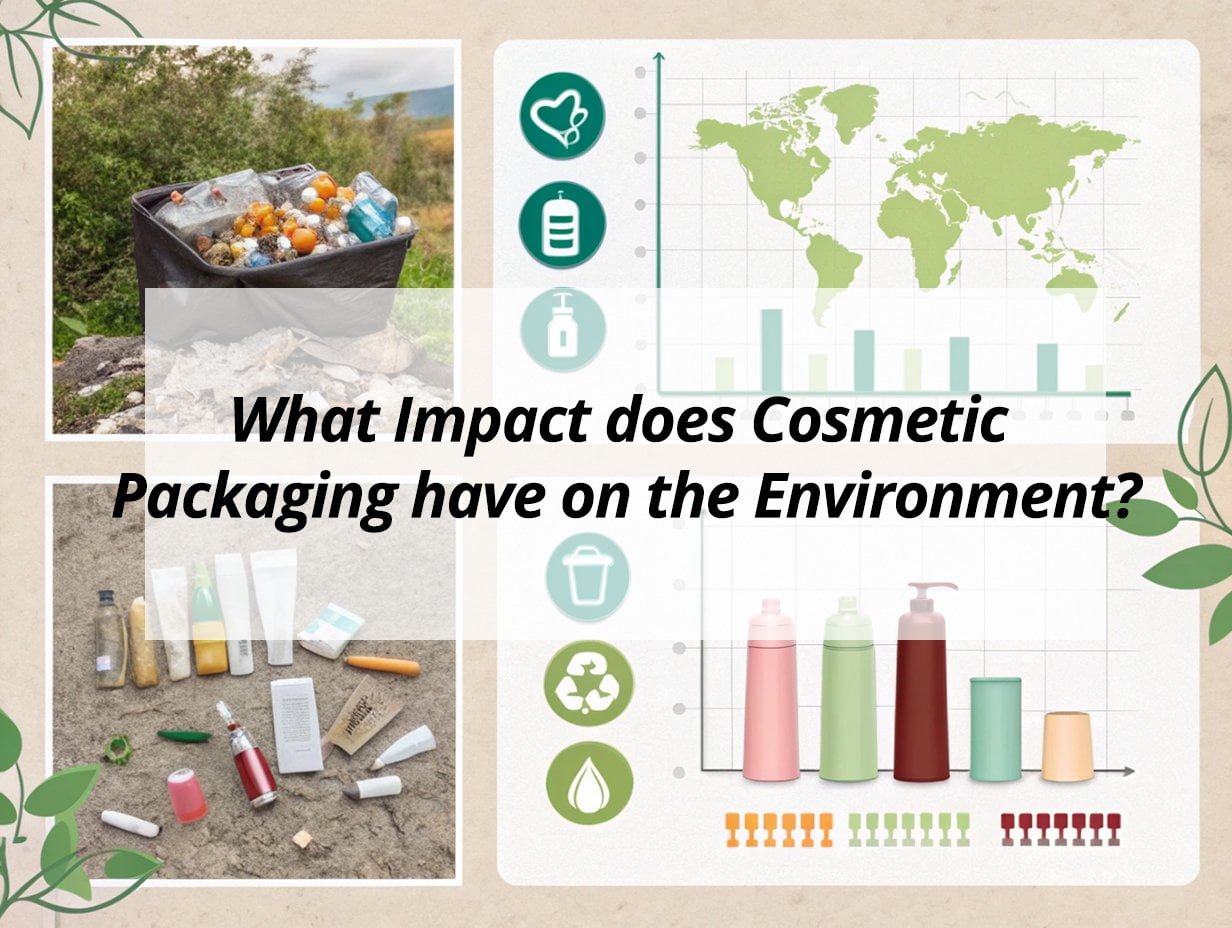
Cosmetic packaging is ubiquitous, yet its environmental toll is a pressing issue that often goes unaddressed. The beauty industry, known for its rapid growth and innovation, has a significant environmental impact due to the extensive use of plastics and other materials.
Cosmetic packaging significantly impacts the environment by contributing to pollution, overwhelming waste management systems, and depleting natural resources. Addressing these issues is crucial for fostering sustainable beauty practices and reducing further ecological harm.
As consumers become increasingly eco-conscious, the beauty industry must adapt by understanding and mitigating the full environmental impact of its packaging.
What are the environmental impacts of cosmetic products1?
The cosmetic industry, while providing beauty and skincare solutions, contributes considerably to environmental degradation. Packaging plays a crucial role in this impact.
Cosmetic products affect the environment through the creation of waste, carbon emissions2, and resource depletion3. Most packaging materials, particularly plastics, pose severe challenges due to their long decomposition times and low recycling rates, which lead to extensive landfill waste and ocean pollution.
To break this down further, let's explore how different components contribute to the broader environmental concerns:
Key Environmental Issues
| Issue | Impact | Explanation |
|---|---|---|
| Landfill Waste | High | Non-biodegradable materials persist for centuries in landfills, occupying space. |
| Ocean Pollution | Severe | Billions of plastic pieces enter oceans annually, threatening marine life and habitats. |
| Carbon Emissions | Significant | Manufacturing and transport of packaging materials4 contribute heavily to global emissions. |
| Resource Depletion | Growing | Extracting raw materials for packaging purposes strains natural resources. |
| Recycling Challenges | Pervasive | Mixed-material packaging is difficult to recycle, often ending up as waste. |
| Wildlife Impact | Dangerous | Animals ingest or become entangled in plastic debris, affecting biodiversity. |
| Deforestation | Notable | Utilizing wood-derived materials leads to habitat loss and ecosystem disruption. |
| Chemical Leaching | Harmful | Breakdown of packaging releases toxic substances into soil and water. |
Understanding these issues emphasizes the need for more stringent sustainability practices in cosmetic packaging.
What are the environmental impacts of packaging?
Cosmetic packaging does not exist in isolation; it is part of larger, complex environmental challenges.
Packaging affects the environment by increasing pollution, straining waste systems, and promoting unsustainable material use. Solutions involve adopting sustainable materials5 and improving recycling to mitigate these impacts effectively.
A detailed exploration of the environmental footprint of packaging provides deeper insights:
Understanding Packaging's Environmental Footprint
Packaging is vital for product protection and presentation, yet its environmental footprint is significant and complex, requiring diverse strategies for mitigation.
Major Concerns
-
Persistent Waste: Plastic packaging, commonly used in cosmetics, can remain in environments for up to 500 years.
-
Aquatic Ecosystem Threats: Oceans receive millions of tonnes of plastic waste annually, disrupting marine ecosystems and biodiversity.
-
Production Emissions: The energy required for packaging production results in significant carbon emissions, fueling climate change.
Strategies for Improvement
-
Sustainable Materials: Adopting biodegradable or recyclable materials can lessen environmental burdens substantially.
-
Innovative Design: Simplifying packaging designs to reduce material use and enhance recyclability is essential.
-
Circular Approaches: Encouraging reusable and refillable packaging systems reduces reliance on single-use items, promoting sustainability.
These improvements can significantly reduce the industry’s ecological footprint while supporting a more sustainable ethos.
What are 3/4 negative impacts of plastics on the environment?
Plastics are integral to many industries, yet they inflict serious harm on the environment.
The environmental impacts of plastics include enduring pollution, threats to marine life, and pervasive microplastic contamination. These challenges necessitate reductions in plastic use and enhancements in waste management practices.
A closer look at plastics reveals their damaging effects:
The Dark Side of Plastic Use
Plastics offer versatility and cost-effectiveness, yet their environmental costs are profound and multifaceted:
Key Impacts
-
Persisting Pollution: Plastics do not decompose easily, resulting in widespread pollution - a problem compounded by inadequate waste systems.
-
Threats to Marine Life: Ingested plastic waste harms marine species, while debris poses entanglement risks, contributing to declining populations.
-
Microplastic Pollution: Microplastics infiltrate food webs, affecting wildlife health and human safety, with persistent contaminants dispersed globally.
Mitigation Strategies
-
Material Innovation: Investment in alternative materials that are not only functional but environmentally benign can reduce reliance on plastics.
-
Waste Management Enhancements: Strengthening systems to handle plastic efficiently can minimize its presence in landfills and oceans.
-
Consumer and Policy Initiatives: Increasing public awareness alongside stringent policy measures can drive shifts toward reduced plastic consumption.
Comprehensive strategies are needed to address the pervasive environmental impacts of plastic use effectively.
How does cosmetic packaging waste end up in the ocean?
Despite heightened awareness, a significant portion of waste still reaches marine environments, threatening ecosystems.
Cosmetic packaging waste ends up in oceans primarily through inadequate waste management and illegal dumping. Effective recycling programs and increased public awareness are crucial to curtailing this concerning trend.
Understanding waste transfer from land to sea provides insights into necessary prevention measures:
From Land to Sea
The journey of waste into marine environments is facilitated by systemic flaws in waste management and disposal practices:
Contributing Factors
-
Inadequate Infrastructure: Many areas lack robust waste management systems, resulting in leakage into natural waterways.
-
Illegal Disposal: Unsanctioned dumping contributes significantly to oceanic plastic loads, bypassing organized waste systems.
-
Weather Events: Storms and heavy rainfall amplify the transfer of land waste into aquatic systems through runoff.
Solutions and Strategies
-
Infrastructure Development: Establishing robust waste management facilities is crucial to containing plastic waste effectively.
-
Enforcement of Regulations: Strengthening laws against unlawful waste disposal and enhancing surveillance can limit illegal activities.
-
International Collaboration: Partnering globally to address the transboundary nature of oceanic pollution will lead to more effective responses.
Implementing these strategies will be vital in mitigating the ongoing challenge of marine pollution, preserving vital ecosystems for future generations.
My Insights: Impact Does Cosmetic Packaging Have on the Environment
The hidden cost of beauty? Cosmetic packaging contributes significantly to environmental degradation. Here's the full story.
Cosmetic packaging impacts the environment through plastic waste, resource depletion, marine pollution, and recycling challenges. Sustainable packaging choices can significantly reduce these effects.
Environmental Impact Insights
Key Areas of Concern
-
Plastic Waste and Pollution
- Single-use plastics dominate cosmetics, leading to persistent environmental waste and microplastic pollution.
-
Resource Use and Emissions
- High demand for raw materials increases carbon footprint and resource depletion.
| Impact | Description |
|---|---|
| Marine Pollution | Plastics end up in oceans harming wildlife |
| Non-Biodegradability | Long-lasting presence in ecosystems |
| Recycling Challenges | Low rates and efficiency |
Reducing Impact Strategies
-
Sustainable Materials
- Explore alternatives like glass, metal, and bio-based plastics to cut down on waste.
-
Design for Recyclability
- Simplify packaging for easy disassembly and reuse to improve recycling rates.
Addressing these issues requires collaboration between brands and consumers. Brands should prioritize lifecycle impact assessments and consumer education, while consumers can support sustainable packaging choices and proper waste management practices.
Conclusion
Cosmetic packaging significantly impacts the environment through pollution, resource depletion, and ecosystem disruption. To foster a more sustainable future, comprehensive changes in material use, design innovation, and waste management practices are essential.
-
Explore the environmental effects of cosmetic products to understand their impact on sustainability. ↩
-
Discover how cosmetic packaging contributes to carbon emissions and what can be done to reduce them. ↩
-
Understand the link between cosmetic packaging and resource depletion to promote sustainable practices. ↩
-
Learn about the environmental consequences of various packaging materials used in cosmetics. ↩
-
Find out about sustainable materials that can be used in cosmetic packaging to reduce environmental impact. ↩