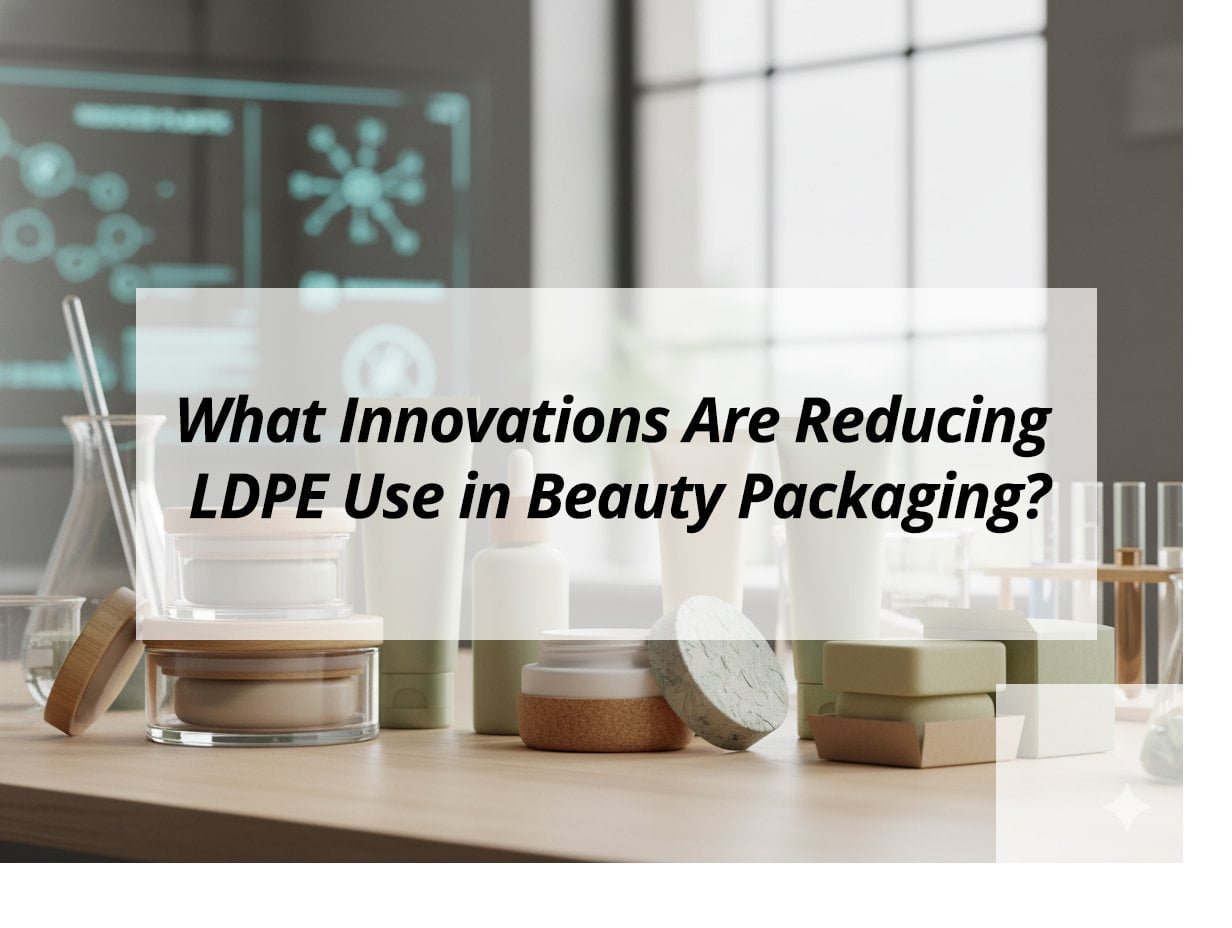
The beauty industry faces a significant challenge with plastic waste. Many brands aim to reduce plastic use, especially LDPE, due to its environmental impact. How can this reduction be achieved effectively?
Innovative beauty packaging solutions are emerging, focusing on material reduction, enhanced recyclability, and alternative materials to significantly decrease LDPE consumption. These innovations span lightweight designs, refillable systems, novel bio-based plastics, and solid product formats, all contributing to a more sustainable future for cosmetic packaging.
The drive for more sustainable packaging is a major trend in the global beauty market. This shift reflects growing consumer demand and regulatory pressures for environmentally responsible practices. Brands are actively seeking solutions to minimize their ecological footprint.
What Are the Innovations in Beauty Packaging?
Beauty packaging is undergoing rapid transformation. Brands are seeking new approaches to enhance the environmental profile of their products. What specific innovations are driving these changes?
Innovations in beauty packaging include lightweighting, the incorporation of recycled materials, the development of refillable systems, and the adoption of mono-materials to simplify recycling processes. This also encompasses advancements in material science, such as biodegradable plastics and plant-based alternatives, all designed to lessen environmental impact and reduce the reliance on virgin plastics like LDPE.
The industry has seen a substantial evolution in packaging priorities. Historically, convenience and cost were primary drivers. Now, environmental considerations are equally important, pushing manufacturers to develop and implement greener solutions.
Lightweighting: Material Reduction with Maintained Integrity
Lightweighting involves using less material in packaging designs. This approach directly reduces the quantity of plastic required for each unit. Additionally, lighter packaging leads to decreased shipping weights, which translates to lower transportation costs and reduced fuel consumption. This can be achieved through thinner wall designs or optimized structural engineering of components.
| Benefit | Description | Impact |
|---|---|---|
| Reduced Material Consumption | Less plastic is used for each individual product package. | Lowers overall demand for raw plastic materials. |
| Economic Efficiency | Decreases material procurement costs and shipping expenses. | Enhances cost-effectiveness for brands. |
| Environmental Footprint | Minimizes energy consumption and emissions from production and logistics. | Contributes to a lower carbon footprint. |
Recycled Content: Circularity in Plastic Use
Integrating post-consumer recycled (PCR) content into packaging is a crucial innovation. This process involves collecting and reprocessing plastics that have already been used by consumers, then incorporating them into new packaging. Utilizing PCR content directly reduces the need for new, virgin plastic. For LDPE, specifically, the use of PCR LDPE offers a direct replacement for newly produced material.
Refillable Systems: Promoting Reusability
Refillable packaging systems are gaining significant traction. Instead of discarding the entire package after use, consumers purchase refills for an existing container. This model dramatically reduces waste generation. Examples include outer casings for lipsticks or cream jars where only the inner product cartridge is replaced. This approach encourages repeated use of durable components, thereby reducing overall plastic consumption.
Mono-Materials: Streamlining Recycling
Traditional packaging often combines different types of plastics, making effective recycling challenging. Mono-material packaging simplifies this by utilizing only one type of plastic throughout the entire component. For instance, if a bottle, pump, and cap are all made from the same plastic polymer, the entire item can be more easily processed in a recycling facility, supporting a more circular material flow.
What Are the Latest Packaging Innovations?
The beauty packaging landscape is constantly evolving, with new concepts emerging regularly. What are the most current and impactful innovations in packaging technology?
The latest packaging innovations encompass the development of advanced bio-based and biodegradable plastics, the expansion of solid format product lines, and highly efficient airless systems designed for minimal material usage. There is also an increasing focus on waterless formulations, which reduce the requirement for bulky packaging and protective plastics, marking substantial progress toward more sustainable industry practices.
These trends represent significant shifts in how beauty products are conceived and delivered. The industry is actively investing in research and development to bring these cutting-edge solutions to market, responding to both consumer expectations and environmental mandates.
Bio-Based and Biodegradable Plastics: Sourcing from Nature
Novel plastics derived from renewable biological resources are a key innovation. These "bio-based" plastics originate from sources such as corn starch or sugarcane. Some are also "biodegradable," meaning they can naturally decompose in specific environments, reducing their persistence in landfills. This offers an alternative to conventional plastics with a lower long-term environmental footprint.
| Type | Primary Source | Environmental Advantage |
|---|---|---|
| PLA (Polylactic Acid) | Fermented plant sugars | Biodegradable in industrial composting facilities. |
| PHA (Polyhydroxyalkanoates) | Microorganisms | Biodegradable in diverse natural environments, including soil and marine. |
| Sugarcane PE | Sugarcane | Renewable resource; chemically identical to conventional PE but with lower carbon footprint. |
Solid Formats: Water Reduction, Packaging Reduction
Many beauty products contain a high percentage of water. Solid format products, such as shampoo bars, conditioner bars, or solid deodorants, eliminate the need for this water. This innovation significantly reduces the volume of packaging required and often allows for the use of paper, cardboard, or minimal plastic instead of traditional containers. This approach effectively lessens the demand for LDPE and other plastics while also reducing shipping weight.
Airless Systems with Minimal Material: Efficient Product Protection
Airless packaging systems protect sensitive product formulations from oxidation and contamination. Newer designs for these systems are engineered to use less plastic overall. They also prioritize mono-material construction to facilitate recycling. These efficient systems extend product shelf life, thereby contributing to reduced product waste.
What Is the Most Sustainable Cosmetic Packaging?
The concept of sustainability is central to modern packaging discussions. What constitutes the most environmentally responsible choice for cosmetic packaging?
The most sustainable cosmetic packaging typically integrates multiple eco-conscious features, such as high levels of post-consumer recycled content, innovative refillable designs, mono-material construction for simplified recycling, and efficient lightweighting. The ultimate goal is packaging that minimizes resource consumption, reduces waste, and exhibits a low carbon footprint throughout its entire lifecycle, often incorporating materials like glass, aluminum, or advanced bio-plastics where appropriate.
Identifying a single "most sustainable" option is complex, as sustainability is a multifaceted concept. It involves considering material sourcing, manufacturing processes, transportation, end-of-life options, and the specific requirements of the product itself. A comprehensive approach is necessary to determine the best sustainable solution.
Reducing Virgin Plastic: A Foundational Principle
A core principle of sustainable packaging is minimizing the use of newly manufactured (virgin) plastic. This means prioritizing materials that are already in circulation. Utilizing recycled plastics, such as PCR PET or PCR PP, is environmentally preferable to using virgin materials. For LDPE, specifically, strategies include substituting it with PCR LDPE or finding suitable alternative materials.
Reusability and Refillability: Embracing Circularity
Packaging designed for multiple uses is inherently more sustainable. Refillable packaging exemplifies this principle by allowing consumers to reuse durable outer containers. This model significantly reduces the demand for new packaging components with each product purchase, fostering a circular economy where materials are kept in use for longer periods.
Material Choice: Glass, Aluminum, and Paper Alternatives
Glass and aluminum are highly valued for their infinite recyclability without degradation. They can be recycled repeatedly, making them excellent choices for circular material streams. Paper and cardboard also offer sustainable options, particularly for dry products or secondary packaging, as they are renewable and generally biodegradable.
| Material | Key Advantages | Key Considerations |
|---|---|---|
| Glass | Infinitely recyclable, premium aesthetic, chemically inert. | Heavier weight, fragility, higher transportation costs. |
| Aluminum | Lightweight, highly recyclable, excellent barrier properties. | Can be susceptible to denting, energy-intensive production. |
| Paper/Board | Renewable resource, lightweight, biodegradable (if uncoated). | Not universally suitable for all product types, may require liners. |
Lifecycle Assessment: Holistic Environmental Evaluation
True sustainability requires evaluating a package's environmental impact across its entire lifecycle. This includes assessing raw material extraction, manufacturing processes, distribution logistics, consumer use, and end-of-life disposal or recycling. A comprehensive lifecycle assessment provides a holistic view, enabling brands to make informed decisions about their packaging choices.
What Are Some Innovative Alternatives to Plastic Packaging?
Many brands are exploring options to move away from conventional plastic entirely. What new materials are emerging as viable and innovative alternatives to traditional plastic packaging?
Innovative alternatives to plastic packaging include natural materials like bamboo, mycelium (mushroom-based composites), and cork, alongside various advanced paper and cardboard solutions, particularly those featuring specialized coatings or molded pulp designs. There is also a continued emphasis on highly recyclable materials such as aluminum and glass, which offer durable and eco-friendly options for reducing plastic dependency in the beauty sector.
The search for plastic alternatives is driven by a desire for materials that offer comparable functionality while significantly reducing environmental impact. This pursuit has led to the development and adoption of a diverse range of innovative packaging solutions.
Bamboo: A Rapidly Renewable Resource
Bamboo is a natural, fast-growing resource that can be processed into various packaging components, including jars, caps, and outer casings. Its aesthetic appeal imparts a natural and premium feel to products. As a biodegradable material, bamboo presents an environmentally sound choice for brands committed to sustainable packaging.
Mycelium: Nature-Derived Composites
Mycelium, the root structure of fungi, can be cultivated and molded into custom packaging shapes. This material is fully biodegradable and offers a truly natural alternative to conventional plastics. While still relatively new in commercial applications, mycelium packaging holds substantial promise for sustainable design.
Cork: Sustainable and Distinctive
Cork is derived from the bark of the cork oak tree and is a renewable resource, as the tree is not harvested. It can be utilized for closures, caps, or as a decorative element within packaging designs. Cork adds a unique, natural, and premium tactile quality to cosmetic products.
Molded Pulp and Advanced Paper: Versatile Solutions
Molded pulp, created from recycled paper or cardboard, can be formed into protective inserts, trays, or full containers. It is both biodegradable and recyclable. Additionally, new paper materials incorporating specialized barrier coatings are being developed to replace plastic films in certain applications. These innovations expand the versatility of paper-based packaging alternatives.
Glass and Aluminum: Established Recyclable Choices
Glass and aluminum are well-established packaging materials that serve as excellent alternatives to plastic. They are celebrated for their infinite recyclability without loss of quality. Glass jars and aluminum bottles provide a robust barrier, a premium feel, and are particularly well-suited for high-value skincare and fragrance products.
My Insights: What Innovations Are Reducing LDPE Use in Beauty Packaging?
Are you concerned about the environmental impact of beauty packaging? Discover the latest innovations that are transforming how we use LDPE.
Innovations such as biodegradable alternatives, refillable systems, and lightweight designs are significantly reducing LDPE use in beauty packaging. By adopting mono-material solutions and plant-based plastics, brands are enhancing sustainability while maintaining product integrity and consumer appeal.
Exploring Alternatives to LDPE in Beauty Packaging
Refillable and Reusable Systems
Refillable packaging dramatically decreases single-use LDPE use by allowing consumers to replace only the inner part of the container, such as pods or cartridges, while retaining durable outer shells made of materials like glass or metal.
Alternative Materials
Switching to materials like glass, aluminum, and bio-based plastics (e.g., sugarcane-derived) eliminates the need for virgin LDPE. These materials are not only recyclable but also support eco-friendly branding.
| Innovation Type | Description | Benefits |
|---|---|---|
| Biodegradable Materials | Replacing LDPE with compostable substances | Reduces landfill waste |
| Mono-material Solutions | Simplifying materials for better recycling | Eliminates mixed-material issues |
| Waterless Products | Solid formats needing less packaging | Cuts down on liquid-specific packaging needs |
These approaches showcase how beauty brands are moving towards more sustainable packaging options without compromising quality, offering creative and environmentally friendly solutions that align with consumer expectations.
Conclusion
The beauty industry is actively transitioning away from LDPE and other conventional plastics. This shift is supported by numerous innovations, including material lightweighting, increased use of recycled content, the implementation of refillable systems, and the exploration of novel materials such as bamboo and mycelium-based composites.