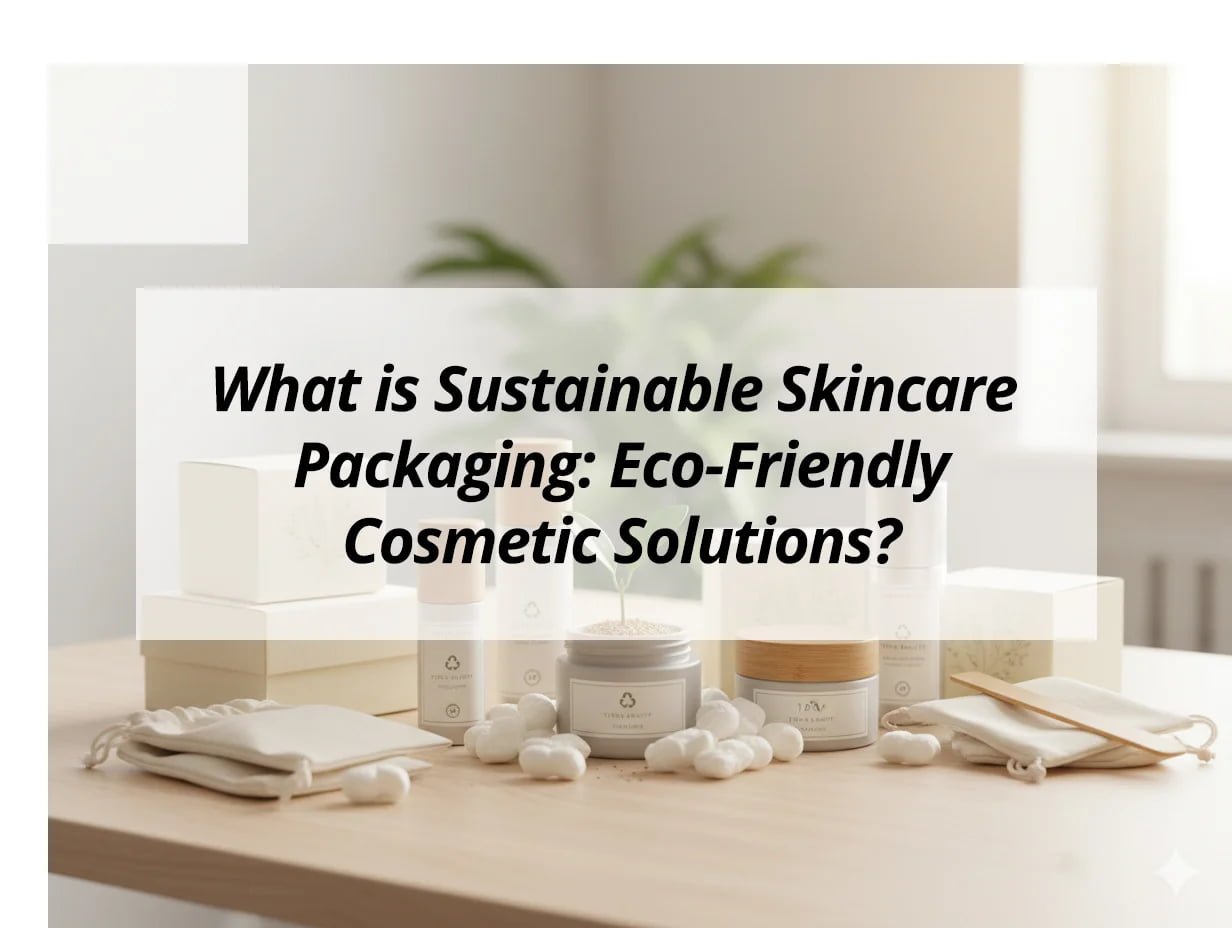
Do you worry about the environmental impact of your beauty routine? Many people do. Sustainable skincare packaging helps protect our planet. It is a key part of eco-friendly cosmetic solutions.
Sustainable skincare packaging uses materials and methods that cause less harm to the environment. This includes using recycled, recyclable, or biodegradable materials. It also focuses on reducing waste and energy during production. The goal is to lower the carbon footprint of cosmetic products. This helps both consumers and the planet.
The idea of eco-friendly cosmetic packaging is growing fast. Many brands want to do better. They look for eco friendly cosmetic packaging manufacturers. This article will explain what sustainable skincare packaging is. It will also show you different eco-friendly options.
What is the Most Eco-Friendly Packaging for Cosmetics?
When we think about being green, many questions come up. What is the best way to package cosmetics without harming the Earth? The answer is not always simple. It depends on many factors.
The most eco-friendly packaging for cosmetics often involves a combination of strategies. These include using materials that are easily recyclable, such as glass or certain plastics like PET. Refillable systems are also highly effective. Biodegradable skincare packaging is another strong option. Plastic free cosmetic packaging is a top goal. The best solution minimizes environmental impact throughout its life cycle.
Finding the single "most" eco-friendly option can be hard. Different materials have different strengths. For example, glass is recyclable but heavy. Light plastic saves on shipping but can be harder to recycle in some places. Let us look at the best choices.
Top Eco-Friendly Packaging Materials
- Glass:
- Pros: It is 100% recyclable. It can be recycled many times without losing quality. Glass does not react with products, keeping them pure. It also looks high-end.
- Cons: It is heavy, which increases shipping costs and carbon footprint during transport. Glass can also break easily.
- Aluminum:
- Pros: Highly recyclable and lightweight. Aluminum is very durable and protects products well. It is often used for plastic free cosmetic packaging1.
- Cons: Can dent. Production uses a lot of energy, but recycling it uses much less.
- Recycled Plastics (PCR - Post-Consumer Recycled):
- Pros: Uses plastic that already exists, reducing the need for new plastic. This keeps plastic out of landfills. It is lightweight and durable.
- Cons: Can be limited in supply and might not be suitable for all types of products. Recycling infrastructure varies.
- Biodegradable Skincare Packaging:
- Pros: Materials like bamboo, paper, or plant-based plastics (PLA) break down naturally. This means they do not stay in landfills for a long time.
- Cons: Needs specific conditions to break down properly. If thrown in regular trash, it might not decompose as intended.
Key Eco-Friendly Strategies
Beyond materials, how packaging is designed and used also matters.
- Refillable Systems: This is a big one. Customers buy a container once. Then, they buy refills in simpler, lighter packaging. This greatly reduces waste.
- Minimalist Design: Using less material overall. No extra boxes or unnecessary layers.
- Water-Based Inks: For printing, these inks are better for the environment than oil-based ones.
The goal for eco cosmetic packaging is a holistic approach. It is not just one thing. It is a mix of smart material choices and thoughtful design.
What Are Eco-Friendly Packaging Solutions?
Many companies want to be more sustainable. They look for practical ways to make their packaging greener. Eco-friendly packaging solutions go beyond just choosing the right material. They cover the whole packaging process.
Eco-friendly packaging solutions focus on minimizing environmental harm at every stage. This includes using materials that are renewable, recycled, or easily recyclable. It also involves reducing the amount of material used. Furthermore, these solutions aim to lower energy consumption during production and transport. They often incorporate designs that allow for reuse or biodegradability.
When I talk with eco friendly cosmetic packaging manufacturers, they stress this full-circle view. It is not just about the jar itself. It is about how it is made, used, and disposed of. Let us explore these solutions in more detail.
Key Components of Eco-Friendly Packaging Solutions
- Material Choice: As discussed, choosing glass, aluminum, PCR plastics, or biodegradable options is key. This moves away from virgin plastics that are hard to recycle.
- Reduce Material Use:
- Lightweighting: Making containers lighter without losing strength. This saves material and shipping fuel.
- Optimized Design: Creating shapes that use less plastic or glass. Removing unnecessary components like double walls where not needed.
- Designed for End-of-Life:
- Recyclability: Making sure the packaging can actually be recycled in common facilities. This means using single materials or easily separable parts.
- Compostability/Biodegradability: Using materials that break down into natural elements. This requires clear instructions for consumers on how to dispose of them.
- Reuse/Refill: Creating packaging that can be cleaned and refilled by the consumer or the brand. This is a very effective way to cut waste.
Innovative Eco Cosmetic Packaging Trends
New ideas are always coming up in eco-friendly packaging.
| Solution | Description | Impact |
|---|---|---|
| Water-Soluble Packaging | Dissolves in water, leaving no waste. Often for single-use products. | Eliminates plastic waste, convenient for consumers. |
| Mushroom Packaging | Uses mycelium (mushroom roots) to grow packaging. | Biodegradable, compostable, uses agricultural waste. |
| Solid Formats | Products like shampoo bars or solid deodorants. | Requires minimal packaging, often plastic free cosmetic packaging. |
| Upcycled Materials | Using waste materials from other industries to make new packaging. | Reduces waste streams, gives new life to materials. |
These solutions push the boundaries of what is possible. They show a clear shift towards a circular economy. They offer brands many ways to reduce their environmental impact.
What Are the 5 R's of Sustainable Packaging?
Thinking green can feel complex. How can businesses and consumers remember what truly makes packaging sustainable? The "5 R's" offer a simple guide. They are principles that help make packaging more eco-friendly.
The 5 R's of sustainable packaging are: Refuse, Reduce, Reuse, Recycle, and Rot (or Compost). These principles guide decisions to minimize waste and environmental impact. "Refuse" means avoiding unnecessary packaging. "Reduce" means using less material. "Reuse" promotes using items multiple times. "Recycle" focuses on processing materials for new products. "Rot" refers to composting biodegradable items.
I find that these "R's" make it easier to talk about eco-friendly cosmetic solutions. They give a clear framework. Let us break down each "R" and see how it applies to packaging.
Understanding the 5 R's
- Refuse:
- Meaning: Do not accept or create unnecessary packaging. Question if packaging is truly needed.
- Application: For brands, this means avoiding excessive layers or decorative elements. For consumers, it means choosing products with minimal packaging. This is the first step towards plastic free cosmetic packaging.
- Reduce:
- Meaning: Use less material for packaging. Make it lighter and smaller.
- Application: Brands can design thinner walls for jars (if strength allows) or use concentrated product formulas that fit in smaller containers. This saves resources and lowers shipping emissions.
- Reuse:
- Meaning: Use packaging multiple times for its original purpose or for something new.
- Application: This is where refillable systems shine. A durable cream container can be refilled repeatedly. Consumers can also find new uses for empty jars, like storing small items.
- Recycle:
- Meaning: Collect and process materials to create new products. This prevents waste from going to landfills.
- Application: Use materials that are widely accepted in recycling programs, like glass, aluminum, or common plastics (PET, HDPE). Clearly label packaging with recycling symbols. This is a core part of eco cosmetic packaging.
- Rot (or Compost):
- Meaning: Use biodegradable or compostable materials that break down naturally.
- Application: This applies to biodegradable skincare packaging2, such as containers made from bamboo, wood, or certain plant-based plastics. It is important to ensure these can be properly composted, either at home or in industrial facilities.
These principles guide eco friendly cosmetic packaging manufacturers. They help create a circular economy where materials are valued and waste is minimized.
What is the Definition of Eco-Friendly Cosmetics?
Many products claim to be "eco-friendly." But what does that truly mean for cosmetics? It is more than just a marketing term. It involves the entire life cycle of a product.
Eco-friendly cosmetics refer to products that are designed, produced, and packaged in ways that minimize harm to the environment. This includes using sustainable ingredients, ethical sourcing, and energy-efficient manufacturing processes. Crucially, it also involves using sustainable skincare packaging that is recyclable, refillable, or biodegradable. The aim is to reduce pollution, waste, and resource depletion.
The definition is broad. It covers everything from what is inside the jar to the jar itself. A truly eco-friendly cosmetic product thinks about its impact from start to finish. Let us explore the key aspects.
Pillars of Eco-Friendly Cosmetics
- Sustainable Ingredients:
- Sourcing: Ingredients should come from renewable sources. They should be harvested without harming ecosystems or local communities.
- Chemical Profile: Avoid ingredients that are toxic or persistent in the environment once washed down the drain.
- Ethical Production:
- Manufacturing: Factories should use renewable energy. They should minimize water use and reduce waste.
- Fair Labor: Ensure fair wages and safe working conditions for all involved in the supply chain.
- Reduced Environmental Impact:
- Carbon Footprint: Aim to lower greenhouse gas emissions across all operations, from ingredient farming to product delivery.
- Water Conservation: Implement practices that save water.
- Waste Management: Minimize waste generation. Recycle or compost production waste.
- Sustainable Skincare Packaging:
- Recyclable: Packaging materials should be easily recyclable. This prevents them from ending up in landfills.
- Refillable: Designing containers that can be refilled. This greatly reduces the demand for new packaging.
- Biodegradable/Compostable: Using materials that break down naturally. This reduces long-term waste.
- Plastic Free Cosmetic Packaging: Aiming to remove virgin plastic entirely from the packaging.
The Role of Eco Cosmetic Packaging
Packaging is a very visible part of a cosmetic product. It is often the first thing a consumer sees. Therefore, sustainable skincare packaging plays a huge role in defining an eco-friendly cosmetic.
| Packaging Aspect | Contribution to Eco-Friendliness |
|---|---|
| Material Choice | Directly impacts resource use and end-of-life options. |
| Design | Influences material reduction and reusability. |
| Labeling | Guides consumers on proper disposal (recycling/composting). |
| Logistics | Lighter packaging reduces emissions from transport. |
For eco friendly cosmetic containers wholesale buyers, these factors are key. They influence consumer trust and brand reputation.
My Insights: Embracing Sustainable Skincare Packaging for a Greener Future
Overwhelmed by wasteful skincare packaging? Discover eco-friendly solutions that protect the planet and enhance your beauty routine.
Sustainable skincare packaging uses eco-friendly materials like biodegradable plastics and refillable containers to minimize environmental impact. Popular options include glass, bamboo, and post-consumer recycled plastics, promoting recyclability and reducing waste in the beauty industry.
Understanding Eco-Friendly Cosmetic Packaging Solutions
Key Materials:
- Biodegradable Options: Corn starch and sugarcane plastics naturally break down, reducing landfill waste.
- Durable Materials: Glass and aluminum offer full recyclability, replacing traditional plastics.
- Recycled Plastics: Use of post-consumer recycled (PCR) plastics supports the circular economy.
Innovative Approaches:
- Refill Systems: Brands like L'Occitane offer refillable pouches, reducing new packaging needs.
- Waterless Products: Solid bars and dissolvable films decrease reliance on liquid containers.
- Minimalist Design: Compact packaging and plant-based inks lower the carbon footprint.
Leading Sustainable Brands:
| Brand | Strategy |
|---|---|
| Lush | Unpackaged products and recycled pot programs |
| Aveda | Uses plant inks for labeling |
| RMS Beauty | Recyclable glass and FSC-certified cardboard |
Sustainable skincare packaging offers innovative and practical solutions for reducing environmental impact, meeting growing consumer demands for eco-conscious beauty products.
Conclusion
Sustainable skincare packaging is vital for a greener future. It covers materials, design, and waste reduction. Using the 5 R's helps guide choices. Eco-friendly cosmetics consider impact from ingredients to packaging, promoting a healthier planet.