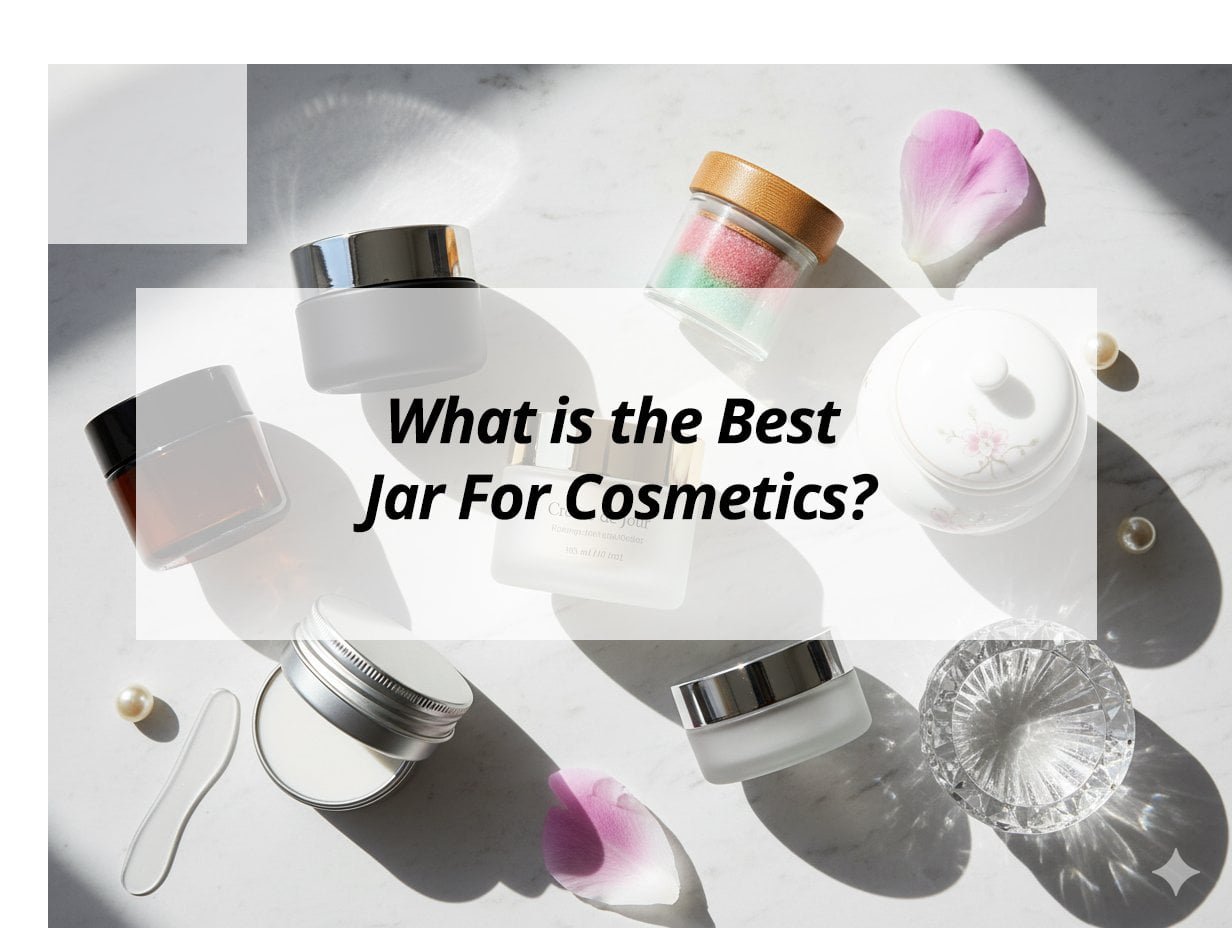
When choosing cosmetic jars, understanding material, functionality, and aesthetic appeal is essential. Let's explore how to find the perfect jar for your needs.
The best jars for cosmetics depend on the material, design, and environmental impact. Glass jars offer durability and elegance, while plastic jars provide practicality. Eco-friendly packaging, like bamboo or recycled materials, balances sustainability with functionality, catering to diverse customer preferences and enhancing brand appeal.
Choosing the right jar can elevate your brand's image and ensure product quality. Let's delve into the options available and help you determine the best fit for your cosmetics line.
What is the most eco-friendly packaging for cosmetics?
Eco-friendliness is a growing concern in cosmetics. Consumers desire sustainable choices that don't compromise on quality.
The most eco-friendly packaging includes materials like bamboo, glass, and recycled plastics. Bamboo offers renewable options, glass provides recyclability, and recycled plastics minimize waste. These choices not only reduce environmental impact but also appeal to conscious consumers looking for sustainable beauty solutions1.
To understand more about eco-friendly packaging2, we need to explore different materials and their benefits:
Bamboo Packaging
- Renewable: Bamboo grows quickly, making it a sustainable choice.
- Biodegradable: Unlike plastic, bamboo breaks down naturally.
- Aesthetic appeal: Adds a natural, luxury feel to products.
Recycled Plastics
- Waste Reduction: Utilizes existing plastic, reducing landfill.
- Energy Efficiency: Requires less energy to produce compared to new plastic.
- Durability: Maintains the strength needed for cosmetic jars.
Glass Containers
- Recyclability: Easily recyclable without loss of quality.
- Non-reactive: Safe for various formulations, ensuring product integrity.
- Luxury Look: Offers a high-end appearance for premium brands.
How to sanitize glass jars for cosmetics?
Ensuring cleanliness in cosmetic packaging is vital. Mistakes here can affect product safety and customer trust.
To sanitize glass jars, wash them with warm soapy water, rinse thoroughly, and sterilize by boiling for 10 minutes or using a sterilizing solution. Allow to air dry completely. This process ensures the jars are hygienic and ready for filling with cosmetics.
Sanitization Process
-
Initial Cleaning
- Use warm, soapy water to remove any residue.
- Rinse thoroughly to eliminate soap.
-
Sterilization
- Boiling Method: Place jars in boiling water for 10 minutes.
- Sterilizing Solution: Use a commercial solution according to instructions.
-
Drying
- Allow jars to air dry in a clean environment.
- Ensure they are completely dry to avoid contamination.
Sanitizing glass jars is a critical step in maintaining cosmetic quality and safety.
What are the highest quality canning jars?
Quality canning jars ensure product safety and enhance brand reputation. Identifying high-quality jars is crucial for cosmetic success.
The highest quality canning jars are made from durable glass with airtight seals to preserve product integrity. Brands like Ball and Weck are known for their reliable construction and consistent manufacturing standards. They offer robustness and a professional finish that enhance customer satisfaction.
Premium Canning Jar Brands
-
Ball Jars
- Known for sturdy construction.
- Feature airtight and leak-proof designs.
- Frequently used in both culinary and cosmetic fields.
-
Weck Jars
- Offer glass lids with rubber seals.
- Provide a distinctive, upscale look.
- Favored for their reliable sealing capabilities.
Use of high-quality jars positions a brand as trustworthy and professional, offering customers a sense of security in the product's longevity and efficacy.
Are plastic or glass jars better?
The choice between plastic and glass jars affects cost, sustainability, and consumer perception. Understanding their differences helps in making informed decisions.
Plastic jars offer affordability and durability, making them ideal for travel and mass-market products. Glass jars, however, provide recyclability and a luxury feel, appealing to high-end markets. The choice depends on brand positioning, target audience, and environmental goals.
Comparison of Plastic and Glass Jars
| Aspect | Plastic Jars | Glass Jars |
|---|---|---|
| Cost | Generally cheaper to produce | Higher initial cost |
| Durability | Impact-resistant, lightweight | Fragile, prone to shattering |
| Sustainability | Mixed recyclability, some biodegradable options | Fully recyclable, environmentally friendly |
| Aesthetic | Basic appearance | Sleek, premium look |
Each material offers unique advantages. Selecting the right one aligns with a brand’s values, market segment, and customer preferences.
My insights: Choosing the Perfect Cosmetic Jar
Selecting the best jar for cosmetics can be overwhelming. Learn how to choose a jar that meets your needs for elegance, functionality, and sustainability.
The best cosmetic jar hinges on ingredient compatibility, protection, and aesthetic preference. Options like double-walled glass, airless jars, and UV-protected containers offer varying benefits, ideal for different products and usage scenarios.
Evaluating Cosmetic Jar Options
1. Key Decision Factors:
- Material and Protection: Choose materials like glass for a premium feel and UV protection. Plastic variants, such as PET, offer impact resistance and are usually recyclable.
- Hygiene and Usage: Airless jars minimize contamination for sensitive formulas, while glass suits stable creams requiring elegance.
2. Common Jar Types:
| Type | Benefits | Best For |
|---|---|---|
| Glass Jars | Non-reactive, premium feel, UV protection | Rich creams, balms |
| Airless Jars | Limit air and finger contact | Sensitive formulas (e.g., Vitamin C) |
| Plastic Jars (PET) | Lightweight, durable, recyclable | Everyday creams, travel, shower products |
Match jar choice to your product's needs, considering factors like sustainability, ingredient sensitivity, and your brand's aesthetic. Select dark glass for elegance and airless containers for hygiene-conscious products.
Conclusion
Choosing the right cosmetic jars requires balancing material properties, brand image, and environmental considerations. Aligning these aspects ensures a successful, appealing product line.