
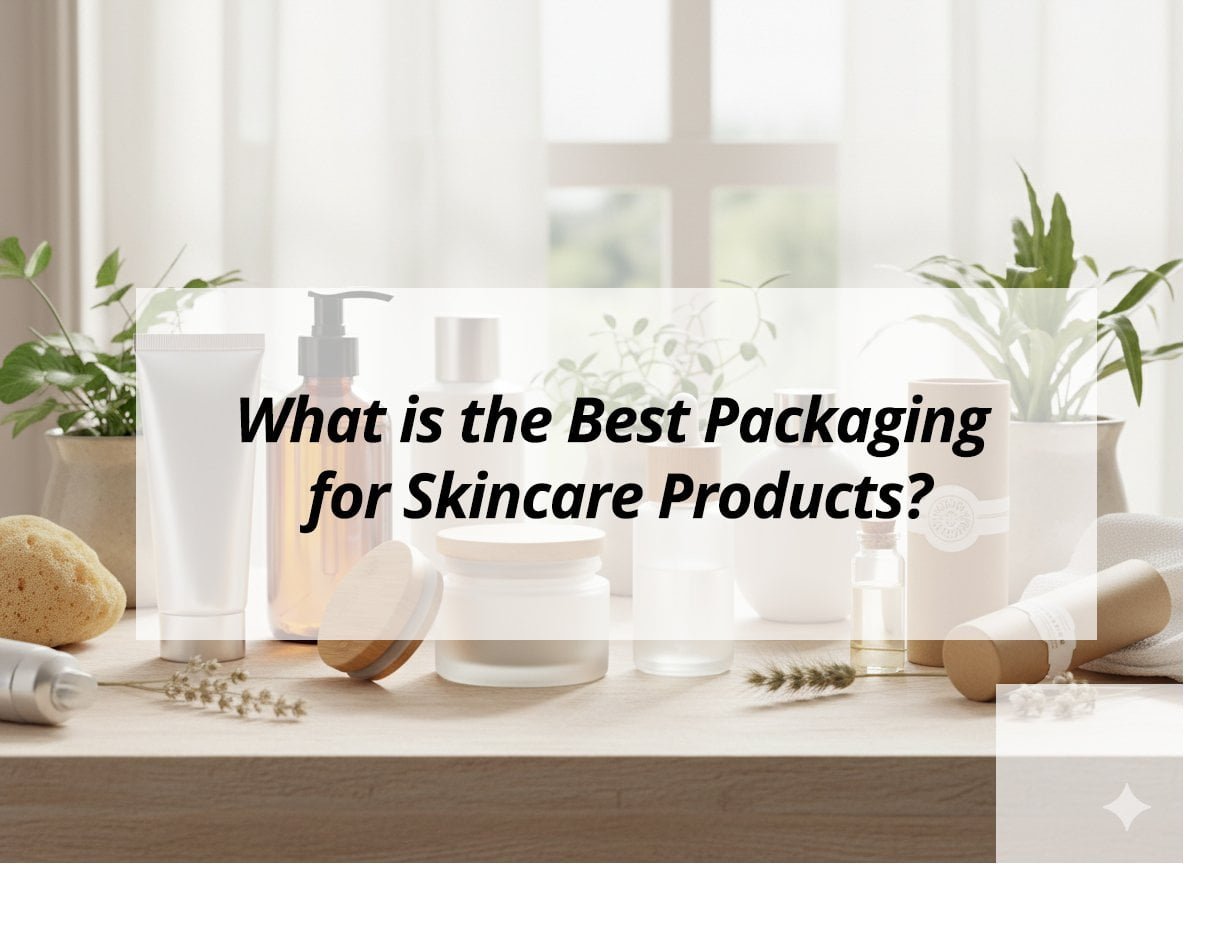
Selecting the ideal packaging for skincare products is a critical decision for any brand. It directly impacts product integrity, consumer perception, and market success. Effective packaging requires careful consideration of various factors.
The best packaging for skincare products effectively balances product preservation, user convenience, and brand identity. Key considerations include the product's chemical properties, target consumer base, and overall marketing objectives. This ensures both functionality and market appeal.
Navigating the many packaging options available can be complex. This guide aims to simplify the process. It will help in understanding important choices. This will allow brands to select packaging that meets specific needs.
What is the correct packaging for cosmetics?
Choosing appropriate packaging for cosmetic products presents unique challenges. It requires balancing aesthetic appeal with practical requirements for product safety and preservation. Making the correct choice is essential.
Correct cosmetic packaging provides robust product protection, ensures consumer safety, and aligns with a brand's specific values. It must be compatible with the product formulation to prevent degradation and maintain stability. Packaging should also offer an intuitive user experience.
Proper packaging safeguards the product from external elements. These elements include air, light, and contaminants. Such protection is vital for maintaining product efficacy and extending shelf life. It also ensures the product reaches the consumer in optimal condition.
Here are key aspects for correct cosmetic packaging:
Material Compatibility
The packaging material must not interact negatively with the cosmetic formulation. Certain ingredients can react with specific plastics or metals. This interaction might alter the product's effectiveness or even compromise its safety. For instance, some active compounds may degrade in certain plastic types.
| Product Category | Primary Packaging Materials | Functional Benefits |
|---|---|---|
| Creams & Lotions | Polypropylene (PP), Polyethylene Terephthalate (PET), Glass | Provides good barrier protection, highly adaptable. |
| Serums & Oils | Glass (often amber), PETG | Shields contents from light exposure, maintains formula stability. |
| Foundations | Glass, Acrylonitrile Styrene (AS), Acrylonitrile Butadiene Styrene (ABS) | Offers durability, conveys a premium feel, supports various pump mechanisms. |
| Mascara & Lip Gloss | ABS, AS, PETG | Designed for specific applicator integration, ensures tight sealing. |
Protection from External Factors
Cosmetics require protection from exposure to air, light, and microbial contamination. Air exposure can lead to oxidation, which reduces product efficacy. Light can degrade sensitive active ingredients. Microbes can cause product spoilage. Airless pump systems or opaque containers are often effective solutions.
User Experience and Ergonomics
Packaging should be easy to open, dispense, and handle. Good ergonomic design enhances consumer satisfaction. For example, a pump dispenser generally offers more convenience and hygiene for lotions compared to a traditional jar.
Brand Image and Visual Appeal
Packaging serves as a primary visual representation of a brand's identity. High-quality and thoughtfully designed packaging suggests a superior product. Consideration of colors, shapes, and finishes is important for influencing consumer perception.
Regulatory Compliance
All cosmetic packaging must adhere to relevant safety and material regulations. This includes standards for material safety and accurate labeling requirements. Ensuring compliance is fundamental for market entry and consumer trust.
Cost-Effectiveness
The cost of packaging significantly influences the final product price. Brands must find an optimal balance between material quality and cost efficiency. This is particularly relevant for wholesale operations.
What is the most eco-friendly packaging for cosmetics?
The demand for sustainable solutions in cosmetic packaging is growing. Brands seek options that minimize environmental impact. Addressing this need is increasingly important for market appeal.
The most eco-friendly packaging for cosmetics typically uses materials that are recyclable, reusable, or biodegradable. Examples include post-consumer recycled (PCR) plastics, glass, bamboo, and innovative refillable systems. These choices contribute to reduced environmental footprints.
Focusing on eco-friendly packaging is no longer just a trend. It reflects a brand's commitment to environmental responsibility. This can enhance brand reputation and attract environmentally conscious consumers.
Here are some leading eco-friendly packaging options:
Post-Consumer Recycled (PCR) Plastics
PCR plastic is produced from recycled plastic waste collected from consumers. Its use reduces the reliance on virgin plastic materials and helps decrease plastic pollution. PCR is a suitable option for bottles and jars used for lotions and creams.
Glass
Glass is a material with high recyclability, capable of being recycled repeatedly without degradation. It also imparts a sense of luxury to products. Glass jars and bottles are excellent for serums, creams, and foundations. However, it is heavier and more fragile than plastic.
Bamboo
Bamboo is a rapidly renewable resource and is biodegradable. Packaging made from bamboo often features a natural, sophisticated aesthetic. It is commonly used for caps, compacts, and certain types of jars, offering a distinct visual appeal.
Aluminum
Aluminum is another highly recyclable material. It is lightweight, durable, and provides effective protection against light and air. Aluminum tubes are well-suited for sunscreens, hand creams, and specific makeup formulations.
Refillable Systems
Refillable packaging systems are gaining significant traction. Consumers purchase a product in a durable container and then buy refills in more minimal packaging. This approach substantially reduces waste volume.
Biodegradable Materials
These materials naturally decompose over time. They return to the environment without leaving harmful residues. This category includes certain plant-based plastics. Advancements in biodegradable material technology are continuous.
Paper and Cardboard
For secondary or outer packaging, recycled paper and cardboard are favorable choices. They are easily recyclable and often sourced from sustainably managed forests.
Adopting eco-friendly packaging demonstrates a brand's dedication to sustainability. This can be a key differentiator in a competitive market.
What is the trend in beauty packaging?
The beauty packaging industry is dynamic, with continuous innovation and evolving consumer preferences. Staying informed about current trends is crucial for market relevance and competitive advantage.
Current trends in beauty packaging emphasize sustainability, personalization, and user-centric design. Consumers are drawn to eco-conscious materials, refillable options, and packaging that effectively communicates brand identity. A strong movement towards functional and minimalistic aesthetics is also observed.
Understanding emerging trends helps brands innovate and adapt their packaging strategies. These trends extend beyond mere aesthetics. They encompass evolving consumer values, practical convenience, and technological advancements.
Here are some significant trends in beauty packaging:
Sustainability and Eco-Friendly Materials
This trend remains paramount. Consumers and regulatory bodies are increasingly demanding sustainable packaging solutions. This includes the widespread adoption of PCR materials, glass, aluminum, bamboo, and advanced refillable systems.
Minimalism and Clean Aesthetics
Simple and uncluttered designs are highly popular. Clean lines, understated colors, and clear product labeling convey a modern and sophisticated image. This approach often enhances the perception of product luxury and quality.
Customization and Personalization
The desire for unique and tailored products is driving demand for packaging that allows for personalization. This can involve custom finishes, unique shapes, or bespoke labeling. For B2B buyers, this offers opportunities for brand distinction.
Smart Packaging Solutions
Technology integration into packaging is a growing area. This includes features like QR codes for detailed product information or augmented reality (AR) experiences. Smart packaging can enhance consumer engagement and provide valuable data.
Hygiene and Safety Enhancements
In light of increased health awareness, packaging designed with superior hygiene features is important. Airless pumps, tamper-evident seals, and touch-free dispensers are becoming standard features. These elements build consumer confidence.
Convenience and Portability
Modern lifestyles prioritize convenience. Packaging designed for on-the-go use, travel-friendly sizes, and multi-functional formats are in high demand. Packaging that offers ease of use in various settings is a significant benefit.
Innovative Textures and Finishes
Tactile elements in packaging can significantly improve the user experience. Soft-touch coatings, matte finishes, and subtle embossing add a luxurious feel. These sensory details contribute to a memorable product interaction.
Monitoring these evolving trends allows brands to develop packaging that remains relevant and appealing. This strategic approach supports long-term market success.
What type of packaging does Gen Z like?
Understanding the preferences of Generation Z is essential for brands targeting this demographic. Their unique consumer behaviors and values influence their packaging choices.
Generation Z prefers beauty packaging that is authentic, sustainable, and visually engaging for social media. They favor minimalist designs, transparent ingredient information, and brands that reflect their ethical stance. Refillable and environmentally friendly options are particularly appealing to this group.
Reaching younger consumer segments requires specific approaches. Gen Z are digital natives with strong social and environmental consciousness. Their purchasing decisions often align with these core values.
Here's what Generation Z typically prefers in packaging:
Commitment to Sustainability
Gen Z exhibits a strong concern for environmental issues. They actively seek brands that implement eco-friendly packaging practices. This includes PCR materials, glass, aluminum, and especially robust refillable systems. They often prioritize brands demonstrating genuine efforts towards sustainability.
Authenticity and Transparency
This generation values honesty and openness. They expect clear and truthful information about product ingredients and packaging origins. Uncomplicated, transparent labeling and packaging that genuinely represents the product resonate well with them.
Social Media Engagement (Visually Appealing)
Gen Z is highly active on social media platforms. Packaging that is aesthetically pleasing and visually compelling for photos or videos is highly valued. This includes unique designs, appealing colors, and interesting textures. They frequently share product experiences online.
Minimalism and Simplicity in Design
While visual appeal is important, Gen Z often favors clean, minimalist designs over elaborate ones. They appreciate functional and straightforward packaging. The design should complement the product without being overwhelming.
Ethical Sourcing and Brand Values
Beyond packaging materials, Gen Z evaluates a brand's overall ethical practices. This includes aspects like fair labor and cruelty-free policies. Packaging can communicate these values through certifications or concise statements.
Personalization and Distinctiveness
Gen Z is drawn to products that feel unique or allow for personal expression. Packaging that offers customization options or features a distinctive, memorable design can strongly appeal to them. They value individuality.
Convenience and Practical Functionality
Like other consumer groups, Gen Z appreciates packaging that is user-friendly and portable. Multi-functional products in smart packaging are also appealing. They seek solutions that integrate seamlessly into their daily lives.
Aligning packaging strategies with Gen Z's values, particularly their emphasis on sustainability and authenticity, is crucial for brands aiming to capture this influential market segment.
My Insights: What is the Best Packaging for Skincare Products?
Struggling to find the ideal skincare packaging? Uncover the best options to preserve product integrity and align with sustainability goals.
The best skincare packaging varies by product, often using airless pumps for protection, dark glass for UV resistance, and recyclable materials for sustainability. Options like tubes and droppers offer convenience, while refillable and biodegradable materials support eco-friendly practices.
Exploring Optimal Skincare Packaging Solutions
Key Considerations in Skincare Packaging
- Product Protection: Shield against light, air, and contamination with airless pumps or dark glass.
- Material Compatibility: Ensure no reactions with product ingredients.
- Sustainability: Choose recyclable, refillable, and biodegradable materials to reduce environmental impact.
| Product Type | Recommended Packaging | Benefits |
|---|---|---|
| Potent Serums/Vitamin C | Airless Pumps | Protects from air/light exposure. |
| Everyday Serums/Facial Oils | Dark Glass Droppers | Chemically inert, premium feel. |
| Creams/Moisturizers | Airless Jars | Reduces contamination risk. |
| Cleansers/Body Lotions | PET/HDPE Bottles | Durable, recyclable, shower-safe. |
Sustainability-Focused Choices
Refillable systems, recyclable mono-materials, and bio-based plastics are key to eco-friendly packaging. Consider user experience to ensure convenience and compliance with cosmetic labeling for a comprehensive strategy in skincare packaging.
Conclusion
Effective skincare packaging is fundamental for product protection, brand identity, and consumer connection. Prioritizing quality, sustainability, and alignment with current market trends enables brands to make strategic choices that foster success.