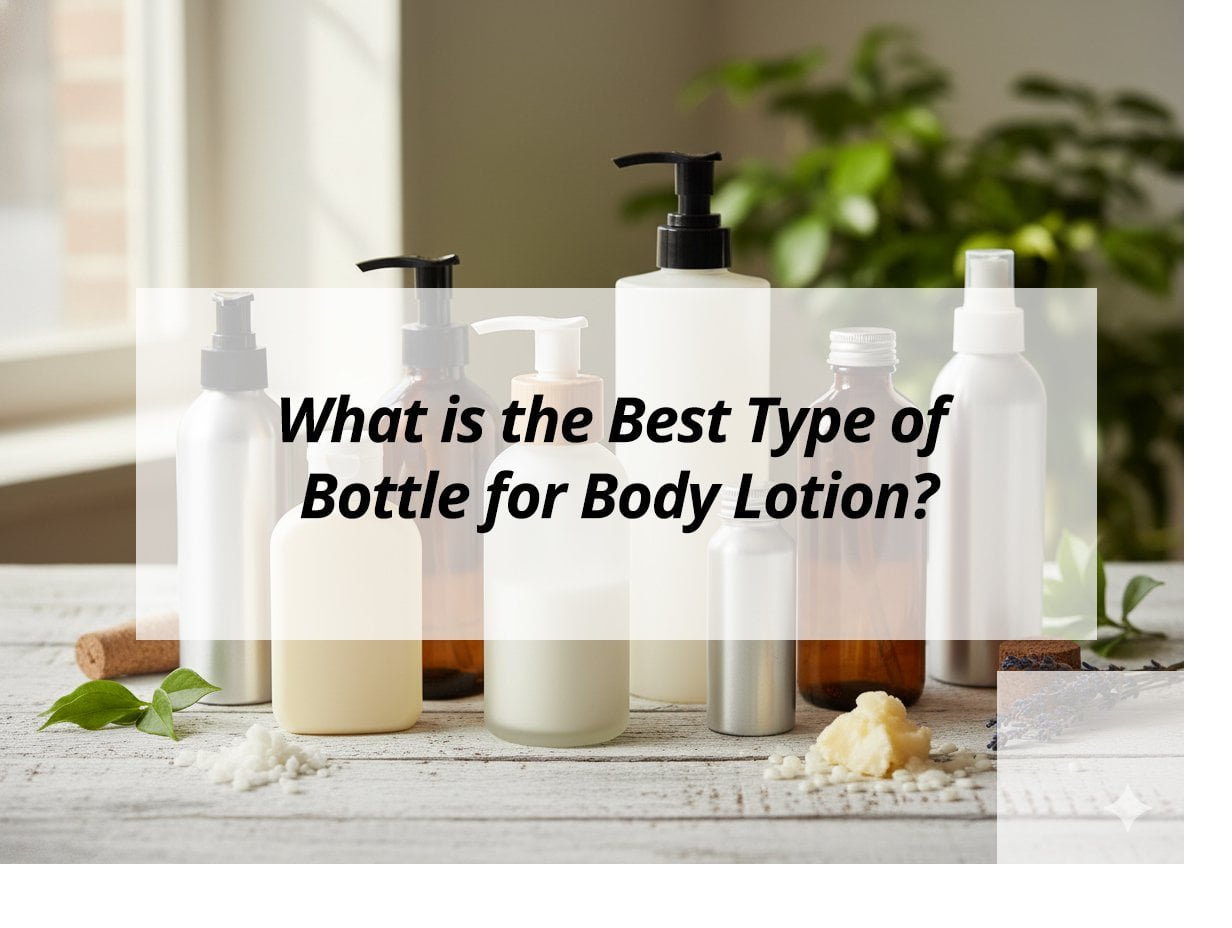
Choosing the right bottle for your body lotion is crucial for both aesthetics and functionality. It's a decision that impacts user experience and product success.
The best type of bottle for body lotion balances functionality, sustainability, and aesthetics. Look for options made from eco-friendly materials that preserve quality while appealing to consumer preferences. Choosing the right bottle reflects environmental responsibility and market trends.
To select the perfect bottle, it's essential to explore the factors that matter most to both producers and consumers.
What is the best estimate for a bottle of lotion?
Determining the correct size for lotion bottles is vital for convenience and economic efficiency.
The ideal estimate for a body lotion bottle1 ranges from 200ml to 500ml, providing convenience for consumers and efficiency in production. These sizes align with market demands and support logistical operations, maximizing both storage and shipping efficiencies.
Understanding the appropriate size is critical for planning, marketing, and distributing body lotion products effectively.
Size Consideration Insights
Selecting the appropriate bottle size requires assessing consumer needs, production efficiency, and logistical considerations.
Consumer Convenience
- Portability: Smaller sizes (200ml-250ml) cater to travelers and daily commuters, offering ease of transport and use.
- Home Use: Larger sizes (400ml-500ml) are more suited for home use and family settings, offering more value per purchase.
Production and Distribution
- Cost Efficiency: Standard sizing streamlines production processes, reducing manufacturing costs and enhancing operational efficiency.
- Logistical Benefits: Consistent bottle sizes simplify storage, handling, and distribution plans, reducing shipment complexities.
Size Choice Table
| Bottle Size (ml) | Ideal Use Case | Benefits |
|---|---|---|
| 200-250 | Travel, daily use | Portable, practical |
| 400-500 | Home, family use | Economical, refillable |
Providing the right bottle sizes enhances customer satisfaction and supports efficient business operations.
How to put lotion in a different bottle?
Transferring lotion between bottles may appear simple, but it requires careful handling to ensure product integrity.
To transfer lotion effectively, ensure cleanliness by thoroughly washing both the original and the recipient bottles. Use a funnel to avoid spillage and sanitize all tools involved. This procedure ensures the lotion remains uncontaminated and effective for continued use.
Understanding the correct transfer technique2 is crucial for maintaining lotion quality and consumer safety.
Transfer Method Detail
Successfully moving lotion involves meticulous preparation and execution to preserve its quality.
Preparation Steps
- Clean Thoroughly: Wash and dry both the original and new bottles prior to transfer to prevent contamination.
- Sanitize Tools: Utilize sanitized equipment, such as a funnel and spatula, to ensure hygiene throughout the process.
Transfer Process
- Use a Funnel: A funnel prevents messy spills, ensuring that all lotion is transferred into the new container cleanly.
- Avoid Contamination: Handle bottles and tools with clean hands to maintain product purity.
Transfer Tips
Implementing careful transfer techniques helps maintain lotion efficacy and quality, resulting in a positive user experience.
What is the top of the lotion bottle called?
Understanding bottle terminology improves communication and aids in the selection process for manufacturers and consumers alike.
The top of a lotion bottle is commonly referred to as the "closure" or "cap." This component is vital for preserving product integrity and ensuring user convenience, safeguarding the lotion against leaks and contamination.
Recognizing different types of closures allows for informed decisions when selecting packaging solutions.
Closure Types and Functions
The closure is an essential part of the packaging that influences both product security and consumer interaction.
Common Types
- Flip-top Cap: Favored for its easy accessibility and controlled dispensing, linking convenience with functional precision.
- Pump Dispenser: Ideal for hygiene and efficiency, providing a measured amount of lotion with each use.
Functional Considerations
- Seal Strength: Ensures airtight protection, reducing the risk of product leakage and spoilage.
- User Experience: Enhances the ease of use, contributing to overall product satisfaction and repeat purchases.
Closure Comparison Table
| Closure Type | User Benefits | Product Compatibility |
|---|---|---|
| Flip-top Cap | Simple, spill-preventive | Travel-friendly |
| Pump Dispenser | Controlled, hygienic | Suitable for larger bottles |
Opting for the right closure enhances product integrity and customer satisfaction, influencing brand choice.
What are lotion bottles made of?
The material of a lotion bottle affects not only its performance but also its environmental footprint, which is increasingly important to consumers.
Lotion bottles are typically crafted from plastic, glass, or eco-friendly materials3 like recycled plastics. These materials offer varied benefits in terms of durability, sustainability, and overall user experience, shaping both product and brand perception.
Selecting the right material aligns with sustainable practices and accommodates consumer preferences for quality and responsibility.
Material Specification Deep Dive
The choice of material significantly influences the bottle's aesthetic, functionality, and ecological impact.
Material Options
- Plastic (PET/HDPE): Lightweight and durable, it's the most common choice due to affordability and versatility.
- Glass: Offers a premium look, is recyclable, and caters to a niche market seeking luxury and sustainability.
- Eco-friendly Options: Embrace recycled plastics and biodegradable substances, fostering environmental stewardship and better brand positioning.
Considerations for Material Choice
- Durability: A robust material ensures the longevity of both the bottle and its contents.
- Environmental Impact: Opting for materials with a reduced ecological footprint supports sustainability goals and caters to eco-conscious consumers.
Material Overview Table
| Material Type | Key Characteristics | Sustainability Impact |
|---|---|---|
| Plastic | Lightweight, versatile | Varies by type |
| Glass | Premium look, reusable | High recyclability |
| Eco-friendly | Green initiatives | High environmental benefit |
Choosing sustainable materials can bolster brand reputation and attract environmentally aware customers looking for quality along with responsibility.
My insights: Choosing the Best Bottle Type for Body Lotion
Wondering which bottle type ensures freshness and ease of use for your lotion? Learn about the best options for durability, convenience, and sustainability.
Pump bottles, especially airless ones, are ideal for body lotion due to hygiene, precise dispensing, and formula preservation. Plastic bottles like PET are favored for durability and recyclability, while glass offers a premium option. Consider bottle design based on portability, sustainability, and lotion viscosity.
Evaluating Ideal Bottle Types for Body Lotion
Preferred Bottle Types:
-
Pump Bottles:
- Benefits: Provide controlled and hygienic dispensing, suitable for thicker lotions.
- Material Compatibility: Work well with both plastic and glass.
-
Airless Pump Bottles:
- Advantages: Minimize contamination, preserve active ingredients, and extend shelf life.
-
Squeeze or Flip-cap Bottles:
- Usage: Suitable for travel and thinner lotions, less precise for body products.
Material Considerations:
-
Plastic (PET or HDPE):
- Features: Lightweight, shatterproof, recyclable, aligns with eco-friendly trends.
-
Glass:
- Attributes: Premium preservation, no chemical leaching, heavier and pricier.
Packaging Sizes:
- Everyday Use: Standard 150-300ml for balance between use and value.
- Travel Options: 100ml or less for portability.
- Bulk Options: 400ml+ for family use with pumps.
Quick Reference Table:
| Bottle Type | Benefits and Considerations |
|---|---|
| Pump | Hygienic, controlled dispensing; suitable for thicker lotions |
| Airless Pump | Preserves formula, minimizes contamination |
| Squeeze/Flip-cap | Convenient for travel; works for thinner lotions |
| Material: Plastic | Lightweight, durable, eco-friendly |
| Material: Glass | Premium, chemical-free preservation |
Selecting the best bottle type for body lotion involves balancing convenience, preservation, and sustainability considerations according to specific product needs.
Conclusion
Selecting the best bottle for body lotion requires careful consideration of size, transfer methods, closure types, and materials. Balancing functionality with sustainability creates a meaningful product choice that resonates with today's consumers.
-
Explore this link to understand the best sizes for body lotion bottles that cater to consumer needs. ↩
-
Explore effective techniques for transferring lotion to maintain quality and prevent contamination. ↩
-
Explore the benefits of eco-friendly materials in lotion packaging and their impact on sustainability. ↩