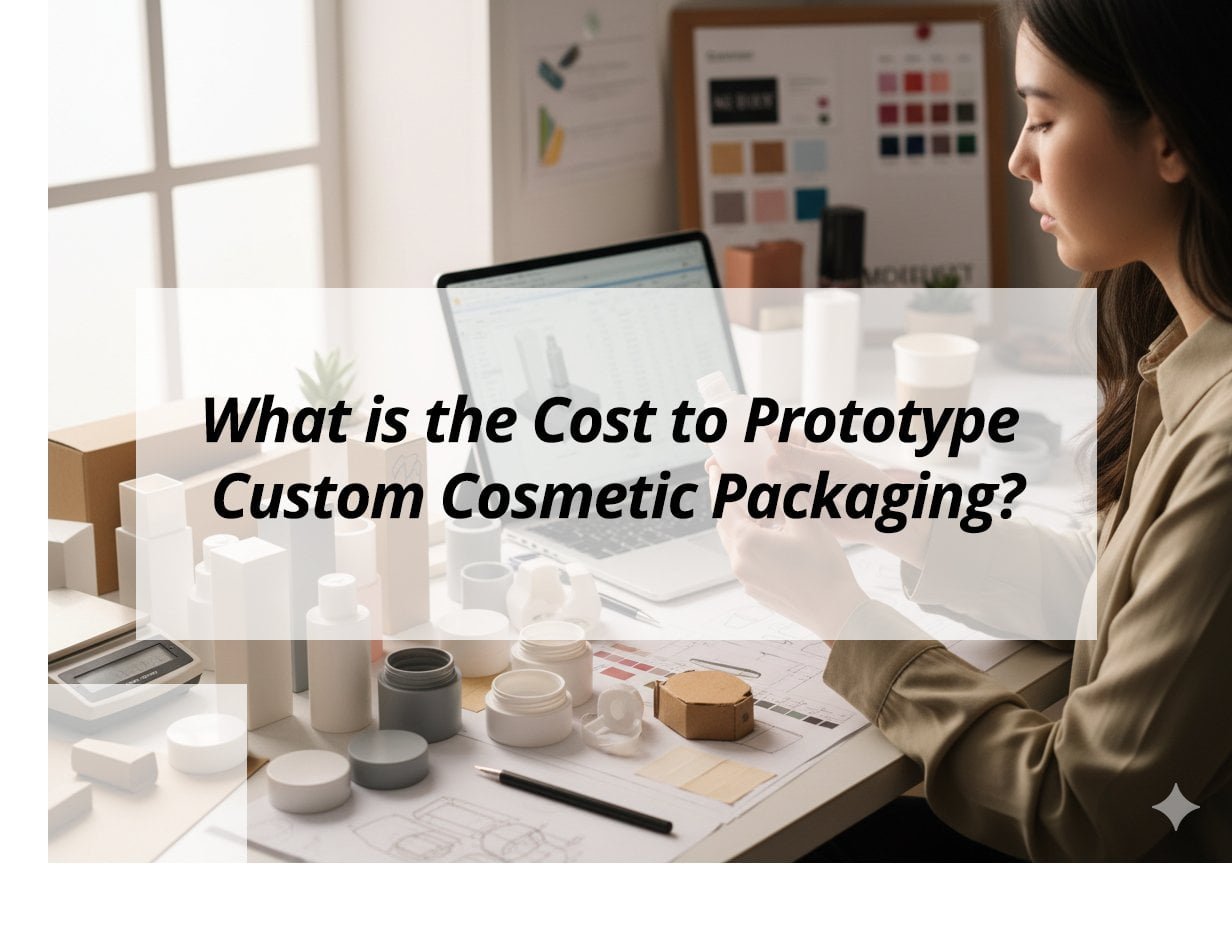
Developing custom cosmetic packaging involves several stages. Understanding the financial outlay for prototyping is essential. This helps in budgeting and project planning.
The cost to prototype custom cosmetic packaging varies widely. Factors include the complexity of the design, the materials used, and the prototyping method chosen. Prices can range from a few hundred dollars for basic models to several thousand for highly functional samples. This initial investment helps refine the final product.
Prototyping serves as a critical step in packaging development. It allows for physical evaluation of a design before mass production. This process helps identify and correct potential issues early. It also ensures the packaging meets aesthetic and functional requirements.
How Much Does Custom Packaging Cost?
The overall cost of custom packaging is influenced by many variables. These factors determine the final price point for any given project.
Custom cosmetic packaging costs are determined by material selection, design intricacy, production volume, and decoration methods. Simple designs using common materials are less expensive. Complex structures with premium finishes and intricate details raise the cost. Larger order volumes typically reduce the per-unit price.
Brands seeking unique packaging solutions must evaluate these cost drivers. A custom design for a unique air cushion case will naturally incur higher costs than a standard lipstick tube. Balancing distinctiveness with budget constraints is a key aspect of packaging development.
Key Factors Influencing Custom Packaging Costs
- Material Selection: The type of material chosen (e.g., glass, aluminum, specific plastics) directly impacts cost. Premium or specialized materials often carry higher price tags.
- Design Complexity: Simpler, more geometric designs require less intricate tooling. Complex, organic, or multi-component designs increase mold and production costs.
- Order Volume: Economies of scale apply; higher quantities typically lead to lower per-unit costs due to fixed setup costs being spread across more items.
- Decoration and Finishing: Techniques such as hot stamping, silk screening, UV coating, or special textures add to the overall cost per piece.
- Tooling Investment: Custom molds for proprietary designs represent a significant upfront capital expenditure. Utilizing existing molds can avoid this cost.
Cost Components for Custom Cosmetic Packaging
| Cost Component | Description | Impact on Overall Cost |
|---|---|---|
| Raw Materials | Price of plastics, glass, metals, paper, etc. | Direct impact, varies by material type and quality |
| Manufacturing | Labor, machine time, energy, and overhead | Influenced by design complexity and production efficiency |
| Tooling/Molds | Creation of custom molds for unique packaging forms | Major one-time investment for bespoke designs |
| Decoration | Application of logos, text, and surface treatments | Adds to unit cost, varies by chosen method |
| Design Services | Fees for conceptualization, engineering, and graphics | One-time fee, depends on design firm/freelancer |
| Prototyping | Production of samples for approval before full run | Initial project expense, prevents costly errors |
Understanding these individual components allows for more accurate budgeting. It facilitates informed decisions throughout the custom cosmetic packaging development process.
What is the Average Cost of Prototyping?
Prototyping is an essential phase for validating packaging designs. It provides a tangible representation of the concept. The costs associated with prototyping can vary significantly based on the method and desired fidelity.
The average cost of prototyping for custom cosmetic packaging ranges widely. Basic 3D printed models might cost a few hundred dollars. More advanced, functional prototypes made with production-grade materials can cost several thousand dollars. The total expense depends on the chosen prototyping technology, material, and required level of detail.
The value of prototyping lies in its ability to identify design flaws early. This prevents expensive rework during mass production. For example, verifying the fit of a pump in a custom lotion bottle or checking the closure of a cream jar is crucial. This proactive approach saves both time and resources.
Factors Affecting Prototyping Costs
- Prototyping Method Employed:
- 3D Printing: Generally the most economical for initial concept validation and form testing.
- CNC Machining: Offers higher precision and allows for testing with specific materials, typically more expensive.
- Soft Tooling/Pilot Molds: Involves creating temporary molds for small-batch production using final materials, representing the highest prototyping cost.
- Material Specification: Using inexpensive, generic materials for early prototypes reduces cost. Replicating the final production material increases prototype expense.
- Design Complexity and Size: Intricate designs with multiple components or larger prototypes require more resources, thus increasing cost.
- Level of Finishing: Applying production-like finishes, colors, and branding details to prototypes adds to the cost. This creates a more realistic representation.
- Number of Design Iterations: Each design revision necessitating a new prototype will incur additional costs.
Typical Prototyping Cost Ranges
| Prototype Fidelity | Description | Estimated Cost Range |
|---|---|---|
| Form Study Models | Basic visual models, often 3D printed, for shape and size checks | $200 - $800 |
| Visual/Display Prototypes | More refined, may include color and surface texture, non-functional | $500 - $2,500 |
| Functional Prototypes | Made with production-equivalent materials, fully operational | $1,500 - $6,000+ |
| Pre-Production Samples | Small run from soft tooling, identical to final mass-produced units | $5,000 - $25,000+ (includes temporary tooling) |
Investing in appropriate prototyping is a prudent decision. It ensures the custom cosmetic packaging design is robust, functional, and aesthetically pleasing before full-scale manufacturing begins.
How Much Does It Cost to Design a Packaging?
Packaging design encompasses creative, technical, and strategic elements. The cost associated with design services can vary widely based on the provider and project scope.
The cost to design packaging ranges from a few hundred to several tens of thousands of dollars. This depends on the designer's experience, whether it is a freelance individual or a full-service agency, and the complexity of the design brief. Comprehensive branding and structural engineering increase the investment.
Effective packaging design extends beyond visual appeal. It includes structural integrity, material compatibility, and user experience. For example, designing a new vacuum bottle requires both aesthetic creativity and detailed engineering. A well-executed design enhances brand recognition and product appeal.
Influential Factors in Packaging Design Costs
- Designer/Agency Experience: Highly experienced or specialized design firms typically charge higher fees than entry-level freelancers.
- Scope of Services:
- Concept Generation: Initial ideation and sketching.
- 3D Renderings & Mock-ups: Digital visualizations of the final product.
- Technical Drawings & Specifications: Detailed blueprints for manufacturing.
- Material Research: Expert advice on suitable materials.
- Revisions: The number of design changes included in the scope.
- Brand Complexity: Designing for an entirely new brand identity is more involved than adapting existing brand guidelines.
- Number of SKUs: Developing a cohesive design system for an entire product line will cost more than a single item.
Typical Packaging Design Cost Estimates
| Design Service Provider | Description | Estimated Cost Range |
|---|---|---|
| Independent Freelancer | Individual designer, flexible rates, project-specific | $500 - $5,000+ per project |
| Boutique Design Studio | Small team, often specialized, offers more comprehensive services | $3,000 - $18,000+ per project |
| Full-Service Design Agency | Large team, extensive capabilities in branding, structural, and graphic design | $10,000 - $60,000+ per project |
| In-House Design Team | Costs are integrated into operational expenses, including salaries | Varies significantly based on team structure |
Choosing the appropriate design partner is crucial. A strong design ensures the custom cosmetic packaging effectively communicates brand values and meets market demands.
How Much Should I Charge for Product Packaging Design?
For designers, establishing a pricing structure for product packaging design is key. This involves valuing one's skills, time, and the tangible value provided to the client.
Pricing for product packaging design depends on the designer's experience, the project's complexity, and current market rates. Key elements to consider include research, concept development, client communications, revisions, and the delivery of final technical files. Common pricing models include hourly rates, flat project fees, and retainers.
Effective pricing reflects not only the effort invested but also the impact a well-designed package can have on a product's success. A design that enhances shelf appeal or improves functionality offers significant value to the client.
Key Factors for Designers to Consider in Pricing
- Designer's Expertise and Reputation: Higher levels of skill, experience, and a strong portfolio command higher fees.
- Project Scope and Deliverables:
- Simple Project: A straightforward label redesign for existing packaging.
- Complex Project: Full structural design for a unique bottle, including multiple iterations and 3D renderings.
- Client's Business Goals: Understanding the client's market position and revenue potential can inform value-based pricing.
- Market Benchmarks: Researching typical rates for similar services in the relevant industry and geographic area.
- Overhead and Profit Margins: Ensuring the pricing covers operational costs and provides a sustainable profit.
Common Pricing Models for Design Services
| Pricing Model | Description | Advantages | Disadvantages |
|---|---|---|---|
| Hourly Rate | Billing for time spent on the project | Fair for projects with undefined scope | Can lead to client uncertainty about total cost |
| Flat Project Fee | A single, agreed-upon price for the entire project | Predictable for both designer and client | Requires accurate scope definition; risk of underpricing complex projects |
| Retainer Model | Recurring fee for ongoing design support or a set amount of work | Provides stable income; fosters long-term client relationships | Less suitable for one-off, short-term projects |
| Value-Based Pricing | Pricing based on the perceived or actual value the design brings to the client | Potential for higher earnings on high-impact projects | Requires strong client trust and clear articulation of value |
A clear contract is vital for any design project. It should detail the scope of work, expected deliverables, revision limits, and payment terms. This ensures mutual understanding and a successful project outcome.
My Insights: What is the Cost to Prototype Custom Cosmetic Packaging?
Curious about the cost to prototype custom cosmetic packaging? Learn how initial investments can impact your product’s launch and branding.
Prototyping custom cosmetic packaging costs range from $50 to over $1,000, depending on design complexity and materials. Factors include structural mockups, printing, and tooling. Consider digital prototyping to reduce expenses and speed up iteration.
Understanding Prototyping Costs for Custom Packaging
Types of Prototypes
- Structural Mockups: Simple, white samples for testing fit and dimensions, costing $20-$200 each.
- Printed Samples: Fully finished prototypes with graphics, ranging from $50-$300 per unit.
Cost Components
- Tooling and Setup: Includes custom cutting dies and printing plates, costing between $80-$500+.
- 3D and Digital Mockups: Many suppliers offer free 3D mockups and digital proofs, providing cost-effective iteration options.
| Prototype Type | Cost Range | Purpose |
|---|---|---|
| Structural Mockup | $20-$200 | Test size and fit |
| Printed Sample | $50-$300 | Full design and finish evaluation |
| Tooling/Setup | $80-$500+ | Initial equipment and printing setup |
Moving Towards Production
Transitioning from prototype to production involves higher volumes that significantly reduce per-unit costs. Evaluate your specific needs like packaging type (jar, bottle, etc.) and desired aesthetics to optimize your prototyping spend.
Conclusion
Prototyping custom cosmetic packaging involves diverse costs, depending on design and materials. Understanding these expenses, from initial design to functional samples, is key. This careful planning enables effective project management and successful product launch.