Packaging is a key component for any product. It functions as more than a container. It plays a role in how consumers perceive a brand. Effective packaging can differentiate a product. It helps to build consumer trust.
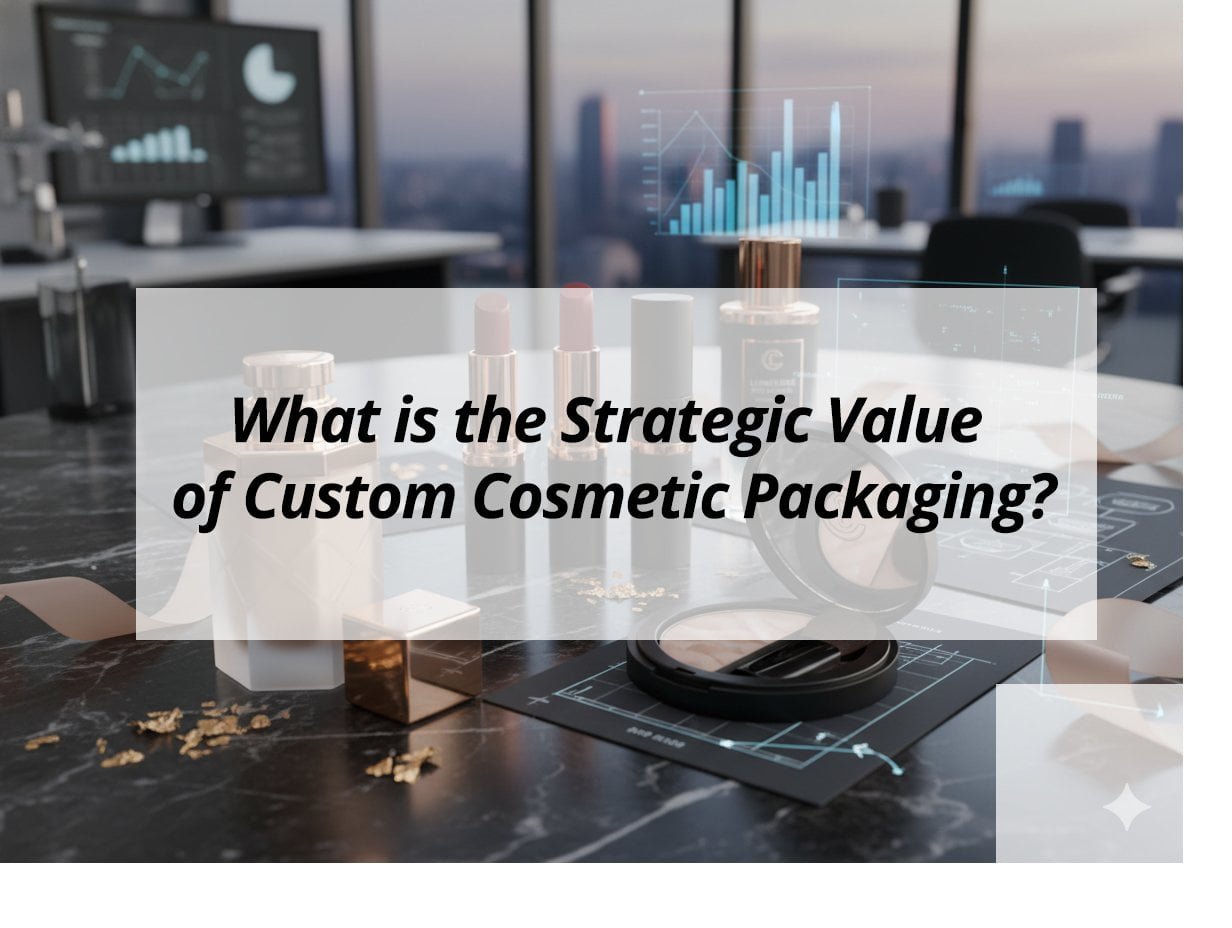
Custom cosmetic packaging holds significant strategic importance. It establishes a distinct brand identity. It provides product protection. It attracts target consumers. This form of packaging supports business expansion. It contributes to sales and consumer loyalty. It signals product quality. It helps brands convey their message clearly.
Many businesses do not fully leverage the potential of custom packaging. They miss chances to connect with their audience. However, strategic companies use packaging to tell their brand's story. They use it to establish a strong market presence. This approach helps them to stand apart.
What is the Strategic Importance of Packaging?
Packaging might seem like just a protective layer for a product. However, this view overlooks its broader impact. Packaging acts as a primary communication tool. It represents the brand when direct interaction is absent.
The strategic importance of packaging is high. It safeguards products. It serves branding and marketing functions. Well-designed packaging attracts consumers. It influences purchasing decisions. It also communicates brand narratives. This makes a brand memorable.
Consider a product that is high in quality but presented in plain, generic packaging. Its market performance may be limited. When the same product is placed in custom-designed packaging—for example, a sleek, elegantly branded tube—its market perception can change dramatically. This demonstrates the influence packaging has on consumer perception and sales. It can transform how a product and brand are valued.
How Packaging Protects Products
Packaging ensures product integrity. It prevents damage during transport. It also guards against contamination.
- Physical Protection: Packaging prevents breakage. It stops leaks. This is essential for liquid products.
- Barrier Protection: It maintains product freshness. It restricts exposure to air and moisture. This is critical for many cosmetic formulations.
- Security: It helps prevent tampering. This builds consumer confidence.
Packaging as a Marketing Instrument
Packaging is a central element of marketing. It forms the initial visual contact consumers have with a product. It creates a first impression.
- Brand Recognition: Brand logos and colors on packaging make a brand easily identifiable.
- Information Conveyance: It provides essential details. This includes ingredients and usage instructions.
- Differentiation: Unique packaging helps products stand out from competitors.
- Emotional Connection: Attractive packaging can evoke positive emotions. It can generate consumer interest.
Key Factors in Strategic Packaging
Effective packaging involves considering multiple aspects. It is a strategic effort, not just a containment solution.
| Factor | Description | Impact on Strategy |
|---|---|---|
| Material | The type of material used (e.g., glass, plastic, metal). | Affects durability, cost implications, and perceived quality. |
| Design | The visual and tactile characteristics (shape, color, graphics). | Influences brand image and consumer appeal. |
| Functionality | The ease of use and opening for the consumer. | Affects consumer convenience and overall satisfaction. |
| Sustainability | The environmental impact, such as recyclability. | Important for brands and consumers with environmental concerns. |
| Cost | The expense associated with producing the packaging. | Influences total product cost and profit margins. |
How Big is the Custom Packaging Market?
The custom packaging market is experiencing significant growth. Businesses increasingly seek tailored solutions. They recognize that standard packaging is often insufficient. This trend is particularly evident in the cosmetic industry.
The custom packaging market is substantial and expanding. It is driven by brands' need for distinct identity. It is also fueled by consumer demand for unique products. This market spans various industries. It represents a key area for business investment. It enables brands to achieve market distinction.
This growth is observable across the industry. Initially, many clients sought generic packaging. Now, requests for custom molds and specialized finishes are common. Brands prioritize unique identities. They aim for something exclusive. This reflects a notable market evolution. Buyers in various regions require custom solutions to enhance their products.
Factors Driving Custom Packaging Market Growth
Several factors contribute to the expansion of this market. Brands aim for uniqueness, and consumers seek novelty.
- Brand Differentiation: Brands strive to distinguish themselves. Custom packaging facilitates this.
- E-commerce Expansion: Online sales mean packaging is the initial physical brand interaction. It must make an impact.
- Sustainability Requirements: Brands seek environmentally friendly packaging. Custom solutions can address these needs.
- Personalization Trends: Consumers appreciate products that feel uniquely made for them. Custom packaging supports this.
- Material Innovation: Advancements in materials and printing technologies simplify custom designs.
Key Segments within Custom Packaging
The market is segmented by industry, each with specific requirements.
- Food and Beverage: This large segment prioritizes safety and shelf life.
- Cosmetics and Personal Care: This segment emphasizes aesthetics and brand image.
- Pharmaceuticals: This focuses on safety features and clear labeling.
- Electronics: This segment requires protection for sensitive components.
Market Trends in Custom Packaging
The cosmetic packaging sector shows a strong movement toward custom work.
- Bespoke Molds: Clients frequently request unique shapes for their products.
- Specialized Finishes: Options like matte, glossy, metallic, or soft-touch finishes are popular.
- Logo Integration: Custom branding, such as debossed or printed logos, is a standard expectation.
- Material Specificity: Brands often select particular materials to convey a premium feel.
| Custom Packaging Element | Description | Strategic Importance |
|---|---|---|
| Unique Shapes | Packaging with non-standard forms. | Establishes strong visual identity; difficult for competitors to replicate. |
| Specific Colors | Precise color matching, including custom gradients. | Reinforces brand aesthetics; evokes particular sentiments. |
| Embossing/Debossing | Raised or recessed designs on the package surface. | Adds a premium, tactile quality; enhances brand perception. |
| Labeling and Printing | High-quality application of logos, text, and graphics. | Communicates brand messaging; provides product information. |
| Material Selection | Choice of specific plastics, glass, or metals. | Impacts durability, weight, sensory experience, and environmental footprint. |
Why is Packaging Important in Cosmetics?
Cosmetics are fundamentally about appeal and well-being. Packaging is critical to this experience. It extends beyond simple product protection. It cultivates desire.
Packaging is crucial in the cosmetic industry. It promotes the product before direct use. It generates appeal. It signifies the quality of the product within. It aids in establishing a luxury image. Effective packaging fosters a strong emotional bond with consumers. It influences how a brand is perceived.
For buyers in the cosmetic industry, packaging is a key indicator. It suggests the quality control of a supplier. It indicates the product's market appeal. If packaging appears low-cost, the product may be perceived similarly. If it conveys luxury, it implies higher value. This emphasis on detail is widespread among successful packaging providers, recognizing its impact on B2B sales.
First Impressions in Cosmetics
In the cosmetic sector, initial visual impact is paramount. Packaging is the primary driver of this first impression.
- Visual Appeal: Attractive packaging captures attention. It encourages consumers to engage with the product.
- Sensory Experience: The feel, weight, and opening mechanism of packaging contribute to the overall experience.
- Brand Narrative: Packaging communicates brand values. It signifies if a brand is eco-conscious, luxurious, or playful.
- Market Differentiation: In a competitive market, unique packaging helps a brand stand out.
Packaging as an Indicator of Product Quality
Consumers often infer product quality from its packaging, particularly in cosmetics.
- Perceived Value: High-quality packaging suggests a high-quality product.
- Trust Building: Well-crafted packaging enhances consumer trust in the brand. Consumers expect the product inside to match this standard.
- Product Protection: Robust packaging protects delicate cosmetic formulations. It helps maintain freshness and efficacy.
Supporting Cosmetic Brands Through Packaging
Cosmetic packaging suppliers understand the specific demands of the industry. They help clients meet their objectives.
- Diverse Product Range: Suppliers offer various packaging types, such as lipstick tubes, lip gloss tubes, and cream jars. This addresses wide market needs.
- Customization Capabilities: Options include custom logos and diverse finishes. This enables brands to create unique aesthetics.
- Quality Manufacturing: Advanced machinery ensures high-quality production. This is essential for cosmetic products.
- Market Insight: Understanding regional market preferences aids clients in reaching their target consumers effectively.
| Cosmetic Product Type | Key Packaging Considerations | Typical Features |
|---|---|---|
| Lipstick Tubes | Elegant design, smooth mechanism, secure closure. | Custom shapes, various finishes (matte, glossy), magnetic closures. |
| Lip Gloss Tubes | Leak-proof, accessible applicator, clear product visibility. | Diverse applicator styles, transparent components, durable materials. |
| Cream Jars | Airtight seal, hygienic access, premium feel. | Double-wall construction, glass options, integrated applicators. |
| Lotion Bottles | User-friendly pump, ergonomic form, product integrity. | Airless pump systems, spray functionality, unique bottle geometries. |
| Eyeshadow Cases | Secure latch, mirror integration, multiple pan compartments. | Magnetic closures, compact designs, refillable options. |
What is Custom Cosmetic Packaging?
Custom cosmetic packaging refers to containers specifically designed for a single brand. It is bespoke, not mass-produced. It precisely aligns with the brand's vision.
Custom cosmetic packaging involves creating unique containers. These containers are tailored to a brand's specific requirements. This includes custom shapes, colors, and branding elements. It also uses specialized materials. This packaging approach helps a brand achieve distinction. It establishes a strong identity. It ensures products appear professional and high-quality. This is crucial for market success.
Clients often have specific visions. For example, they might request a lipstick tube with a particular weight, a unique rose gold hue, and an engraved logo. This exemplifies custom packaging. It involves collaborative development rather than selecting from existing stock. Packaging providers work to actualize these visions. This approach helps brands connect with their consumers. It elevates product presentation.
Components of Custom Cosmetic Packaging
Custom packaging comprises several elements. Each contributes to its uniqueness.
- Unique Design: This encompasses custom shapes, dimensions, and structural designs. It might involve a bespoke mold for a bottle.
- Specific Materials: Selection of particular types of plastic, glass, or metal. This affects sensory attributes and visual appeal.
- Branding Elements: Application of custom logos, brand names, and slogans. This includes techniques like embossing, debossing, or specialized printing.
- Color Matching: Exact replication of brand-specific colors. This ensures visual consistency across products.
- Finishes and Textures: Application of special coatings. Examples include matte, glossy, metallic, or soft-touch effects.
Advantages of Investing in Custom Cosmetic Packaging
Investing in custom packaging offers clear benefits. It is a strategic business decision.
- Strong Brand Identity: Packaging becomes instantly recognizable. It reinforces the brand's image.
- Competitive Advantage: Products stand out in a saturated market. They acquire a unique appearance.
- Enhanced Consumer Experience: High-quality, custom packaging creates a premium perception for consumers.
- Improved Product Protection: Custom designs can be precisely fitted to the product. This minimizes potential damage.
- Higher Perceived Value: Consumers often attribute higher value to products presented in attractive, unique packaging.
Process for Custom Cosmetic Packaging
A structured process ensures client requirements are met effectively.
- Concept Development: Discussion with the client to understand their vision and brand guidelines.
- Design and Prototyping: Creation of 3D designs and physical samples. Refinement based on client feedback.
- Material Selection: Guidance in choosing optimal materials. Consideration of cost, durability, and aesthetics.
- Production: Manufacturing using appropriate machinery. Ensuring high-quality output.
- Quality Control: Inspection of each component to meet established standards.
- Logistics: Management of shipping and delivery to ensure timeliness.
| Customization Option | Description | Benefit to Brand |
|---|---|---|
| Material Choice | Selection of specific plastics (PP, PETG), glass, or aluminum types. | Influences durability, perceived luxury, and recyclability. |
| Color Matching (Pantone) | Exact adherence to brand-specific color codes. | Ensures brand consistency and market recognition. |
| Surface Finishes | Application of coatings such as soft-touch, matte, glossy, or metallic. | Adds tactile appeal, enhances luxury perception, and visual impact. |
| Engraving/Debossing | Creation of raised or recessed textures for logos or patterns. | Provides a premium, sophisticated feel; challenging to replicate. |
| Custom Tooling/Molds | Design and manufacturing of unique molds for specific shapes. | Results in exclusive packaging designs. |
| Printing Techniques | Use of silk screen, hot stamping, or UV printing for graphics. | Allows for detailed, vibrant branding and artistic elements. |
My Insights: The Strategic Value of Custom Cosmetic Packaging
Struggling to stand out in the crowded beauty industry? Discover how custom cosmetic packaging can elevate your brand.
Custom cosmetic packaging enhances brand identity, differentiates products, and attracts consumers with unique designs. It supports marketing efforts, increases perceived value, and enables sustainable practices, making it a strategic asset for beauty brands.
Enhancing Brand Strategy with Custom Cosmetic Packaging
Brand Identity and Market Positioning
- Distinctiveness: Custom packaging conveys brand personality and establishes price tiers, acting as a “silent salesperson” to captivate consumers.
- Visual Consistency: Consistent designs reinforce recognition, making it easier for consumers to locate and trust your brand.
Customer Engagement and Experience
| Feature | Benefit |
|---|---|
| Unboxing Experience | Enhances customer delight and perceived value. |
| Personal Touches | Boosts loyalty and encourages repeat purchases. |
Sustainability and Trust
Custom packaging allows eco-friendly material choices, aligning with consumer values and potentially justifying a price premium. Sustainable designs reduce waste and support environmental goals.
By integrating these elements, beauty brands can improve visibility, customer loyalty, and sustainability, creating strategic advantages in a competitive market. Choose packaging that aligns with brand values for a cohesive consumer experience.
Conclusion
Custom cosmetic packaging is essential for any brand. It extends beyond simple containment. It builds identity. It attracts consumers. It signals quality. Investing in it supports business growth. It ensures a brand's distinct presence in a competitive market.