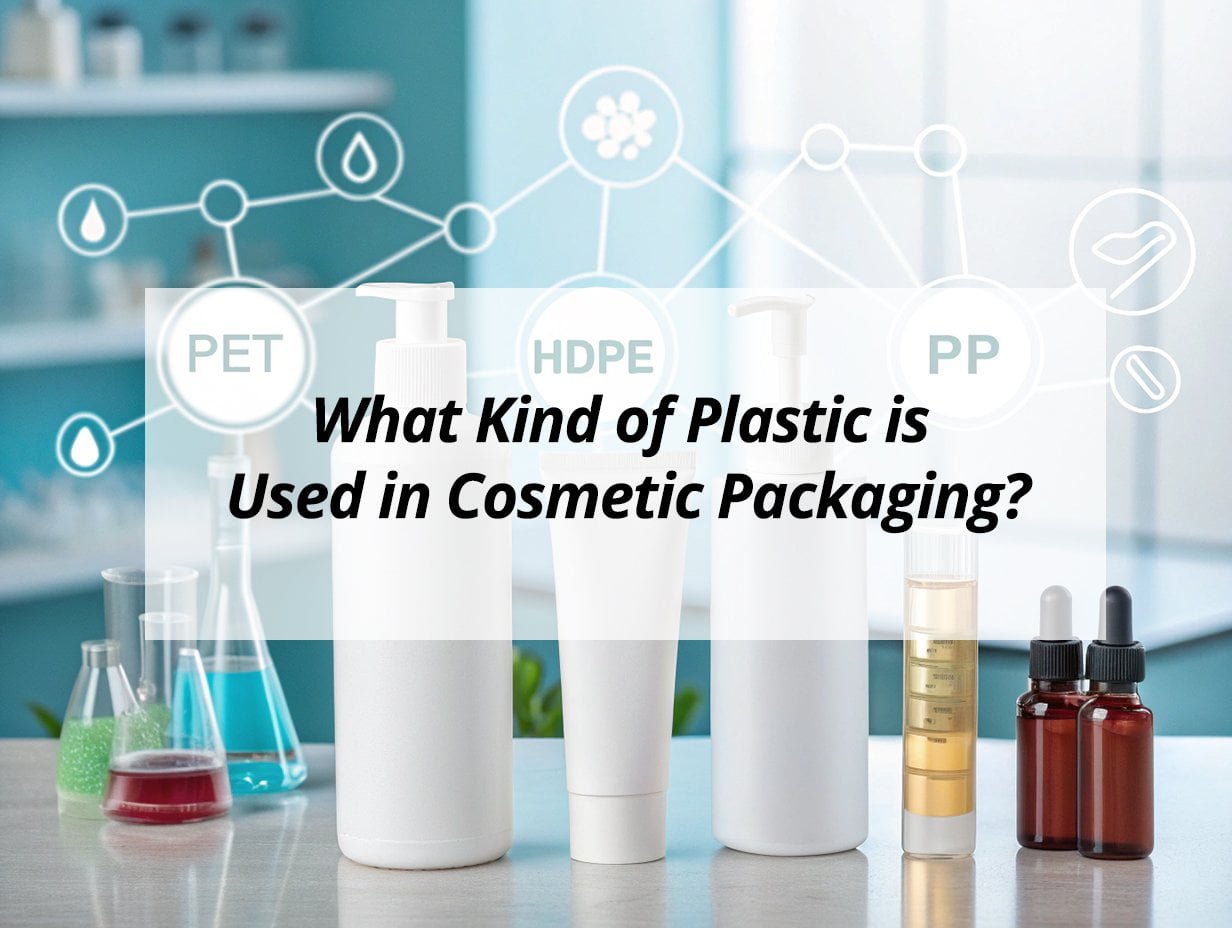
Selecting the right plastic for cosmetic packaging can greatly influence product protection and brand image. The right choice enhances both practicality and aesthetics, crucial for an effective skincare packaging material.
Plastics like PET, PE, PP, and HDPE are popular due to their ability to provide durability, flexibility, and chemical resistance. These materials cater to both functional and creative design needs, ideal for colorful cosmetic packaging.
Choosing the appropriate plastic ensures longevity and appeal, making products attractive and reliable to customers.
What plastic is used in cosmetics?
Cosmetics require materials that provide safety for sensitive formulations and allow for creative designs.
PET1, PE2, PP3, and HDPE4 are staples in cosmetic packaging solutions. They are chosen for attributes such as clarity, durability, and chemical compatibility, ensuring both protective and aesthetic qualities.
Let's explore these materials in depth:
| Plastic Type | Key Features | Common Applications |
|---|---|---|
| PET | High clarity, moisture resistance | Transparent bottles and containers |
| PE | Flexible, cost-effective | Squeeze tubes, bags |
| PP | Durable, heat and chemical resistant | Caps, applicators, jars |
| HDPE | Sturdy, recyclable | Lotion bottles, pump dispensers |
-
PET is prized for its clarity, making it suitable for showcasing products.
-
PE offers flexibility for products like soft tubes.
-
PP is often used for components requiring high chemical resistance.
-
HDPE is known for its strength and is commonly recycled.
These materials play a crucial role in ensuring products remain safe while appearing visually appealing.
What is the best plastic for cosmetics?
Choosing the best plastic involves assessing utility, appearance, and environmental impact.
PP and PET are top choices due to their robustness and clear, attractive appearance. They meet the needs for custom skincare packaging by combining functionality with style.
Here’s why they stand out:
-
PP and PET Benefits: Offer resilience against chemicals and appealing aesthetics, crucial for maintaining product safety and enhancing visual appeal.
-
Recyclability: Both are widely recyclable, fitting the sustainable packaging trend.
-
Design Options: Their adaptability allows for innovative designs, perfect for custom packaging solutions that enhance branding.
-
Cost Advantages: Their affordability in mass production makes them preferred choices in wholesale markets.
Therefore, both PP and PET provide a comprehensive balance necessary for modern cosmetic packaging needs.
How worrying are microplastics in makeup?
Microplastics pose a growing environmental concern, impacting ecosystems and consumer perceptions.
Microplastics, originating from packaging and product ingredients, contribute to environmental pollution, posing risks to marine life and potentially impacting human health through the food chain.
Diving deeper:
-
Origins: Microplastics can result from the breakdown of packaging materials or be used intentionally in formulations.
-
Environmental Impact: These particles contaminate oceans, affecting aquatic life and potentially entering human food chains through seafood.
-
Consumer Awareness: Increasing concerns have led to a demand for more sustainable cosmetic packaging solutions.
-
Industry Response: Many brands are transitioning to biodegradable materials and reducing reliance on harmful plastics.
By addressing these challenges, the industry can foster a more environmentally friendly image and align with consumer values.
What is skincare packaging made of?
Skincare packaging materials must blend protection with design to attract consumers.
Skincare packaging frequently employs materials like PET, PP, and HDPE for their strength, barrier properties, and versatility, essential for high-quality, custom skincare packaging solutions.
Consider these aspects:
-
Material Properties: PET is prized for its transparency; HDPE offers sturdiness; PP ensures resistance to chemicals and heat.
-
Barrier Capabilities: These materials protect against moisture and oxidation, vital for preserving product integrity.
-
Design Flexibility: They support diverse packaging designs, enhancing product attractiveness and reinforcing brand identity.
-
Sustainable Practices: Many skincare brands focus on recyclability and customization, aligning with eco-conscious consumer trends.
Such packaging helps ensure that skincare products not only look appealing but also maintain their efficacy and freshness, vital in competitive B2B markets.
My Insights: Types of Plastic Used in Cosmetic Packaging
Struggling to choose the right plastic for cosmetic packaging? Discover the options and their benefits.
Cosmetic packaging relies on plastics like PP, PE, PET, PVC, and HDPE for their durability, flexibility, clarity, sealability, and impact resistance. Each type serves different needs based on product requirements and design.
Plastic Choices for Cosmetic Packaging
Common Plastics and Their Uses
-
Polypropylene (PP): Used for closures, liners, and pump components due to its chemical resistance and durability.
-
Polyethylene (PE): Ideal for flexible tubes and bottles, offering good barrier properties.
-
Polyethylene Terephthalate (PET): Preferred for clear bottles and jars, providing excellent clarity and strength.
-
High-Density Polyethylene (HDPE): Known for its impact resistance, used for opaque bottles and jugs.
Specialized and Eco-Friendly Options
- Bioplastics: Emerging as sustainable alternatives with reduced environmental impact.
- Post-Consumer Recycled Plastics (PCR): Supports circular sustainability goals and can match the performance of virgin materials.
| Plastic Type | Key Benefits | Common Uses |
|---|---|---|
| PP | Durable, chemically resistant | Closures, internal liners |
| PE | Flexible, good barrier properties | Tubes, flexible bottles |
| PET | Clear, strong, recyclable | Transparent bottles and jars |
| HDPE | Impact-resistant, versatile | Opaque bottles, jugs |
| Bioplastics | Eco-friendly | Sustainable packaging solutions |
Selecting the right plastic involves balancing factors like product compatibility, sustainability, and aesthetic preferences to meet brand and consumer expectations effectively.
Conclusion
Understanding the various plastics used in cosmetic packaging enables informed decisions, ensuring products are packaged in a way that is sustainable, visually appealing, and functionally reliable, addressing both commercial and consumer needs effectively.
-
Explore the advantages of PET, including its clarity and moisture resistance, essential for effective cosmetic packaging. ↩
-
Learn about the flexibility and cost-effectiveness of PE, making it ideal for various cosmetic applications. ↩
-
Discover why PP's durability and chemical resistance are crucial for maintaining product safety in cosmetics. ↩
-
Find out how HDPE's strength and recyclability contribute to sustainable skincare packaging solutions. ↩