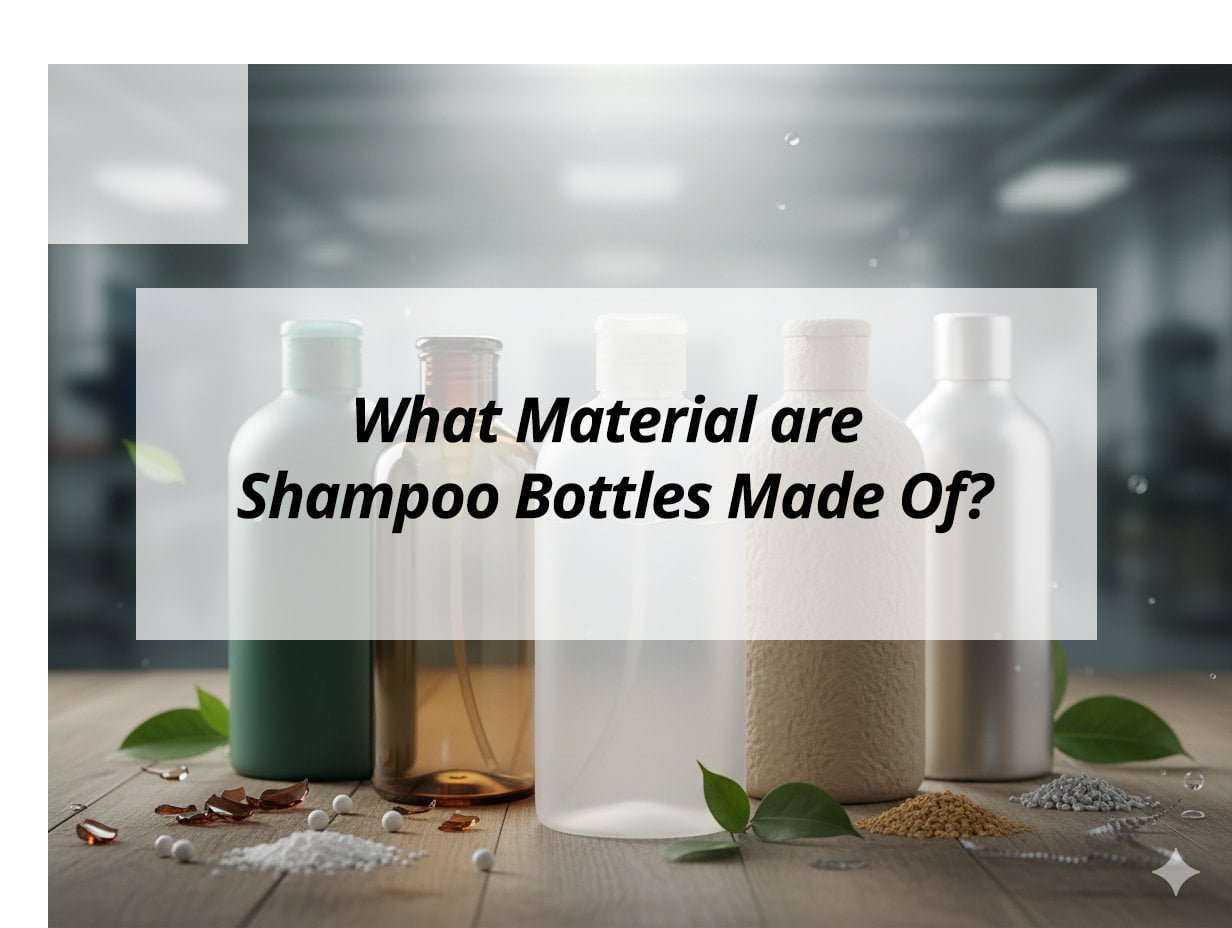
Are you wondering about the materials in shampoo bottles? The choice of material affects product quality, safety, and environmental impact. Understanding these materials is important for informed decisions.
Shampoo bottles typically use various plastics, such as HDPE, PET, and PP. These materials provide strength, light weight, and chemical resistance. They help keep the shampoo stable and effective. Each plastic type offers specific characteristics for different packaging needs.
This article will explore common materials used for shampoo bottles. This information can help in selecting appropriate packaging solutions.
What are shampoo bottles made of?
Do you know what materials are used for shampoo bottles? Understanding these materials is important for packaging choices. Different plastics offer distinct advantages for various products.
Shampoo bottles are primarily made from plastics such as HDPE, PET, and PP. These plastics are chosen for their durability, low weight, and resistance to chemical reactions. This ensures the shampoo remains safe and its properties are preserved.
HDPE is a common material. It offers good strength and chemical resistance. Many opaque shampoo bottles use HDPE. PET is also popular. It is used for clear bottles. PET provides clarity and good structural integrity. PP is often used for caps and closures. It has good heat resistance.
Common Plastics in Shampoo Bottles
Different plastics serve different packaging purposes.
| Material | Key Features | Common Uses |
|---|---|---|
| HDPE (High-Density Polyethylene) | Durable, chemical-resistant, opaque, flexible | Milk jugs, detergent bottles, most opaque shampoo bottles |
| PET (Polyethylene Terephthalate) | Clear, strong, lightweight, good barrier properties | Water bottles, soda bottles, clear shampoo bottles |
| PP (Polypropylene) | Heat-resistant, stiff, good for hinges | Bottle caps, yogurt containers, some shampoo bottles |
| PVC (Polyvinyl Chloride) | Clear, strong, but less common due to environmental concerns | Some specialized packaging, historically more common |
Why Plastic is Popular for Shampoo Bottles
Plastic is widely used for shampoo bottles for several reasons.
- Lightweight: Plastic is light. This reduces shipping costs. It also makes bottles easy for consumers to handle.
- Durable: Plastic bottles resist breakage. This protects the product inside. It also reduces waste from spills.
- Cost-Effective: Manufacturing plastic bottles is generally less expensive than glass or metal. This helps manage product costs.
- Versatile: Plastic can be molded into various shapes. This allows for diverse designs and sizes. It supports custom branding requirements.
- Chemical Resistance: Most plastics do not react with typical shampoo ingredients. This ensures product stability and safety over time.
The widespread use of plastic in packaging highlights its practical advantages. It provides a balance of performance and economic viability for many brands.
What is the best material for shampoo bottles?
Are you looking for the best material for shampoo bottles? The right choice influences brand perception and product integrity. It is important to evaluate the available options.
The optimal material for shampoo bottles depends on specific product needs. It is based on factors like the shampoo's formulation, brand positioning, and sustainability goals. HDPE and PET are frequently preferred. They offer a balanced set of properties.
For instance, a thick shampoo might benefit from the squeezability of an HDPE bottle. A premium, clear hair treatment might be best presented in a PET bottle. These material choices support different product characteristics.
Factors for Choosing the Best Material
Several considerations guide material selection.
- Product Compatibility: The packaging material must not interact negatively with the shampoo's ingredients. Some formulations can affect certain plastics.
- Brand Image: Transparent PET bottles often convey a premium image. Opaque HDPE can suggest robustness and practicality. The visual appeal aligns with brand identity.
- Cost-Effectiveness: Different materials have varying costs. Selecting a material involves balancing quality with budget constraints.
- Recyclability: Many brands prioritize environmentally friendly options. PET and HDPE are commonly recyclable. This appeals to eco-conscious consumers.
- Durability: The bottle must withstand transportation and regular use. It should prevent leaks or damage to the product.
- Barrier Properties: Some shampoos require protection from light, oxygen, or moisture. Certain plastics offer superior barrier performance.
Comparing Top Choices: HDPE vs. PET
Let's examine HDPE and PET in more detail.
| Feature | HDPE (High-Density Polyethylene) | PET (Polyethylene Terephthalate) |
|---|---|---|
| Appearance | Opaque, typically white or colored | Clear, transparent, can be tinted |
| Flexibility | More flexible, often squeezable | Stiffer, less flexible |
| Cost | Generally more cost-effective | Slightly higher cost, often chosen for aesthetic appeal |
| Recycling | Widely recyclable (Code 2) | Widely recyclable (Code 1) |
| Barrier | Good moisture barrier, less effective against oxygen | Excellent oxygen barrier, good moisture barrier |
| Chemical Resistance | Excellent against most chemicals, suitable for varied formulas | Good, but strong acids or bases can affect it over time |
The choice between HDPE and PET often comes down to a trade-off between cost, appearance, and specific barrier needs. Both are reliable options for shampoo packaging.
Do all plastic bottles release microplastics?
Are there concerns about microplastics from plastic bottles? This is an important environmental and health topic. Understanding how plastics degrade is essential.
Plastic bottles can release microplastics. This process occurs over time due to factors such as wear, heat, and UV exposure. All plastics have the potential to break down into small particles. However, the extent of microplastic release varies significantly based on plastic type and environmental conditions.
The issue of microplastics is a relevant consideration in packaging design and material selection. It prompts ongoing research and development in plastic technology.
How Microplastics Form from Bottles
Microplastics are defined as plastic pieces smaller than 5mm.
- Friction and Wear: Physical interactions, like squeezing or rubbing, can cause tiny plastic particles to detach.
- UV Exposure: Sunlight, specifically ultraviolet radiation, degrades plastic. This makes it brittle and more prone to shedding particles.
- Heat: Elevated temperatures can weaken the chemical bonds within plastic. This accelerates its breakdown into smaller fragments.
- Chemical Interaction: Some chemicals in products can slowly degrade the plastic of the bottle itself, leading to particle release.
When plastic bottles age or are subjected to environmental stressors, their structural integrity diminishes. This process contributes to the formation and release of microplastics into the environment.
Reducing Microplastic Release
Measures can be taken to minimize microplastic release.
- Choose Durable Plastics: High-quality HDPE and PET are generally more stable. They are less likely to shed microplastics rapidly.
- Proper Storage: Storing bottles away from direct sunlight and extreme heat can slow down plastic degradation.
- Sustainable Designs: Packaging designs that enhance material thickness or include protective layers can offer greater resistance to breakdown.
- Material Innovation: Research continues into new plastic formulations. These include plastics designed for greater stability or complete biodegradability.
Manufacturers focus on producing robust packaging. This involves using high-grade materials and controlled manufacturing processes. Such practices aim to create packaging that maintains its integrity over its lifecycle, reducing potential microplastic concerns.
Are Microplastics Harmful?
The scientific understanding of microplastic effects is still evolving.
- Environmental Impact: Microplastics are pollutants that accumulate in ecosystems. They can be ingested by wildlife and enter various food chains.
- Human Health: Research is actively investigating the potential impacts of microplastics on human health. This area requires further study for conclusive findings.
While the full implications are being studied, efforts to reduce microplastic release are part of broader sustainability initiatives in the packaging industry.
Can shampoo bottles be recycled?
Are you curious about the recyclability of shampoo bottles? Recycling is a crucial practice for environmental sustainability. It helps reduce waste and conserve natural resources.
Most shampoo bottles are recyclable. They are typically made from PET (Code 1) or HDPE (Code 2). These plastic types are widely accepted in many recycling programs. It is always important to check the recycling symbols on the bottle and review local recycling guidelines.
Recyclability is a key consideration for brands aiming to meet sustainability goals. Choosing recyclable packaging materials supports these efforts.
Understanding Recycling Codes
Recycling codes help identify plastic types for sorting.
- Code 1 (PET or PETE): Polyethylene Terephthalate. This plastic is commonly used for clear bottles. It is highly recyclable in many regions.
- Code 2 (HDPE): High-Density Polyethylene. This material is frequently used for opaque bottles. It is also widely recyclable.
- Code 5 (PP): Polypropylene. Used for caps and some bottles. Its recyclability can vary depending on local facilities.
The majority of shampoo bottles fall under recycling codes 1 or 2. This generally indicates good recyclability. However, recycling infrastructure and acceptance policies differ geographically.
Steps for Recycling Shampoo Bottles
Proper preparation enhances recycling effectiveness.
- Empty the Bottle: Ensure all shampoo product is removed from the bottle.
- Rinse It Out: Rinse the bottle with water to remove any remaining residue. Residue can contaminate recycling streams.
- Replace or Remove the Cap: Some recycling programs prefer caps to be left on. Others request their removal, as caps may be made of different plastic types or be too small for sorting equipment. Consult local guidelines.
- Check Local Guidelines: Confirm specific recycling instructions with your local municipal or private recycling service.
The Benefits of Recycling Shampoo Bottles
Recycling offers significant environmental advantages.
- Reduces Landfill Waste: Diverts plastic waste from landfills. This conserves landfill space and lessens environmental pollution.
- Saves Resources: Recycling plastic consumes less energy and fewer virgin raw materials compared to producing new plastic.
- Lowers Carbon Footprint: Manufacturing products from recycled plastics typically results in lower greenhouse gas emissions.
- Supports Circular Economy: Recycled plastic can be processed into new bottles or other products. This fosters a circular use of materials.
The packaging industry increasingly offers solutions using recyclable materials. This includes options for PCR (Post-Consumer Recycled) content. Using PCR plastic helps to close the material loop and contributes to a more sustainable manufacturing process.
My Insights: What Materials are Shampoo Bottles Made Of?
Confused about what shampoo bottles are made of? Discover the key materials that balance durability, recyclability, and sustainability.
Shampoo bottles are primarily made from HDPE and PET plastics, known for their durability and recyclability. Glass, aluminum, and bioplastics are also used, offering eco-friendly alternatives. Brands increasingly incorporate recycled content to enhance sustainability.
Exploring Shampoo Bottle Materials
Common Materials
- HDPE: Strong, moisture-resistant, and widely recyclable, HDPE is the most common material for shampoo bottles.
- PET: Lightweight and transparent, PET provides excellent barrier properties and is also recyclable.
Alternative Options
- PP & LDPE: Used for caps and squeezable designs, offering chemical and heat resistance.
- Recycled Plastics: Incorporation of post-consumer recycled HDPE or PET is increasing, promoting sustainability.
- Glass & Aluminum: Used for luxury or eco-friendly brands, providing recyclable options.
Innovative Materials
- Bioplastics: Made from renewable resources, offering biodegradable solutions.
- Silicone & Mixed Materials: Occasionally used for flexibility and innovative designs.
| Material Type | Characteristics | Sustainability Impact |
|---|---|---|
| HDPE | Durable, recyclable | High recyclability |
| PET | Lightweight, transparent | High recyclability |
| PP & LDPE | Chemical-resistance | Moderate recyclability |
| Recycled Plastics | Reduced environmental impact | High sustainability |
| Glass & Aluminum | Recyclable, luxury feel | High recyclability |
| Bioplastics | Renewable, biodegradable | Eco-friendly |
Understanding these materials helps consumers and brands make informed choices that align with environmental goals, focusing on recyclability and sustainability.
Conclusion
Shampoo bottles use materials like HDPE, PET, and PP for their functional properties. The selection of material depends on product needs and brand identity. While plastics can release microplastics, material quality and proper storage can mitigate this. Most shampoo bottles, particularly those made from PET and HDPE, are recyclable, supporting environmental sustainability efforts.