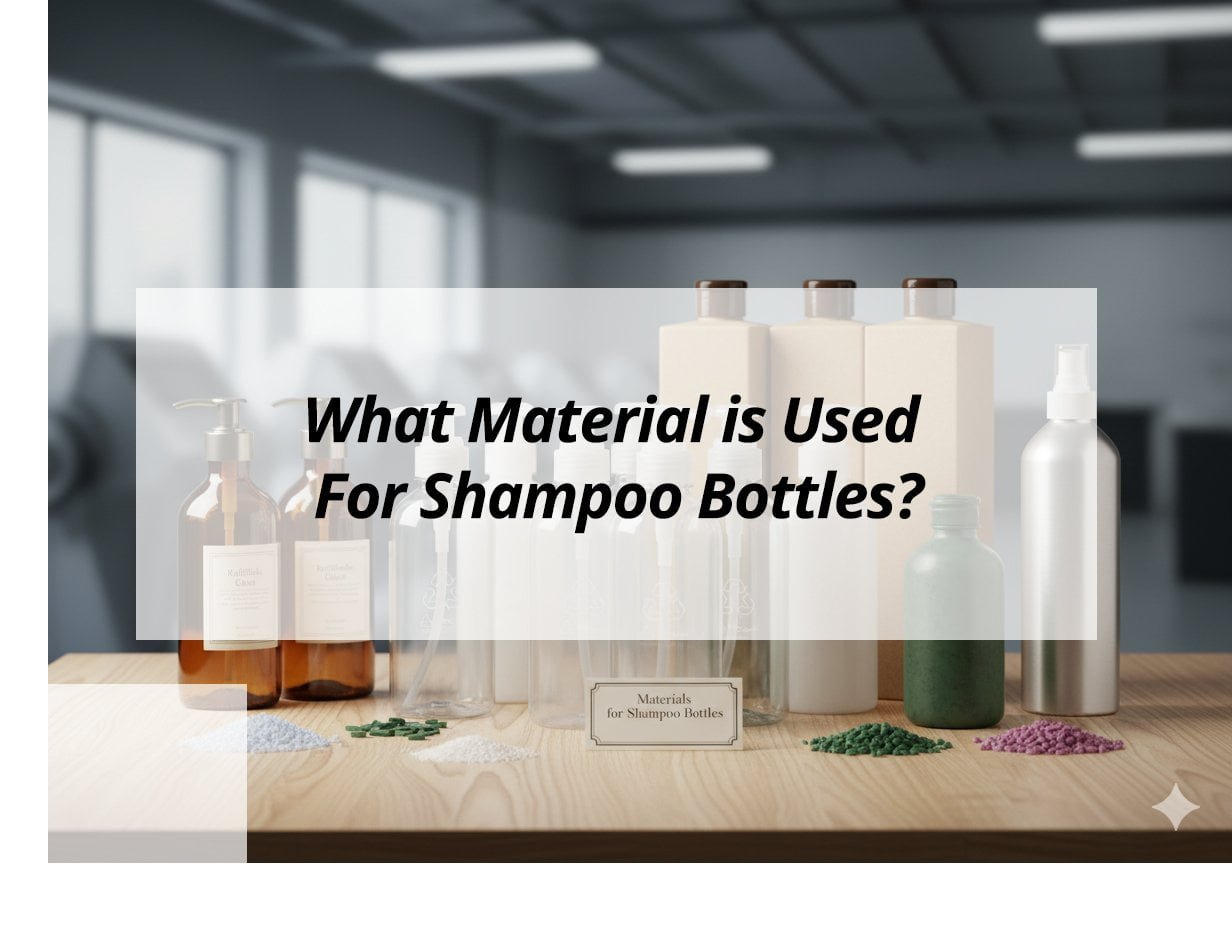
Many shampoo bottles use different plastics. This can make understanding them difficult. Knowing the materials helps with recycling. This article will explain common shampoo bottle materials.
Shampoo bottles are most often made from HDPE (High-Density Polyethylene). This plastic is known for its excellent strength and product compatibility. It securely protects the contents and is widely accepted in most recycling programs, making it a sustainable choice for packaging.
Understanding the materials used for packaging is important. It helps in making informed decisions about product safety and environmental impact. This guide provides clear information on the materials.
What material are shampoo bottles made of?
Do you know what materials make up your shampoo bottle? Identifying the material helps with proper disposal. It also shows how the product inside is protected. Let us look at the primary materials.
Shampoo bottles are typically made from HDPE, or High-Density Polyethylene. This material is robust. It resists impacts and maintains its shape. HDPE effectively shields the shampoo from external factors. It is also suitable for holding various liquid contents.
HDPE is a popular choice for shampoo bottles due to its properties. It is lightweight, which reduces shipping costs. Its production is also economical. Other plastics like PET (Polyethylene Terephthalate1) and PP (Polypropylene) are also used. PET offers clarity, often seen in transparent bottles. PP provides good heat resistance and durability, sometimes used for caps or specific bottle designs. However, HDPE remains the most common.
Why HDPE is a Preferred Material
HDPE offers several advantages for packaging. It is resistant to many chemicals. This prevents reactions between the bottle and the shampoo. Its durability also helps prevent leaks and breakage during transport and use.
- Chemical Resistance: HDPE does not react with most cosmetic chemicals. This keeps the shampoo safe and stable.
- Durability: Bottles made from HDPE are robust. This is beneficial for product integrity.
- Cost-Effectiveness: HDPE is economical to produce. This helps manage overall product costs.
- Recyclability: HDPE is broadly accepted in municipal recycling systems. This supports environmental sustainability goals.
Other Packaging Materials
Other plastics are sometimes used for shampoo bottles or their components. Each material has distinct characteristics.
| Material | Key Characteristics | Typical Application |
|---|---|---|
| PET | Transparent, strong, light | Clear bottles, premium lines |
| PP | Good heat resistance, strong, flexible | Bottle caps, some specific bottles |
| PVC | Strong, flexible; decreasing use due to environmental concerns | Older or specialized packaging |
These materials are selected based on the specific needs of the product and desired aesthetic. The choice balances protection, cost, and consumer appeal.
Why is HDPE used for shampoo bottles?
Why do manufacturers often select HDPE for shampoo bottles? There are specific functional reasons for this choice. This material provides significant advantages for product packaging.
HDPE is used for shampoo bottles because it offers excellent strength and product compatibility. It can safely contain various liquid formulations. It also provides a barrier against light and air, which helps maintain the shampoo's quality and shelf life.
HDPE is a highly adaptable plastic. It provides a balanced set of physical properties. It is neither too rigid nor too flexible. It can also withstand a range of temperatures, making it suitable for different manufacturing and storage conditions. This material's reliability is a key factor in its widespread use across the industry. Its characteristics support efficient production and dependable product delivery.
Primary Advantages of HDPE
Several factors contribute to HDPE's suitability for shampoo bottles.
- Product Protection: HDPE blocks UV radiation. This protects sensitive ingredients in the shampoo. It also limits oxygen exposure, which helps prevent oxidation and spoilage.
- Safety Profile: HDPE is considered safe for cosmetic packaging. It does not typically leach harmful substances into the product, ensuring consumer safety.
- Lightweight Nature: HDPE bottles are light. This reduces shipping weight and associated costs. It also contributes to a lower carbon footprint in transportation.
- Design Versatility: HDPE can be molded into various shapes and sizes. This allows for diverse bottle designs and branding opportunities.
HDPE's Role in Manufacturing
The properties of HDPE also contribute to efficient manufacturing processes.
- Manufacturing Efficiency: HDPE processes well in injection and blow molding. This facilitates high-volume production.
- Supply Chain Stability: HDPE is a widely available polymer. This ensures a consistent supply for packaging manufacturers.
- Economic Benefits: The lower material cost and efficient processing of HDPE contribute to competitive pricing for finished products.
These characteristics make HDPE a foundational material for the cosmetic packaging industry. Its performance and cost-effectiveness are critical.
Can shampoo bottles be recycled?
Is recycling shampoo bottles an effective practice? Understanding the recyclability of these containers is important for environmental efforts. Let us clarify the recycling process for shampoo bottles.
Yes, most shampoo bottles are recyclable. Bottles predominantly made from HDPE (High-Density Polyethylene) are broadly accepted in residential and commercial recycling programs. Proper recycling involves rinsing the bottle and following local recycling guidelines.
Recycling has become a significant environmental concern. Consumers and businesses increasingly seek sustainable packaging solutions. HDPE bottles typically bear the "2" recycling symbol, indicating their material type. This symbol signifies that the container is usually accepted in most recycling streams. Participation in recycling helps manage waste and conserve resources.
Guidelines for Proper Shampoo Bottle Recycling
Effective recycling follows specific steps.
- Rinse the Container: Always clean out any remaining shampoo. This prevents contamination of other recyclable materials.
- Identify the Material: Look for the recycling symbol, usually a number inside a triangle. HDPE is "2," and PET is "1." Both are commonly accepted.
- Consider the Cap: Bottle caps are often made from PP (symbol "5"), a different plastic. Some recycling programs request cap removal. Others allow them to be left on if attached. Check local instructions.
- Consult Local Programs: Recycling rules can vary by municipality. Always refer to local guidelines for specific acceptance criteria.
The Importance of Recycling Packaging
Recycling offers multiple environmental and economic benefits.
- Resource Conservation: Recycling plastic reduces the demand for virgin petroleum resources. This conserves finite natural assets.
- Waste Diversion: It decreases the volume of waste sent to landfills. This helps protect ecosystems from plastic pollution.
- Energy Efficiency: Manufacturing products from recycled materials often requires less energy than using raw materials.
| Benefit | Environmental Impact |
|---|---|
| Resource Conservation | Reduces reliance on new fossil fuels |
| Waste Reduction | Lowers landfill volumes and environmental litter |
| Energy Savings | Decreased energy consumption in production |
Recyclable packaging supports broader sustainability goals. It allows for the reuse of valuable materials.
Are shampoo bottles biodegradable?
Is it true that shampoo bottles naturally decompose over time? This is a common question regarding plastic packaging. Let us examine the biodegradability of shampoo bottles.
No, most shampoo bottles are not biodegradable. They are generally made from conventional plastics, such as HDPE, which degrade very slowly over many centuries. Biodegradable plastics are distinct materials that break down under specific environmental conditions, and they are not widely used for shampoo bottles.
Biodegradation refers to the breakdown of materials by living organisms, like bacteria or fungi, into natural substances. HDPE, the primary material for shampoo bottles, is designed for stability and durability. This stability is beneficial for product protection but means the bottle will not naturally disappear. Consequently, proper recycling is crucial for managing these materials.
Differentiating Biodegradability
Understanding the distinction between material types is important.
- Biodegradable Plastics: These are formulated to decompose into natural elements. This often requires specific conditions, such as those found in industrial composting facilities.
- Conventional Plastics (e.g., HDPE): These plastics fragment into progressively smaller pieces over extended periods. They do not fully biodegrade but persist in the environment as microplastics.
| Type of Plastic | Decomposition Mechanism | Typical Applications |
|---|---|---|
| Biodegradable | Biological breakdown by microbes | Compostable bags, some specialized packaging |
| Conventional (HDPE) | Physical fragmentation over time | Shampoo bottles, milk containers, many rigid plastics |
Innovations in Sustainable Packaging
Research and development are ongoing for more sustainable packaging solutions.
- Bioplastics: These materials are derived from renewable biomass sources. While promising, they often face challenges in cost and performance compared to conventional plastics for certain applications.
- Post-Consumer Recycled Content: Many brands are increasing the percentage of recycled plastic in their new bottles. This reduces the demand for virgin plastic and utilizes existing material resources.
While conventional shampoo bottles are not biodegradable, advancements in recycling and the integration of recycled materials represent significant steps towards more sustainable practices in the packaging industry.
My Insights: Exploring the Materials Used for Shampoo Bottles
Confused about shampoo bottle materials? Discover the sustainable and practical choices shaping your favorite products.
Shampoo bottles are primarily made from high-density polyethylene (HDPE), polyethylene terephthalate (PET), and polypropylene (PP). These materials offer durability, recyclability, and clarity, with growing interest in biodegradable and recycled options for eco-friendliness.
Understanding Shampoo Bottle Materials
Common Plastics Used:
- HDPE: Known for strength and chemical resistance, HDPE is widely used for opaque bottles and is highly recyclable.
- PET: Offers transparency and a glossy finish, making it ideal for showcasing products, while also being recyclable.
- PP: Durable and moisture-resistant, PP is commonly used for caps and closures, ensuring ease of use.
Eco-Focused Innovations:
- Recycled Plastics: Using recycled HDPE or PET reduces the demand for virgin materials.
- Biodegradable Options: Materials like molded wood pulp and sugarcane pulp provide compostable solutions.
Material Properties and Uses:
| Material | Properties | Common Uses |
|---|---|---|
| HDPE | Strong, impact-resistant, recyclable | Opaque bottles |
| PET | Clear, glossy, lightweight | Transparent bottles |
| PP | Durable, resistant to moisture | Caps, closures, pumps |
| Recycled | Environmentally friendly | Eco-friendly bottles |
| Biodegradable | Compostable, sustainable | Alternative packaging options |
By understanding the materials used for shampoo bottles, consumers and brands can make informed choices that align with sustainability goals and practical needs.
Conclusion
Shampoo bottles primarily use HDPE. This material offers strength, safety, and broad recyclability. Though not biodegradable, effective recycling is essential for environmental responsibility.
-
Learn how PET enhances product visibility and is recyclable, making it a popular choice. ↩