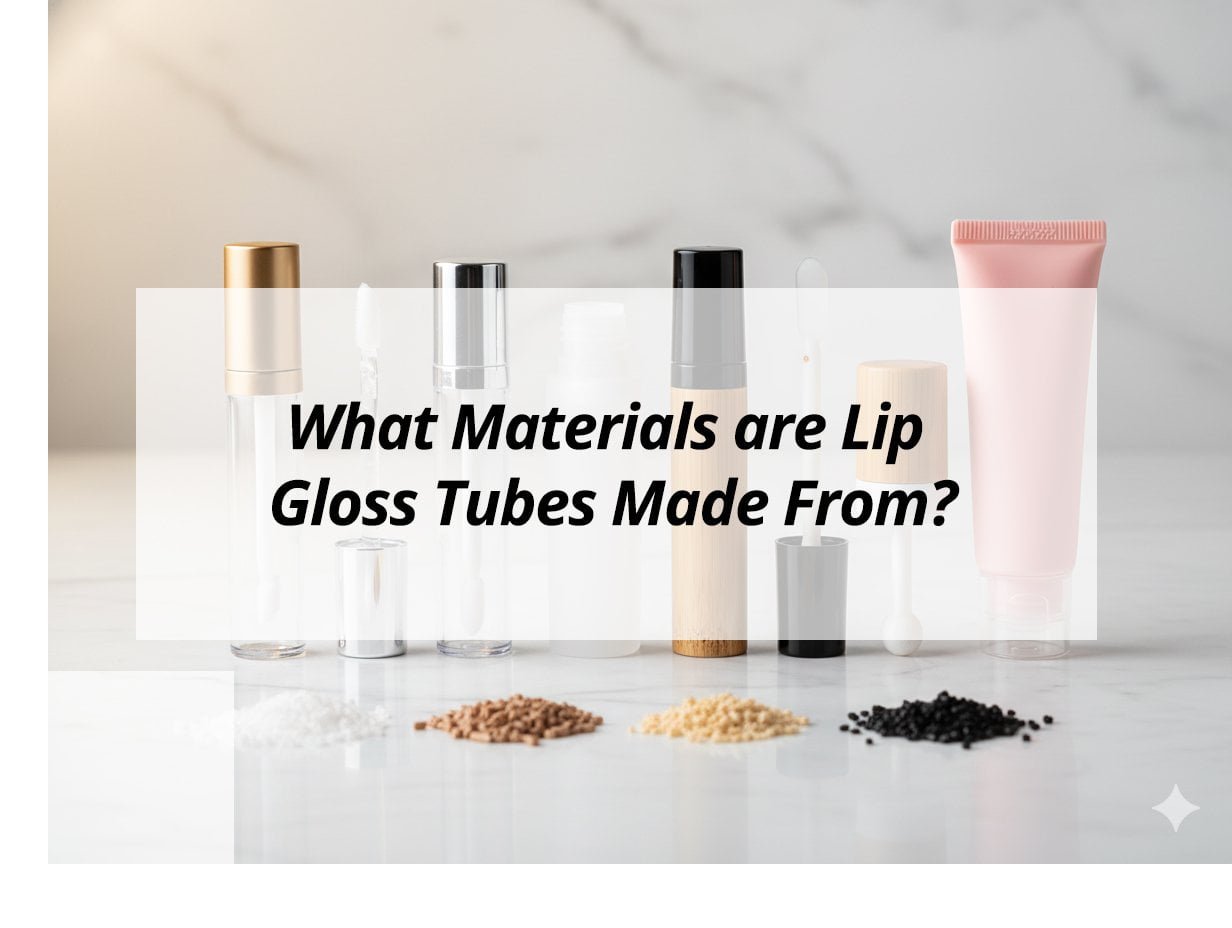
Lip gloss tubes are a staple in the cosmetics industry, yet their composition often goes overlooked. In today’s eco-conscious climate, understanding these materials is essential for sustainability and informed purchasing decisions.
Lip gloss tubes are crafted from durable plastics like polyethylene and polypropylene, ensuring lightweight and flexible packaging. These materials make production cost-effective, providing vendors a reliable option for lip gloss wholesale while catering to consumer preferences in packaging.
Let's delve deeper into the intricacies of lip gloss tube composition, recycling possibilities, and legal considerations for homemade lip gloss ventures.
What are lip gloss tubes made of?
When selecting lip gloss tubes, the materials used play a pivotal role in their functionality and appeal. What exactly constitutes these ubiquitous containers?
Lip gloss tubes are mainly manufactured from polyethylene (PE) and polypropylene (PP), offering durability and affordability. These plastics are chosen for their compatibility with cosmetics and ease of use for vendors in both retail and wholesale markets.
Material Choice and Its Impacts
Understanding the materials used in lip gloss tubes reveals much about their production, functionality, and disposal:
Key Material Characteristics
-
Polyethylene (PE):
- Features: Lightweight, moisture-resistant, economically viable for production.
- Benefits: Ideal for packaging needs that require flexibility and squeezability.
- Uses: Commonly found in items requiring easy dispensing like tubes.
-
Polypropylene (PP):
- Features: High resistance to chemicals and abrasion, providing robustness.
- Benefits: Ensures product stability and protects the cosmetic formula effectively.
- Uses: Often used for caps, dispenser components, and overall tube integrity.
Production Considerations
Choosing materials like PE and PP involves considering cost, functionality, and environmental impact. The cosmetic industry continues to innovate towards more sustainable packaging1, including biodegradable options2.
| Material | Features | Benefits | Common Uses |
|---|---|---|---|
| Polyethylene (PE) | Lightweight, moisture-resistant | Cost-effective | Tubes requiring squeezability |
| Polypropylene (PP) | Chemically resistant | Durable | Caps and dispensers |
Are lip gloss tubes recyclable?
With sustainability at the forefront of consumer and industry discussions, many wonder if lip gloss tubes can find a second life after use. Can these cosmetic containers be recycled effectively?
Most lip gloss tubes, made of PE and PP, are technically recyclable, provided they are cleaned, sorted, and processed properly. Brands can improve their ecological footprint by exploring wholesale options for recyclable packaging3 and promoting responsible consumer behavior.
Recycling Challenges and Solutions
Recycling lip gloss tubes involves overcoming numerous challenges related to handling, contamination, and consumer education:
Key Steps to Enhance Recycling
-
Cleaning: Removing residual gloss is critical as leftover product can impede recycling.
- Solution: Ensure tubes are empty and rinsed thoroughly before disposal to improve recyclability.
-
Component Separation: Different parts of the tube, such as caps and applicators, need correct sorting.
- Solution: Employ clear labeling to help both consumers and processing facilities identify recyclable components.
Vendor Considerations
Educating consumers about proper disposal methods and opting for recyclable packaging at the wholesale level can mitigate environmental impacts. Integrating sustainable practices from production through to post-consumer phases fosters brand loyalty and ecological responsibility.
What are the raw materials for lip gloss?
The allure of lip gloss lies in its formulation, but what goes into making this coveted cosmetic?
Lip gloss typically contains oils, waxes, and color pigments, forming a blend that is both aesthetically pleasing and functional. Key ingredients include castor oil, beeswax, and varied color additives, shaped to create the final product’s texture, consistency, and shade.
Formulating Lip Gloss
Lip gloss production merges creativity with chemical precision. Understanding its raw material breakdown is crucial for appreciating the complexities involved:
Essential Ingredients
-
Oils:
- Main Function: Provide the shine and smooth application characteristic of gloss.
- Examples: Castor oil, coconut oil, mineral oil.
-
Waxes:
- Main Function: Offer structure, consistency, and stability for product integrity.
- Examples: Beeswax, carnauba wax, microcrystalline wax.
-
Color Pigments:
- Main Function: Add desired shades and vibrancy, adapting to market trends and consumer preferences.
- Examples: Mica, iron oxides, cosmetic-grade dyes.
Vendor Insights
Selecting high-quality raw materials is crucial for producing a product that appeals to consumers while meeting rigorous quality standards. Vendors must weigh cost implications and quality outputs to satisfy market demands and maintain competitive margins.
Is it illegal to sell homemade lip gloss?
Aspiring entrepreneurs eyeing the beauty market with homemade lip gloss must wonder about legal viability. Is venturing into this sector legally permissible?
Selling homemade lip gloss is generally legal, though it requires adherence to cosmetic regulations. Industry entrants must comply with labeling standards, safety testing, and quality control to ensure consumer safety and product legitimacy.
Navigating Legal and Business Regulations
Entrepreneurs navigating the beauty market must fully understand the legal framework governing the sale of cosmetics, including homemade options:
Key Compliance Areas
-
Safety Standards:
- Requirements: Products must be free from harmful substances and undergo compliance testing.
- Implementation: Regular and thorough testing protocols should be in place to ensure safety.
-
Labeling and Packaging:
- Requirements: Complete ingredient disclosure and warnings about potential allergens must be present.
- Implementation: Follow industry guidelines and best practices for transparent consumer communication.
Business Strategies
Legal compliance requires preparation and insight into the market's regulatory landscape. Engaging industry experts and streamlining distribution through wholesale channels can facilitate a successful entry into the competitive cosmetics market.
Conclusion
Understanding the materials, production intricacies, and legal regulations surrounding lip gloss tubes empowers consumers and vendors to make informed choices. Sustainability and compliance pave the way for a responsible and thriving beauty industry.
My insights: Understanding the Materials Used in Lip Gloss Tubes
Confused about what makes lip gloss tubes sustainable or premium? Discover the diverse materials used to craft these everyday beauty essentials.
Lip gloss tubes are primarily made from plastics like PET and PP, with acrylic and glass for premium options. Increasingly, recyclable and biodegradable materials are being used, driven by environmental concerns.
Analyzing the Materials in Lip Gloss Tubes
Common Plastic Materials:
-
PET / PETG:
- Characteristics: Clear, rigid, showcases color.
- Usage: Popular for wand-style tubes due to impact resistance.
-
Polyethylene (PE):
- Attributes: Soft and flexible.
- Application: Ideal for squeeze tubes with thicker glosses.
-
Polypropylene (PP):
- Qualities: Chemical resistance, recyclability.
- Usage: Common in caps and internal parts.
Other Plastics and Decorative Resins:
-
Acrylic:
- Benefits: High-gloss, glass-like appearance.
- Drawbacks: Rigid, may crack upon impact.
-
ABS and PVC:
- Uses: Decorative caps or glassy tubes.
- Considerations: Less sustainable in focused lines.
Glass, Metal, and Sustainable Options:
-
Glass:
- Usage: Premium, recyclable packaging.
- Paired With: Plastic or metal caps.
-
Aluminum:
- Features: Opaque tubes offering UV protection.
-
Sustainable Materials:
- PCR Plastics4: Reduce virgin plastic content.
- Bio-plastics: Emerging eco-friendly alternatives.
Quick Reference Table:
| Material Type | Features and Benefits |
|---|---|
| PET / PETG | Clear, impact-resistant, showcases color |
| PE | Flexible, soft, ideal for squeeze tubes |
| PP | Chemical resistance, used in caps, internal parts |
| Acrylic | High-gloss, prestige look, glass-like |
| Glass | Premium feel, fully recyclable |
Understanding these materials helps consumers make informed choices that align with both luxury preferences and environmental values.
Conclusion
Understanding the materials and regulations surrounding lip gloss tubes and products empowers better consumer choices and informed business decisions. Sustainability and compliance pave the way for a healthier beauty industry.
-
Discover innovative sustainable packaging solutions that benefit the environment. ↩
-
Find out how biodegradable materials are revolutionizing cosmetic packaging. ↩
-
Understand strategies brands can adopt to enhance their recyclable packaging. ↩
-
Discover how PCR plastics contribute to sustainable packaging solutions. ↩