
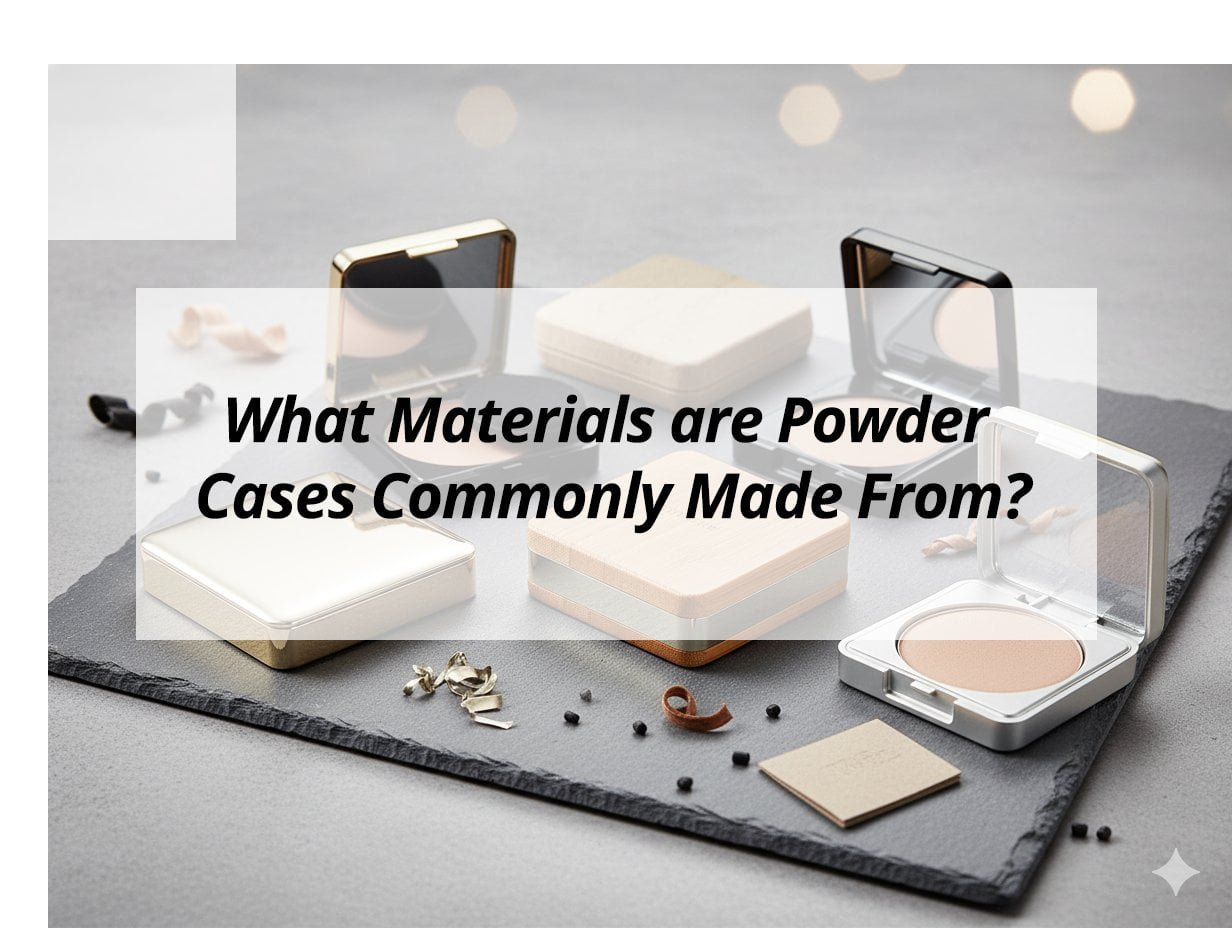
In the world of cosmetics, powder cases aren't just containers; they're essential for protecting and enhancing products. They combine function and aesthetic appeal.
Powder cases commonly use materials such as plastic, metal, or glass. Each provides distinct advantages in durability, design, and cost-effectiveness. Selecting the appropriate material enhances product protection and maximizes consumer satisfaction, ensuring that the cosmetic packaging meets industry standards and consumer preferences effectively.
Understanding these materials helps brands cater to consumer preferences, align with trends, and gain a competitive edge.
What material is used to powder coat?
Powder coating is a dynamic process that adds both beauty and resilience to various products, offering protection and enhanced aesthetics.
Common materials used for powder coating include metals like aluminum and steel. These metals provide excellent adhesion, resulting in a smooth, durable finish. They’re ideal for decorative and long-lasting protective applications.
Choosing the right material for powder coating1 ensures optimal effectiveness in terms of protection, appearance, and longevity.
The Mechanics of Powder Coating
The powder coating process is intricate, combining technology and craftsmanship to deliver superior finishes that meet diverse needs.
Process Details
-
Preparation:
- Thorough cleaning removes any contaminants that could affect adhesion.
-
Application:
- Electrostatic spray guns evenly apply powder to the surface, ensuring uniform coverage.
-
Curing:
- Heating the material causes the powder to melt into a uniform and solid finish.
Key Materials and Benefits
-
Aluminum:
- Usage: Lightweight items prone to corrosion.
- Benefits: Resistant to rust, ideal for sensitive products.
-
Steel:
- Usage: Heavy-duty applications requiring strength.
- Benefits: Provides a robust and enduring finish.
-
Durable Finish: Resistant to common wear like fading, scratching, and chipping.
-
Ecological: Lacks harmful solvents, making it an environmentally friendly choice.
Understanding the detailed process and benefits of powder coating can aid businesses in making informed decisions that enhance both quality and sustainability.
What are the 6 types of powder coatings for metal?
There are various types of powder coatings available, each designed to meet specific requirements. This diversity allows companies to select the perfect finish for their products.
The six main types of powder coatings for metal include epoxy, polyester, epoxy-polyester hybrid, polyurethane, acrylic, and fluoropolymer. Each has distinct properties suitable for particular applications, ensuring optimal protection and visual appeal.
Selecting the right coating type is crucial for ensuring the durability and attractiveness of metal products.
Understanding Powder Coating Types
Diverse powder coatings allow for tailored solutions, accommodating various industrial and consumer needs.
Exploring the Types
-
Epoxy:
- Properties: Strong adhesion and chemical resistance.
- Applications: Best for indoor use where UV exposure is minimal.
-
Polyester:
- Properties: Excellent UV resistance.
- Applications: Ideal for outdoor applications, including automotive finishes.
-
Epoxy-Polyester Hybrid:
- Properties: Combines strengths of epoxy and polyester.
- Applications: Used in industries where both adhesion and flexibility are needed.
-
Polyurethane:
- Properties: Offers a glossy finish with resilience.
- Applications: Suited for products needing aesthetic appeal and durability.
-
Acrylic:
- Properties: Provides a clear, scratch-resistant finish.
- Applications: Used for decorative finishes requiring clarity and aesthetics.
-
Fluoropolymer:
- Properties: High-performance weather resistance.
- Applications: Utilized in architectural finishes for superior longevity.
| Type | Key Features | Common Uses |
|---|---|---|
| Epoxy | Hard, chemically resistant | Indoor applications |
| Polyester | UV stable | Outdoor use |
| Hybrid | Adhesion and flexibility | Industrial settings |
| Polyurethane | Glossy and durable | High-appeal items |
| Acrylic | Clear and tough | Decorative components |
| Fluoropolymer | Exceptional weathering | Architectural components |
What material is powdered metal?
Powdered metal offers an innovative means to produce components with high precision and efficiency, playing a pivotal role in modern manufacturing.
Powdered metal is made by reducing metal to a powder form, used predominantly in processes like sintering and compaction. This form provides precision and strength, key in industries like automotive and aerospace.
This manufacturing technique allows for efficient and precise production, supporting a wide range of applications.
The Journey of Powdered Metal
Producing powdered metal involves advanced methods to transform raw metals into fine powder. This transformation is integral to high-quality manufacturing.
Production Techniques
-
Atomization:
- Method: Spray molten metal into small droplets.
- Result: Solidifies into powder upon cooling, suitable for various applications.
-
Reduction:
- Method: Chemically reducing metal oxides.
- Result: Produces pure metal powders.
-
Electrolysis:
- Method: Uses electrochemical reactions.
- Result: Yields highly pure metal powders with excellent properties.
Benefits and Uses
- Precision: Enables production of complex shapes with little waste.
- Strength: Components exhibit remarkable durability and performance.
Applications:
- Automotive: Ideal for gears and structural components.
- Aerospace: Used in precision parts requiring excellent mechanical properties.
- Consumer Electronics: Employed in intricate, high-tolerance applications.
How is powder coat made?
The process of creating powder coat involves meticulous steps to ensure a high-quality, durable, and attractive finish for diverse applications.
Powder coat is made by mixing pigments and resins, melting, and then grinding into a fine powder. This process ensures a consistent, durable coating suitable for various industries.
The creation process requires careful attention to detail to ensure the final product meets high standards for durability and aesthetics.
Creating Powder Coatings
Manufacturing powder coatings involves a blend of precision engineering and innovative science, producing a uniform and effective product.
Detailed Manufacturing Steps
-
Blending:
- Process: Combine specific pigments and resins.
- Purpose: Ensure a uniform mixture for consistent quality.
-
Extrusion:
- Process: Melt the mixture to create a homogenous product.
- Purpose: Provides the initial form of the coating.
-
Cooling and Grinding:
- Process: Cool the extruded material, then grind it into powder.
- Purpose: Transform the material into a fine, usable powder.
-
Screening:
- Process: Separate particles by size.
- Purpose: Achieves uniformity for even application.
Benefits and Applications
- Consistency: Produces a smooth, even finish without blemishes.
- Versatility: Available in diverse colors and textures, catering to various preferences.
Industry Applications:
- Automotive: Provides robust protective finishes.
- Architecture: Offers aesthetic durability for outdoor structures.
My insights: Common Materials Used in Powder Cases
Curious about the materials in your powder case? Explore the options that balance functionality, aesthetics, and sustainability.
Powder cases are predominantly made from plastics like polypropylene and ABS for lightweight and vibrant designs, metals like aluminum for sturdiness, and eco-friendly materials like bamboo and paperboard for sustainability.
Analyzing Materials in Powder Case Design
Plastic:
- Polypropylene (PP) & ABS: Popular for their lightweight, durable nature and ability to be molded into custom shapes. Vibrant colors and finishes make them suitable for everyday branding.
Metal:
- Aluminum & Tinplate: Offer a premium, sturdy feel, enhancing luxury appeal but are heavier than plastic.
Sustainable Options:
- Bamboo & Paperboard: Eco-friendly, biodegradable choices catering to modern sustainability trends. Often reinforced for durability.
- Glass Inserts: Provide transparency and chemical resistance, but are fragile.
Hybrid & Innovative Designs:
- Hybrid cases may involve plastic bases with metal lids to balance durability and weight.
- Innovations focus on combining materials for improved aesthetic appeal and environmental benefits.
| Aspect | Material Benefits |
|---|---|
| Plastic | Lightweight, customizable, vibrant |
| Metal | Premium, sturdy, luxurious |
| Sustainable | Bamboo and paperboard align with eco-friendly trends |
| Hybrid Designs | Balance of durability and aesthetics |
By understanding these materials, consumers can choose powder cases that fit their personal and environmental priorities.
Conclusion
Powder cases and coatings involve a complex interplay of materials and processes, ensuring quality and performance across various applications.
-
Explore the fundamentals of powder coating to understand its benefits and applications in various industries. ↩