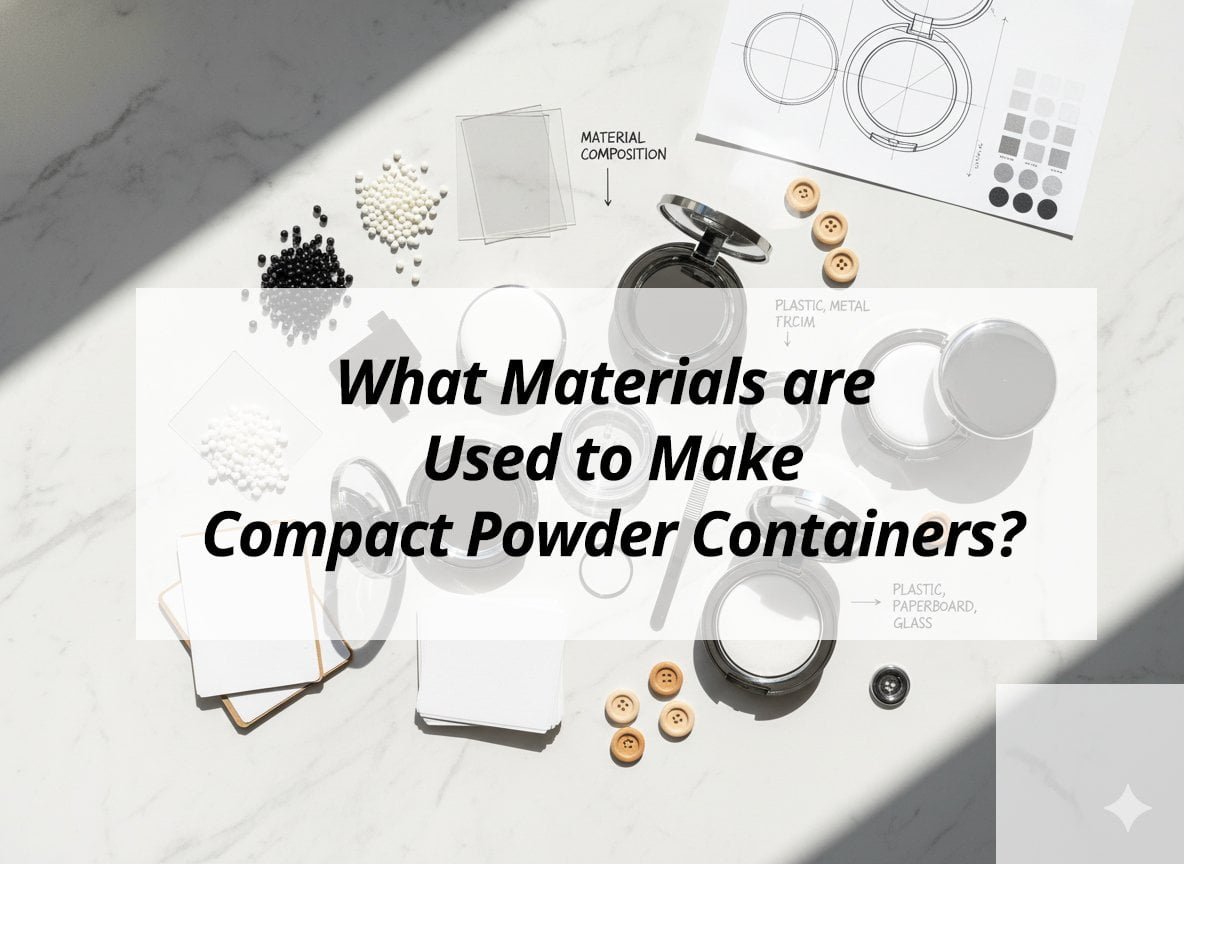
Unlock the secrets behind compact powder containers. Discover the diverse materials that enhance functionality and style in cosmetic packaging.
Compact powder containers are typically made from plastic, metal, and glass. Each material offers distinct benefits like durability, aesthetic appeal, and cost-effectiveness. Understanding these materials helps in selecting the right packaging that aligns with both product needs and brand identity.
Discover how these materials shape the look and feel of your favorite cosmetic packaging. Choosing the right material can impact not only the product’s appeal but also its practicality and environmental footprint.
What types of containers are used for storage of dusting powders?
From everyday essentials to luxurious items, dusting powder containers come in all shapes and sizes for efficient storage.
Dusting powders are typically stored in containers made of robust materials like plastic, metal, and glass. Each type provides unique advantages such as airtight seals, portability, and appealing aesthetics, ensuring product longevity and user satisfaction.
The variety of containers available for storing dusting powders:
Common Container Types
Dusting powders require specific storage solutions. Let's explore these options:
-
Plastic Containers1: Lightweight and often economical, providing convenience and easy handling.
-
Metal Containers2: Known for durability and a sleek look, adding a touch of sophistication.
-
Glass Containers3: Offers a premium feel and excellent product visibility but can be fragile.
Container Options Comparison
| Container Type | Advantages | Considerations |
|---|---|---|
| Plastic | Lightweight, cost-effective | Less environmentally friendly |
| Metal | Durable, stylish | Heavier |
| Glass | Premium look, visible content | Fragility concerns |
Choosing the right container type for dusting powders depends on balancing practicality, style, and environmental impact.
Understanding Storage Needs
Dusting powders require specific conditions to maintain their texture and fragrance. Containers must protect the powder from moisture, contamination, and pressure. This ensures product quality is preserved over time, satisfying consumer needs for reliable use and easy application.
What material is used to make a container?
Dive into the details of container manufacturing—how materials shape design and functionality.
Containers can be crafted from various materials like plastic, metal, glass, and others. Understanding the characteristics of each can guide decisions in packaging design to meet specific needs for durability, aesthetics, and sustainability.
The material choices for creating containers:
Material Choices for Containers
Several materials find their way into container design; here’s a closer look:
-
Plastic: Available in various forms like polypropylene or acrylic, known for being versatile and cost-effective.
-
Metal: Often used for durability and a high-end feel, with options like aluminum and steel.
-
Glass: Preferred for premium products due to its clarity and inertia, though heavier.
Material Characteristics Table
| Material Type | Durability | Appearance | Environmental Impact |
|---|---|---|---|
| Plastic | Versatile, lightweight | Economical, varied finishes | High due to lifespan |
| Metal | Very durable | Sleek, elegant | Medium, recyclable |
| Glass | Durable but fragile | Transparent, premium | Low, recyclable |
Containers are designed not only to hold and protect contents but also to appeal visually and ensure functionality. Selecting materials involves considering factors like cost, recyclability, and brand identity.
Material Influence on Container Design
The choice of material significantly influences container design and performance. For instance, plastic allows for flexibility in shapes and sizes, metal offers strength for heavy-duty use, and glass provides elegance and transparency. Each choice reflects strategic brand considerations tailored to market demands.
What are makeup packaging made of?
Discover how materials enhance makeup packaging, blending style and functionality seamlessly.
Makeup packaging4 uses a variety of materials, such as plastics, metals, and glass. Each material provides specific advantages, influencing cost, durability, aesthetic appeal, and sustainability, allowing brands to reflect their identity and values.
The materials used in makeup packaging:
Popular Materials in Makeup Packaging
Delve into material choices that define makeup packaging:
Plastic
- Advantages: Lightweight, cost-effective, versatile in design.
- Common Uses: Lipstick tubes, foundation bottles, compacts.
Metal
- Advantages: Durable, provides a high-end look.
- Common Uses: Mascara tubes, luxury packaging.
Glass
- Advantages: Premium appearance, impermeable.
- Common Uses: Perfume bottles, upscale makeup containers.
Material Use Overview
| Makeup Packaging | Material Type | Benefits |
|---|---|---|
| Lipstick Tubes | Plastic, metal | Lightweight, durable |
| Perfume Bottles | Glass | Premium, transparent |
| Mascara Tubes | Metal, plastic | Elegant, functional |
Brands use material choices strategically to balance cost with quality, impacting the user experience and product lifespan.
Influencing Brand Perception
Materials influence how consumers perceive brands. Luxury materials like glass and metal enhance brand prestige, while plastics offer versatility and affordability. Aligning packaging materials with brand values and target audience needs is crucial for product success in competitive markets.
What materials are used to make plastic containers?
Plastic containers come in many forms—each tailored to specific needs for cosmetics.
Plastic containers are crafted from various polymers like polypropylene, acrylic, and PET. These materials offer flexibility, resilience, and a broad range of aesthetic possibilities, making them a staple in cosmetic packaging.
The plastic material choices:
Types of Plastics for Containers
Different plastic types drive container design in cosmetics:
Polypropylene (PP)
- Benefits: Heat resistant, tough.
- Applications: Lotion bottles, cream jars.
Acrylic
- Benefits: Clear, shatter-resistant.
- Applications: High-end packaging.
PET
- Benefits: Strong, recyclable.
- Applications: Shampoo bottles, skincare containers.
Plastic Material Characteristics Table
| Plastic Type | Durability | Appearance | Environmental Impact |
|---|---|---|---|
| Polypropylene | Heat resistant, durable | Economical, opaque | Moderate, recyclable |
| Acrylic | Shatter-resistant | Clear, premium feel | High, not always recycled |
| PET | Strong | Transparent | Low, easily recyclable |
Choosing the right type of plastic impacts the container's functionality, look, and sustainability.
Importance in Cosmetic Packaging5
Plastics offer versatility unmatched by other materials, enabling complex designs and cost-effective solutions. They adapt to various aesthetics, enhancing brand identity while ensuring product protection. Selecting the right plastic type is pivotal in fulfilling cosmetic packaging requirements, balancing innovative design with practicality and environmental considerations.
My insights: The Materials are Used to Make Compact Powder Containers
Choosing the right compact powder container can elevate your brand's appeal. Discover the materials that offer both style and sustainability.
Compact powder containers are made from plastic, metal, glass, bamboo, and paperboard. Each material offers distinct benefits—plastic for durability, metal for luxury, bamboo for eco-friendliness, glass for elegance, and paperboard for sustainability.
Exploring Material Choices for Compact Powder Containers
Plastic Materials:
- Types: Polypropylene (PP), ABS, PETG
- Benefits: Lightweight, durable, cost-effective, shatterproof
Metal Materials:
- Types: Aluminum, tinplate, stainless steel
- Benefits: Premium feel, durability, light-blocking properties
Sustainable Options:
- Bamboo and Wood: Eco-friendly, biodegradable
- Paperboard and Cardboard: Support reduced environmental impact
Glass:
- Types: Borosilicate, soda-lime
- Benefits: Transparency, chemical resistance, elegance
Hybrid Designs:
- Examples: Plastic with metal lids, cardboard with plastic trays
- Purpose: Balance aesthetics, function, and sustainability
| Material | Benefits | Use Case |
|---|---|---|
| Plastic | Lightweight, durable, shatterproof | Everyday use, travel-friendly |
| Metal | Premium feel, durable, light-blocking | High-end branding |
| Glass | Elegant, transparent, chemical-resistant | Luxury products |
| Bamboo/Wood | Eco-friendly, biodegradable | Sustainable packaging |
| Paperboard | Biodegradable, lightweight | Environmentally conscious choices |
Choosing the right material for compact powder containers enhances product appeal and aligns with brand values, balancing durability and sustainability.
Choosing the right compact powder container can elevate your brand's appeal. Discover the materials that offer both style and sustainability.
Compact powder containers are made from plastic, metal, glass, bamboo, and paperboard. Each material offers distinct benefits—plastic for durability, metal for luxury, bamboo for eco-friendliness, glass for elegance, and paperboard for sustainability.
Exploring Material Choices for Compact Powder Containers
Plastic Materials:
- Types: Polypropylene (PP), ABS, PETG
- Benefits: Lightweight, durable, cost-effective, shatterproof
Metal Materials:
- Types: Aluminum, tinplate, stainless steel
- Benefits: Premium feel, durability, light-blocking properties
Sustainable Options:
- Bamboo and Wood: Eco-friendly, biodegradable
- Paperboard and Cardboard: Support reduced environmental impact
Glass:
- Types: Borosilicate, soda-lime
- Benefits: Transparency, chemical resistance, elegance
Hybrid Designs:
- Examples: Plastic with metal lids, cardboard with plastic trays
- Purpose: Balance aesthetics, function, and sustainability
| Material | Benefits | Use Case |
|---|---|---|
| Plastic | Lightweight, durable, shatterproof | Everyday use, travel-friendly |
| Metal | Premium feel, durable, light-blocking | High-end branding |
| Glass | Elegant, transparent, chemical-resistant | Luxury products |
| Bamboo/Wood | Eco-friendly, biodegradable | Sustainable packaging |
| Paperboard | Biodegradable, lightweight | Environmentally conscious choices |
Choosing the right material for compact powder containers6 enhances product appeal and aligns with brand values, balancing durability and sustainability.
Conclusion
Selecting materials for compact powder containers requires balancing durability, aesthetics, and sustainability. Choose wisely for packaging that meets all your needs and reflects your brand effectively.
-
Learn about the advantages of using plastic containers for efficient and economical storage solutions. ↩
-
Discover why metal containers are favored for their durability and stylish appearance. ↩
-
Find out how glass containers provide premium aesthetics and product visibility. ↩
-
Delve into the materials that define makeup packaging and their impact on product appeal. ↩
-
Explore the latest trends in cosmetic packaging and how they affect consumer choices. ↩
-
Explore this link to understand how different materials can enhance your product's appeal and sustainability. ↩