Are concerns about plastic safety affecting your cosmetic packaging choices? Selecting the correct plastic is very important for product integrity and brand reputation. This article will detail which plastics are considered safe for cosmetic use.
This guide will clarify plastic material options. Understanding plastic safety helps in choosing optimal containers for cosmetic products. This knowledge protects both the product and the consumer. The focus is on reliable and safe packaging solutions.
The importance of secure packaging in the cosmetic industry is paramount. Experience in cosmetic packaging consistently highlights this. This information assists brands in identifying packaging materials that are safe and meet industry standards. This ensures product security. Let's examine safe plastics for cosmetic packaging.
What type of plastic is not toxic?
Is there uncertainty regarding non-toxic plastics for cosmetic products? The selection of safe materials is critical for consumer well-being. This section will identify plastic types generally considered non-toxic and suitable for cosmetics.
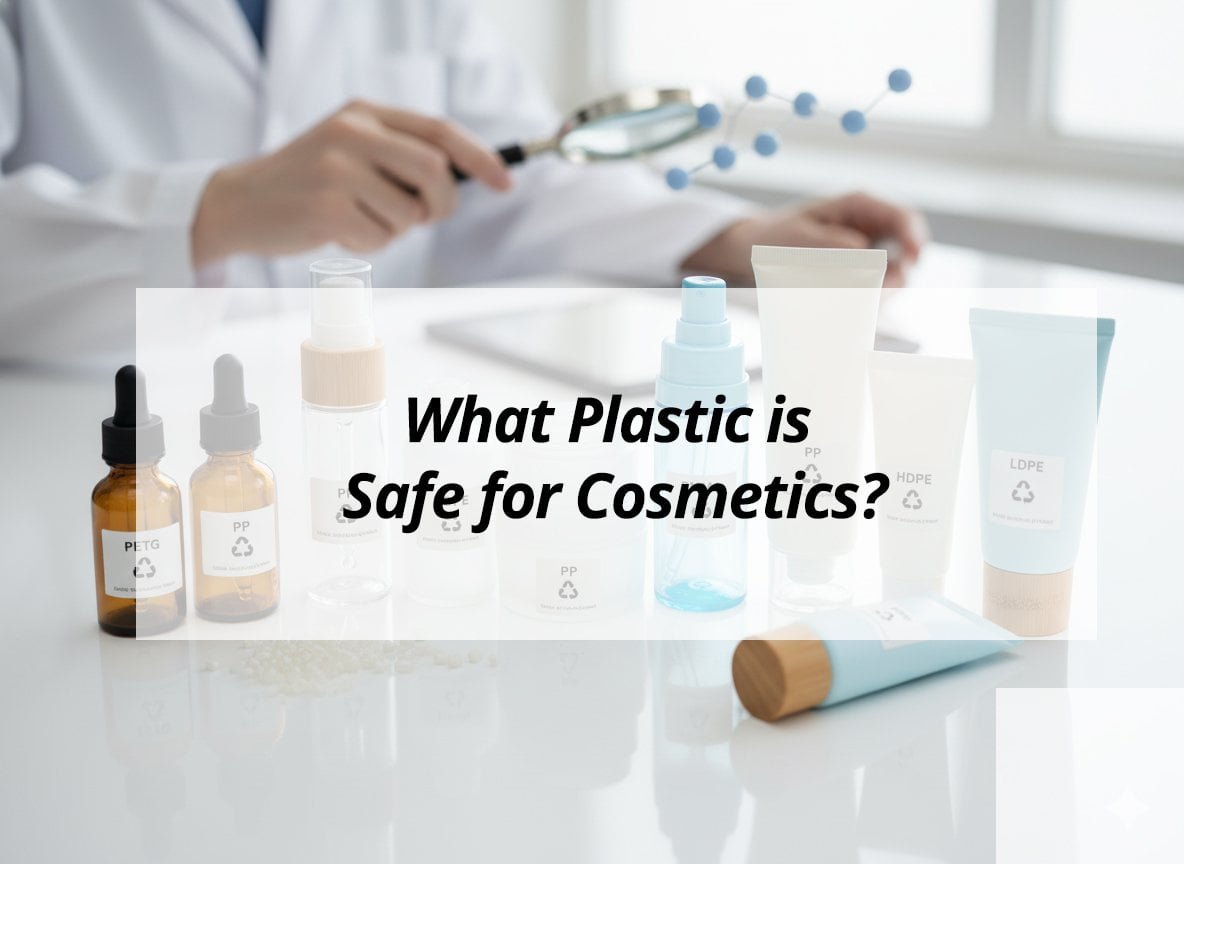
Plastics generally regarded as non-toxic for cosmetic applications include PET (Polyethylene Terephthalate), HDPE (High-Density Polyethylene), LDPE (Low-Density Polyethylene), and PP (Polypropylene). These plastics exhibit stability and do not typically leach harmful chemicals into products under normal conditions.
The choice of non-toxic plastic is a primary consideration for cosmetic brands. Industry experience indicates that material safety fosters consumer trust. Assistance is provided to clients in selecting plastics that adhere to stringent safety guidelines. Here is an overview of non-toxic plastic types:
Understanding Non-Toxic Plastics
- PET (Polyethylene Terephthalate): This plastic is widely utilized. It is clear and exhibits good strength. It is commonly found in bottles for lotions, toners, and serums. PET demonstrates inertness with most cosmetic ingredients. It also offers resistance to gas and moisture permeation.
- HDPE (High-Density Polyethylene): HDPE is an opaque and durable plastic. It frequently serves as packaging for shampoos, body washes, and certain creams. It possesses high stability and good chemical resistance. HDPE is less flexible compared to some other plastics.
- LDPE (Low-Density Polyethylene): LDPE offers greater flexibility than HDPE. It is employed in squeeze tubes and some softer bottles. It also features chemical resistance and is safe for numerous cosmetic formulations.
- PP (Polypropylene): PP is a versatile plastic. It is used for jars, caps, and some bottle components. It demonstrates good heat and chemical resistance. PP is also highly durable.
Rationale for Plastic Safety
- Stability: These plastics exhibit high stability. This means they resist degradation effectively. They do not release harmful substances into the cosmetic product over time.
- Inertness: They are largely inert. This implies they do not chemically react with the ingredients within the cosmetic. This property helps to preserve product integrity and safety.
- Regulatory Acceptance: These plastics have received broad acceptance from regulatory bodies globally. This includes agencies such as the FDA in the United States and equivalent international organizations. This acceptance is based on extensive safety assessments.
Key Safety Characteristics
| Plastic Type | Common Uses | Key Safety Features |
|---|---|---|
| PET | Lotions, serums, toners | Chemically inert, excellent barrier properties, widely approved. |
| HDPE | Shampoos, body washes, thicker lotions | High chemical resistance, durable, stable. |
| LDPE | Squeeze tubes, soft bottles | Flexible, good chemical resistance, stable. |
| PP | Jars, caps, some bottles | Heat resistant, chemically inert, durable. |
A past project involved a brand seeking clarification on plastic choices. Their initial material was less common. A recommendation was made to transition to PET for their lotion bottles. This change enhanced the product's safety profile and boosted consumer confidence. It illustrated the direct benefits of utilizing recognized safe plastics.
Methods for Ensuring Safety
- Supplier Certification: Always request certification from plastic suppliers. This confirms material compliance with safety standards.
- Compatibility Testing: Conduct thorough compatibility tests. This verifies that the cosmetic formulation does not react negatively with the chosen plastic.
- Quality Control: Implement rigorous quality control measures. This ensures consistent safety across all batches of packaging.
Material safety is a top priority. Only plastics proven safe and meeting international standards are utilized. This ensures cosmetic packaging effectively protects both the product and consumers.
Is number 2, 4, or 5 plastic safest?
When examining recycling codes, which numbers denote the safest plastics for cosmetic use? Identifying codes corresponding to safe materials is important. This section will clarify whether number 2, 4, or 5 plastics are considered safest for cosmetic applications.
Plastics designated by numbers 2 (HDPE), 4 (LDPE), and 5 (PP) are all considered safe for cosmetic packaging. These materials are stable, chemically resistant, and typically do not leach harmful substances into products. They are widely employed and approved by regulatory bodies for diverse cosmetic uses.
Understanding these recycling codes facilitates informed decisions regarding cosmetic packaging. These codes are often explained to clients. This assists them in selecting materials that are both safe and broadly accepted. Here is a detailed look at these plastic types and their safety:
Understanding Recycling Codes
- Number 1 (PET): As previously discussed, PET is considered very safe. It is frequently used for transparent bottles.
- Number 2 (HDPE - High-Density Polyethylene): HDPE is a prevalent plastic. It is opaque and robust. It is commonly found in many shampoo and body wash bottles. It is safe for cosmetics.
- Number 3 (PVC - Polyvinyl Chloride): PVC is generally not recommended for cosmetics. It can leach plasticizers, which are associated with health concerns.
- Number 4 (LDPE - Low-Density Polyethylene): LDPE offers flexibility. It is utilized for squeeze tubes and flexible bottles. It is also safe for cosmetic products.
- Number 5 (PP - Polypropylene): PP is a versatile material. It is present in jars, caps, and certain bottles. It is safe and exhibits good heat resistance.
- Number 6 (PS - Polystyrene): PS is often avoided. It can leach styrene monomer, which is a potential concern.
- Number 7 (Other): This category encompasses a variety of other plastics. Some within this group may not be suitable for cosmetics. This category necessitates careful evaluation.
Why Codes 2, 4, and 5 are Safest for Cosmetics
- Minimal Leaching Potential: HDPE, LDPE, and PP are recognized for their low propensity to leach chemicals. This holds true under normal usage and storage conditions. This characteristic makes them safe for prolonged contact with cosmetic formulations.
- Chemical Resistance: These plastics demonstrate resistance to many chemicals commonly found in cosmetics. This includes oils, alcohols, and acids. This resistance helps preserve product quality and prevents container degradation.
- Durability and Stability: They are robust materials. They endure typical handling and variations in temperature. This stability ensures the integrity of the packaging over time.
Practical Applications in Cosmetics
| Recycling Code | Plastic Type | Typical Cosmetic Applications | Safety Rationale |
|---|---|---|---|
| 2 | HDPE (High-Density Polyethylene) | Shampoo, conditioner, body wash, thicker lotions. | High chemical resistance, durable, low leaching potential. |
| 4 | LDPE (Low-Density Polyethylene) | Squeeze tubes for creams, foundations, sunscreens. | Flexible, good chemical resistance, stable. |
| 5 | PP (Polypropylene) | Cream jars, caps, lipstick tubes, compacts. | Heat resistant, good chemical barrier properties, highly stable. |
A past collaboration involved a brand developing a new line of sensitive skin creams. Initial consideration was given to a plastic from the "Other" category. It was demonstrated that HDPE and PP were safer, proven alternatives. The brand then selected a PP jar and an HDPE cap. This enhanced the product's security for users with sensitive skin.
Steps for Right Plastic Selection
- Product Compatibility: Always ensure the plastic is compatible with the cosmetic formula. Some ingredients may react differently even with generally safe plastics.
- Regulatory Adherence: Verify that the chosen plastic complies with all relevant cosmetic regulations, both local and international.
- Reputable Suppliers: Collaborate with suppliers who can provide comprehensive specifications and safety data for their plastic materials.
A diverse range of cosmetic packaging in HDPE, LDPE, and PP is available. These materials consistently meet high safety standards. This supports clients in delivering safe and high-quality cosmetic products.
What plastics should I avoid?
Understanding which plastics to avoid is as crucial as knowing which are safe. Certain plastics can pose risks to cosmetic products and consumers. This section will outline which plastics should be avoided for cosmetic packaging.
Plastics such as PVC (Polyvinyl Chloride), PS (Polystyrene), and often those categorized under "Number 7 - Other" should be avoided. These plastics possess the potential to leach harmful chemicals, such as plasticizers from PVC or styrene from PS, into cosmetic products. This risk increases over time or under specific environmental conditions.
Avoiding certain plastics is critical for ensuring product safety and maintaining regulatory compliance. Guidance is provided to clients on materials to bypass. This prevents potential health risks and protects brand reputation. Here are the plastics that should be avoided:
Plastics to Strictly Avoid
- PVC (Polyvinyl Chloride) - Recycling Code 3:
- Reason to Avoid: PVC contains plasticizers, including phthalates. These chemicals can migrate into cosmetic products. Phthalates are linked to various health concerns. PVC is also challenging to recycle and generates toxic byproducts during its manufacturing and incineration processes.
- Common Use (not for cosmetics): Plumbing pipes, food cling film.
- PS (Polystyrene) - Recycling Code 6:
- Reason to Avoid: Polystyrene can leach styrene monomer. Styrene is classified as a possible human carcinogen. It can also impart an undesirable odor to cosmetics or compromise their stability. PS is brittle and exhibits limited resistance to many cosmetic ingredients.
- Common Use (not for cosmetics): Disposable cutlery, foam cups, compact disc cases.
The "Number 7 - Other" Category
- Understanding "Number 7": This code encompasses various plastics that do not fit into categories 1-6. Examples include polycarbonate (PC), acrylic, nylon, and multi-layer plastics.
- Reason for Caution: While some plastics within this category might be safe, many are unsuitable for cosmetic applications. Polycarbonate, for instance, is known to leach Bisphenol A (BPA), an endocrine disruptor. The diverse nature of this category necessitates thorough evaluation in all cases.
- Best Practice: Unless supported by specific safety data and confirmed by compatibility tests, it is advisable to avoid "Number 7" plastics for cosmetic packaging.
Potential Risks from Unsafe Plastics
| Harmful Plastic | Leached Chemical (Example) | Potential Health Concern (Example) | Impact on Cosmetics (Example) |
|---|---|---|---|
| PVC (3) | Phthalates | Endocrine disruption, reproductive issues. | Chemical contamination, product degradation. |
| PS (6) | Styrene monomer | Possible carcinogen, neurotoxic effects. | Unpleasant odor, product instability. |
| PC (in 7) | BPA (Bisphenol A) | Endocrine disruption, developmental concerns. | Chemical contamination, long-term product safety risks. |
An instance involved a brand launching a product in an aesthetically pleasing but unidentified "Number 7" plastic bottle. Within months, consumers reported unusual odors emanating from the product. Tests revealed plastic leaching. The brand was compelled to issue a product recall. This highlighted the significant risks associated with unverified plastics.
Strategies for Safe Plastic Choices
- Adhere to Established Safe Plastics: Prioritize the use of PET, HDPE, LDPE, and PP. These materials are well-researched and widely approved.
- Demand Material Transparency: Request comprehensive material specifications from suppliers. Obtain declarations of conformity and safety data sheets.
- Conduct Rigorous Testing: Always perform migration and compatibility tests with your specific cosmetic formulations. This confirms the absence of leaching.
Materials used in packaging are clearly labeled. Harmful plastics are avoided in all packaging solutions. This commitment supports clients in producing safe and compliant cosmetic products.
What plastic containers should I avoid?
Beyond specific plastic types, certain container forms or applications may also present risks. It is important to identify which plastic containers, due to their design or intended use, should not be used for cosmetics. This section will outline which plastic containers to avoid.
Avoid plastic containers not explicitly designed for cosmetic use. This includes food-grade containers made from plastics with unclear safety profiles, or those with unknown material composition. Additionally, containers showing signs of damage, degradation, or possessing a strong chemical odor should be avoided, as these may compromise product safety.
Avoiding inappropriate plastic containers is essential for maintaining product integrity and consumer safety. Clients are guided away from risky options. This ensures their products are housed in secure and suitable packaging. Here are the types of plastic containers to avoid:
Containers Not Designed for Cosmetics
- Food-Grade Containers from Unspecified Plastics: Many containers designed for food use plastics that are not suitable for cosmetics. While a container might be deemed food-safe, this does not automatically extend to cosmetic safety. Cosmetic formulations can be more chemically active than food products.
- DIY or Repurposed Containers: Never use containers not specifically manufactured for cosmetic products. Such containers may lack chemical resistance. They could also leach harmful substances. Furthermore, they might not possess adequate sealing mechanisms.
- Uncertified "Number 7 - Other" Containers: As previously discussed, this category carries inherent risks. Avoid any container from the "Number 7" category unless it has clear, specific certification for cosmetic use and confirmed compatibility with your exact product formula.
Containers Exhibiting Degradation
- Damaged or Cracked Containers: Any container showing visible cracks, scratches, or other forms of damage should be rejected. Such imperfections can lead to leaks. They can also create pathways for microbial contamination.
- Discolored or Brittle Plastics: If a plastic container appears discolored, hazy, or unusually brittle, it suggests material degradation. Degraded plastic can compromise the product it contains. It may also indicate potential leaching of substances.
- Containers with Strong Chemical Odors: A pronounced or unusual chemical smell emanating from an empty plastic container is a warning sign. This odor could indicate that the plastic itself is unstable. It might also signify the release of harmful volatile compounds.
Risks Associated with Unsuitable Containers
| Issue | Description | Consequence for Cosmetics |
|---|---|---|
| Chemical Incompatibility | Container material reacts with cosmetic ingredients. | Product degradation, alteration of color/smell, safety risk. |
| Microbial Contamination | Inadequate seals or material damage allow pathogens to enter. | Product spoilage, potential health risk to consumer. |
| Leaching of Harmful Substances | Unsuitable plastic releases chemicals into the product. | Chemical contamination, health concerns for the consumer. |
| Structural Failure | Container breaks, leaks, or deforms during use or transport. | Product loss, customer dissatisfaction, brand damage. |
A small brand was observed utilizing what appeared to be repurposed food jars for a new face cream. The cream subsequently separated and developed an atypical odor. The plastic proved incompatible with the cream's active ingredients. This resulted in product failure and early brand reputation damage.
Best Practices for Container Selection
- Source from Specialized Suppliers: Procure containers exclusively from suppliers specializing in cosmetic packaging. These suppliers possess expertise in the specific requirements for cosmetic products.
- Verify Material Specifications: Always obtain detailed information regarding the plastic type. Ensure it is certified as safe for cosmetic applications.
- Conduct Comprehensive Testing: Test not only the plastic type but also the specific container design with your product. This includes leak tests, drop tests, and long-term storage tests to ensure product stability.
Containers explicitly designed and certified for cosmetic use are provided. The focus is on safe plastics and robust designs. This assists clients in avoiding unsuitable packaging and ensuring product integrity.
My Insights: Safe Plastics for Cosmetics
Worried about plastic safety in your cosmetics? Learn which plastics ensure safety and sustainability.
PET, HDPE, and PP are considered safe plastics for cosmetics due to their chemical resistance and non-toxicity. They prevent harmful leaching, are BPA-free, and comply with cosmetic safety standards, ensuring product integrity.
Understanding Safe Plastics for Cosmetic Packaging
Safest Plastics Overview:
- Polyethylene Terephthalate (PET): Ideal for water-based products like toners and serums. It offers clarity, shatter resistance, and minimal interaction with formulas.
- High-Density Polyethylene (HDPE): Suitable for shampoos, lotions, and creams due to strong chemical and moisture resistance.
- Polypropylene (PP): Works well for cleansers and can handle heat exposure without reactive issues.
Plastics to Avoid:
- PVC: Risks leaching additives, making it unsuitable for skincare.
- Polystyrene (PS): Poor chemical resistance, may interact with cosmetic ingredients.
- PMMA: Tends to react with formulations, not recommended for direct contact.
| Plastic Type | Characteristics | Best For |
|---|---|---|
| PET | Clarity, shatter-resistant | Toners, serums |
| HDPE | Strong chemical/moisture resistance, BPA-free | Shampoos, lotions, creams |
| PP | High heat resistance, low reactivity | Cleansers, heat-exposed products |
Key Considerations:
- Ensure compatibility with product type (e.g., oils vs. water-based).
- Opt for recyclable options (PET, HDPE, PP) to enhance sustainability.
- Always prioritize BPA-free materials to ensure safety.
Understanding these insights enables informed choices for safe and eco-friendly cosmetic packaging.
Conclusion
Choosing safe plastics for cosmetics is critical. Prioritize PET, HDPE, LDPE, and PP, while avoiding PVC, PS, and unverified "Number 7" types. This ensures product safety and builds consumer trust effectively.