
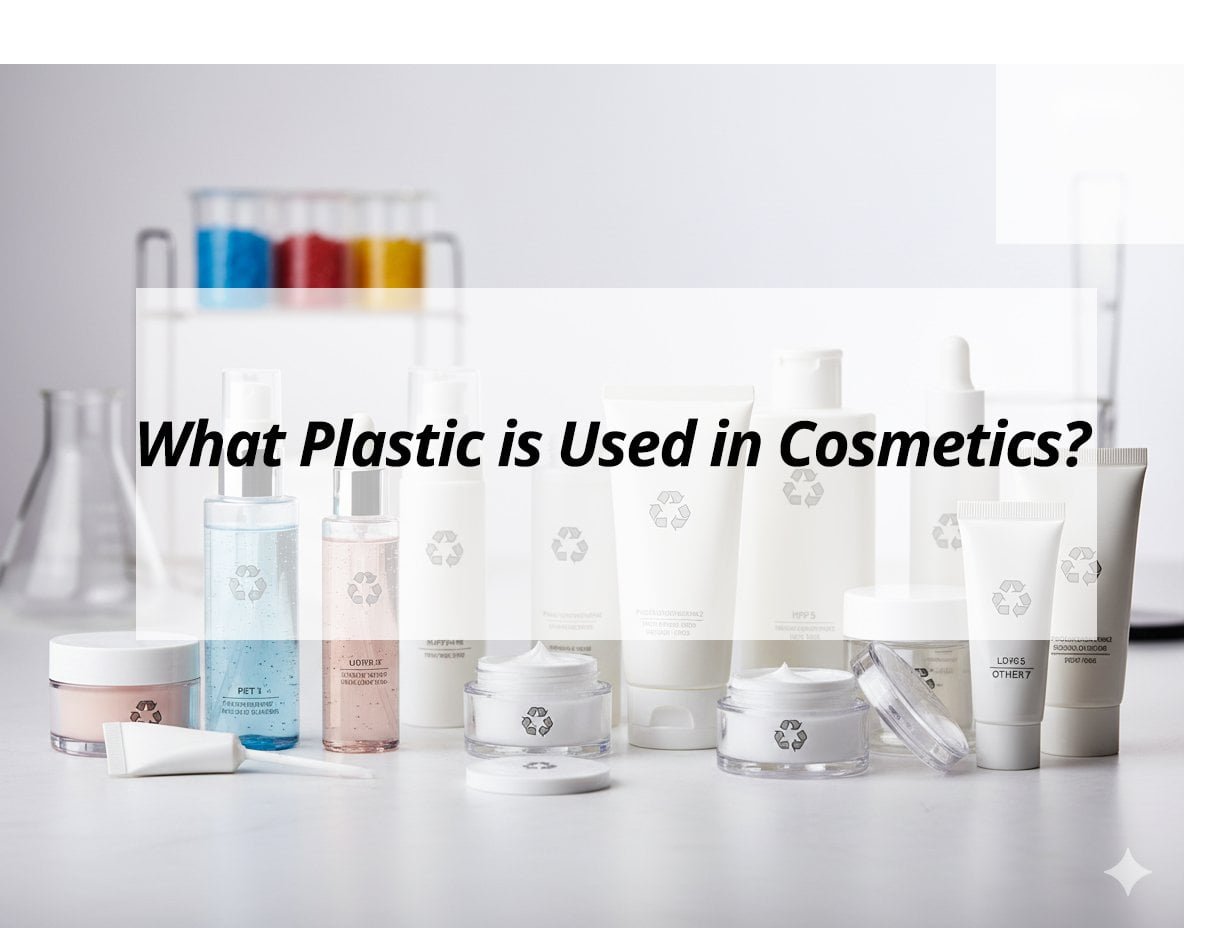
Plastic is everywhere, even in our favorite cosmetic products. But do you know what types of plastic are commonly used and why? Understanding this can help you make better choices.
Cosmetics primarily use various types of plastics such as PET, HDPE, LDPE, PP, and PVC for their packaging due to their versatility, durability, and cost-effectiveness. These plastics are chosen based on the product's needs, like barrier properties for creams or squeezability for lotions, with many efforts now focused on incorporating recycled content.
The world of plastic in cosmetics is wide. We see it in everything from lipstick tubes to lotion bottles. This article will explain the different plastics, their uses, and common concerns like microplastics.
Can you absorb microplastics through your skin?
The idea of microplastics getting into our bodies is a big worry for many. But can they actually go through your skin when you use cosmetics? This is a common question.
Current scientific research suggests that it is highly unlikely for microplastics from cosmetics to be absorbed through healthy human skin. The skin acts as an effective barrier against particles of that size. While microplastics can accumulate on the skin's surface, they generally do not penetrate into the bloodstream or deeper tissues.
Our skin is a strong protective layer. It keeps many things out, including most tiny particles. Think about how a good lotion stays on top of your skin to work. It does not disappear inside.
The Science Behind Skin Absorption
Our skin has several layers. The outermost layer is called the stratum corneum. This layer is very good at blocking things.
- Size Matters: Microplastics are small, but they are still too big to easily pass through the skin's barrier. The spaces between skin cells are very tiny.
- Skin's Barrier Function: The skin's job is to protect our insides from the outside world. It prevents water loss and stops harmful substances from entering.
- Studies and Findings: Many studies have looked at how particles interact with the skin. Most research shows that particles, even nanoparticles, struggle to get past the outer skin layer unless the skin is damaged.
What Are Microplastics in Cosmetics?
Microplastics in cosmetics are tiny plastic particles. They can be found in two main ways:
- Primary Microplastics: These are intentionally added to products. Examples include microbeads in exfoliating scrubs. However, many countries have now banned these.
- Secondary Microplastics: These come from the breakdown of larger plastic pieces. This can happen when packaging breaks down over time.
For example, a study might look at plastic microfibers. These are often shed from clothes. They can be found in dust. When these land on skin, they stay on the surface. They do not get absorbed.
Why the Concern About Microplastics?
Even if skin absorption is low, the concern about microplastics is real.
| Concern | Explanation | Impact |
|---|---|---|
| Environmental Pollution | Accumulate in oceans and soil | Harm marine life, ecosystem disruption |
| Ingestion Risk | Can be ingested through food and water | Potential health concerns (under study) |
| Air Pollution | Present in dust, can be inhaled | Respiratory issues (under study) |
So, while skin absorption is unlikely, the overall presence of microplastics in our environment is a problem. Many cosmetic companies are working to remove intentionally added microplastics from their products. This helps reduce the environmental load.
What makeup does not have microplastics?
Finding makeup without microplastics is a goal for many consumers today. With growing awareness, brands are changing their formulas. Knowing what to look for helps.
Makeup products that do not contain microplastics often feature natural exfoliants like jojoba beads or fruit seeds instead of plastic microbeads. Brands committed to being "plastic-free" or "microplastic-free" in their ingredient lists will avoid synthetic polymers such as polyethylene (PE), polypropylene (PP), and nylon, offering clearer choices for conscious consumers.
It is good to check ingredient labels. Look for specific plastic names. Many brands are now proud to state they are free of microplastics.
Identifying Microplastics on Labels
Ingredient lists can be confusing. Here are some common names for microplastics to watch out for:
- Polyethylene (PE)
- Polypropylene (PP)
- Polyethylene Terephthalate (PET)
- Nylon (PA)
- Polymethyl Methacrylate (PMMA)
- Acrylates Copolymer (AC)
- Styrene Acrylates Copolymer (SAC)
If you see these terms, the product likely contains microplastics. Many brands are moving away from these in their formulas, especially for exfoliating products.
Alternatives to Microplastics in Makeup
Many natural and biodegradable alternatives exist. These work just as well, or even better, without harming the environment.
- Natural Exfoliants: Examples include ground apricot kernels, sugar, salt, coffee grounds, and jojoba beads. These break down naturally.
- Mineral-Based Ingredients: Many powders and colorants are mineral-based. These are not plastics.
- Plant-Based Polymers: Some brands use polymers derived from plants. These can offer similar textures to plastics but are biodegradable.
For instance, if you are looking for eco cosmetic packaging, you are likely also interested in what is inside the package. A brand that uses bamboo packaging for cosmetics often also cares about plastic free cosmetic packaging in its formulations.
Brands Committed to Being Microplastic-Free
More and more brands are making public commitments to remove microplastics.
- Certification Logos: Some products carry labels from organizations like "Beat the Microbead." These logos make it easy to identify microplastic-free products.
- Transparent Sourcing: Brands that are open about their ingredients often list them clearly on their websites. This allows you to check for specific plastic names.
- Specific Product Lines: Some brands might have "clean beauty" lines that specifically avoid microplastics.
When looking for eco friendly cosmetic containers1 wholesale, suppliers can also offer insights. They know which brands are leading in sustainable practices. This includes reducing microplastics in products and plastic free cosmetic packaging.
Which plastic is better, 5 or 7?
When you look at the bottom of a plastic container, you often see a number inside a recycling symbol. These numbers tell you what kind of plastic it is. For cosmetics, numbers 5 and 7 are common. But which one is better?
Neither plastic #5 (Polypropylene) nor plastic #7 (Other) is inherently "better" than the other; their suitability depends on factors like recyclability in your local area, intended use, and environmental impact. Plastic #5 is generally more widely recycled and often used for durable containers, while plastic #7 is a catch-all for various plastics, including bio-plastics, making its recyclability highly variable.
It is important to understand what these numbers mean. They are not a grade from best to worst. Instead, they classify the plastic type.
Understanding Plastic Resin Codes
The numbers 1 through 7 are resin identification codes. They show the specific polymer used to make the plastic.
- Plastic #5 (PP - Polypropylene): This is a very common plastic. It is strong, heat-resistant, and has good barrier properties. Many cosmetic jars, caps, and deodorant containers are made from PP.
- Pros: Durable, good for hot-fill products, more widely accepted in recycling programs than #7.
- Cons: Not always recycled in every facility, can be harder to break down than some other plastics.
- Plastic #7 (Other): This category is a mixed bag. It can include many different types of plastics, or even mixed plastics. Sometimes, bioplastics or compostable plastics are also put into this category.
- Pros: Can include innovative new plastics, sometimes bio-based.
- Cons: Very rarely recycled in standard programs, because the type of plastic is unknown. This makes it difficult for recyclers to sort.
Recyclability: A Key Difference
The biggest difference between #5 and #7 often comes down to recyclability.
- #5 PP Recyclability: Many municipal recycling programs accept #5 plastic. Check with your local waste management services to be sure. This makes it a better choice if you want your packaging to be recycled.
- #7 Other Recyclability: #7 plastics are generally not accepted in curbside recycling. Because it's a mix, recyclers don't know how to process it. This usually means it ends up in a landfill.
For eco friendly cosmetic packaging2 manufacturers, using #5 plastic is often preferred for cosmetic packaging. It offers good performance and a better chance of being recycled. This is especially true for eco friendly cosmetic containers wholesale.
| Plastic Type | Common Uses in Cosmetics | Recyclability (General) |
|---|---|---|
| #5 PP | Jars, caps, pumps, deodorant sticks | Often accepted in curbside programs |
| #7 Other | Multi-layer plastics, specialized products | Rarely accepted, often landfilled |
Choosing Sustainable Packaging
When brands choose plastic, they consider many factors. Recyclability is one, but so are function, cost, and aesthetics. Plastic free cosmetic packaging is another growing trend. However, when plastic is necessary, choosing a more recyclable type like #5 can be a good step. Even with bamboo packaging for cosmetics, some parts might still be plastic, so understanding these codes matters.
Is BPA still used in plastics?
BPA, or Bisphenol A, is a chemical that has caused a lot of concern. It was once common in many plastics. But is it still used in cosmetic packaging today? This is an important question for consumer safety.
While BPA was historically used in certain plastics, its use in cosmetic packaging has significantly decreased due to consumer concerns and regulations. Most cosmetic containers, especially those made from common plastics like PET, HDPE, LDPE, and PP, are generally considered BPA-free. However, it can still be found in some specific types of plastics, particularly polycarbonate (PC), which is less common in direct cosmetic contact.
Consumer awareness has driven big changes in the industry. Many manufacturers have moved away from BPA. This gives consumers more peace of mind.
What is BPA and Why is it a Concern?
BPA is an industrial chemical. It has been used to make certain plastics and resins.
- Health Concerns: Some studies suggest BPA might affect health, especially hormone levels. These concerns led to calls for its removal from consumer products.
- Leaching: The main concern is that BPA can "leach" or transfer from the plastic into the product it contains.
- Common Uses: BPA was very common in food and beverage containers, especially baby bottles and water bottles.
BPA in Cosmetic Packaging
The good news is that most common plastics used for cosmetic packaging are naturally BPA-free.
- PET (#1): Polyethylene Terephthalate, widely used for bottles, is BPA-free.
- HDPE (#2): High-Density Polyethylene, used for opaque bottles, is BPA-free.
- LDPE (#4): Low-Density Polyethylene, used for squeezable tubes, is BPA-free.
- PP (#5): Polypropylene, used for jars and caps, is BPA-free.
The plastic where BPA was most common is Polycarbonate (PC) (#7). This plastic is clear and rigid. It is less common for direct cosmetic contact but can appear in some outer casings or specialized containers.
| Plastic Type | BPA Status (General) | Common Cosmetic Use |
|---|---|---|
| PET (#1) | BPA-Free | Bottles (shampoo, lotion) |
| HDPE (#2) | BPA-Free | Opaque bottles, jars |
| LDPE (#4) | BPA-Free | Squeezable tubes |
| PP (#5) | BPA-Free | Jars, caps, pumps |
| PC (#7) | May contain BPA | Less common, some rigid containers |
How to Be Sure About BPA-Free Products
If you are concerned, here are some tips:
- Check Labels: Many products will clearly state "BPA-Free" on their packaging if it is a concern.
- Avoid PC Plastic: If you see "PC" or a #7 recycling code on a clear, hard plastic container, and BPA is a concern for you, it might be best to avoid it.
- Choose Alternatives: Options like glass, aluminum, or bamboo packaging for cosmetics are naturally BPA-free.
The trend in the cosmetic industry, especially among eco friendly cosmetic packaging manufacturers, is towards safer materials. This includes ensuring products are free from concerning chemicals. Whether it is plastic free cosmetic packaging or using specific types of plastic like #5, the focus is on consumer safety and environmental responsibility.
My Insights: Understanding Plastic Usage in Cosmetics
Confused about the types of plastics in cosmetics? Learn how different plastics contribute to packaging and product formulation efficiency.
In cosmetics, plastics like PET, HDPE, and PP are commonly used for packaging containers while polyethylene and PMMA serve as functional ingredients. These materials provide durability, flexibility, and strength across various product applications.
Exploring Plastics in Cosmetic Applications
Packaging Plastics:
- PET: Ideal for transparent, lightweight bottles suited for serums and toners.
- HDPE: Offers sturdy and opaque solutions for shampoos and lotions.
- PP: Preferred for heat-resistant items, such as cleansers and caps.
Ingredient Plastics:
- Polyethylene: Used as a film-former and thickener in eyeliners, mascaras, and foundations.
- PMMA: Enhances thickness in makeup and nail products.
- Nylon (PA): Acts as an absorbent in creams and lotions.
Key Material Properties:
| Plastic Type | Application | Key Properties |
|---|---|---|
| PET | Bottles | Lightweight, transparent |
| HDPE | Shampoos, Lotions | Sturdy, opaque |
| PP | Caps, Cleansers | Heat-resistant |
| Polyethylene | Eyeliners, Mascaras | Thickener, film-former |
Understanding these properties helps brands choose the right plastics for functionality, sustainability, and product integrity in cosmetics.
Conclusion
Cosmetic packaging uses various plastics, primarily PET, HDPE, LDPE, PP, and PVC. Concerns about microplastics and BPA are driving the industry towards safer, more sustainable solutions.