Are you concerned about your cosmetic products losing potency or becoming contaminated before their expiration date? Many valuable formulations degrade due to exposure to air and external elements. There is a precise packaging solution for this problem.
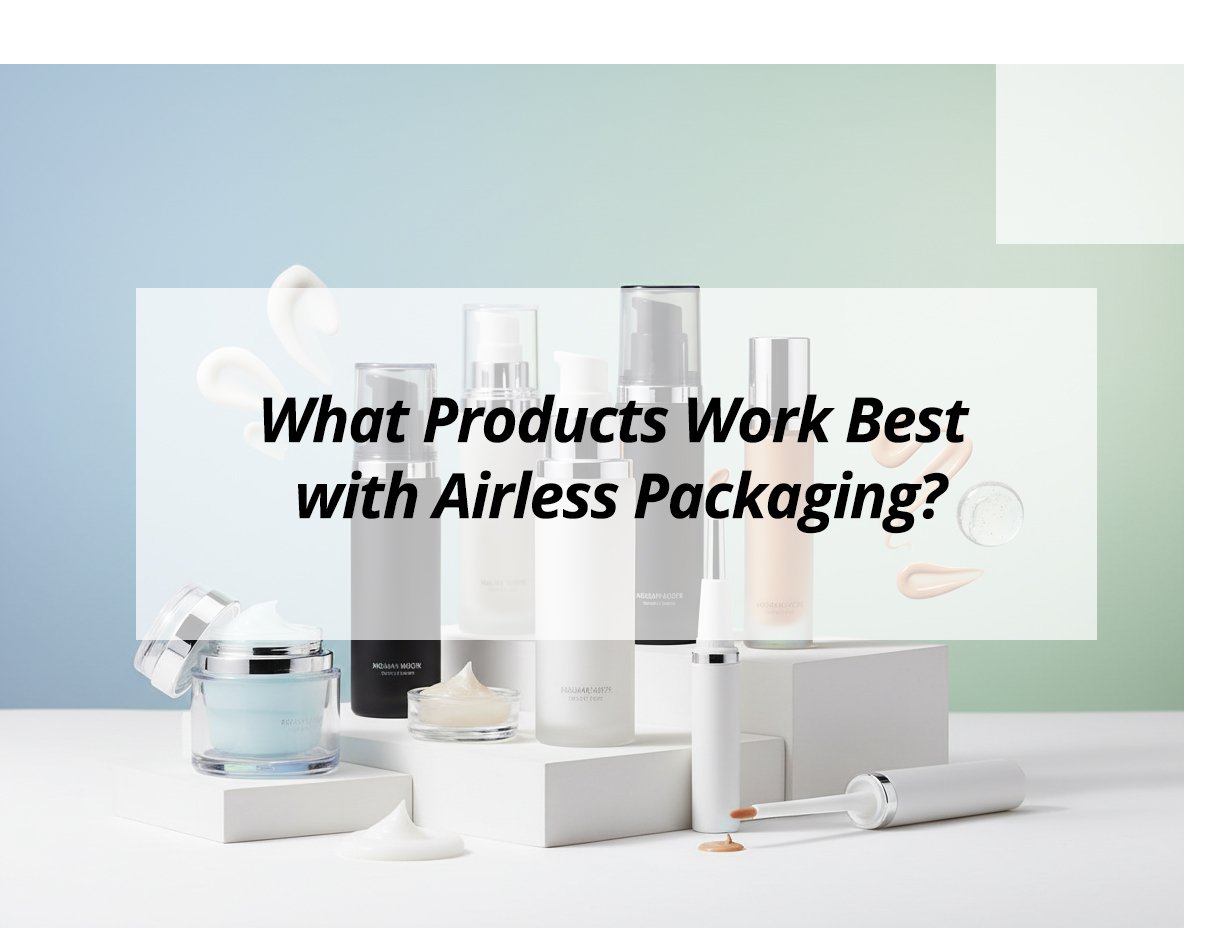
Airless packaging is most suitable for products with delicate ingredients, those prone to oxidation, or formulations requiring high levels of hygiene. This includes serums, lotions, creams, and foundations that contain active components like vitamins, antioxidants, and natural extracts. This packaging shields products from air exposure and contamination, maintaining their stability and efficacy from initial use to final dispense.
The cosmetic packaging industry continually evolves to meet product demands. Airless packaging represents a significant advancement. It addresses critical issues of product degradation and contamination. This technology extends product shelf life and preserves ingredient integrity, which is essential for complex formulations. Understanding its principles helps in making informed packaging decisions.
What Can You Put in an Airless Pump Bottle?
Do you question which specific product types benefit most from airless pump technology? Many cosmetic formulations are sensitive. They can lose effectiveness quickly when exposed to environmental factors. This affects product quality and consumer satisfaction.
You can put a wide range of sensitive cosmetic and skincare products in an airless pump bottle. These include serums with active ingredients such as Vitamin C, retinol, and peptides, as well as various lotions, creams, and foundations containing delicate extracts or needing protection from oxidation. Airless bottles are also suitable for natural or organic formulations with minimal preservatives. This packaging system keeps these products fresh and effective by preventing air and contaminant exposure.
When assessing packaging needs for sensitive formulations, the stability of ingredients is a primary concern. For instance, a Vitamin C serum packaged in a standard pump bottle may experience rapid oxidation and discoloration. Switching to an airless pump can significantly delay this process. This change preserves the serum's efficacy and appearance, providing consistent quality to the consumer. This demonstrates the critical role of appropriate packaging in maintaining product integrity.
Why Are Certain Ingredients Better in Airless Packaging?
Some ingredients are inherently unstable. They react negatively with oxygen. This reaction reduces their effectiveness. It can also alter their sensory properties. Airless packaging mitigates these issues.
- Antioxidants: Ingredients such as Vitamin C, Vitamin E, and ferulic acid combat free radicals. They oxidize when exposed to air. This diminishes their activity. Airless containers protect their stability.
- Retinoids: Retinol and other Vitamin A derivatives are potent. However, they degrade rapidly upon exposure to light and air. Airless packaging shields them. This ensures their intended performance.
- Peptides: These small protein chains can be fragile. Air exposure can compromise their structure. This reduces their beneficial effects in skincare.
- Natural Extracts: Many plant extracts are valued for their properties. They often contain delicate compounds. These compounds can degrade quickly. Airless pumps help preserve their potency.
How Does Ingredient Sensitivity Affect Shelf Life?
Ingredient sensitivity directly impacts a product's shelf stability. When delicate ingredients are in traditional jars or standard pump bottles, they encounter air each time the container is opened. This initiates a degradation process.
| Ingredient Type | Sensitivity to Air | Impact on Product Life | Optimal Packaging |
|---|---|---|---|
| Vitamin C (L-AA) | High | Rapid oxidation, discoloration | Airless pump, opaque container |
| Retinol | High | Degradation, reduced efficacy | Airless pump, dark glass |
| Peptides | Medium | Structural alteration | Airless pump, vacuum sealed |
| Plant Extracts | Medium | Loss of potency, spoilage | Airless pump, light-blocking container |
| Hyaluronic Acid | Low | Generally stable | Any sealed container |
Airless packaging establishes a barrier. This barrier prevents air from contacting the internal product. Consequently, ingredients retain their potency for longer periods. This is a crucial factor for brands distributing products in diverse environmental conditions, as it helps guarantee product quality from manufacturing to consumer use.
What Are the Options for Cosmetic Packaging?
Do you find the array of cosmetic packaging choices perplexing? Selecting the appropriate container is vital. It influences both product performance and market appeal. A well-chosen package enhances the product it holds.
The options for cosmetic packaging are extensive, encompassing traditional jars, tubes, various bottle types, and advanced airless systems. Each option presents distinct advantages regarding product protection, user experience, and aesthetic presentation. Jars are typically suited for viscous creams, while tubes are ideal for gel-like formulations. Bottles with conventional pumps are common for lotions. Airless packaging distinguishes itself by offering superior protection for sensitive formulations.
When considering packaging, the balance between quality and cost-effectiveness is important. Packaging must effectively protect the formulation while also presenting a professional image. Comparing various options, from basic plastic bottles to sophisticated designs, helps in making an informed decision. For instance, while a standard pump bottle might be cheaper upfront, an airless option could preserve product freshness for a longer duration. This often provides greater long-term value, offsetting the initial cost difference.
How Do Different Packaging Types Protect Products?
Each packaging type offers varying degrees of product protection. Some provide fundamental barriers. Others incorporate advanced preservation mechanisms.
- Jars: Jars accommodate thick products such as heavy creams or balms. However, they expose the product to air and direct contact with fingers upon each opening. This can lead to contamination.
- Tubes: Tubes offer improved hygiene compared to jars. Product is dispensed by squeezing. This limits air ingress. They are suitable for gels, cleansers, or masks.
- Standard Pump Bottles: These bottles incorporate a dip tube. The pump draws product upwards. Air then enters the bottle to equalize pressure. This process exposes the product to air over time.
- Bottles with Droppers: Often used for serums, droppers allow for precise application. Nevertheless, the dropper mechanism can introduce air and contaminants into the bottle with each use.
- Airless Packaging: This system uses a vacuum. It pushes product upward without allowing air entry. This is optimal for safeguarding sensitive formulas against oxidation and contamination.
What are the Key Considerations for Choosing Packaging?
Selecting the correct packaging requires careful evaluation. It involves more than just visual appeal. It encompasses how the package functions and its effect on the product's integrity.
| Consideration | Description | Importance for Products & Brands |
|---|---|---|
| Product Formula | Is the product susceptible to air, light, or microbes? | Determines necessary protective features. |
| User Experience | How straightforward is the product for the consumer to use? | Affects customer satisfaction and loyalty. |
| Brand Image | Does the packaging align with the brand's identity? | Influences consumer perception and market positioning. |
| Cost | What is the budget for packaging components? | Impacts total product cost and profit margins. |
| Sustainability | Does the packaging utilize recyclable or eco-friendly materials? | Addresses growing consumer demand for environmentally responsible products. |
| Market Trends | What are current industry practices and consumer preferences? | Helps maintain product competitiveness and relevance. |
Balancing these factors is essential for optimal packaging selection. Customization options allow brands to obtain packaging that precisely fits their product requirements and market objectives. Effective packaging not only safeguards the product but also communicates a brand's dedication to quality.
What Is the Mechanism of Airless Packaging?
Do you understand how airless packaging effectively maintains product freshness? Its design is sophisticated yet operates on fundamental principles. Grasping this mechanism highlights its protective advantages.
The mechanism of airless packaging relies on a vacuum-sealed system that dispenses product without reintroducing air into the container. Unlike traditional pumps with a dip tube, a piston situated at the base of the bottle ascends as the pump is activated. This action pushes the product upwards and out. This design safeguards sensitive formulations from oxidation and contamination, preserving product integrity from the first application to the final dispense.
Explaining airless technology often involves drawing parallels to everyday concepts. For example, visualizing it as a reverse syringe helps clarify its operation: rather than drawing air in, it expels product cleanly. Demonstrations using transparent airless bottles can visually confirm the piston's upward movement. This immediate understanding of the simple yet effective design often impresses. This clarity helps stakeholders recognize the value of investing in quality packaging solutions.
How Does the Piston System Work?
The piston system forms the core of airless packaging. Its design is fundamental to its effectiveness in product preservation.
- Absence of Dip Tube: Airless bottles do not feature a tube extending into the product. This prevents air from being drawn into the liquid contents.
- Piston Integration: A disc or piston is positioned at the bottom of the bottle. This piston maintains a tight seal against the inner walls.
- Vacuum Generation: Activating the pump creates a vacuum within the container. This vacuum exerts upward pressure on the piston.
- Product Dispensing: As the piston moves upward, it expels the product through the pump head. This ensures clean and consistent product delivery.
- Air Exclusion: No air is permitted to enter the bottle to replace the dispensed product. This keeps the remaining product completely isolated from the external environment.
This system ensures product freshness. It isolates the product from air, which is a primary cause of degradation. This is particularly crucial for formulations containing delicate ingredients.
What Are the Key Advantages of Airless Dispensing?
Airless dispensing provides several significant advantages. These benefits extend beyond simple product preservation. They also enhance the overall user experience.
| Advantage | Description | Product & Consumer Benefit |
|---|---|---|
| Maximized Shelf Life | Prevents oxidation and inhibits microbial growth. | Products retain potency and safety for extended periods. |
| Enhanced Hygiene | No finger dipping, no air entry into the product. | Reduces contamination risks, especially for preservative-free formulas. |
| Full Product Evacuation | Dispenses nearly 100% of the product content. | Minimizes product waste for consumers, providing better value. |
| Precise Dosing | Delivers a consistent product amount with each pump. | Ensures accurate application and contributes to product longevity. |
| Versatile Formulas | Accommodates thick creams, gels, and thin liquids. | Suitable for a broad spectrum of cosmetic formulations. |
| Ingredient Integrity | Protects sensitive active ingredients from degradation. | Maintains product efficacy and performance over time. |
Ensuring cosmetic packaging offers these advantages is crucial for suppliers. Brand companies and cosmetic finished product factories highly value these features. They require packaging that supports their product's quality claims. Highlighting these points during client discussions helps demonstrate the true value of investing in high-quality airless solutions.
Are Airless Pumps More Hygienic?
Have you considered the potential for contamination in traditional cosmetic packaging? Repeated finger contact with jarred products or air intake in standard pump bottles can introduce bacteria. This raises questions about cleaner dispensing methods.
Yes, airless pumps offer superior hygiene compared to conventional packaging options. Their design prevents air from entering the bottle, which minimizes oxidation and exposure to airborne contaminants. Furthermore, the sealed system stops direct user contact with the product inside. This significantly reduces the risk of microbial contamination from fingers, ensuring the product remains cleaner and safer throughout its usage lifecycle.
Product purity is a significant concern for many buyers, especially for organic or sensitive lines. The integrity of a product is not solely about its ingredients but also about how it is protected post-production. The sealed nature of airless pumps provides substantial reassurance. It shields formulations from external microbial threats and maintains overall cleanliness. This aspect of design directly contributes to increased consumer trust and product reliability.
How Do Airless Pumps Prevent Contamination?
Airless pumps feature a distinctive design. This design actively prevents the introduction of contaminants. It helps maintain a clean environment within the container.
- No Air Intake: A primary pathway for microbial ingress is through air. Airless pumps prevent air from entering. This means airborne dust, bacteria, and mold spores cannot reach the product.
- Sealed System: The product remains entirely sealed from the external environment. There are no openings for contaminants to penetrate the container.
- No Finger Contact: Unlike jars, where direct finger contact is common, airless pumps dispense product directly. This eliminates the transfer of bacteria from hands into the bulk product.
- Reduced Oxidation: Less air also means reduced oxygen levels. Oxygen can react with product ingredients. This can create conditions favorable for certain microbial growth. By excluding oxygen, airless pumps help inhibit this process.
These features collectively establish a robust protective barrier. This barrier ensures the product remains safe and clean throughout its use.
What Are the Hygiene Benefits for Sensitive Formulations?
For products with sensitive formulations, hygiene is paramount. These products often contain fewer preservatives. They necessitate enhanced protection against contamination.
| Hygiene Benefit | Impact on Product Safety & Quality | Applicable Product Types |
|---|---|---|
| Prevents Bacterial Growth | Reduces risk of product spoilage and potential skin reactions. | Organic formulas, products for sensitive skin, eye creams. |
| Maintains Ingredient Purity | Ensures active ingredients are not compromised by external factors. | Vitamin C serums, retinol creams, anti-aging preparations. |
| Extends Product Integrity | Keeps formulations stable and effective for longer durations. | Natural extracts, preservative-free cosmetic lines. |
| Reduces Allergen Exposure | Minimizes contact with airborne allergens and irritants. | Skincare for allergy-prone individuals, baby products. |
| Supports Clean Beauty | Aligns with consumer demand for safe, unadulterated products. | All clean beauty and minimalist formulation brands. |
Hygiene is a critical consideration for cosmetic packaging. Brands developing high-quality skincare and makeup products require packaging that adheres to rigorous standards. Airless solutions provide this assurance. They enable brands to deliver products that are not only effective but also demonstrably safe and clean for the consumer. This ultimately reinforces brand trust and consumer confidence.
My Insights: What Products Work Best With Airless Packaging?
Struggling to keep your skincare products fresh and potent? Airless packaging could be the key to maintaining their effectiveness and longevity.
Airless packaging excels for products sensitive to air and light, such as anti-aging serums, natural skincare, thick lotions, and SPF creams. It provides superior protection, precise dosing, and hygienic use, especially for formulations rich in active ingredients.
Exploring Ideal Products for Airless Packaging
Product Protection
- Active Ingredients: Airless packaging is essential for products with volatile ingredients like retinol or vitamin C, as it prevents oxidation and preserves potency.
- Natural Formulations: Skincare with minimal preservatives benefits from the contamination-free environment airless packaging offers.
Texture and Application
- Thick Lotions and Creams: The vacuum-based system efficiently dispenses thick products without waste, ensuring you use every last drop.
- Precise Dispensing: Ideal for sunscreens and medicated products, airless packaging guarantees consistent application, maintaining product integrity and efficacy.
Hygiene and Preservation
Airless systems minimize contamination by avoiding contact with fingers, crucial for hygiene and extending shelf life. This makes it ideal for products prone to spoilage and those requiring precise, clean applications.
| Product Type | Airless Suitability | Reasons |
|---|---|---|
| Anti-aging Serums | Very High | Oxidation-prone, potent actives |
| Natural/Organic Skincare | Very High | Low preservatives, spoil easily |
| Sunscreens / SPF Lotions | High | Maintain UV protection, precise dosing |
| Creams, Lotions, Balms | High | Thick textures, efficient dispensing |
| Liquid Foundation/Primers | High | Prevents drying and contamination |
Selecting airless packaging enhances product performance, maintains active ingredient integrity, and supports sustainable, hygienic application.
Conclusion
Airless packaging is optimal for sensitive cosmetic products. It protects them by preventing air and contaminant exposure. This ensures that formulations like serums, lotions, and creams maintain their freshness and effectiveness throughout their lifecycle.