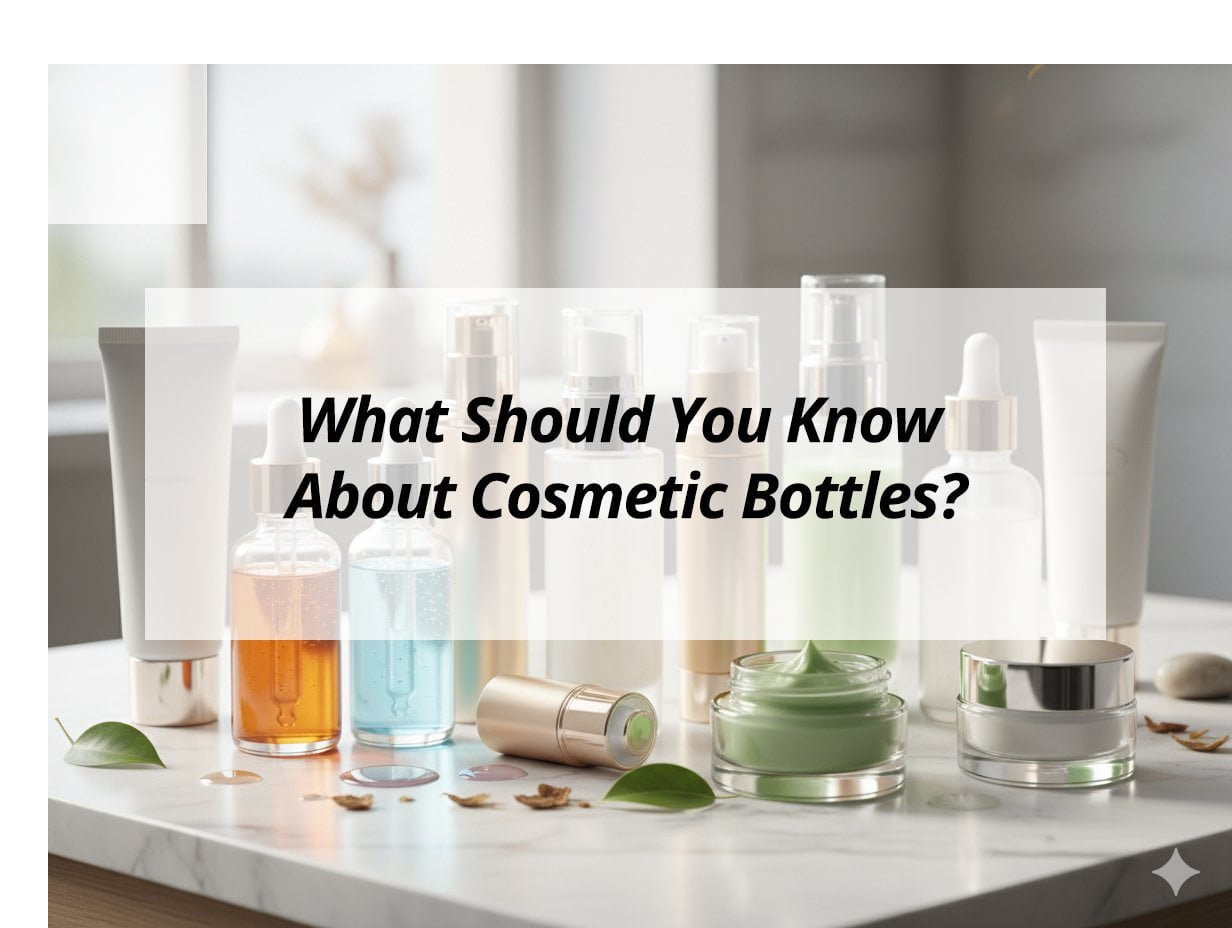
What Should You Know About Cosmetic Bottles?
Cosmetic bottles are integral to a brand's identity and greatly influence customer experience and sustainability goals.
Cosmetic bottles protect products, convey brand identity, and ensure convenience for consumers. They are essential for maintaining quality, enhancing shelf appeal, and supporting sustainable practices, influencing both customer satisfaction and brand success. Their design and materials can reflect brand values, target consumer preferences, and even affect the usability of the product itself.
Cosmetic packaging encompasses the balance between aesthetics and function, playing a vital role in defining brand narratives.
What are the five importances of cosmetics?
Cosmetics transcend mere appearance enhancement; they play a significant role in daily life and self-expression, shaping personal and cultural identities.
Cosmetics boost self-esteem, offer self-expression, support personal hygiene, aid skincare, and carry cultural significance. These elements make cosmetics vital in everyday life, impacting personal confidence and social practices.
Understanding cosmetics involves recognizing their multifaceted impact:
Boosting Confidence1
-
Enhancing Appearance2: Cosmetics help individuals project their best self, often leading to improved self-esteem and social interactions.
-
Empowering Identity3: Through colors, textures, and styles, cosmetics enable individuals to express their unique identities and creativity.
Supporting Health
-
Personal Hygiene4: Products like deodorants, shampoos, and oral care items contribute to personal cleanliness and well-being.
-
Skincare Benefits5: Moisturizers, sunscreens, and serums provide essential nutrients and protection, promoting healthy skin and reducing signs of aging.
Cultural Significance
- Cultural Practices: Different cultures utilize cosmetics in rituals and traditions, emphasizing beauty norms and cultural heritage.
By recognizing these facets, we appreciate cosmetics' broader impact on society and individual well-being, understanding their pivotal role in daily routines across the globe.
Does FDA regulate cosmetic packaging?
Understanding regulations is key to ensuring consumer safety and compliance with legal standards, safeguarding both brands and consumers.
The FDA regulates cosmetic packaging by ensuring safety and proper labeling, focusing on ingredient disclosure and truthful marketing claims. This regulatory scrutiny protects consumers, ensuring that products meet established safety and transparency standards.
FDA Regulations Overview
| Aspect | Details |
|---|---|
| Safety Standards | Packaging materials must be safe, non-toxic, and not alter product quality. |
| Allergen Warnings | Clear labeling of potential allergens to ensure consumer safety. |
| Ingredient Disclosure | All ingredients must be listed for informed consumer choices. |
| Marketing Claims | Must be truthful and substantiated, maintaining brand credibility. |
| Compliance Checks | Regular FDA inspections to enforce adherence to regulations. |
Compliance with FDA regulations is crucial for avoiding legal issues and protecting brand reputation while committing to consumer safety and trust.
What do you know about cosmetics?
Cosmetics have a rich history and modern complexity that fuel self-expression and business innovation, evolving from age-old practices to contemporary artistry.
Cosmetics enhance or alter appearance, including skincare, makeup, and personal care items. Their evolution from ancient practices to modern innovations highlights their role in personal care and cultural influence worldwide.
Exploring cosmetics reveals their depth:
Historical Context
-
Ancient Origins: Many cosmetics have roots in ancient cultures, serving purposes from spiritual rituals to social status indicators.
-
Evolution: With technological and chemical innovations, cosmetics have expanded in variety and sophistication, meeting diverse consumer needs and preferences.
Modern Diversity
-
Variety: The cosmetic industry offers a plethora of products across multiple categories, from skincare solutions targeting specific concerns to versatile makeup ranges.
-
Innovation: Advancements in formulations and technologies continue to introduce more effective, eco-friendly, and inclusive cosmetics.
Cultural Impact
- Global Influence: Cosmetics reflect and shape global beauty standards, affecting how beauty is perceived and practiced worldwide, bridging cultural and societal differences.
Understanding these aspects helps appreciate cosmetics' role in individual lives and broader cultural contexts, reinforcing their significance in modern society.
What to do with empty cosmetic bottles?
Managing empty cosmetic bottles effectively contributes to sustainability and waste reduction, aligning with ecological stewardship.
Recycle, repurpose, or return empty cosmetic bottles to reduce waste and support environmental sustainability. These actions align with eco-friendly goals and contribute to a cleaner environment.
Managing Empty Bottles
| Method | Details |
|---|---|
| Recycling | Follow local guidelines and sort materials for effective recycling. |
| Repurposing | Use for DIY projects or organization, extending the bottles' lifespan. |
| Return Programs | Participate in brand initiatives to return bottles for recycling or refilling. |
By engaging in these practices, consumers and brands contribute to waste reduction and sustainability efforts, fostering an eco-friendly approach to cosmetic consumption.
My insights: Key Considerations for Choosing Cosmetic Bottles
Struggling with selecting the perfect cosmetic bottle for your products? Learn what impacts preservation, brand appeal, and user experience.
When choosing cosmetic bottles, consider the material, design, and size to ensure product preservation and brand alignment. Opt for eco-friendly options and suitable closures to enhance user experience and product longevity.
Understanding Cosmetic Bottle Selection
- Dropper Bottles: Ideal for serums and oils due to precise application.
- Pump Bottles: Great for lotions with controlled dispensing.
- Spray Bottles: Perfect for mists and toners requiring fine mist application.
Material Considerations:
- Glass: Offers superior protection, particularly amber glass for light-sensitive ingredients. It's reusable and recyclable, appealing to eco-conscious consumers.
- Plastic: Lightweight and cost-effective, with eco-friendly options emerging. Airless bottles help preserve product by limiting air exposure.
Design and Brand Impact:
- Customizing elements like shape, size, and closures enhances aesthetic appeal and functionality. Consider modular and refillable designs for sustainability and efficiency, influencing consumer perception and success.
Comparison Table
| Feature | Benefits |
|---|---|
| Material | Product preservation, eco-friendliness |
| Design | User experience, brand differentiation |
| Size | Storage, transport efficiency |
| Closure Type | Accessibility, leakage prevention |
Choose bottles that align with brand values, protect formulations, and appeal to market trends. This ensures a strong connection with consumers and competitive advantage.
Conclusion
Understanding the roles and regulations surrounding cosmetic bottles enhances brand success and consumer satisfaction, harmonizing business objectives with environmental goals and consumer needs.
-
Explore how cosmetics can enhance self-esteem and improve social interactions, making a significant impact on personal confidence. ↩
-
Discover the various ways cosmetics can help individuals project their best selves and improve their overall look. ↩
-
Learn how cosmetics allow for self-expression and creativity, helping individuals showcase their unique identities. ↩
-
Understand the importance of cosmetics in maintaining cleanliness and well-being through daily hygiene products. ↩
-
Find out how cosmetics like moisturizers and sunscreens contribute to healthy skin and reduce aging signs. ↩
-
Understand the various types of cosmetic bottles and their specific uses to choose the right one for your products. ↩