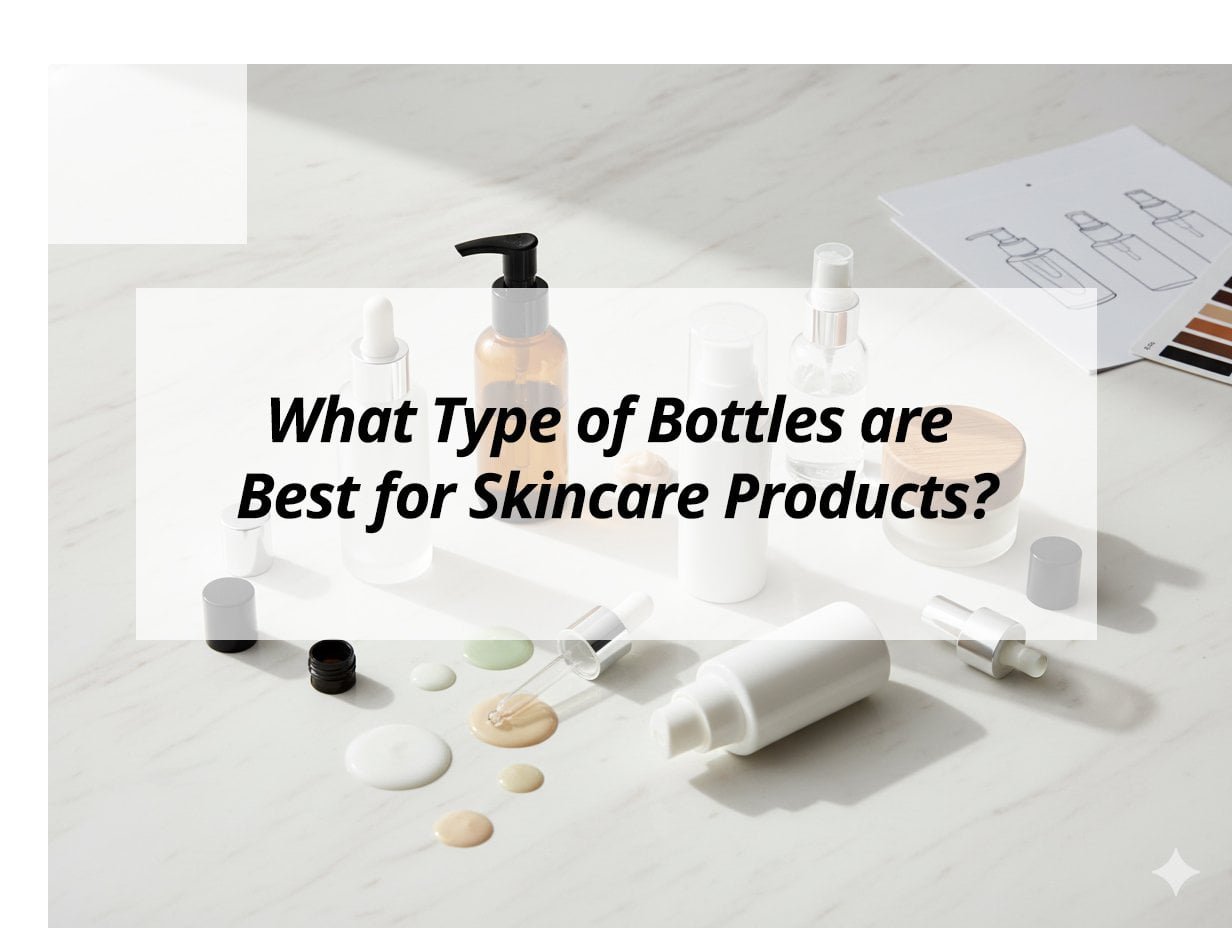
Choosing the right skincare bottle is key. The wrong choice can impact product quality, environmental responsibility, and brand perception.
Selecting skincare bottles requires assessing material, design, durability, and eco-friendliness. These elements guarantee product protection and enhance consumer appeal, crucial for attracting eco-conscious buyers in today's competitive market. Making informed choices helps maintain product integrity and boosts brand reputation among environmentally-aware consumers.
Skincare packaging involves balancing quality, aesthetics, and sustainability. Let's explore what makes a perfect bottle choice.
Which bottle is best, silicone or plastic?
Making the right choice between silicone and plastic is crucial for product longevity and customer satisfaction.
Silicone bottles1 are flexible and durable, ideal for travel-sized products. Plastic bottles2, especially PET, are lightweight and cost-effective, offering transparency that attracts consumers. Evaluating these materials helps meet market demands and ensures brand success.
The silicone vs. plastic topic by considering the following:
Silicone vs. Plastic: Key Considerations
| Feature | Silicone | Plastic (PET) |
|---|---|---|
| Durability | Highly durable and reusable | Less durable but cost-effective |
| Flexibility | Excellent for squeezable product tubes | Offers rigidity |
| Transparency | Generally opaque | Clear, presents products beautifully |
| Cost | Higher cost | Lower, budget-friendly |
It's important to balance these features based on your specific product needs. For smaller, premium products, silicone can add perceived value. For high-volume items, plastic might be the answer. Always consider your target consumer's priorities, such as convenience and cost.
What is the most eco-friendly packaging for cosmetics?
Environmental concerns are rising. Choosing eco-friendly packaging can boost brand image significantly.
Recyclable and biodegradable materials are top choices for eco-conscious brands. Glass is a popular option, being reusable and infinitely recyclable. Compostable bioplastics and post-consumer recycled plastics are also gaining traction in sustainable packaging.
The eco-friendly options:
Eco-Friendly Packaging Types
- Glass Bottles: Durable and endlessly reusable, ideal for premium products.
- Bioplastics: Made from renewable resources, biodegradable, great for lightweight items.
- Recycled Plastics3: Uses existing materials, reducing waste and conserving resources.
Adopting eco-friendly packaging can differentiate your brand. It appeals to consumers who prioritize sustainability, which is a growing demographic.
Why do serums come in glass bottles?
Ever noticed how premium serums are often in glass bottles? It's not just for aesthetics.
Glass prevents contamination and provides a stable environment for sensitive formulations. Unlike plastic, it's non-porous and won't react with ingredients, ensuring product safety and efficacy.
Reasons glass is preferred for serums:
Advantages of Glass for Serums
- Non-reactive: Ensures no chemical leaching into the product.
- Protective: Shields contents from UV light, preserving active ingredients.
- Premium Feel: Adds a sense of luxury, attracting discerning buyers.
Understanding why glass is favored for serums can inform your packaging decisions, especially for high-end lines.
What plastic is safe for cosmetics?
Safety is non-negotiable in cosmetic packaging. Knowing which plastics are safe is vital.
PET and HDPE plastics are widely used and recognized for their safety. Both are FDA-approved and excellent at preserving product integrity.
Examining plastic safety:
Safe Plastics for Cosmetics
| Plastic Type | Characteristics |
|---|---|
| PET | Lightweight, strong, recyclable, and clear |
| HDPE | Durable, resistant to moisture and chemicals |
Opting for these plastics ensures compliance with safety standards, and helps maintain consumer trust. They're perfect for a range of products, from lotions to cleansers.
My insights: The Type of Bottles are Best for Skincare Products
Struggling to keep skincare products fresh and effective? Discover the best bottle types to protect and preserve your formulations.
For skincare products, choose bottles based on formula needs: airless pumps for active serums, amber glass for UV protection, and PET for lightweight convenience. Align selections with sustainability goals for optimal impact.
Exploring Skincare Bottle Options
Key Bottle Types:
- Airless Pump Bottles4: Ideal for sensitive formulas like vitamin C or retinol serums, limiting air exposure to preserve integrity.
- Dropper Bottles: Perfect for facial oils, providing precise dosing with premium aesthetics.
- Standard Pump and Spray Bottles: Great for lotions and mists, ensuring efficient, hygienic dispensing.
Material Preferences:
- Glass: Offers premium look and chemical protection, especially for serums and oils.
- PET and HDPE: Lightweight, durable, suitable for toners and lotions.
Sustainability Considerations5:
- Refillable Options6: Encourage eco-friendly practices with reusable systems.
- Recycled Materials: Choose PET, HDPE, or PCR for enhanced recyclability.
Recommendation Table:
| Product Type | Bottle Style | Materials | Benefits |
|---|---|---|---|
| Vitamin C/Retinol Serum | Airless/Dropper | Amber/Frosted Glass | Protects from air/light, precise dosing |
| Facial Oil | Dropper | Amber/Clear Glass | Premium feel, accurate application |
| Daily Face Lotion | Pump | PET/HDPE | Convenient dispensing, good durability |
| Natural/Low-Preservative | Airless | Co-ex/Aluminum | Extended shelf life, reduced contamination |
Selecting the right bottle type enhances product performance, sustainability, and consumer appeal. Prioritize material compatibility and design functionalities for effective skincare packaging solutions.
Conclusion
Choosing the right skincare bottles involves balancing material, sustainability, and product compatibility. Making informed decisions ensures safety and enhances brand value.
-
Explore the advantages of silicone bottles for travel, including flexibility and durability, making them ideal for on-the-go use. ↩
-
Learn about the benefits of plastic bottles, including cost-effectiveness and transparency, which can attract consumers. ↩
-
Explore how recycled plastics help reduce waste and conserve resources, making them a sustainable choice for packaging. ↩
-
Learn how airless pump bottles protect sensitive formulas from air exposure, preserving their integrity. ↩
-
Understand the essential sustainability considerations that can enhance your brand's appeal and environmental impact. ↩
-
Explore the importance of refillable packaging in promoting eco-friendly practices and reducing waste. ↩