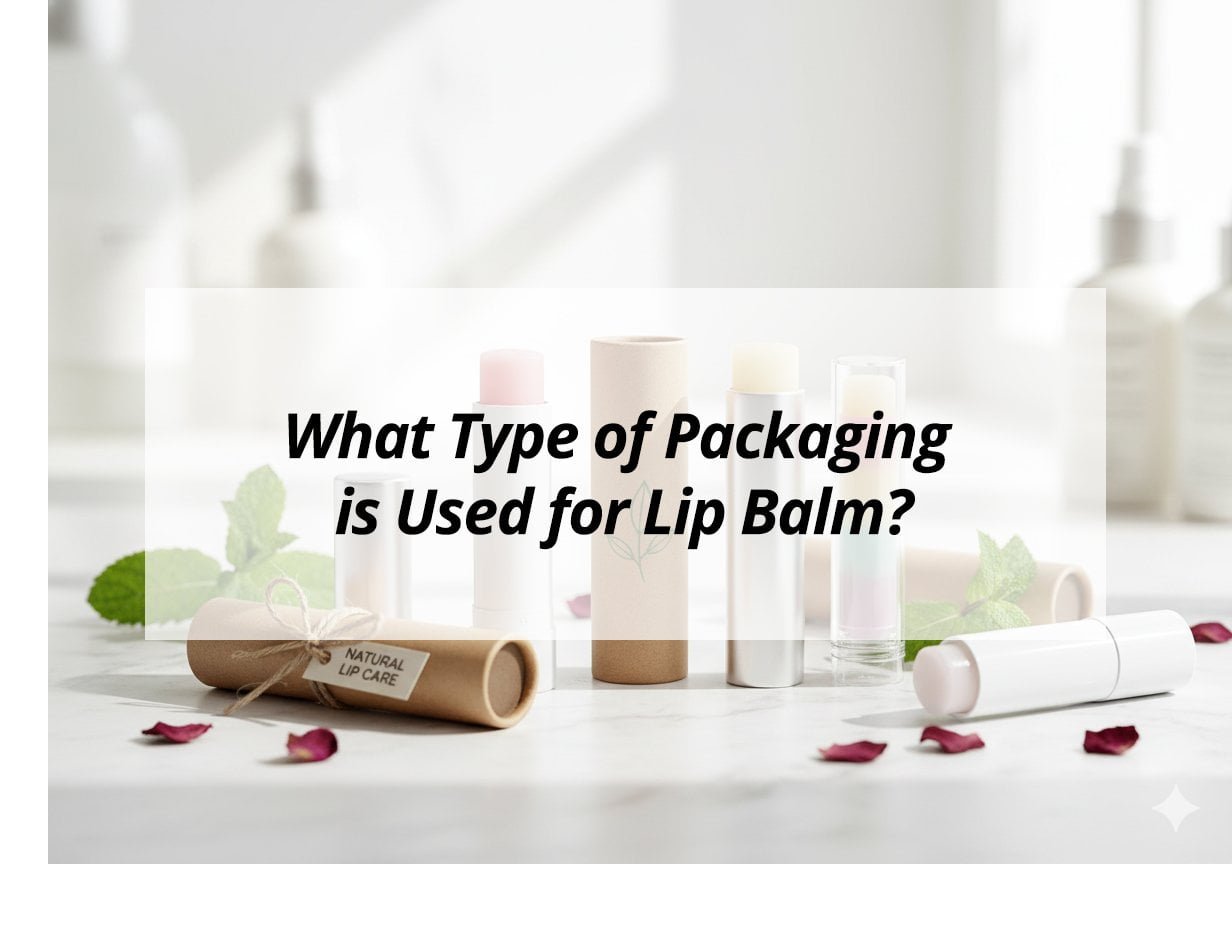
Lip balm packaging is often overlooked but plays a crucial role in product effectiveness and consumer attraction.
Recyclable options like cardboard lip balm tubes are gaining popularity for their eco-friendly appeal. These innovative containers offer sustainable solutions, ensuring product integrity and attractive design. By choosing such packaging, brands not only reduce environmental impact but also align with consumer preferences for greener products.
Choosing the right packaging ensures product preservation and environmental responsibility. Let's explore how different packaging types meet these needs.
What are the different types of lip balm packaging?
Packaging can make or break a lip balm product, influencing both consumer choice and environmental impact.
Lip balm packaging comes in various forms, such as plastic tubes, pots, tins, and eco-friendly options1 like cardboard lip balm tubes. Each type has distinct features affecting usability and sustainability, helping brands align with environmental goals while meeting customer needs.
Understanding these options aids in making informed decisions, balancing functionality and eco-friendliness.
Types of Lip Balm Packaging
| Type | Advantages | Disadvantages |
|---|---|---|
| Plastic Tubes | Durable, easy to use, mass-produced | Not environmentally friendly; challenging to recycle |
| Pots and Tins | Reusable, aesthetic appeal | Less convenient for on-the-go application |
| Cardboard Lip Balm Tubes | Biodegradable, innovative design | May offer less durability in extreme conditions |
Selecting the right type depends on priorities such as aesthetics, sustainability, and user experience.
How to package lip balm?
Packaging isn't just about appearance; it's vital for preserving product quality and enhancing consumer satisfaction.
Effective lip balm packaging requires careful consideration of materials, design, and functionality to ensure protection, ease of use, and visual appeal. Choosing sustainable options enhances brand value and meets conscientious consumer demands.
Crafting the ideal package involves blending practicality with creativity.
Designing Lip Balm Packaging
Key factors in creating effective lip balm packaging2:
Material Selection
- Sustainability: Opt for biodegradable or recyclable materials. This reduces environmental impact and appeals to eco-conscious consumers.
- Protection: Ensure compatibility with product formula. Prevent reactions that could alter the product's effectiveness.
Design Considerations
- User Experience: Focus on ease of use and portability. Consumers prefer packaging that fits into their lifestyle, like pocket-sized containers.
- Aesthetic Appeal: Reflect brand identity through design. Visuals should convey the product's qualities and brand ethos.
Functionality Features
- Seal Integrity: Prevent leakage and contamination. Secure seals ensure product longevity and safety.
- Size and Shape: Adapt to consumer usage patterns. Compact designs cater to modern, mobile lifestyles, while larger containers might offer more value.
Balancing these aspects leads to packaging that excels in performance and market appeal.
What are the labeling requirements for lip balm?
Labels are critical for communication and legal compliance, guiding consumer choices and ensuring product safety.
Labeling requirements for lip balm include ingredient list, manufacturer's information, and any regulatory accreditations. Clear, informative labels help consumers make informed decisions, increasing trust and brand credibility.
Compliance with labeling regulations is essential for successful product marketing.
Lip Balm Labeling Essentials
Understanding key components for effective labeling:
- Ingredients List: Transparency assures customer trust. Consumers want to understand what they're applying on their skin.
- Manufacturer Details: Provides accountability and contact information. Clear contact details strengthen consumer trust and ease of resolving queries.
- Regulatory Marks: Indicate adherence to specific standards. This ensures the product meets regional requirements.
- Safety Instructions: Necessary for user wellbeing. Information like expiry dates and storage instructions promote safe usage.
- Logo and Colors: Enhance brand recognition. Consistent branding across packaging and labels bolsters identity.
- Unique Selling Points: Highlight benefits and features. This helps differentiate the product in a crowded market.
Effective labeling combines legal compliance with strategic marketing, building brand trust and consumer loyalty.
What is a ChapStick container called?
You may use different terms for lip balm containers, but knowing the correct terminology aids in effective communication and decision-making.
A ChapStick container is typically referred to as a twist-up or push-up tube. This term indicates the mechanism used to dispense product, defining user experience3 and influencing packaging choices.
Understanding terminology is key to optimizing packaging strategy.
ChapStick Container Insights
- Twist-Up Tubes: Popular for ease of application and control. Allows minimal contact with the product, maintaining hygiene.
- Push-Up Tubes: Often seen in eco-friendly designs. These cater to consumer preference for sustainable options.
Knowing these terms helps in discussing packaging characteristics clearly with suppliers and customers.
My insights: Exploring Packaging Options for Lip Balm
Choosing the right lip balm packaging can impact sustainability and brand appeal. Discover the diverse options available to suit your needs.
Lip balm packaging includes plastic tubes, metal tins, glass jars, paper tubes, bamboo, and silicone containers4. Each option varies in sustainability, branding potential, and usability, accommodating different consumer preferences and environmental goals.
Understanding the Variety in Lip Balm Packaging
Types of Packaging:
-
Plastic and Metal:
- Plastic Tubes: Lightweight, portable, with twist-up mechanisms.
- Metal Tins: Provide a sturdy, vintage feel and are recyclable.
-
Eco-Friendly Alternatives:
- Paper Tubes: Biodegradable and customizable.
- Bamboo and Compostable Materials: Offer sustainable and eco-friendly solutions.
-
Premium and Innovative Options:
- Glass Jars: Luxurious feel, ideal for high-end brands.
- Silicone and Refillable Containers: Flexible, durable, and sustainable.
Packaging Comparison Table
| Type | Features and Benefits |
|---|---|
| Plastic Tubes | Convenient and affordable |
| Metal Tins | Durable with premium styling |
| Paper Tubes | Eco-friendly and recyclable |
| Glass Jars | Elegant, suitable for luxury products |
| Bamboo Containers | Sustainable and biodegradable |
| Silicone Containers | Flexible and durable |
By understanding these packaging types, brands can choose the best option for their product's protection and brand alignment, while considering environmental impacts.
Conclusion
Choosing lip balm packaging wisely impacts product success, consumer satisfaction, and environmental footprint. Exploring diverse options, labeling correctly, and understanding terminology fosters effective decisions and solid brand identity.
-
Discover innovative eco-friendly packaging solutions that align with sustainability goals. ↩
-
Explore this link to understand the various lip balm packaging options and their impact on consumer choice and sustainability. ↩
-
Understand the importance of user experience in lip balm packaging design and its effect on consumer satisfaction. ↩
-
Learn about the flexibility and durability of silicone containers as a modern packaging solution. ↩