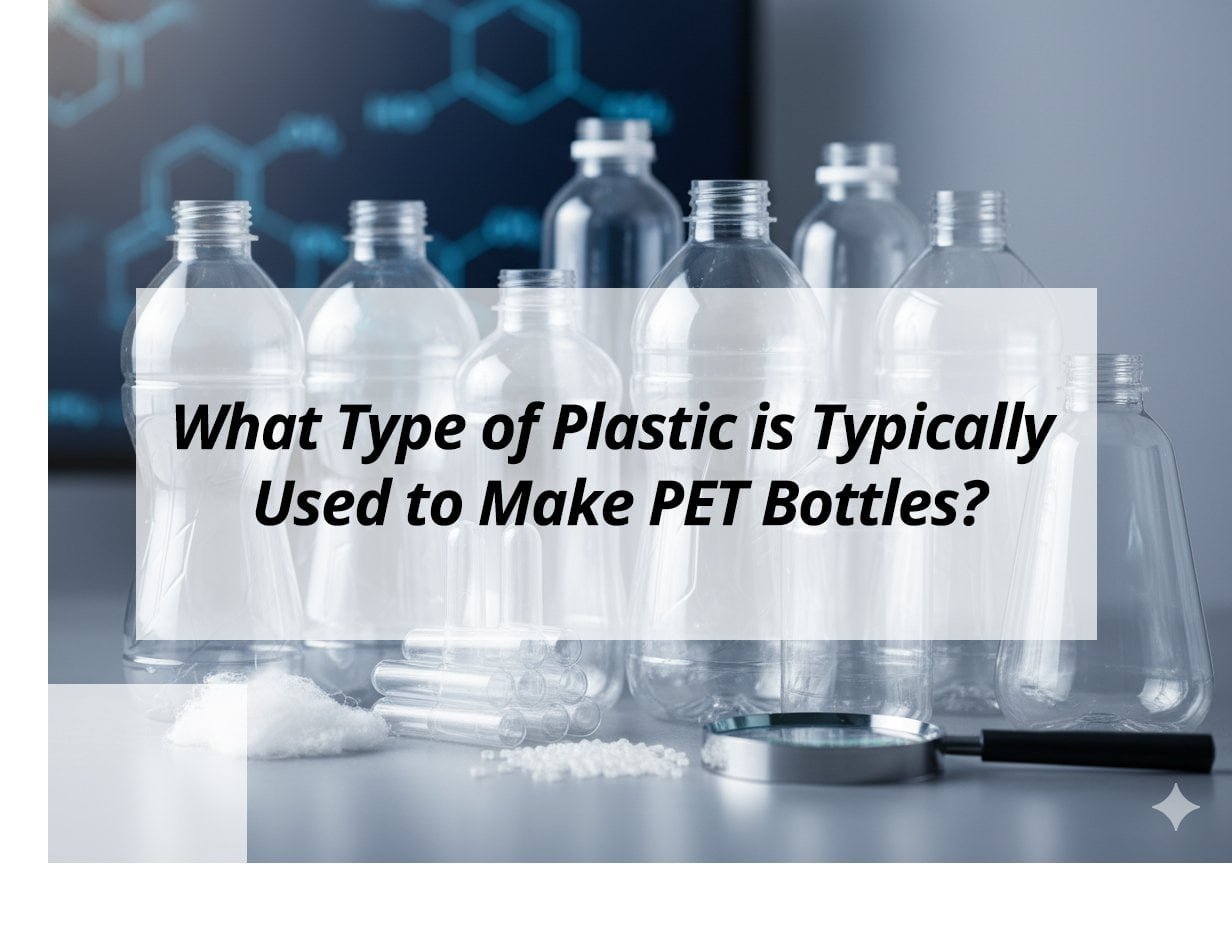
Are you curious about the plastic commonly found in beverage bottles? A specific material is widely used for these containers. Understanding this plastic helps in comprehending packaging choices and their broader implications.
The plastic primarily used for PET bottles is Polyethylene Terephthalate, frequently identified as PET or PETE. This material is chosen for its superior strength, clarity, and effective barrier properties. These attributes make it highly suitable for packaging various liquids and foods. It is also valued for being lightweight, recyclable, and safe for direct contact with consumables.
This article will detail the characteristics of PET plastic and compare it with other common plastics. It will also provide information on their applications, safety aspects, and environmental considerations.
What is the name of the plastic in PET bottles?
Do you know the exact name for the plastic that forms most clear bottles? This plastic is ubiquitous in modern packaging. Identifying its name is key to understanding common consumer products and their material composition.
The plastic found in PET bottles is named Polyethylene Terephthalate, commonly abbreviated as PET or sometimes PETE. This material belongs to the polyester family. It is recognized for its inherent properties of being lightweight, strong, and exceptionally clear. These characteristics make it a prevalent choice for diverse packaging, especially for beverages.
Polyethylene Terephthalate is a thermoplastic polymer resin. It is utilized across numerous industries in various forms. Its most recognized application is in containers for beverages and food items. PET is identified by the number "1" within the universal recycling symbol, typically located at the base of plastic products. This plastic is certified as safe for direct contact with food and drinks. This broad acceptance explains its extensive use in packaging water, carbonated soft drinks, and fruit juices. It provides an effective barrier against gas permeation and moisture, which is crucial for preserving product freshness over extended periods. Furthermore, its shatter-resistant nature offers a safer alternative to glass in many packaging scenarios.
Chemical Composition of PET
PET possesses a distinct chemical structure.
- Polymer Chains: PET consists of repetitive molecular units called monomers. These monomers are linked together to create long polymer chains.
- Monomer Units: The primary building blocks are ethylene glycol and terephthalic acid. Their chemical combination forms the PET polymer.
- Thermoplastic Property: PET is classified as a thermoplastic. This means it can undergo multiple cycles of melting and reshaping. This property significantly contributes to its recyclability.
Properties of PET Plastic
PET plastic exhibits several important properties.
- Clarity: It is inherently transparent and colorless. This allows for clear visibility of the product contained within.
- Strength and Durability: PET offers considerable strength and resistance to breakage. This helps protect contents during transportation and handling.
- Barrier Properties: It forms an excellent barrier against oxygen and carbon dioxide. This is vital for maintaining the freshness and carbonation of beverages.
| Property | Description | Benefit for Packaging |
|---|---|---|
| Transparency | Clear and uncolored | Allows for visual inspection of contents |
| Lightweight | Low material density | Reduces logistical costs, easy for consumers |
| Toughness | Resists impact and shattering | Ensures product safety, glass alternative |
| Recyclability | Capable of being remelted and reformed | Supports sustainable practices |
Common Uses of PET
PET is integrated into numerous everyday products.
- Beverage Bottles: The majority of water, soda, and juice bottles are manufactured from PET. This represents its most widespread application.
- Food Containers: It is used for various food jars, such as those for peanut butter and condiments. It also forms plastic trays for microwaveable meals.
- Fibers: PET is also processed into textile fibers known as polyester. These fibers are employed in clothing, carpeting, and other fabric products.
Which plastic is better, 5 or 7?
Are you trying to decipher the numbered symbols on plastic containers? Plastics are categorized using numbers 1 through 7 for recycling purposes. Understanding these classifications assists in selecting safer and more sustainable options. Distinguishing between plastics labeled 5 and 7 is pertinent for daily consumption.
When evaluating plastics labeled 5 and 7, plastic "5" refers to Polypropylene (PP), which is generally regarded as superior for many applications due to its heat resistance and widespread recyclability. Plastic "7" is a broad category encompassing "Other" plastics, often blends or less common types, leading to inconsistent safety and recycling capabilities.
The numbering system on plastic packaging is part of the Resin Identification Code (RIC) framework. This system aids both consumers and recycling facilities in identifying specific plastic types. Plastic number 5 denotes Polypropylene (PP). It is recognized for its high resistance to heat, making it suitable for microwave-safe containers, yogurt cups, and pharmaceutical bottles. PP also demonstrates good durability and flexibility. It exhibits a low propensity to leach harmful chemicals. Plastic number 7 is the "Other" category. This encompasses a diverse array of plastics not fitting into categories 1-6. This group may include polycarbonate, acrylic, nylon, or multi-layer plastics. Due to this heterogeneity, a general assessment of safety or recyclability for category 7 plastics is challenging. Historically, some plastics under category 7, specifically polycarbonate, contained Bisphenol A (BPA). BPA is a chemical that has raised health concerns. Consequently, many manufacturers now offer BPA-free alternatives within this category.
Understanding Plastic Number 5 (PP)
Plastic number 5 is Polypropylene.
- Properties: It is characterized by strength, flexibility, and high heat resistance. This allows it to withstand elevated temperatures without structural deformation.
- Common Uses: PP is utilized for containers such as yogurt cups, margarine tubs, medicine bottles, and hot food packaging. It is also found in automotive components and bottle caps.
- Recyclability: PP is broadly accepted for recycling in many regions. It is generally considered a safe plastic for applications involving food contact.
Understanding Plastic Number 7 ("Other")
Plastic number 7 represents the "Other" category.
- Composition: This category includes a vast range of plastic types. It can comprise polycarbonate, polylactide (PLA), or various plastic blends.
- Safety Concerns: In the past, certain plastics within this category, such as polycarbonate, contained BPA. BPA is a chemical linked to health issues. Many manufacturers now explicitly label their products as "BPA-free" within this category.
- Recyclability: The recyclability of number 7 plastics varies significantly. While some specific types may be recyclable, many municipal recycling facilities do not process them. Local recycling guidelines should always be consulted.
| Plastic Number | Name | Properties | Common Uses | Recyclability | Safety Considerations |
|---|---|---|---|---|---|
| 5 (PP) | Polypropylene | Heat resistant, strong, flexible | Yogurt cups, medical containers, bottle caps | Good | Generally recognized as safe |
| 7 (Other) | Various | Highly variable, can be complex blends | CDs, large water dispenser bottles, some food containers | Variable | Potential for BPA (look for "BPA-free") |
Making Informed Choices
Selecting between plastic 5 and 7 requires careful consideration.
- Food Contact: For containers intended for food and beverages, PP (plastic 5) is often a more secure choice due to its chemical stability and heat tolerance.
- Recycling: Always refer to specific local recycling regulations. PP typically has broader acceptance in recycling programs compared to many plastics in category 7.
- BPA-Free: When using products labeled with plastic 7, look for explicit "BPA-free" statements. This confirms the absence of chemicals of concern.
What bottles don't have microplastics?
Are you concerned about the presence of microplastics in bottled water? The issue of minute plastic particles in beverages is a growing public concern. This leads to inquiries about which types of bottles are considered safer. Awareness of alternative materials is important.
While no bottle can be definitively certified as entirely free of microplastics due to their pervasive environmental presence, containers made from glass, stainless steel, or certain durable plastics like polypropylene (PP) are generally understood to release fewer microplastics than PET bottles. Regular and proper cleaning of bottles also aids in minimizing particle accumulation.
Microplastics are defined as plastic fragments smaller than 5 millimeters. They originate from the degradation of larger plastic items. Scientific research indicates that microplastics are ubiquitous, even detectable in commercially bottled water. Although absolute microplastic-free status is challenging to guarantee for any container, certain materials are known to shed fewer particles. Glass and stainless steel bottles represent non-plastic alternatives. These are frequently recommended for individuals concerned about microplastic ingestion. Among plastic options, those manufactured from Polypropylene (PP), identified by the recycling code "5," are often considered a more favorable choice. PP is known for its chemical stability, which contributes to a lower likelihood of microparticle release.
Non-Plastic Bottle Alternatives
Several non-plastic container options are available.
- Glass Bottles: Glass is an inert material. It does not leach chemicals or release microplastics into liquids. It represents a highly safe option for beverage storage.
- Stainless Steel Bottles: High-grade stainless steel, typically 18/8 food-grade, is also inert. It offers durability and does not contribute microplastics to contents.
- Ceramic Bottles: Ceramic is another inert material. It is often employed for specialized beverage or food containers.
Plastic Bottles with Lower Microplastic Release
Certain plastic bottles exhibit a lower propensity for microplastic shedding.
- Polypropylene (PP) Bottles: These bottles (code "5") generally possess greater stability. They are less prone to releasing microplastics compared to PET.
- Tritan Plastic: Tritan is a brand of copolyester plastic. It is often marketed as being free of BPA and BPS. It is recognized for its durability and resistance to shattering. Studies suggest it releases minimal microplastics.
- HDPE Bottles (High-Density Polyethylene): These bottles (code "2") are typically opaque. They are commonly used for milk jugs. They are durable and often regarded as a safer plastic choice.
| Bottle Material | Microplastic Release Potential | Other Benefits | Considerations |
|---|---|---|---|
| Glass | Very Low | Inert, aesthetic appeal, easy to clean | Breakable, comparatively heavier |
| Stainless Steel | Very Low | Durable, lightweight, insulating properties | Can impart taste if not food-grade, opaque |
| Polypropylene (PP) | Low | Heat resistant, durable, lightweight | Still plastic, potential for long-term degradation |
| Tritan Plastic | Very Low | Durable, clear, lightweight | Still a type of plastic, less common |
Reducing Microplastic Exposure
Strategies exist to minimize microplastic exposure.
- Avoid Heating Plastics: Refrain from microwaving food or liquids in plastic containers. Heat can accelerate plastic degradation and particle release.
- Hand Wash Bottles: Abrasive cleaning methods or harsh detergents can scratch plastic surfaces. This can increase the likelihood of microplastic shedding.
- Replace Old Bottles: Over time, all plastics can degrade. Replace plastic bottles regularly, especially if they show signs of scratching, cloudiness, or wear.
Which is better HDPE or PET?
Are you making a choice between HDPE and PET for packaging applications? Both are prevalent plastic materials. They possess distinct properties and serve different functions. Understanding these differences is crucial for selecting the optimal material for specific requirements. Both play significant roles across various industries.
HDPE (High-Density Polyethylene) and PET (Polyethylene Terephthalate) are both excellent plastics, but they serve different optimal uses. HDPE is generally superior for opaque, robust containers such as milk jugs and detergent bottles due to its strength and chemical resistance. PET, conversely, is better suited for clear, lightweight containers like water and soft drink bottles because of its clarity, superior barrier properties, and shatter resistance.
HDPE, or High-Density Polyethylene, is a robust, opaque plastic. It is valued for its high strength-to-density ratio, meaning it offers significant strength relative to its weight. It also demonstrates strong resistance to numerous chemicals, making it an ideal choice for packaging products such as milk, detergents, and shampoos. PET, or Polyethylene Terephthalate, is characterized by its clarity and lightweight nature. It excels in providing effective barriers against gases, making it perfectly suited for carbonated beverages and water bottles where transparency and preservation of freshness are paramount. Both plastics are widely recyclable. They fulfill distinct yet equally important roles in the packaging sector. The ultimate choice depends on the specific demands of the product being packaged.
Properties of HDPE
HDPE possesses unique characteristics.
- Opacity: HDPE is typically opaque or translucent. It lacks the clarity of PET. This renders it suitable for products requiring protection from light.
- Durability and Strength: It is remarkably strong, highly resistant to impact, and exhibits good stiffness. These attributes make it appropriate for more demanding containers.
- Chemical Resistance: HDPE demonstrates resistance to a wide array of chemicals and solvents. This makes it an excellent material for household cleaning products and industrial chemicals.
Properties of PET
PET also displays specific characteristics.
- Clarity: PET is exceptionally transparent. This allows for excellent visual presentation of the product inside.
- Lightweight: It is very light in weight, which helps to reduce overall transportation costs.
- Barrier Properties: PET provides an outstanding barrier against gases like oxygen and carbon dioxide. This is crucial for maintaining the freshness and carbonation of beverages.
| Feature | HDPE | PET |
|---|---|---|
| Clarity | Opaque to translucent | Highly transparent |
| Strength | Very strong, high impact resistance | Strong, good shatter resistance |
| Chemical Resistance | Excellent against many chemicals | Good, but less resistant to certain strong acids |
| Lightweight | Moderate | Very lightweight |
| Barrier Properties | Good for moisture, less effective for gases | Excellent for gases (O2, CO2) |
| Typical Uses | Milk jugs, detergent bottles, shampoo | Water bottles, soda bottles, food jars |
Environmental and Recycling Aspects
Both plastics carry environmental considerations.
- Recyclability: Both HDPE (code "2") and PET (code "1") are broadly recyclable. They are among the most frequently accepted plastics in municipal recycling programs.
- Manufacturing: The production of both plastics requires energy input. Ongoing efforts focus on enhancing the sustainability of these manufacturing processes.
- Reusability: Both materials can be reused, although PET bottles are often designed for single use. HDPE containers, such as milk jugs, can also be repurposed for various household uses.
My Insights: What Type of Plastic is Typically Used to Make PET Bottles?
Confused about the materials used in everyday bottles? Learn why PET plastic is the go-to solution for manufacturers.
PET plastic, or polyethylene terephthalate, is commonly used for making bottles due to its strength, lightweight, and recyclability. This thermoplastic is ideal for food and beverage containers, offering excellent clarity, moisture resistance, and suitability for various manufacturing processes.
Understanding PET Plastic in Bottling
Key Characteristics of PET
- Material Properties: PET is strong, lightweight, and resistant to environmental degradation, which makes it suitable for packaging.
- Manufacturing Flexibility: It can be molded into various shapes and sizes, accommodating diverse product needs.
| Feature | Benefit | Application Example |
|---|---|---|
| Strength & Lightweight | Ease of transport and handling | Beverage bottles |
| Clarity | Visible product display | Food containers |
| Barrier Properties | Protects against moisture and gases | Sealed packaging |
Environmental and Economic Factors
PET is highly recyclable, making it a sustainable option for mass production. Its cost-effectiveness and adaptability to hot-fill and cold-fill processes further justify its widespread use. Understanding PET’s versatility helps businesses make informed packaging choices while supporting environmental efforts.
Conclusion
Understanding plastic types like PET and HDPE is crucial for informed choices. PET is ideal for clear beverages due to its clarity. HDPE suits opaque, durable containers better. Both are recyclable and vital for modern packaging solutions.