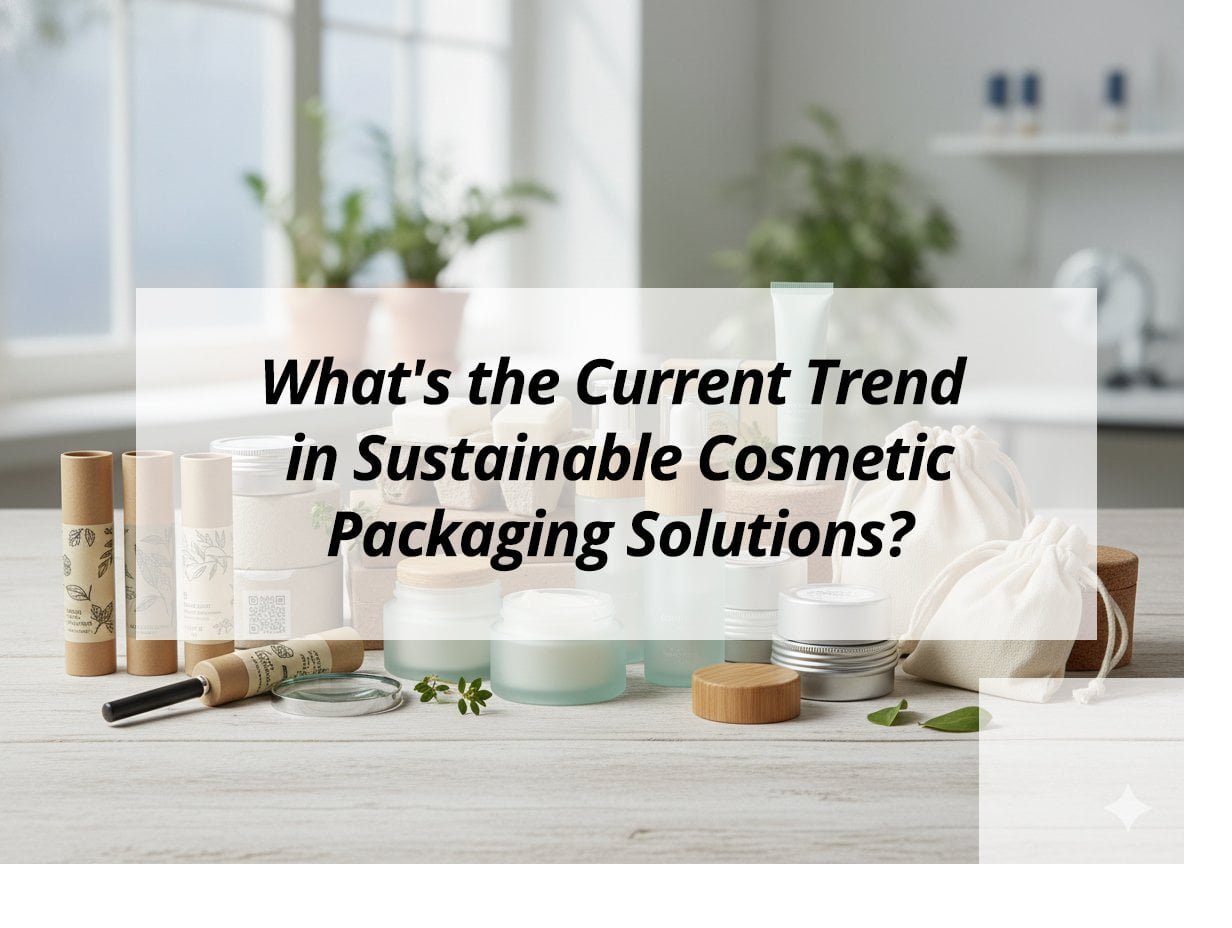
The demand for eco-friendly packaging in the beauty industry is at an all-time high. Brands are racing to adopt sustainable solutions that can meet consumer expectations and environmental demands simultaneously.
Sustainable cosmetic packaging trends focus on recycled materials, biodegradable options, and biotechnology. These innovations reduce waste and carbon footprints, offering eco-friendly solutions that align with increasing consumer and environmental demands. Brands adopting these practices will benefit from enhanced market appeal and sustainability.
Understanding how these trends shape the industry is crucial for businesses striving to stay relevant and competitive.
What are the new trends in sustainable packaging?
The shift towards greener beauty products has driven innovation in packaging solutions. Consumers are becoming increasingly aware of environmental impacts, urging brands to adapt quickly.
Current trends include the use of recycled materials, minimalist designs, and refillable packaging. These strategies reduce waste and carbon emissions, making them among the best sustainable packaging1 options for beauty products today.
Trend Analysis
Recycled Materials
The use of recycled cosmetic packaging is gaining traction. Brands are sourcing post-consumer plastics and other materials to produce eco-friendly containers. This approach not only reduces new plastic output but also supports a circular economy, which is crucial for long-term sustainability.
Table: Benefits of Recycled Packaging Materials
| Material Type | Benefits |
|---|---|
| Post-Consumer | Reduces landfill waste and resource usage |
| Recycled Glass | Maintains product integrity and appeal |
| Recycled Paper | Biodegradable, versatile, easily sourced |
Minimalist Designs
Minimalism goes beyond aesthetics; it's a sustainable choice that resonates with eco-conscious consumers. By simplifying packaging, brands can significantly cut down on material usage and create cost-effective solutions. This approach also delivers a modern look that appeals to today's market demands.
Simple Design Elements
- Reduced Material Usage: Results in less waste
- Cost-Effective Production: Lowers production costs
- Aesthetic Appeal: Provides a modern, eco-friendly vibe
Refillable and Reusable Solutions
Refillable packaging options are becoming increasingly popular as they offer significant waste reduction benefits. These systems encourage consumers to refill their containers, drastically cutting down on disposable waste. This trend is especially prominent in sustainable skincare packaging in regions like Australia, where consumer demand drives innovation.
Refill systems not only help the environment but also build stronger brand loyalty by encouraging continuous consumer interaction with products.
What are the latest innovations in sustainable packaging for cosmetics and how do they address environmental concerns?
Innovations in sustainable packaging are leading cosmetics into a more responsible future. Addressing both consumer needs and environmental challenges is the core mission.
Biotechnology and smart materials play key roles. Innovations like biodegradable plastics and eco-friendly inks reduce landfill waste. This aligns with the global movement towards sustainable skincare packaging and eco cosmetic packaging solutions.
Innovations
Biotechnology in Packaging
Biotechnology is revolutionizing the way we think about packaging. By utilizing biopolymers and biodegradable plastics2 derived from renewable resources, companies can significantly reduce the environmental impact of their packaging products. Such materials not only break down faster than traditional plastics but also have a much lower carbon footprint.
Key Benefits of Biotechnology
- Eco-Friendly Materials: Sourced from renewable resources
- Reduced Decomposition Time: Materials break down more rapidly
- Lower Environmental Impact: Smaller carbon and waste footprint
Biopolymers and biodegradable plastics offer innovative solutions that can transform the industry, setting a new standard for what's considered environmentally friendly.
Smart Materials and Design
The integration of smart materials extends packaging innovations further. These materials, including water-based adhesives and inks, have minimal chemical impacts while maintaining high-quality packaging standards. They offer flexibility in design, enabling brands to maintain an appealing aesthetic without compromising on environmental principles.
Smart Material Features
- Water-Based Adhesives: Offer low environmental impact
- Eco-Friendly Inks: Reduce toxic exposure and eco-damage
- Flexible Design Options: Customizable and visually appealing
Consumer Engagement Through Innovation
Innovative packaging solutions are also effective in engaging consumers. By making the sustainability journey transparent and educational, brands can foster more environmentally conscious buying decisions. Providing insights into sustainability efforts creates a compelling narrative that consumers want to be part of, enhancing brand loyalty.
What are the 7 R's of sustainable packaging?
The 7 R's framework is becoming a critical strategy for companies aiming to lower their environmental impact. These principles guide sustainable practices across various industry sectors.
The 7 R’s are: Reduce, Reuse, Recycle, Refuse, Rethink, Renew, and Repair. Each principle focuses on minimizing waste and resource consumption, advocating for more conscious practices across the packaging industry.
The 7 R's
Reduce and Reuse
The first R's, Reduce and Reuse, focus on minimizing the materials used and encouraging consumers to extend the life of packaging through repeated use. These practices are foundational for any sustainable strategy, cutting down on waste and promoting economical production methods.
Practical Applications
- Lightweight Packaging: Reduces material requirements significantly
- Reusable Design: Encourages multiple lifecycle uses
Recycle and Refuse
Recycling materials plays a pivotal role in sustainability, while refusing superfluous packaging elements ensures a more targeted, efficient approach. Both methods serve to streamline the packaging process and minimize the environmental footprint.
- Effective Recycling Systems: Supports a circular economy
- Refusal of Excessive Packaging: Discourages needless waste
Rethink and Renew
Rethinking involves disrupting traditional packaging concepts to introduce innovative and less waste-intensive ideas, while renewing is about continually assessing and adjusting strategies for sustainability.
- Innovation in Package Design: Encourages out-of-the-box solutions
- Constant Evaluation: Ensures ongoing improvement and relevance
Repair
Though less common, the concept of designing packaging for repair can extend the life of products, reducing the need for new materials and presenting opportunities for consumer creativity in modifying and prolonging package life.
Who is the leader in sustainable packaging?
Identifying leaders in sustainable packaging is crucial for businesses looking to adopt best practices and benchmark their efforts.
Several brands are pioneering eco-friendly solutions, including some well-known names in the beauty sector. Leaders focus on recycled materials, innovation, and reduction in carbon footprints to set industry standards for others.
Industry Leaders
Key Characteristics of Leaders
Industry leaders share several defining characteristics. They prioritize ongoing research and development, maintain collaborative partnerships with innovative firms, and embed sustainability principles throughout their entire supply chain.
Characteristics of Leading Brands
- Investment in R&D: Constantly pushing boundaries
- Collaborative Efforts: Enhancing innovation and reach
- Comprehensive Sustainability: From manufacturing to delivery
Examples of Leading Brands
Highlighting specific brands can give invaluable insights into what constitutes leadership in sustainable packaging. Brands that have been consistent in their sustainable goals often set benchmarks that inspire others and drive industry-wide change.
Table: Examples of Industry Leaders
| Brand Name | Notable Initiatives |
|---|---|
| Brand A | Comprehensive recycled materials programs |
| Brand B | Introduction of sustainable refill systems |
| Brand C | Achieving complete carbon neutrality in operations |
By following these leaders, other brands can enhance their sustainable offerings, fostering broader change in the cosmetics industry.
My insights: The Current Trend in Sustainable Cosmetic Packaging Solutions
Curious about sustainable packaging trends in cosmetics? Explore innovative solutions shaping a greener future without compromising beauty.
Current trends in sustainable cosmetic packaging include recyclable and biodegradable materials, refillable systems, minimalistic designs, and waterless products. These innovations reduce waste, carbon footprint, and environmental impact while meeting eco-conscious consumer demands.
Innovative Approaches to Eco-Friendly Cosmetic Packaging
Key Trends:
-
Recyclable and Biodegradable Materials:
- Use of materials like glass, bamboo, and cornstarch bioplastics.
- Incorporation of mushroom-based and compostable packaging3.
-
Refillable Systems:
- Popular for foundations, lipsticks, and skincare.
- Encourages consumer loyalty by reducing single-use plastics.
-
Minimalistic and Smart Designs:
- Fewer materials and digital labels via QR codes.
- Streamlined packaging reduces environmental impact.
-
Waterless Products:
- Shampoo bars and solid moisturizers reduce packaging needs.
- Less reliance on preservatives and lower carbon footprint.
Sustainability Strategies:
- Ethical Sourcing: Prevents deforestation and exploitation.
- Carbon-Negative Solutions: Uses biocomposites and plant fibers.
- Energy Efficiency: Integrates renewable energy in production.
Quick Reference Table:
| Trend | Benefits |
|---|---|
| Recyclable Materials | Reduces waste, supports recycling |
| Refillable Systems | Cuts single-use plastics, boosts loyalty |
| Minimalistic Design | Less material usage, smart technology integration |
| Waterless Products | Reduces packaging needs, environmental footprint |
By embracing these strategies, the cosmetic packaging industry is moving towards sustainability, driven by consumer demand and environmental responsibility.
Conclusion
Sustainable cosmetic packaging is advancing in response to environmental and consumer demands. By embracing new trends and innovations, the industry moves towards a more responsible and eco-friendly future.