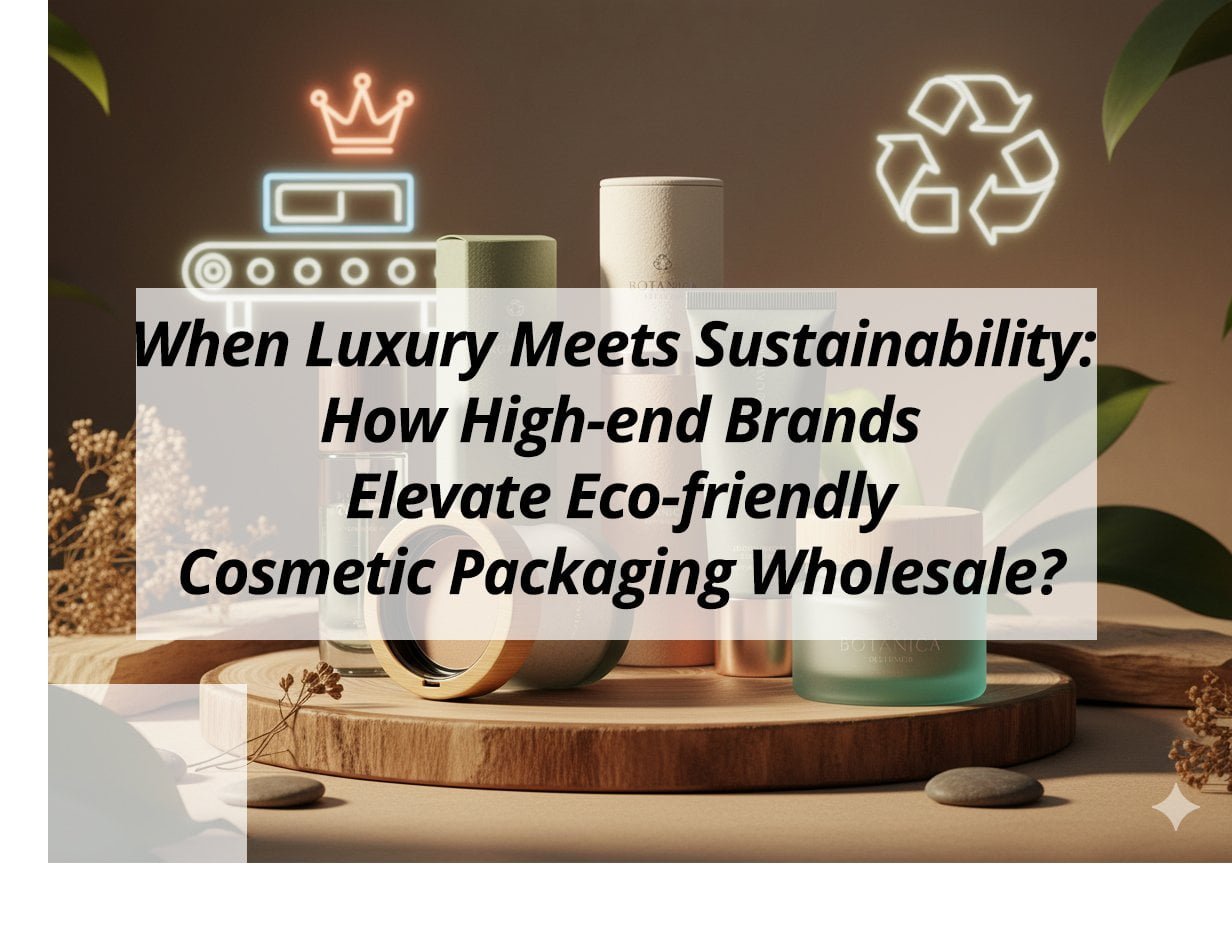
Luxury brands face a challenge. They need packaging that feels premium but also aligns with eco-friendly values. This balance is hard to strike.
High-end brands elevate eco-friendly cosmetic packaging by investing in innovative sustainable materials, designing for refillability, and ensuring transparent, ethical sourcing. They prove that luxury and environmental responsibility can coexist, setting new industry standards for wholesale solutions.
Packaging constantly changes. Sustainability is crucial, even for luxury. Brands adopt eco-friendly ways, helping Earth and drawing new customers.
What is the most eco-friendly packaging for cosmetics?
Are you looking for the best eco-friendly cosmetic packaging? It is not just one material. Many factors make packaging truly sustainable.
The most eco-friendly packaging1 minimizes environmental harm. It is often made from recycled content. It is also recyclable, reusable, or compostable. The choice depends on the product and how people use it.
I have learned that "most eco-friendly" is a complex idea. There is no single perfect answer. It involves many choices. My team and I always look at the full lifecycle of a package.
Understanding Eco-Friendly Materials
Eco-friendly materials are key. They reduce waste and pollution. Luxury brands choose these materials carefully.
- Glass: This material is highly recyclable. It gives a premium feel. Glass is good for jars and bottles. It can be heavy, which affects shipping.
- Aluminum: This metal is also highly recyclable. It offers a strong barrier. Aluminum is lightweight compared to glass. It is used for tubes and bottles.
- Post-Consumer Recycled (PCR) Plastic: This plastic comes from old plastic products. It reduces the need for new plastic. PCR can be used for various tubes and bottles.
- Bamboo: This is a fast-growing plant. It is a renewable resource. Bamboo is often used for outer casings or caps. It adds a natural, luxury touch.
| Material | Key Benefits | Common Luxury Uses | Environmental Note |
|---|---|---|---|
| Glass | High recyclability, premium feel | Jars, dropper bottles | Heavy to transport |
| Aluminum | High recyclability, barrier | Tubes, sleek bottles | Energy-intensive to produce |
| PCR Plastic | Reduces new plastic demand | Tubes, pump bottles | Requires collection systems |
| Bamboo | Renewable, natural aesthetic | Caps, outer casings | Biodegradable |
Choosing the right material is a balance. For example, a luxury cream might use a glass jar. This feels rich. But the brand might also use a lightweight, PCR plastic cap to reduce weight. This shows a thoughtful approach.
Designing for Minimal Impact
Eco-friendly packaging also means smart design. This reduces material use and makes recycling easier.
- Lightweighting: Using less material for each package. This saves resources. It also lowers shipping emissions.
- Mon-Material Design: Creating packaging from a single type of material. This makes recycling much simpler. Mixed materials are hard to process.
- No Excess Packaging: Avoiding unnecessary boxes or layers. Luxury brands often use simple, elegant designs. This reduces waste.
I believe good design is essential for sustainability. A lightweight tube for a lip gloss saves material. A single-material cap makes it easy for consumers to recycle. These small choices add up to big impacts.
Refillable and Reusable Systems
These systems are very eco-friendly. They reduce the amount of new packaging needed over time.
- Refill Pods: Consumers buy a fancy outer container once. Then they buy cheaper, smaller refills. This is common for creams or foundations.
- Reusable Containers: Packaging meant to be cleaned and used again. This extends the life of a package.
- Modular Packaging: Different parts of the packaging can be replaced. This means you do not throw away the whole thing.
Luxury brands are adopting refill systems. This lets them keep their high-end design. But they also offer an eco-conscious option. It shows they care about the environment. This appeals to modern, responsible consumers.
What are the 7 R's of sustainable packaging?
Are you trying to make your packaging more sustainable? It can feel complex. The 7 R's offer a good framework.
The 7 R's of sustainable packaging2 are a set of principles. They guide businesses in making eco-friendly choices. These R's help reduce environmental impact at every step.
I have found these R's very helpful in my work. They give a clear path. We use them to think about how our products affect the planet.
The Core Principles: Refuse, Reduce, Reuse, Recycle
These are the most common R's. They form the base of sustainable practices.
- Refuse: Do not use packaging that is not needed. This means saying no to excessive materials. Luxury brands can refuse overly ornate, wasteful designs.
- Reduce: Use less material in packaging. This means lightweighting and efficient design. A sleek, minimal bottle reduces material use.
- Reuse: Design packaging to be used many times. This includes refillable systems. A beautiful, reusable compact for powder is an example.
- Recycle: Ensure packaging can be processed into new materials. This requires choosing recyclable materials. Glass jars or aluminum tubes are good for this.
I always tell my customers to start with these four. They are the most impactful. Reducing material is often the easiest first step. Designing for reuse saves resources long-term.
Expanding the Framework: Rethink, Repair, Rot
These R's add more depth to sustainability. They encourage deeper thought about design and end-of-life.
- Rethink: Change the way packaging is designed or used. This means challenging old habits. Luxury brands might rethink their entire supply chain for better environmental outcomes.
- Repair: Design packaging elements that can be fixed. While less common for cosmetics, it applies to durable parts. For example, a reusable pump dispenser might be repairable.
- Rot (Compost): Use materials that can break down naturally. This means compostable packaging. Some bio-plastics or paper materials can rot safely.
Rethinking is powerful. It makes us look at everything fresh. Can a cosmetic tube be made from a different, greener material? Can it be designed to easily come apart for recycling? These are the questions we ask.
Why the 7 R's Matter for Luxury Brands
Luxury brands benefit from using these principles. They show commitment to the environment. This aligns with modern consumer values.
- Brand Reputation: Following the R's improves a brand's image. It shows responsibility.
- Consumer Trust: Customers trust brands that are transparent about their sustainability efforts.
- Innovation: The R's push brands to find new, creative packaging solutions. This leads to unique and better products.
I believe these R's are not just rules. They are a mindset. For luxury brands, they are a way to combine elegance with environmental care. It is about creating beauty responsibly.
How do luxury brands be more sustainable?
Do you think luxury brands cannot be sustainable? Many believe high-end products require wasteful packaging. This is no longer true.
Luxury brands achieve sustainability through smart material choices. They focus on quality, not quantity, of materials. They also invest in cutting-edge, eco-friendly technologies and ethical supply chains.
I have seen luxury brands embrace sustainability. They do it in ways that enhance their premium image. It is not about cutting corners. It is about smart, thoughtful decisions.
Premium Sustainable Materials
Luxury brands use sustainable materials that still feel luxurious. They prioritize quality and aesthetic appeal.
- Heavy-Gauge Glass: Thicker, more substantial glass gives a high-end feel. It is also highly recyclable.
- Recycled Aluminum with Special Finishes: Aluminum can be polished or anodized. This gives it a unique, expensive look. Using recycled aluminum adds a sustainable benefit.
- FSC-Certified Paperboard: For secondary packaging, this paper comes from responsibly managed forests. It shows care for the environment.
- Bio-Resins for Custom Designs: New plant-based plastics allow for complex, unique shapes. This helps create distinct luxury packaging.
Luxury is about perceived value. If a material feels good and looks good, it can be sustainable too. Using thick glass for a face cream jar conveys quality. If that glass is also recycled, it is a win-win.
Design for Longevity and Reusability
Luxury items are often made to last. This concept extends to their packaging through refillable designs.
- Iconic, Durable Primary Packaging: The main container is designed to be kept. It becomes a lasting part of the brand experience.
- Easy-to-Replace Inner Components: Refills snap in easily. This makes the process simple for the customer.
- Minimalist Aesthetic: Clean lines and simple shapes often endure trends. This means the packaging stays desirable for longer.
A classic example is a luxury lipstick tube. Instead of buying a new tube every time, you buy a refill bullet. You keep the beautiful outer case. This is both sustainable and smart business. It keeps customers engaged with the brand.
Ethical Sourcing and Transparency
Luxury brands commit to responsible practices throughout their supply chain. This means knowing where materials come from.
- Supplier Audits: Brands check their suppliers. They ensure ethical labor practices and environmental standards.
- Traceability: They track materials from their source to the final product. This builds trust.
- Certifications: Using certified materials (like FSC for paper) proves their claims. It shows their dedication.
Consumers, especially in the luxury market, want to feel good about their purchases. They want to know the brand acts responsibly. Transparent sourcing reassures them. It builds a stronger connection between brand and consumer.
Innovative Technologies and Processes
Luxury brands often have the resources to invest in new, sustainable technologies.
- Waterless Printing: Reduces water use and pollution in printing packaging.
- Renewable Energy in Manufacturing: Using solar or wind power in factories. This lowers the carbon footprint.
- Advanced Recycling Programs: Investing in new ways to recycle complex materials. This helps close the loop.
These investments are not just for sustainability. They also drive innovation. They can lead to better quality packaging. This further enhances the luxury experience.
What are the 5 R's for the creation of sustainable packaging?
Are you a packaging designer or brand owner? The 5 R's offer a focused guide for creating sustainable packaging solutions.
The 5 R's for sustainable packaging creation are: Remove, Reduce, Reuse, Recycle, and Renewable. These principles help designers minimize environmental impact. They focus on material selection and end-of-life options.
I use these principles daily. They are practical steps to make packaging better. They guide us in developing packaging that is both beautiful and responsible.
Remove: Eliminating Unnecessary Elements
The first step is to take away what is not needed. This is about simplifying the design.
- Excess Layers: Remove outer boxes or extra wrapping if not essential for protection or branding.
- Unnecessary Inserts: Take out leaflets or dividers that add no real value.
- Complex Closures: Simplify caps or dispensing mechanisms. This can reduce material.
For a luxury perfume, the bottle is the star. An elaborate outer box might be removed. This puts focus on the product itself. It also reduces waste.
Reduce: Using Less Material
This R focuses on making the packaging lighter and smaller.
- Lightweighting Materials: Use thinner plastic walls for tubes. Opt for lighter glass where possible.
- Optimizing Dimensions: Design packaging to fit products perfectly. This avoids empty space. It also reduces shipping volume.
- Concentrated Product Formulas: Smaller product volume means smaller packaging. This is a big trend in beauty.
Reducing material directly saves resources. A smaller, lighter cream jar uses less plastic or glass. This is good for the environment. It also saves on production and shipping costs.
Reuse: Designing for Multiple Lifecycles
This R means making packaging that can be used more than once.
- Refillable Systems: Design containers where only the inner part is replaced. The outer container stays.
- Durable Materials: Use strong materials that last. This encourages consumers to keep the packaging.
- Multipurpose Packaging: A container that can be repurposed after the product is gone. For instance, a jar that becomes a jewelry holder.
Luxury brands excel at reuse. They make packaging beautiful. Customers want to keep it. This makes refill systems attractive. It extends the life of the package.
Recycle: Enabling Material Recovery
This R is about ensuring materials can be processed into something new.
- Recyclable Materials: Choose plastics (like PET, HDPE), glass, or aluminum. These are widely accepted in recycling programs.
- Mon-Material Design: Avoid mixing different materials. For example, a plastic tube with a metal cap can be hard to recycle. A single-material tube is better.
- Clear Labeling: Help consumers understand how to recycle the packaging. Use clear symbols.
Recyclability is key to a circular economy. If a luxury foundation bottle is made of easily recyclable glass, it can be turned into a new product. This keeps materials out of landfills.
Renewable: Sourcing from Nature
This R focuses on using materials that grow back naturally.
- Bio-Based Plastics: Plastics made from plants like sugarcane or corn. These reduce reliance on fossil fuels.
- FSC-Certified Paper3: Paper and cardboard from sustainably managed forests. This ensures trees are replanted.
- Bamboo or Wood Components: These are natural, renewable resources. They can add a unique aesthetic.
Using renewable resources helps reduce carbon footprint. A cosmetic tube made from bio-based plastic is a good example. It is a step away from traditional plastic. It shows a commitment to the planet.
My insights: When Luxury Meets Sustainability in Eco-friendly Cosmetic Packaging Wholesale
Can luxury coexist with sustainability in cosmetic packaging? Discover how high-end brands are redefining eco-friendly solutions at wholesale scale.
Luxury brands elevate eco-friendly packaging by incorporating recycled materials, refill systems, and minimalist designs. They partner with eco-conscious suppliers, offering durable solutions and showcasing sustainability as part of their premium value, enhancing wholesale appeal.
How High-End Brands Revolutionize Sustainable Wholesale Packaging
1. Embodying Eco-Luxury:
- Premium Materials: Use of glass, aluminum, PCR plastics4, and bamboo signal luxury and sustainability.
- Refill Systems: Brands like Chanel and Dior utilize refillable formats, melding luxury with practicality.
2. Design Strategies for Wholesale:
- Mono-Material Structures: Enhance recyclability and ease of production.
- Minimalist Branding: Efficient shapes and eco-friendly graphics optimize shipping and retail presence.
3. Elevating Wholesale Eco-Packaging:
| Aspect | Examples | Benefits |
|---|---|---|
| Material Choices | PCR plastics, bamboo, bioplastics | Reduces virgin plastic, improves recyclability |
| Partnerships | Collaboration with eco-focused OEM/ODM suppliers | Ensures sustainable practices in bulk production |
| Secondary Packaging | FSC-certified boards, compostable inserts | Extends sustainability into logistics and storytelling |
High-end brands seamlessly integrate sustainability, turning eco-friendly initiatives into statements of luxury, transforming wholesale packaging into a sophisticated yet responsible offering.
Conclusion
Luxury brands combine elegance with environmental responsibility. They use innovative materials, smart design, and ethical sourcing. This elevates eco-friendly cosmetic packaging.
-
Explore this link to discover various eco-friendly packaging solutions that minimize environmental impact. ↩
-
Explore the 7 R's framework that guides businesses in making eco-friendly packaging choices. ↩
-
Explore the significance of using FSC-certified paper in packaging to ensure sustainable forestry practices. ↩
-
Find out how post-consumer recycled plastics can reduce environmental impact and promote sustainability. ↩