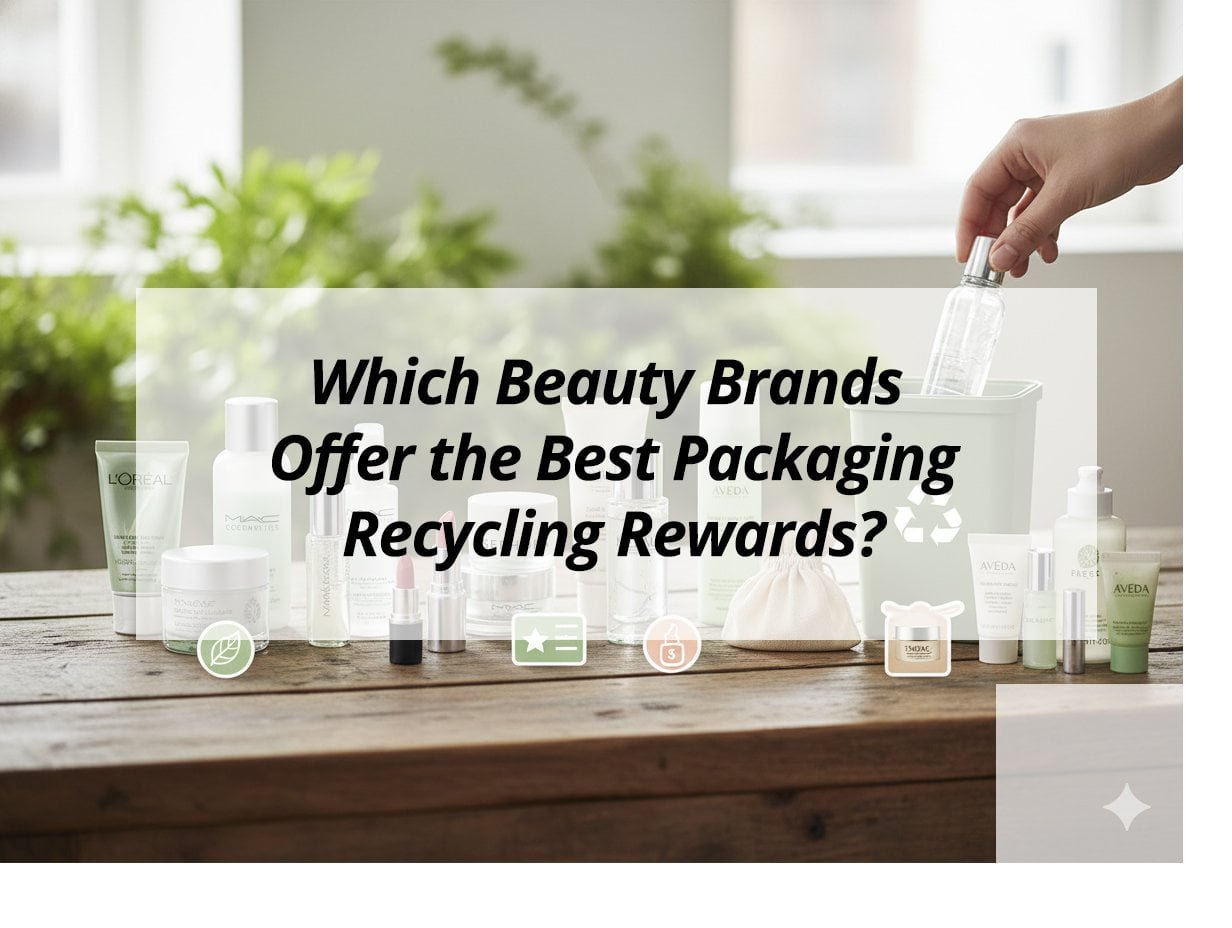
The beauty industry produces significant packaging waste. Many brands now offer recycling initiatives. These programs support environmental efforts. They also provide incentives for consumers. This article identifies top programs.
Many beauty brands operate recycling programs. These initiatives allow customers to return empty cosmetic containers. Brands then process these for recycling. Some programs offer rewards, helping reduce landfill waste and promoting sustainable consumption.
Understanding these programs is crucial. They enable informed consumer choices. This benefits environmental sustainability. It can also offer economic advantages. Let us explore some leading brands.
What beauty brands have a recycling program?
Numerous beauty brands now implement recycling programs. These programs aim to minimize waste. They also encourage consumer participation in recycling. This contributes to greater industry sustainability.
Several prominent beauty brands maintain active recycling programs. Examples include MAC, Kiehl's, L'Occitane, and Aveda. These programs typically involve in-store collection of empty containers. The collected packaging is then recycled. Some programs offer loyalty points or complimentary products as incentives.
Consumers often accumulate empty beauty products. Finding suitable disposal methods can be a challenge. Recycling programs offered by brands provide a structured solution. Here is a detailed look at some of these brand initiatives.
Leading Beauty Brand Recycling Programs
Many brands prioritize environmental responsibility. Their recycling programs are a key component of these efforts.
- MAC Cosmetics: The "Back-to-MAC" program allows customers to return six empty MAC containers. In exchange, customers receive a free lipstick. This system simplifies the recycling process for consumers.
- Kiehl's: Kiehl's operates a "Recycle and Be Rewarded" program. Empty Kiehl's products can be returned to earn points. These points are redeemable for products. This encourages consistent recycling behavior.
- L'Occitane: L'Occitane collaborates with Terracycle. They accept empty products from any brand at their stores. This broad acceptance greatly expands recycling accessibility.
- Aveda: Aveda has historically been a pioneer in environmental initiatives. Their "Full Circle" program focuses on recycling difficult-to-process items like caps and pumps. This demonstrates a comprehensive approach to recycling beauty containers.
Rationale for Brand Recycling Programs
Brands implement recycling programs for multiple strategic reasons. They aim to foster a responsible corporate image. They also seek to enhance customer loyalty.
| Reason | Brand Benefit | Consumer Benefit |
|---|---|---|
| Environmental Stewardship | Positive public perception | Waste reduction |
| Customer Engagement | Encourages repeat purchases | Access to rewards |
| Regulatory Compliance | Adherence to environmental laws | Convenient disposal |
| Resource Optimization | Material reuse and recovery | Sustainable product lifecycle |
These programs offer mutual benefits. They support ecological preservation. They also provide added value for consumers.
Does Ulta Beauty have a recycling program?
Many consumers frequently purchase products from Ulta Beauty. They often inquire about available recycling options. This is a common concern for beauty product users.
Yes, Ulta Beauty operates a recycling program. They have partnered with Terracycle for this initiative. This program enables customers to recycle empty beauty packaging. Items from any brand can be dropped off at their stores. This makes recycling beauty containers highly convenient for Ulta shoppers.
Consumers often purchase a diverse range of brands at Ulta. Previously, sorting these items for recycling could be complex. Ulta's program simplifies this process by allowing unified drop-offs. Let us examine the mechanics of their program.
Structure of Ulta's Recycling Program
Ulta's program is designed for simplicity. This ease of use promotes higher rates of consumer participation in recycling.
- Terracycle Partnership: Ulta's collaboration with Terracycle is key. Terracycle specializes in processing materials that are challenging to recycle. This includes various types of beauty packaging.
- In-Store Collection: Dedicated recycling bins are available in Ulta stores. Customers can deposit their empty products there. Strict cleaning of containers is not usually required. This provides significant convenience.
- Accepted Items: The program accepts most types of beauty and personal care packaging. This includes plastic bottles, jars, tubes, and pumps. It is a comprehensive program for recycling beauty containers.
Advantages of Ulta's Program
Ulta's recycling program offers several distinct advantages. It benefits both consumers and the environment.
- Accessibility: Integrating recycling into existing shopping routines increases participation.
- Broad Acceptance: The program accepts products from all brands. This eliminates the need for customers to sort items by brand.
- Environmental Contribution: It helps divert waste from landfills. This demonstrates Ulta's commitment to environmental sustainability.
This program positions Ulta as a favorable choice for environmentally conscious consumers. It streamlines the recycling experience.
Which company's product packaging is 100% recyclable?
Identifying products with 100% recyclable packaging is a significant consumer interest. This reduces the amount of waste sent to landfills. Many brands are working towards this objective.
While many brands aim for fully recyclable packaging, achieving 100% across all product lines remains challenging. Brands such as Ethique and Lush are notable for using minimal or entirely compostable packaging. Companies like REN Clean Skincare and Davines also heavily emphasize sustainable and fully recyclable materials for a large portion of their offerings, establishing them as leaders in recycling beauty containers.
The quest for truly 100% recyclable products can be complex. Many components of packaging often pose recycling difficulties. However, some brands are making commendable progress in this area.
Brands Leading in Fully Recyclable Packaging
These brands are making substantial efforts. They strive to use only materials that can be fully recycled. This represents a considerable endeavor.
- Ethique: This brand completely avoids plastic packaging. Their products are solid bars. They are enclosed in compostable paper. This serves as a prime example of truly 100% recyclable packaging.
- Lush: Lush also adopts a minimalist approach to packaging. Many products are sold without packaging ("naked"). For products requiring packaging, recycled and recyclable materials are used. They also have a container return scheme.
- REN Clean Skincare: REN focuses on "zero waste" packaging solutions. They utilize recycled plastic and glass. They also have ongoing initiatives to ensure all packaging becomes recyclable.
- Davines: This haircare brand predominantly uses recycled plastic and glass. They also implement carbon offsetting measures. This reflects a holistic commitment to sustainability.
Obstacles to Achieving 100% Recyclable Packaging
Manufacturing all packaging to be 100% recyclable presents difficulties. Several factors contribute to these challenges.
- Composite Materials: Many products feature packaging made from different plastics, metals, and glass. Separating these materials for recycling is complex.
- Small Components: Elements such as pumps, droppers, and caps are often small. Their size makes them difficult to process in standard recycling streams.
- Consumer Engagement: Even with recyclable packaging, consumer participation in recycling is not guaranteed. Public education is therefore vital.
| Challenge | Solution/Strategy |
|---|---|
| Mixed Materials | Streamline packaging design to single materials |
| Small Components | Design for easy disassembly, specialized collection |
| Consumer Engagement | Clear recycling instructions, accessible drop-off |
These brands are actively addressing these challenges. They are setting industry standards for recycling beauty containers.
Does Lancôme have a recycling program?
Lancôme is a prominent luxury brand. Consumers often inquire about its sustainability initiatives, including recycling. This is particularly relevant for users of high-end beauty products.
Yes, Lancôme operates a recycling program. They have partnered with Terracycle to facilitate the recycling of empty Lancôme products. Drop-off points are typically available at Lancôme boutiques or authorized retailers. This initiative ensures that luxury beauty packaging can be properly recycled, supporting the broader objective of recycling beauty containers.
Consumers of luxury beauty products often seek sustainable disposal methods for premium packaging. Lancôme's program provides a solution for these high-value items. This enhances the overall purchasing experience.
Structure of Lancôme's Recycling Program
Lancôme aims to provide an accessible recycling option for its clientele. The brand acknowledges the importance of sustainable practices, even within the luxury sector.
- Terracycle Partnership: Lancôme's collaboration with Terracycle is crucial. This partnership allows them to manage a diverse range of packaging materials. Terracycle possesses the capability to process materials that conventional recycling facilities might not handle.
- In-Store Collection: Recycling bins are generally located within Lancôme stores or at designated beauty counters. Customers can deposit their empty Lancôme items directly. This offers a convenient method for returning luxury packaging.
- Accepted Items: The program accepts various empty Lancôme beauty products. This includes glass jars, plastic bottles, and tubes. This demonstrates a commitment to comprehensive recycling of beauty containers.
Importance of Recycling Programs for Luxury Brands
Luxury brands also play a role in promoting sustainability. Their customers increasingly value environmental responsibility.
- Brand Perception: A recycling program enhances a luxury brand's reputation. It signals a commitment to corporate social responsibility.
- Consumer Expectations: Contemporary consumers, including those in the luxury market, expect brands to adopt sustainable practices.
- Material Recovery: Recycling facilitates the recovery of valuable materials. This contributes to a circular economy model.
Lancôme's recycling program is a positive development. It illustrates that luxury and sustainability can be integrated effectively.
My Insights: Which Beauty Brands Offer the Best Packaging Recycling Rewards?
Want to earn rewards while promoting sustainability? Discover beauty brands with the best recycling reward programs that offer incentives for returning empty containers.
Beauty brands like MAC, Kiehl’s, and Garnier offer recycling rewards for returning empty packaging. Programs include free products, loyalty points, and gift cards. By participating, consumers can endorse eco-friendly practices while enjoying benefits from their favorite brands.
Exploring Top Beauty Brand Recycling Rewards
Understanding Reward Programs
Many beauty brands have initiated recycling reward programs to promote environmental responsibility. These programs reward customers with products, points, or discounts for returning empty containers.
Highlighted Programs
- MAC – Back to MAC: Return 6 MAC containers for a free lipstick.
- Kiehl’s – Loyalty Points: Earn points for returning full-size containers, redeemable for products.
- Garnier – TerraCycle Partnership: Incentivizes recycling with reward systems.
| Brand | Program Details | Reward Type |
|---|---|---|
| MAC | 6 empty containers for free lipstick | Free Product |
| Kiehl’s | Points for each full-size empty | Loyalty Points |
| Garnier | Partnered with TerraCycle for recycling rewards | Charity Points |
Participation and Benefits
Customers who engage with these programs contribute to environmental efforts while gaining tangible rewards. It's beneficial to check local store availability for participation and maximize the use of these programs to create a positive impact.
Conclusion
Many beauty brands now offer recycling programs. These initiatives aim to reduce waste. They also provide incentives for consumers. Ulta Beauty and Lancôme both utilize Terracycle partnerships. Certain brands, like Ethique, focus on 100% recyclable packaging. These collective efforts simplify consumer participation in sustainable practices.