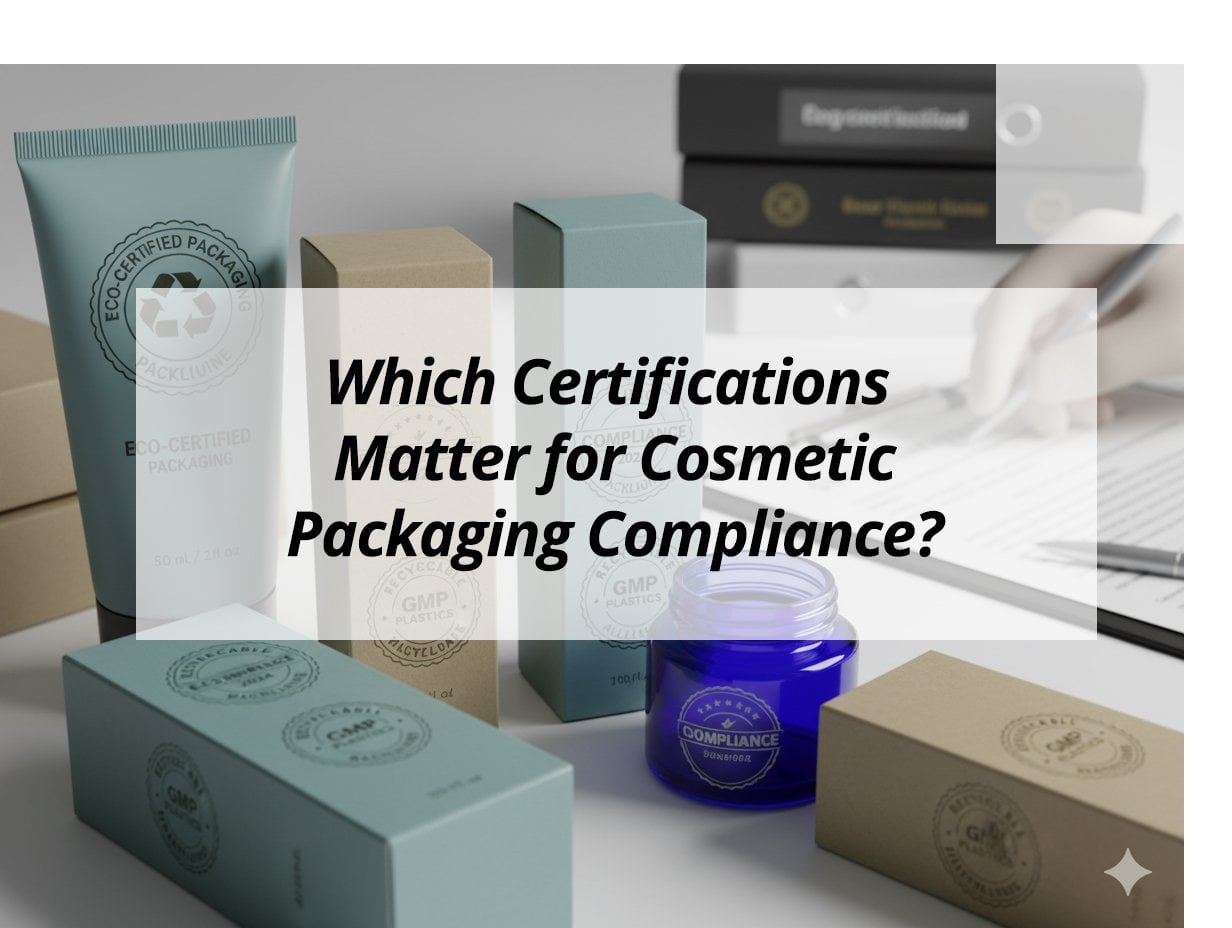
The cosmetics industry is fiercely competitive. Ensuring compliance through certifications is not just beneficial—it's essential.
Certifications in the cosmetic packaging industry are crucial for ensuring product safety and regulatory compliance. They validate that packaging materials and processes meet industry standards and legal requirements, safeguarding consumer health and enhancing brand credibility. Recognizing key certifications can protect your business from legal and financial risks.
In today’s fast-paced market, understanding these certifications can set your business apart. They assure customers of quality and safety, making an immense difference in the crowded cosmetics market.
What are packaging certifications?
In a world that demands high standards, missing essential certifications can jeopardize your business.
Packaging certifications encompass various standards that ensure materials used in cosmetic packaging are safe, durable, and environmentally friendly. These certifications, recognized globally, often focus on material safety, recycling processes, and environmentally sustainable practices, which are integral to complying with international regulations and fostering consumer trust.
Certifications can cover different aspects of packaging. Examples include material safety, environmental impact, and recycling. They can vary by region. Remember, certifications play a critical role in international trade and consumer trust. So, it’s vital to ensure your packaging meets these standards.
Types of Packaging Certifications
| Certification Type | Focus | Importance for Businesses |
|---|---|---|
| Safety Standards | Material toxicity and safety | Ensures consumer health |
| Environmental Certifications | Recycling and sustainability | Demonstrates eco-friendly practices |
| Quality Certifications | Durability and performance | Enhances product reliability |
Understanding these categories can guide you to prioritize the right certifications. This strategic approach ensures not only compliance but also boosts customer confidence.
Does FDA regulate cosmetic packaging?
Navigating regulations can be daunting. Knowing your obligations, however, is vital for success.
While the FDA does not directly regulate cosmetic packaging, it imposes standards to ensure that packaging materials do not contaminate products. The primary focus is on the safety and efficacy of the product, which indirectly involves ensuring that packaging protects the product from contamination. Understanding these guidelines helps prevent compliance issues.
Although the FDA’s primary focus is on the product, packaging plays a critical role. As such, companies must ensure that their packaging does not compromise the safety and effectiveness of the cosmetics.
FDA's Indirect Influence on Packaging
- Ensures that cosmetic products are not adulterated or misbranded.
- Provides guidelines on labeling to prevent misleading information.
- Indirectly affects packaging materials that might leach harmful substances.
Understanding the FDA's stance helps businesses align their packaging strategies accordingly, allowing them to avoid pitfalls and maintain regulatory compliance.
What is the certificate in cosmetic regulatory essentials?
Certification programs can sometimes feel overwhelming, but they are crucial for staying informed and competitive.
The Certificate in Cosmetic Regulatory Essentials (CORE) equips professionals with knowledge about global regulations governing cosmetics. This certification covers product safety, labeling requirements, and legal aspects, ensuring industry compliance. It is particularly beneficial for professionals seeking comprehensive understanding, helping businesses align with global standards and avoiding regulatory pitfalls.
The CORE certification is a valuable asset for industry professionals. It ensures they have a thorough understanding of cosmetic regulations to guide business decisions.
Benefits of CORE Certification
- Provides comprehensive knowledge of global regulations.
- Ensures accurate labeling and safety compliance.
- Offers a competitive edge by enhancing professional credibility.
Achieving CORE certification demonstrates a commitment to excellence in regulatory knowledge, providing your business with a strategic advantage.
What is the ISO certification for cosmetics?
In the pursuit of excellence, understanding ISO certifications can significantly enhance your business operations.
ISO certifications for cosmetics, such as ISO 22716, focus on Good Manufacturing Practices (GMP) for cosmetics. These standards outline a systematic approach to manufacturing, ensuring product quality and consumer safety. By implementing ISO standards, companies demonstrate compliance with international regulations, enhancing their global market competitiveness.
ISO certifications represent a mark of quality recognized worldwide. They can elevate your brand, assuring customers of your commitment to excellence.
Key ISO Certifications for Cosmetics
| Certification | Focus | Impact on Business |
|---|---|---|
| ISO 22716 | Good Manufacturing Practices1 | Ensures consistent product quality |
| ISO 9001 | Quality Management Systems | Enhances organizational efficiency |
| ISO 14001 | Environmental Management Systems | Promotes sustainability initiatives |
Implementing ISO standards requires dedication, but it pays off by ensuring robust quality and safety measures, which are crucial in today’s market.
My insights: The Certifications Matter for Cosmetic Packaging Compliance
Worried about meeting regulatory standards for cosmetic packaging? Understand key certifications to ensure compliance and enhance brand reputation.
Certifications crucial for cosmetic packaging compliance include legal regulations like EU Cosmetic Regulations2 and FDA requirements, alongside ISO standards such as ISO 22716 and ISO 22715 for manufacturing practices and packaging quality. Sustainability credentials like FSC certification further support brand credentials without being legally mandatory.
Understanding the Impact of Certifications on Cosmetic Packaging
Legal and Regulatory Standards:
Complying with EU Cosmetics Regulation 1223/2009 and FDA requirements is imperative for legal safety and use. These regulations ensure packaging safety, proper labeling, and consumer protection, preventing product recalls that could harm brand image.
ISO and Technical Standards:
ISO 22715 provides guidelines for packaging and labeling, while ISO 22716 focuses on good manufacturing practices. Compliance demonstrates structured control over packaging design and the handling of products under hygienic conditions, assuring quality and safety.
Sustainability Certifications:
While not legally required, certifications like FSC for sustainably sourced materials are increasingly essential for brand competitiveness and appeal to eco-conscious consumers. These certifications often reflect consumer and retailer expectations, aligning packaging practices with broader environmental commitments.
| Certification Type | Key Focus | Importance |
|---|---|---|
| Legal Compliance | EU/FDA regulations for safety and labeling | Prevents product recalls and ensures consumer safety. |
| ISO Standards | Structured packaging and manufacturing controls | Boosts brand credibility through standardized practices. |
| Sustainability | Eco-friendly materials (e.g., FSC) | Enhances brand appeal and meets environmental expectations. |
Navigating certifications in cosmetic packaging involves balancing mandatory regulatory requirements with voluntary standards that enhance brand value, ensuring both compliance and desirability. Understanding these certifications helps brands thrive in competitive markets by promoting safety, quality, and sustainability.
Conclusion
Understanding essential certifications empowers informed decisions, ensuring compliance and elevating brand trust. Aligning with industry standards protects consumer safety and drives business success.