
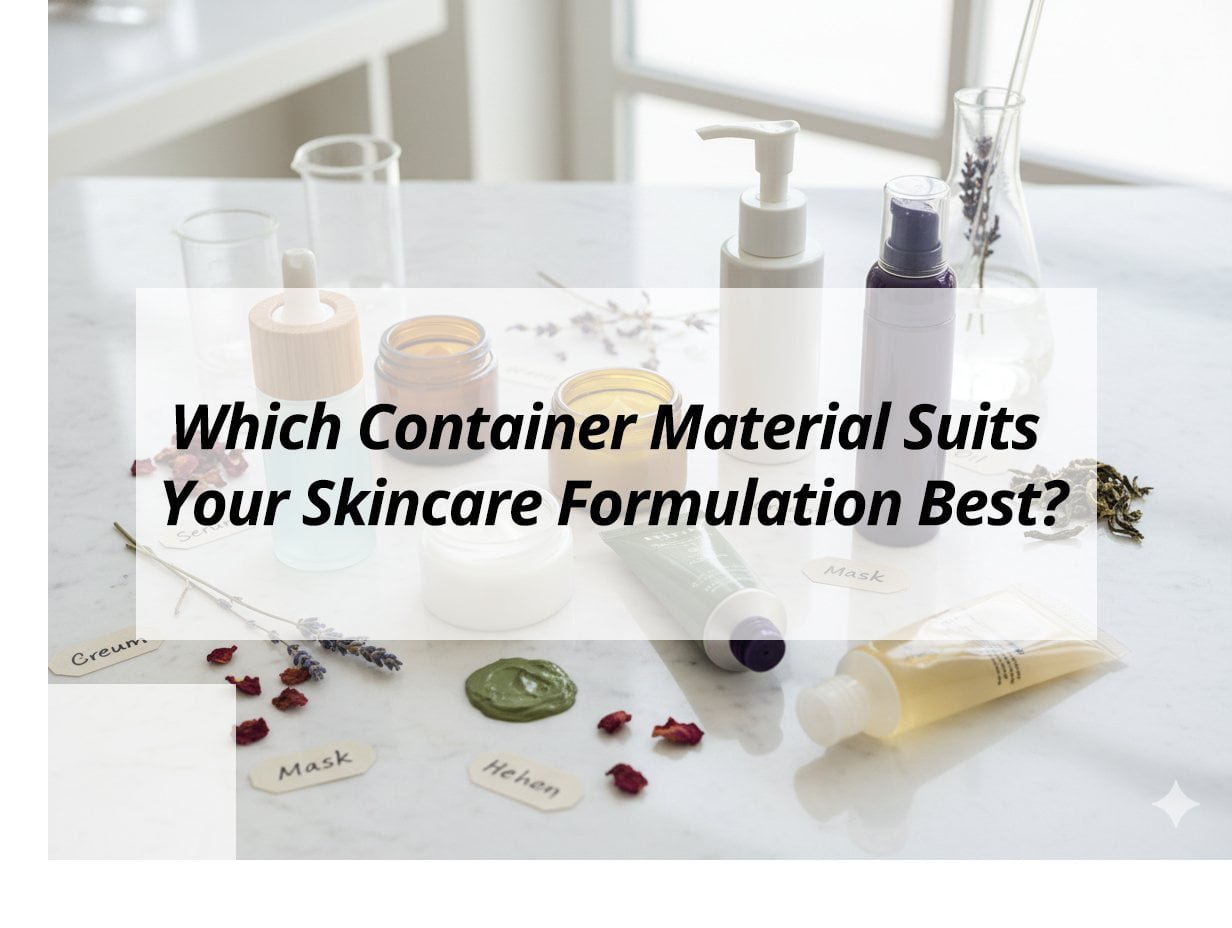
Skincare packaging can make or break your product. Choosing the right material ensures longevity and aligns with brand values, impacting customer satisfaction.
Selecting the right container material is essential for preserving skincare formulations, maintaining quality, and aligning with brand identity. This choice directly impacts market appeal and sustainability, ensuring products meet both consumer expectations and environmental standards effectively.
When considering skincare packaging, it's not just about aesthetics. The choice of material plays a key role in protecting formulations and enhancing consumer experiences.
What is the 1% rule in skincare?
Navigating skincare ingredient lists can be confusing. Understanding the 1% rule helps prioritize what matters most for your products.
The 1% rule in skincare suggests that ingredients listed after the first 1% won't significantly impact effectiveness. This helps consumers know which components are present in meaningful amounts.
Deciphering product labels can be tricky. Here's a deeper understanding of the 1% rule:
Understanding Ingredients
- Ingredient Order: Ingredients with over 1% concentration are listed first, offering insights into their effectiveness.
- Consumer Awareness: Knowing this helps in evaluating the potency and relevance of active ingredients in beauty products.
- Formulation Strategy: Brands should prioritize impactful ingredients early in formulations to ensure efficacy and transparency.
Ingredient Impact
Understanding the purpose and concentration of each ingredient can improve decision-making in formulation:
- Potent Actives: Ingredients like retinol and vitamin C need higher concentrations for efficacy.
- Excipients: Substances that aid in delivering actives often follow.
- Fragrance and Colorants: Typically in very low percentages due to their secondary role.
By focusing on high-impact ingredients, brands can better align product claims with consumer expectations, establishing trust and credibility in a competitive market.
What is the most eco-friendly packaging for cosmetics?
Environmentally responsible choices in packaging resonate with consumers. Let's explore the most sustainable options.
Eco-friendly cosmetic packaging reduces environmental impact by using sustainable materials such as glass, recycled plastics, and biodegradable options, aligning with consumers' growing environmental concerns.
Sustainable packaging isn’t just a trend; it’s a necessity. Discover why it matters:
Eco-Friendly Material Options
- Glass: Recyclable and reusable, offering a premium feel.
- Recycled Plastics: Reduces waste through repurposing materials, cutting back on pollution.
- Biodegradable Options: Made from natural fibers, they're designed to break down, reducing landfill contributions.
Environmental Impact
Assessing the sustainability of packaging requires examination of:
- Resource Use: How much energy and raw materials are used?
- Lifecycle: Can the product be recycled or repurposed?
- Decomposition: How quickly does it break down in the environment?
Comparison Table
| Material | Benefits | Drawbacks |
|---|---|---|
| Glass | Reusable, premium appearance | Heavier, more fragile |
| Recycled Plastics | Low cost, eco-friendly | May have lower quality perception |
| Biodegradable | Environmentally sustainable, breaks down easily | Higher cost, limited moisture resistance |
Choosing sustainable packaging reflects your brand's commitment to environmental stewardship, which is increasingly important to consumers worldwide.
How should skincare products be stored?
Proper storage extends shelf life and maintains efficacy. Knowing optimal storage conditions is critical.
Skincare products should be stored in cool, dry places away from sunlight. Temperature fluctuations and humidity can degrade active ingredients, affecting their performance and safety.
Effective storage protects your investment in product quality. Here’s a breakdown:
Storage Best Practices
- Avoid Sunlight: Direct UV exposure degrades active ingredients, particularly antioxidants and retinoids.
- Stable Temperatures: Keep products in a stable environment. Fluctuating temperatures can separate or degrade formulations.
- Moisture Control: Humidity leads to bacterial growth in preservative-free or natural products.
Storage Solutions
Different product types require specific storage solutions:
- Creams and Lotions: Store in cool, dark places to avoid ingredient separation.
- Serums: Often need refrigeration to maintain efficacy.
- Natural Products: Use airtight containers to extend shelf life.
Tips for Consumers
- Use airtight containers to prevent contamination.
- Store sensitive products in refrigerators for added freshness.
- Keep original packaging for detailed instructions and expiration dates.
Following these guidelines ensures the product remains effective and safe for consumer use, maintaining brand integrity over time.
How to formulate skincare products?
Formulation is the foundation of skincare success. Let’s delve into creating quality skincare.
Formulating skincare products involves selecting the right blend of active ingredients, with a focus on stability, efficacy, and skin compatibility, meeting both market demands and regulatory standards.
Crafting effective skincare relies on a careful selection of ingredients and understanding their interplay:
Formulation Components
- Active Ingredients: Choose based on desired effects, such as anti-aging or hydration. Ensure compatibility and stability within the formula.
- Bases and Carriers: Determine how ingredients are delivered to the skin—creams, serums, gels.
- Preservatives: Necessary for extending shelf life, preventing contamination.
Formulation Process
- Research and Development: Start with identifying target skin concerns and selecting suitable actives.
- Testing: Conduct stability and efficacy tests to ensure product safety and performance.
- Regulatory Compliance: Adhere to regulations in target sales regions to avoid legal and safety issues.
Key Considerations
- Skin Compatibility: Ensure all ingredients are safe for various skin types.
- Stability: Formulas should remain effective over time, avoiding separation.
- Efficacy: Achieve results that align with consumer expectations.
Taking a systematic approach to formulation not only guarantees product quality but also builds consumer trust and brand reputation.
My insights: The Container Material Suits Your Skincare Formulation Best
Choosing the right container for your skincare products can be daunting. Ensure optimal formula preservation and user appeal by selecting the best material.
Glass is ideal for most skincare formulations due to its non-reactive nature and UV protection. It preserves active ingredients effectively, providing a sustainable and premium appearance. Alternative materials like plastic, aluminum, and silicone suit various needs, balancing durability, sustainability, and cost.
Evaluating Skincare Container Materials
Material Comparison:
-
Glass: Perfect for serums and oils, glass is non-reactive and offers UV protection, ensuring the stability of sensitive ingredients. It's recyclable and lends a premium feel but is heavier and fragile.
-
Plastic (PET, HDPE, PP): Lightweight and affordable, these materials suit lotions and cleansers. While shatter-resistant, they may degrade with certain formulations and are less premium.
-
Aluminum: Suitable for balms and minimalist products, aluminum is durable, non-reactive, and recyclable, but limited in format options.
-
Acrylic: Known for its glossy look, acrylic works well for functional skincare but is less environmentally friendly compared to glass.
Key Considerations:
Choose glass or aluminum for reactive ingredients and plastics for thick lotions. Airless pumps and droppers are key for minimizing contamination in air-sensitive products. Consider sustainability: recyclable options like PCR plastics and bamboo align with consumer eco-consciousness.
Material Selection Table:
| Material | Best For | Key Pros | Key Cons |
|---|---|---|---|
| Glass | Serums, oils | Non-reactive, UV protection | Heavy, fragile |
| Plastic | Lotions, toners | Lightweight, affordable | May degrade with oils |
| Aluminum | Balms | Durable, recyclable | Limited formats |
| Acrylic | Functional skincare | Glossy, visually appealing | Less eco-friendly |
Selecting the right container material optimizes both product protection and user experience, aligning with modern sustainability trends.
Conclusion
Selecting the right container material and understanding formulation intricacies are vital for skincare success. A well-thought-out approach ensures product longevity, aligns with consumer expectations, and elevates brand image.