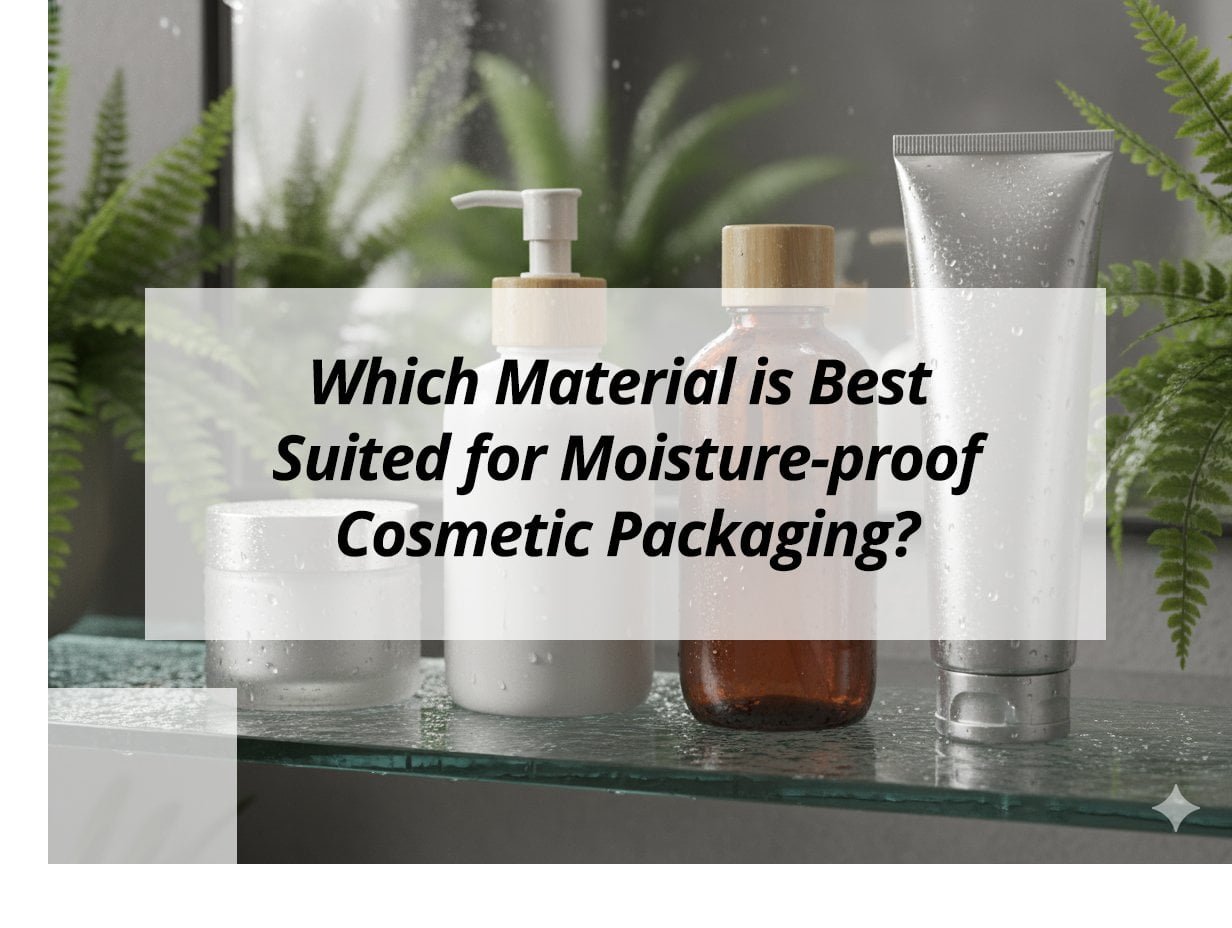
In the competitive world of cosmetics, packaging plays a crucial role. Moisture can ruin products, and choosing the right material is essential to maintaining quality.
For moisture-proof cosmetic packaging, choose materials like polyethylene, polypropylene, and laminates. They provide excellent moisture barriers, ensuring product quality and longevity. These materials protect against moisture effectively, preserve product integrity, and extend shelf life, making them ideal for a variety of cosmetic applications.
Choosing the right materials not only enhances product longevity but also strengthens consumer trust—a win-win situation for brands and customers.
What type of plastic is used for moisture-proof packaging?
Moisture infiltration can severely affect cosmetic products. Protecting them starts with understanding the materials that offer the best defenses.
Plastics such as polyethylene (PE) and polypropylene (PP) are especially effective in moisture-proof packaging. These plastics provide excellent barriers against moisture, ensuring the stability and effectiveness of the products they encase over time.
Exploring the physical attributes of these plastics provides insight into their role in packaging:
Plastic Properties
Polyethylene (PE)
-
Characteristics: PE is flexible and durable, offering strong moisture resistance. It's cost-effective and widely used for cosmetic tubes.
-
Applications: Ideal for flexible tubes and pouches, PE suits skincare and haircare products.
-
Sustainability: Advances have led to recycled PE, enhancing eco-friendly packaging options.
Polypropylene (PP)
-
Characteristics: PP provides high temperature resistance and rigidity, with excellent moisture protection.
-
Applications: Perfect for sturdy containers like cream jars and lotion bottles.
-
Advantages: Beyond moisture resistance, its strength supports varied packaging designs.
Key Points
-
Polyethylene: High moisture resistance, moderate temperature stability, flexible for skincare.
-
Polypropylene: High moisture and temperature resistance, robust for creams and lotions.
Both materials serve as excellent choices for moisture-proof packaging, each offering unique benefits for specific applications.
Which type of packaging material provides the best protection against light, air, and moisture?
While moisture protection is key, cosmetics are also vulnerable to light and air, which can degrade their quality.
Laminated materials1 and aluminum-based packaging offer premier protection against light, air, and moisture. These materials provide a comprehensive barrier, ensuring that the product remains intact and effective.
Understanding these materials and their benefits can help brands select the best protective solutions for their products.
Breaking Down Barrier Properties
Laminated Materials
-
Protection Level: Combining multiple layers, laminates excel in blocking out light, air, and moisture, offering versatile and reliable protection.
-
Suitability: Used extensively for tubes and pouches containing creams and lotions, laminates preserve both texture and efficacy.
-
Innovation: Advances in lamination technology have produced materials that are both stronger and lighter.
Aluminum-Based Materials
-
Protection Level: Renowned for complete impermeability, aluminum ensures premium protection against environmental factors, effectively doubling as highly durable packaging.
-
Suitability: Commonly utilized in high-sensitivity products like serums and essential oils, aluminum packaging enhances shelf life and product integrity.
-
Recyclability: Aluminum is highly recyclable, adding an eco-friendly dimension to its list of benefits.
| Material Type | Light Protection | Air Protection | Moisture Protection | Applications | Recyclability |
|---|---|---|---|---|---|
| Laminated Materials | Excellent | Excellent | High | Cream tubes, pouches | Partially recyclable |
| Aluminum-Based | Excellent | Excellent | Excellent | Serums, essential oils | Fully recyclable |
These materials ensure consumer satisfaction through superior product preservation and an advanced approach to sustainable packaging.
What is the best material to use for packaging?
Selecting the optimal material for packaging involves balancing protection, aesthetics, and cost, all tailored to specific product requirements.
The optimal packaging material combines laminated materials and advanced plastics like PET. This combination ensures protection, visual appeal, and cost-efficiency, making it a preferred choice among cosmetic brands.
Deciphering these materials’ properties equips brands with the knowledge to make informed decisions that satisfy consumer demands.
Evaluating Material Choices
Laminated Materials
-
Versatility: Offering superior protection, laminates can adapt to a variety of cosmetic forms, ensuring product quality is maintained throughout its lifecycle.
-
Cost Consideration: Although the initial cost may be higher, the longevity and protection provided can lead to cost savings over time through reduced losses and superior product reception.
-
Innovation: New developments in lamination technology focus on enhancing performance while minimizing environmental impact.
Polyethylene Terephthalate (PET)
-
Versatility: PET is admired for its clarity and strength, making it suitable for showcasing products. It offers robust protection against environmental factors.
-
Cost Consideration: PET’s versatility allows it to meet budgetary constraints without sacrificing quality, offering an attractive solution for various cosmetic packaging needs.
-
Environmental Aspect: PET is widely recycled, aligning it with eco-friendly initiatives in the packaging industry.
| Material Type | Versatility | Cost Efficiency | Common Applications | Environmental Impact |
|---|---|---|---|---|
| Laminated | High | Moderate | Various cosmetic containers | Advancing sustainability |
| PET | High | High | Bottles, jars, clear tubes | Widely recycled |
Selecting these materials smartly aligns with market trends, enhancing appeal and functionality in cosmetic packaging.
What is eco-friendly packaging for cosmetics?
As sustainability gains prominence, brands aim to reduce their environmental footprint through innovative packaging solutions.
Eco-friendly packaging in the cosmetic sector includes biodegradable materials, recycled content, and reusable designs. Options like paper-based composites and bioplastics represent strides towards greener packaging, appealing to environmentally conscious consumers.
Harnessing these solutions fosters brand loyalty and meets market demands for sustainable practices.
Discussing Sustainable Options
Paper-Based Composites
-
Eco-Benefits: Made from renewable resources, they are recyclable and biodegradable, significantly reducing environmental impact.
-
Challenges: They may not offer the same protection as other materials, limiting their use.
-
Innovation: Research is focused on increasing durability while maintaining eco-friendly properties.
Bioplastics
-
Eco-Benefits: These are derived from plant-based materials, offering a sustainable alternative without compromising performance.
-
Challenges: High production costs and limited availability are current hurdles.
-
Advancements: Technological progress is reducing costs and increasing adoption, promising a brighter future for bioplastics.
Key Points
-
Paper-Based Composites: Offer renewability and recyclability, suited to some skincare and makeup items, with a focus on enhancing durability.
-
Bioplastics: Provide a sustainable alternative with a focus on cost reduction and wider application in cosmetic packaging.
Both options align with the shift towards sustainable practices, helping brands adopt eco-friendly packaging solutions.
My insights: Selecting the Best Material for Moisture-Proof Cosmetic Packaging
Worried about keeping your cosmetics fresh and moisture-free? Discover the best materials for effective protection.
Aluminum and laminated materials offer the highest moisture resistance, ideal for sensitive cosmetics. HDPE and PET provide good moisture barriers with added recyclability. Choosing the right material ensures product integrity and addresses sustainability goals.
Understanding Moisture-Proof Materials
- Aluminum and Laminates: These provide superior protection against water vapor, making them ideal for high-sensitivity products like powders and masks.
- Multi-layer Structures: Combine aluminum foil with moisture-resistant polyolefins for excellent defense against humidity.
Plastic Options:
- HDPE: Offers strong moisture and chemical resistance, widely used for creams and lotions due to its durability and recyclability.
- PET: Balances moisture resistance, transparency, and recyclability, often used for cosmetic bottles and jars.
Effective Alternatives:
- PP (Polypropylene): Suitable for tubes and caps, providing moisture resistance and flexibility.
- Metal Packaging: Aluminum tubes and cans offer strong barriers against moisture for specialized products.
Comparison Table
| Material | Benefit |
|---|---|
| Aluminum | Superior barrier against moisture, ideal for sensitive products |
| Laminates | Multi-layer protection with strong barrier properties |
| HDPE | Durable, moisture-resistant, and recyclable |
| PET | Transparent, moisture-resistant, and recyclable |
| PP | Flexible, moisture-resistant, and cost-effective |
Choosing the right material for moisture-proof cosmetic packaging balances product protection, sustainability, and brand requirements, ensuring freshness and customer satisfaction.
Conclusion
Choosing the right packaging materials involves balancing protection, cost, and sustainability to ensure both product quality and consumer satisfaction.