
Choosing the right packaging can be daunting, yet crucial for sustainability and brand image.
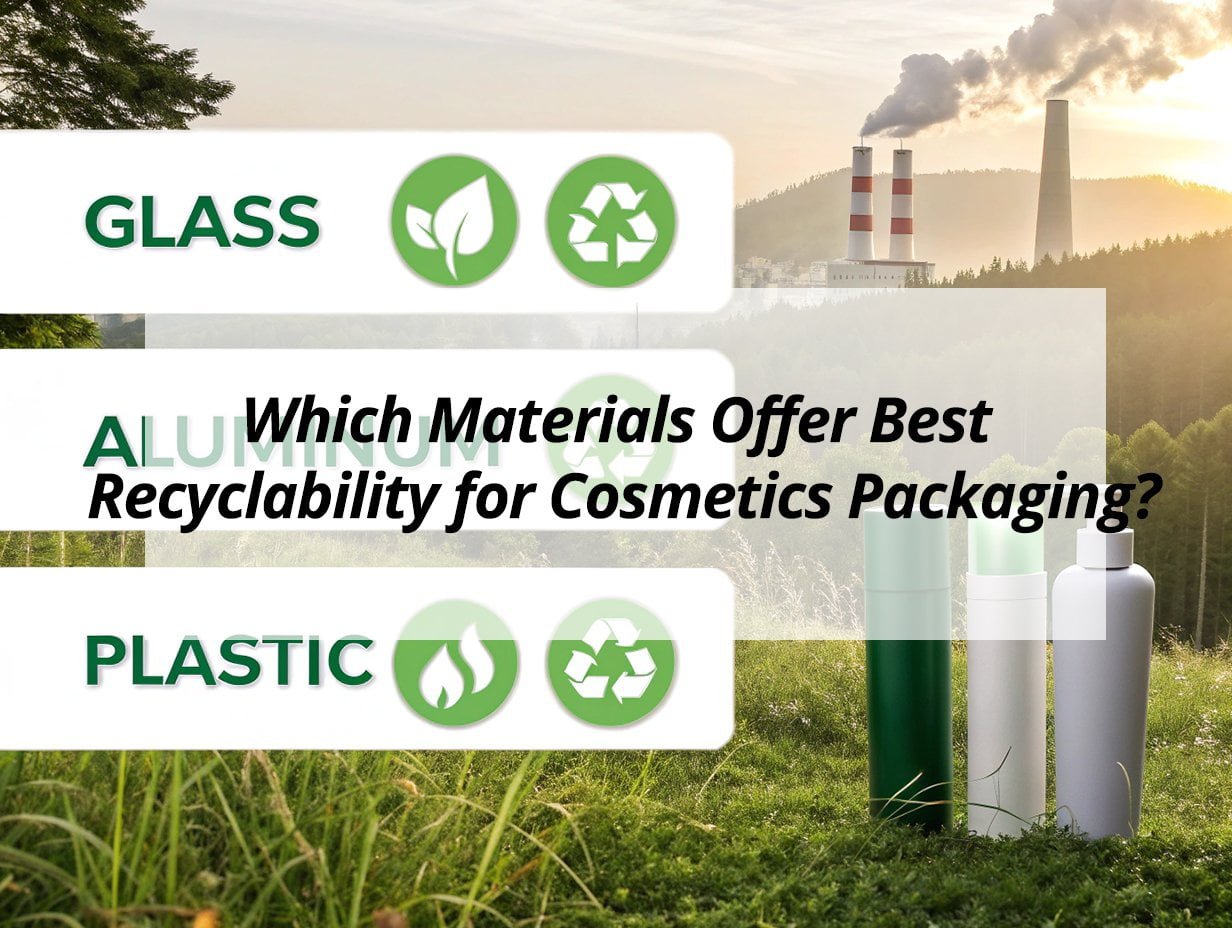
Glass, aluminum, PET, and HDPE are the top choices for recyclable cosmetics packaging. Their high acceptance in recycling programs and efficient processing make them ideal for brands aiming to reduce environmental impacts while meeting consumer demand for sustainable solutions. These materials are widely recognized for their durability and recyclability.
A well-thought-out choice of packaging materials can elevate a brand’s reputation while meeting eco-conscious consumer demands.
What are the sustainable packaging materials for cosmetics?
Consumers are increasingly seeking environmentally friendly packaging from their favorite beauty brands.
Sustainable packaging options include glass, aluminum, PET, and HDPE, recognized for effective recyclability and global acceptance in recycling networks.
Let's explore more about these materials:
Key Materials and Their Benefits
| Material | Benefits | Challenges |
|---|---|---|
| Glass | Infinite recyclability, premium aesthetic | Heavy, higher transport costs |
| Aluminum | Lightweight, retains integrity when recycled | Higher production costs, design for efficiency |
| PET/HDPE | Durable, widely recycled | Potential quality degradation with multiple cycles |
Understanding these materials helps businesses align with sustainability while fulfilling consumer expectations.
Can cosmetic packaging be recycled?
Recycling cosmetics packaging efficiently requires strategic material choices and clear communication with consumers.
To ensure recyclability, cosmetic packaging should consist of mono-materials1 and clear recycling instructions should be included to guide consumers.
Let's delve deeper into recycling practices:
Recycling Strategies for Cosmetic Packaging
- Use of Mono-Materials: Choosing single-material packaging improves sortability and recycling efficiency, reducing processing complexity.
- Consumer Guidance: Clear instructions help consumers recycle correctly, enhancing participation and recycling outcomes.
- Avoid Mixing Materials: Refrain from using multi-layered materials that hinder recyclability.
Efficient recycling not only supports environmental goals but also strengthens brand loyalty by meeting consumer values.
What is the most sustainable material for product packaging?
Sustainability in packaging has become essential for modern cosmetics brands aiming to reduce their ecological impacts.
Glass, aluminum, and PCR plays a crucial role in sustainable packaging2 due to their recyclability and contribution to closed-loop systems.
Let's analyze these sustainable options more robustly:
Understanding Sustainability in Packaging
| Material | Advantages | Drawbacks |
|---|---|---|
| Glass | Inert, aesthetic appeal, high recyclability | Heavier weight, increased breakage risk |
| Aluminum | Lightweight, highly recyclable, energy-efficient | Higher cost, potential quality variation |
| Post-Consumer Recycled (PCR) Content3 | Supports circular economy, eco-friendly image | Requires efficient collection and processing |
Utilizing these materials can significantly lower environmental footprints and appeal to eco-conscious consumers.
What is the best packaging for recycling?
Optimal recycling success hinges on thoughtful material selection and strategic packaging design.
Ideal packaging for recycling incorporates materials like glass, aluminum, PET, and HDPE, ensuring easy recyclability and efficient waste management.
Exploring deeper into successful recycling strategies:
Enhancing Recycling Potential
Consider these elements:
- Prioritize Single-Origin Materials: Simplifies recycling processes by avoiding mixed materials.
- Streamline Designs: Optimize designs for easier disassembly and recycling.
- Regional Compatibility: Ensure material compatibility with local recycling infrastructures.
Balancing design, performance, and sustainability maximizes recycling efficiency and promotes eco-friendly practices.
My Insights: Achieving Sustainable Packaging Through Strategic Choices
Worried your packaging isn't sustainable enough? Discover how a few strategic choices can make a difference.
By integrating recyclable materials and embracing thoughtful design, brands can significantly enhance their sustainability profile4 and meet growing consumer demands for eco-friendly packaging.
Strategic Insights for Packaging
| Focus Area | Recommendations |
|---|---|
| Material Selection | Emphasize glass, aluminum, PET, and HDPE for robust recyclability |
| Supplier Partnerships | Collaborate with eco-conscious providers for custom packaging solutions |
| Consumer Education | Offer education on recycling practices through clear labeling |
Adopting these strategies empowers brands to lead in sustainability, connect with eco-aware audiences, and meet regulatory demands.
Conclusion
Choosing materials like glass and aluminum not only aids environmental conservation but also fortifies a brand's reputation in sustainability-conscious markets.
-
Learn how mono-materials enhance recycling efficiency and simplify the process. ↩
-
Explore the advantages of sustainable packaging to understand its impact on the environment and consumer preferences. ↩
-
Discover the significance of PCR content in promoting sustainability and circular economy. ↩
-
Find out effective strategies for brands to improve their sustainability image and meet consumer demands. ↩